


Top 5 Best Poultry Equipment Solutions for 30,000+ Bird Layer Farms

Equipment selection for 30,000+ layer farms: compare solutions, not single machines
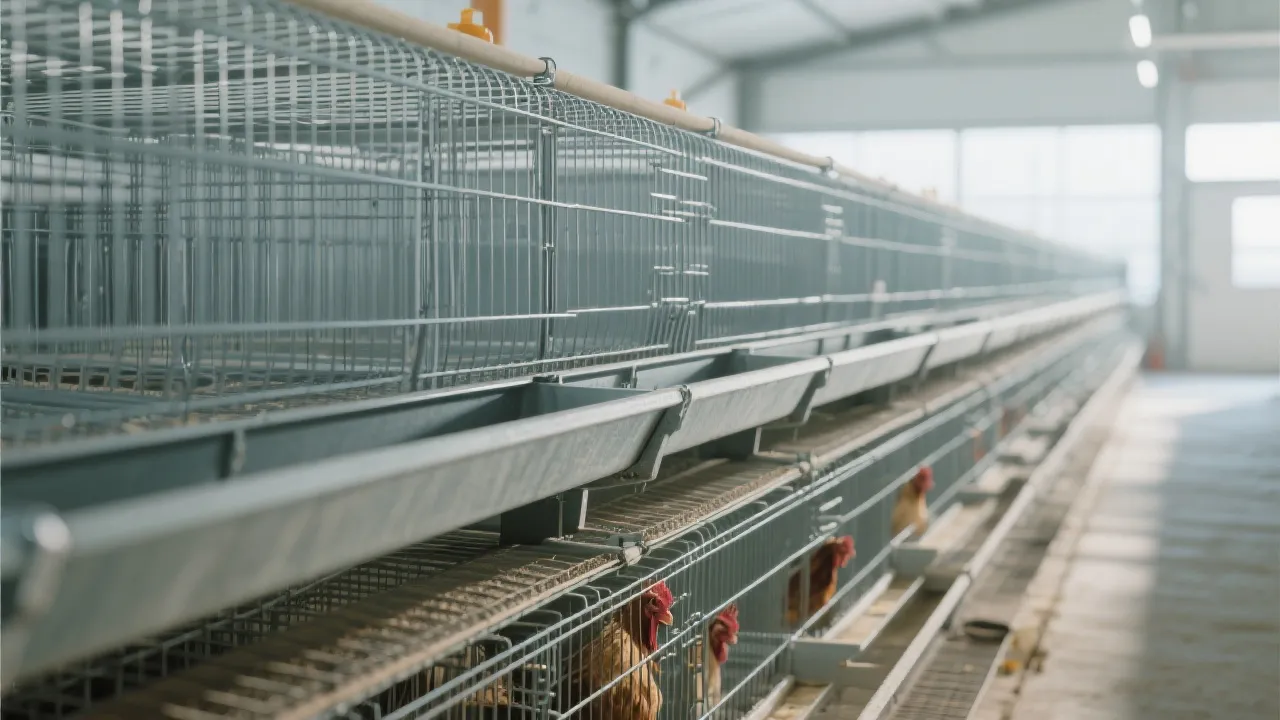
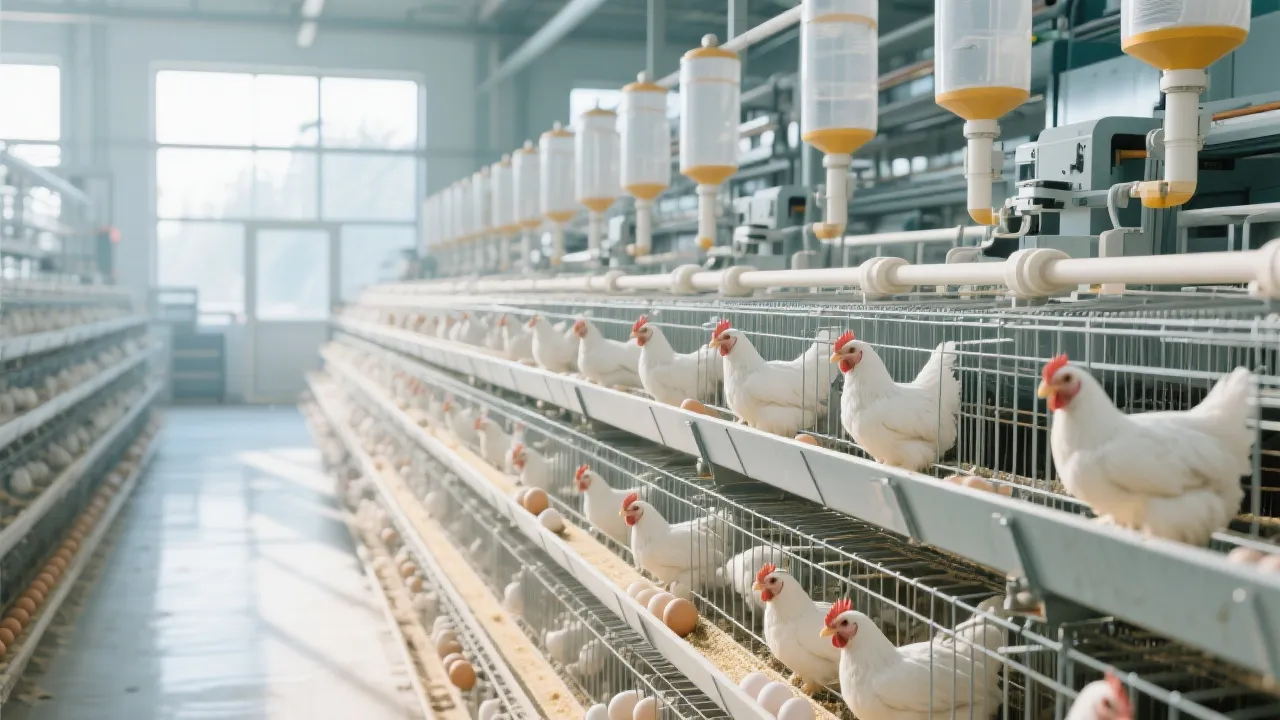
In commercial egg production, the best poultry equipment is the setup that keeps daily workflows stable: feeding, drinking, egg handling, manure removal, and environmental control must work as one integrated system. This page provides an industry-style comparison of five practical equipment solution configurations for 30,000+ bird layer farms, centered on an H-type layer chicken cage system and core automation modules.
The reference system is built around Livi Machinery (Zhengzhou Livi Machinery Manufacturing Co., Ltd.) and its High-efficiency H-type Layer Chicken Cage System, designed for approximately 5,000–30,000 birds and widely used as a scalable baseline for larger projects.
What to prioritize first (for long-term operating value)
1) Cage structure & capacity planning
Match the layer chicken cage layout to bird count, aisle widths, and future expansion—so feeding, inspection, and egg collection remain smooth.
2) Core automation modules
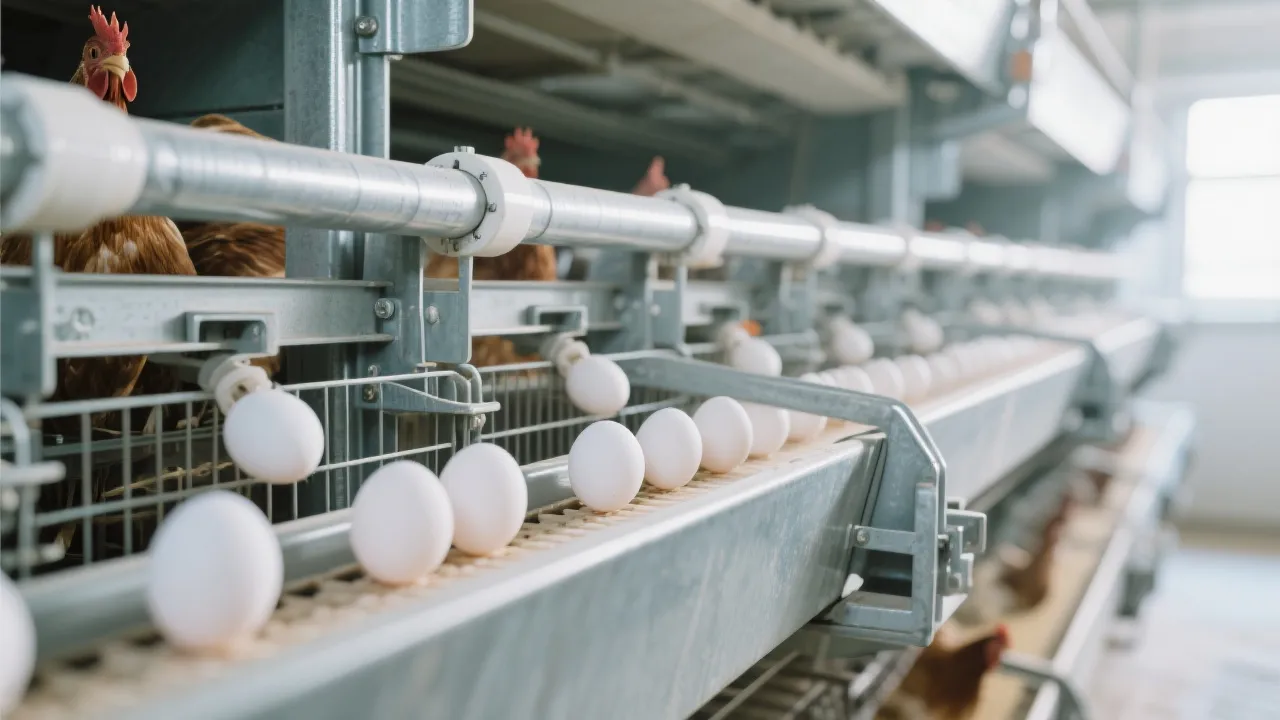
Start from automation that reduces repetitive work: automatic egg collection system and automatic manure removal system.
3) Durability & corrosion protection
In humid or high-ammonia environments, surface treatment and steel quality impact maintenance workload and replacement cycles.
4) Maintenance-friendly workflow
Choose layouts that make daily checks, cleaning, and parts replacement easy—especially for large houses and multi-row systems.
Top 5 poultry equipment solution configurations for 30,000+ bird layer farms
Below are five commonly selected solution “bundles”. They are presented to help you compare integration level, labor dependency, and operational stability. The H-type layer cage system is the structural baseline; automation modules are selected according to farm objectives and local conditions.
| Solution | Recommended for | Core modules (system view) | Selection notes |
|---|---|---|---|
| #1 Balanced automation
Most common baseline
|
Farms aiming for stable day-to-day management with moderate labor savings, without over-complicating the build. |
|
Prioritize compatibility between cage rows, conveyors, and manure belts/scrapers to avoid bottlenecks in peak collection periods. |
| #2 Labor-minimized line
Automation-first
|
Areas with high labor cost or limited skilled workers; farms that want fewer repetitive tasks and clearer SOPs. |
|
Ensure maintenance access points and spare parts plan; automation reduces manual work but increases the need for routine inspection. |
| #3 Limited-land optimization
Space efficiency
|
Commercial layer projects with constrained land where vertical space utilization and clean layout are critical. |
|
Space-saving designs demand precise planning of aisle width, equipment routing, and service access—confirm early in layout design. |
| #4 Durability-focused build
Corrosion-resilient
|
Hot/humid regions or farms prioritizing long service life and reduced corrosion-related repairs. |
|
For durability, specify surface treatment, fasteners, and wear parts together; the “weakest corrosion link” usually defines maintenance frequency. |
| #5 Integration-ready (EPC mindset)
From planning to delivery
|
Investors and operators who prefer a system/overall solution approach, where equipment selection follows a complete farm plan. |
|
Best when you need fewer interface risks between suppliers—ensure one consistent design logic from house layout to automation routing. |
Why H-type layer cage systems are often chosen as the core for large farms
Space-efficient housing for scaling
The H-type structure is designed to make better use of vertical space and simplify row organization—important when you grow beyond a single house or need consistent expansion logic.
Built for daily management tasks
A good large-farm cage layout supports routine feeding checks, cleaning, and egg handling with fewer workflow conflicts—especially when automation modules are added.
Automation compatibility
The system is commonly configured with automatic egg collection and automatic manure cleaning, which can reduce manual handling steps and improve operational rhythm.
Materials, surface treatment & compliance (what to verify in procurement)
- Steel grade: confirm the cage framework uses Q235 steel (as specified for the Livi Machinery reference system).
- Corrosion protection: verify hot-dip galvanizing and optional Al-Zn alloy coating requirements according to local humidity and manure management style.
- Service life expectations: the reference product introduction indicates 15–20 years under appropriate conditions; actual life depends on installation, environment, and maintenance practices.
- Quality management references: align documentation and inspection with ISO9001, ISO14001, and CE where applicable to your market and project requirements.
Implementation support: from planning to delivery
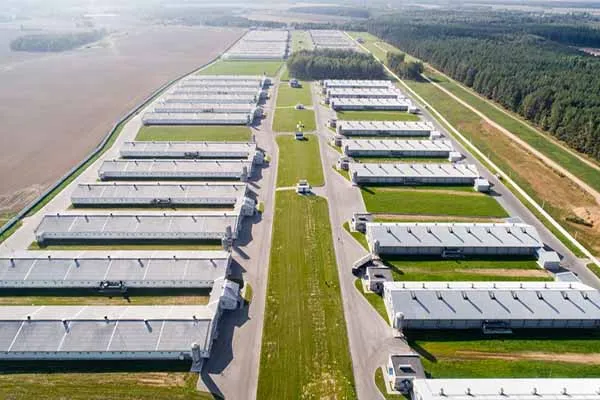
As a manufacturing-led solution provider, Zhengzhou Livi Machinery Manufacturing Co., Ltd. (Livi Machinery) supports commercial farms with equipment selection and system-level coordination. For projects that need an end-to-end approach, LIVI also offers a one-stop EPC-style service concept—often described as “give us the land, we deliver a farm”—covering planning through delivery based on project scope.
Pre-project checklist
- Target bird capacity and house sizing
- Workflow: egg route & manure removal route
- Local climate and ventilation/temperature targets
- Power/water availability and redundancy needs
Delivery & deployment options
- Direct shipment
- Local production (where available)
- Overseas warehouse supply
- Local distribution support
After-delivery focus
- Installation guidance and commissioning coordination
- Routine maintenance planning (belts, conveyors, wear parts)
- Operational training aligned to your SOP
Discuss your 30,000+ layer farm configuration
If you share your target capacity, chicken house dimensions, and preferred automation level, Livi Machinery can help map an equipment solution around the H-type layer cage system and key modules such as automatic egg collection and automatic manure removal, with a layout that supports efficient daily management.
For commercial projects, choosing “the best poultry equipment” usually means choosing the best-matched system—capacity planning, workflow compatibility, and durability details are what keep long-term operating value predictable.

Hot Products

.jpg?x-oss-process=image/resize,m_fill,h_800,w_800/format,webp)


Popular articles



READY TO START?
Ready to Build Your Poultry Farm?
Tell us your land size, poultry type and farming capacity. LIVI will provide a complete farm solution for your project.