


Stacked Aluzinc-Coated Layer Chicken Cages: Application Guide, Service Life Comparison, and Farm Selection Tips
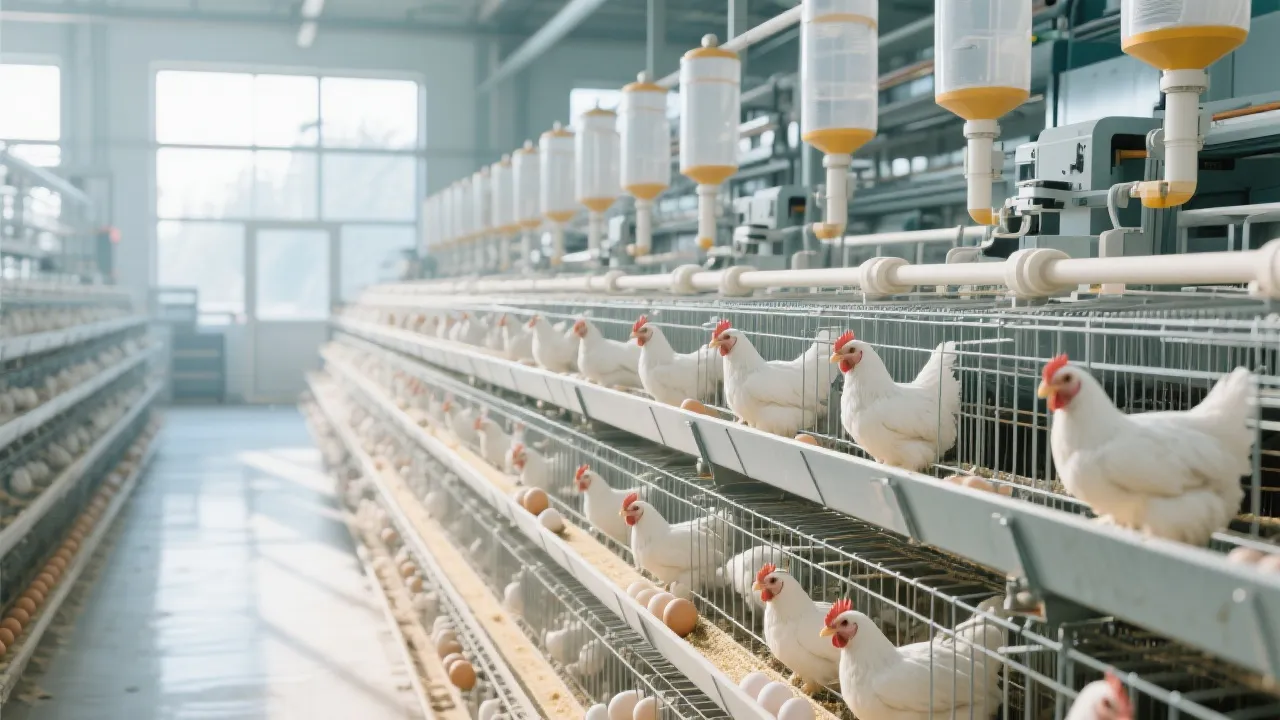
When Stacked Layer Poultry Cages Make Sense: A Practical Guide to Aluzinc-Coated Layer Hen Cage Selection for Export Farms
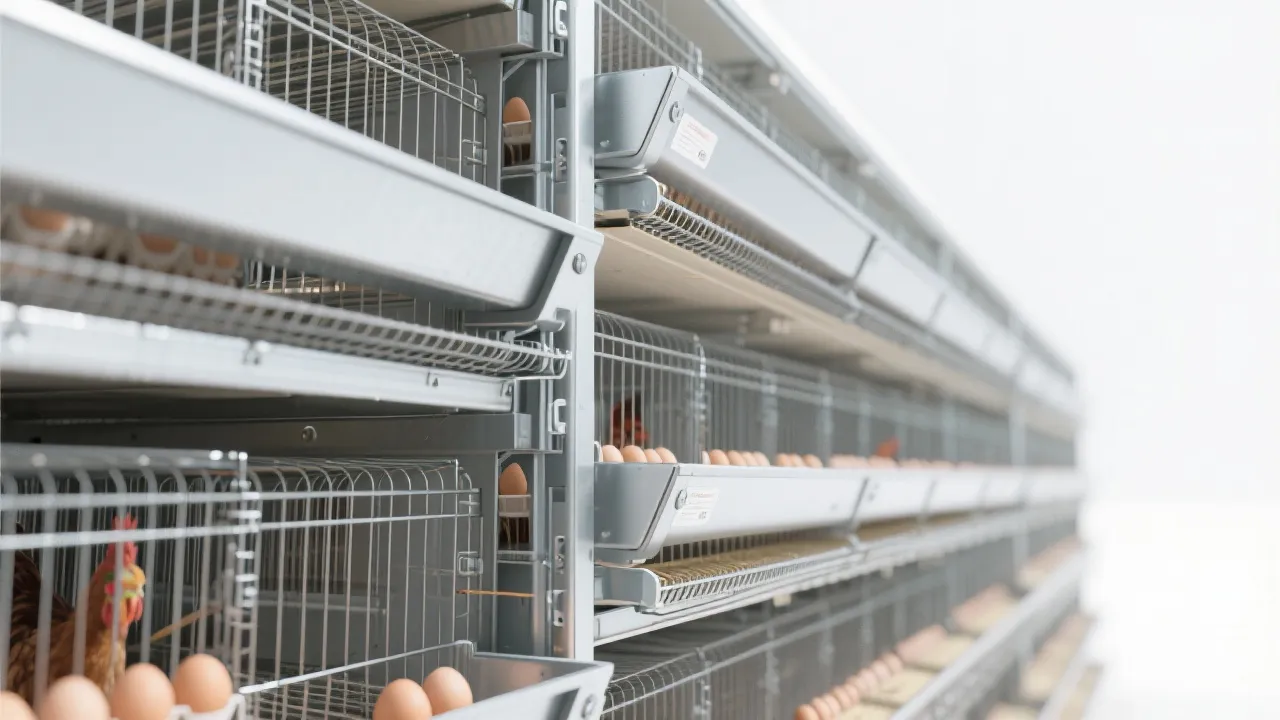
In modern egg production, the cage is no longer a “metal container”—it is a system that shapes airflow, manure handling, biosecurity routine, labor minutes per 10,000 birds, and the real cost of downtime. This article explains where stacked layer hen cages with aluminum-zinc alloy coating (Aluzinc) bring measurable value, how they compare with conventional galvanized finishes, and how farms from small family units to industrial operations can choose configuration without over- or under-investing.
1) Core Application Scenarios: Matching Cage Architecture to Farm Reality
Small farms (household & semi-commercial): control complexity first
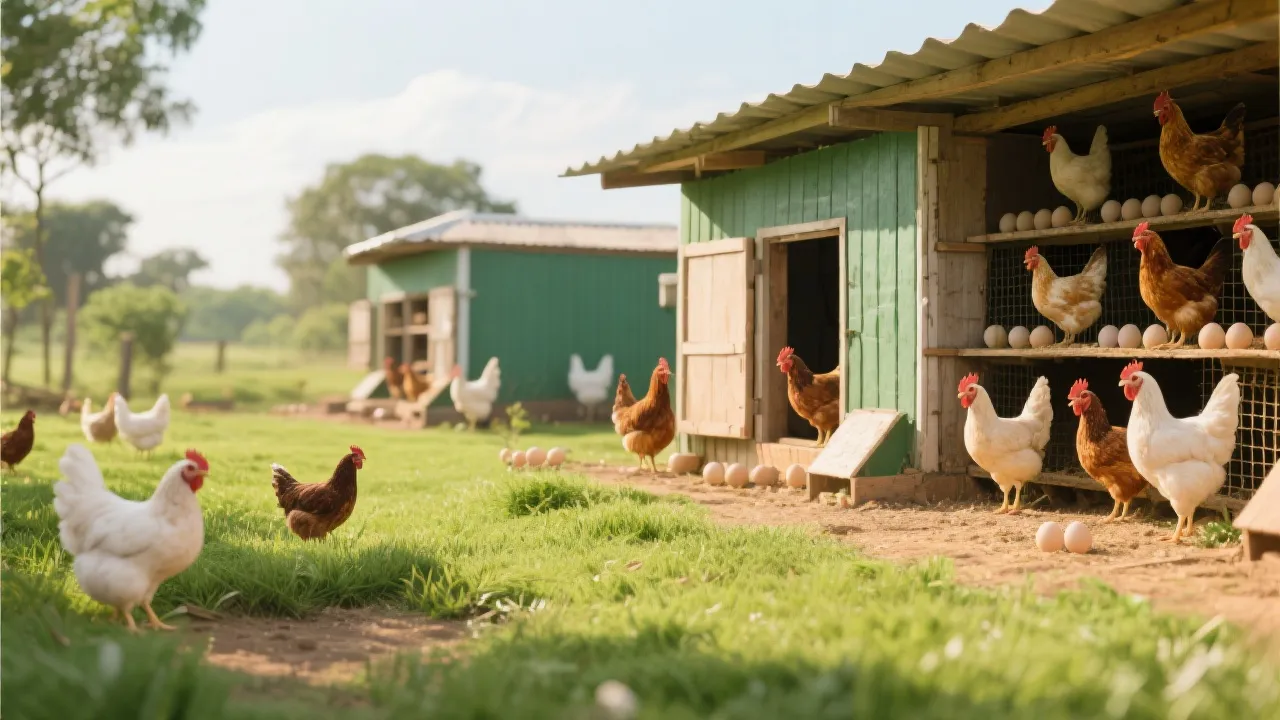
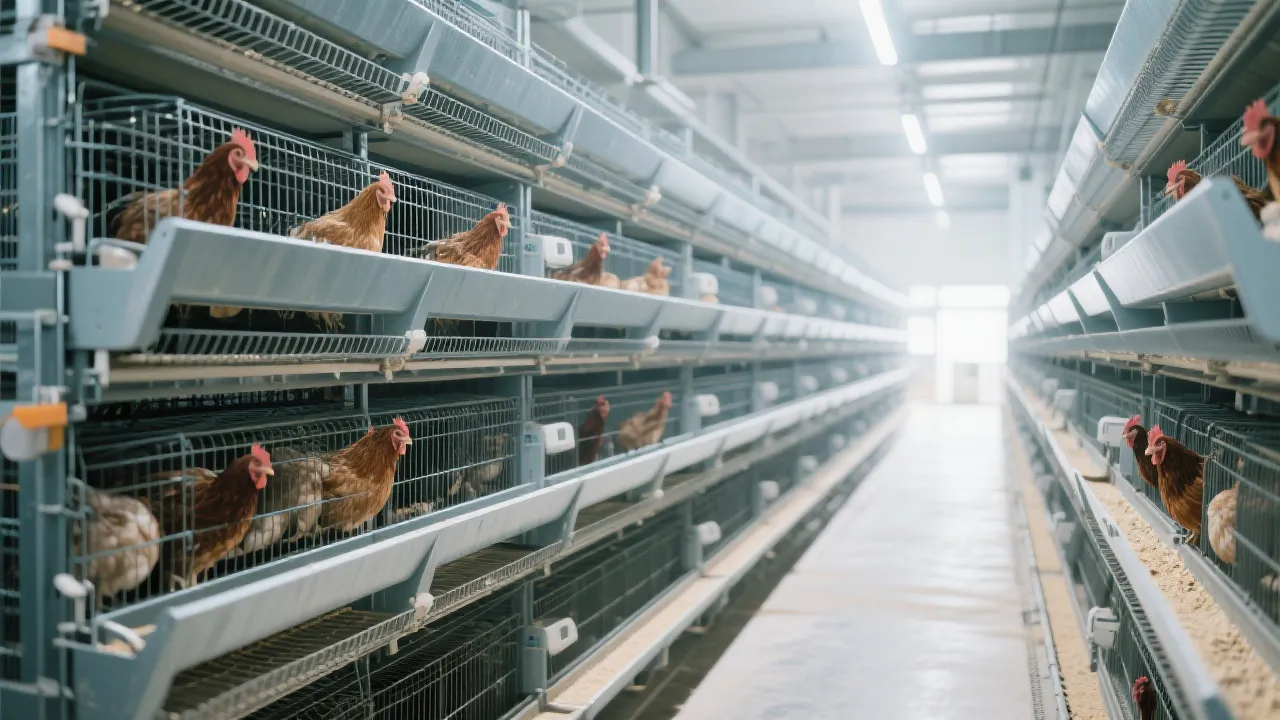
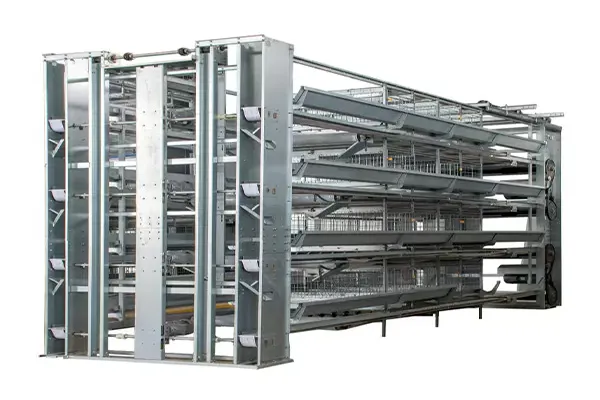
For flocks roughly in the 500–5,000 layers range, the bottleneck is often not maximum density—it’s stable management: consistent feeding, reliable water supply, simple cleaning, and quick fault detection. In these settings, a 2–3 tier stacked system can increase usable capacity per shed footprint while keeping inspection routines human-scale.
- Best-fit objective: raise capacity per m² without adding extra buildings.
- Typical priorities: corrosion resistance (cleaning frequency), easy replacement of nipples/cups, and straightforward egg collection.
- Common mistake: copying industrial tier counts without matching ventilation and manure strategy.
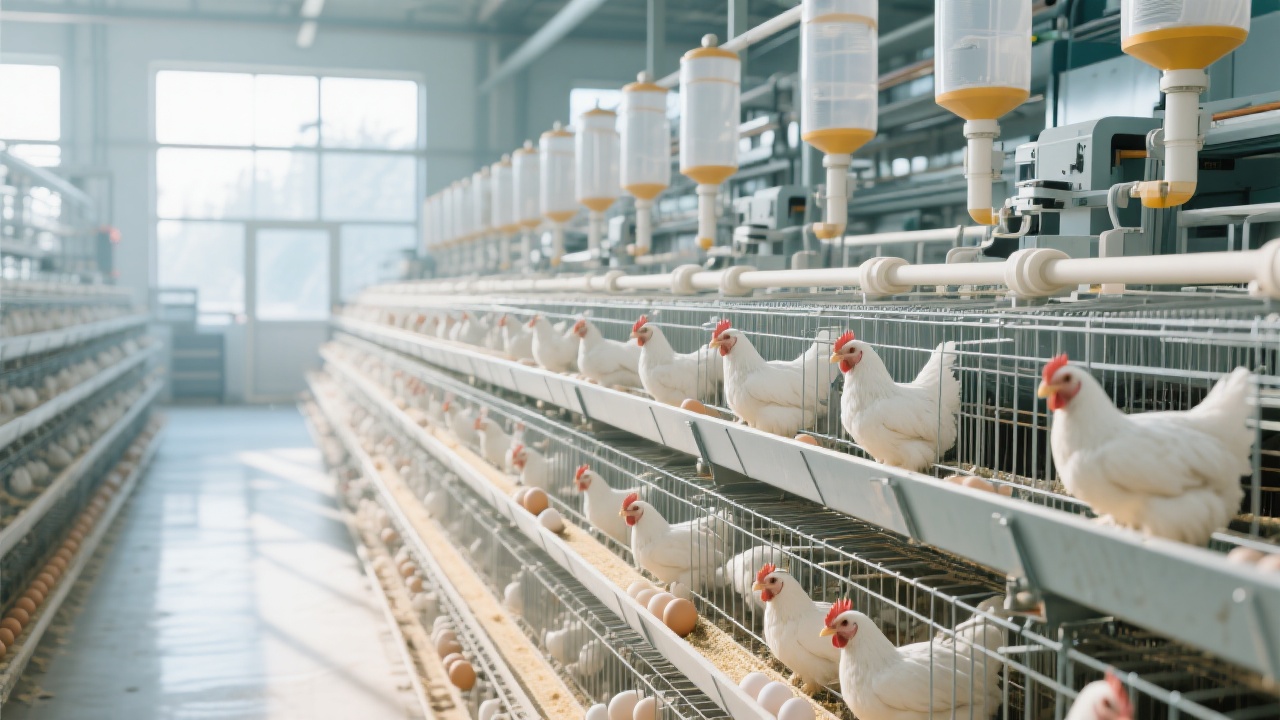
Medium to large farms: density is only profitable when the workflow is engineered
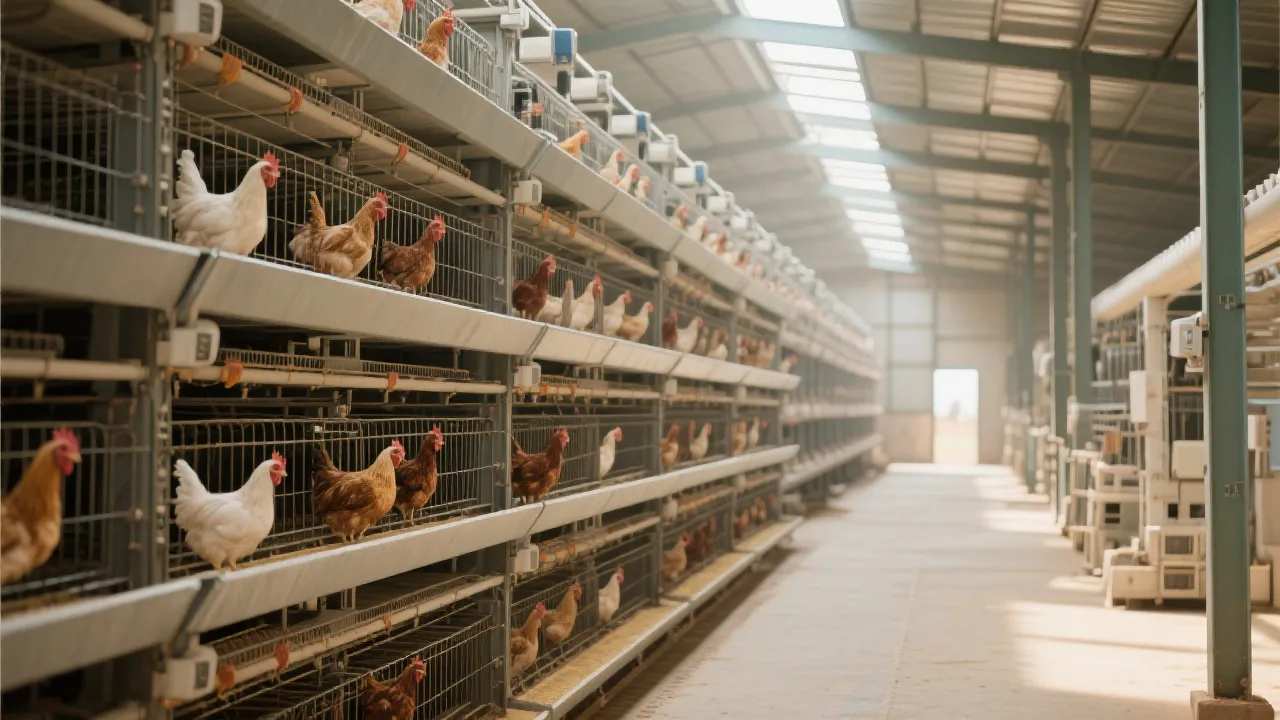
Once farms move into the 10,000–100,000+ layer scale, stacked cages become a method to standardize productivity—provided the full chain is designed: ventilation, manure removal schedule, lighting program, and biosecurity lanes. Export-oriented projects also face stricter requirements around documentation, component traceability, and consistent performance across houses.
In practical deployments, farms targeting stable output often evaluate performance in “operational minutes” as much as in bird count—e.g., reducing routine labor by 15–30% by aligning cage rows, aisle width, and centralized feeding/watering layout (actual results depend on house design and automation level).
2) Material & Durability: Aluzinc vs. Conventional Galvanizing (What Buyers Really Pay For)
In egg houses, corrosion is not theoretical. High humidity, ammonia from manure, routine washing, and disinfectants accelerate coating breakdown. Aluminum-zinc alloy coatings are widely used in harsh environments because the aluminum barrier protection plus zinc sacrificial protection can slow down red rust formation compared with ordinary zinc-only coatings—especially at cut edges and micro-scratches.
Reference note (industry practice): Many poultry equipment specifications align with recognized coating/steel quality controls and performance targets that appear in national and international standards systems (e.g., Chinese GB/T standards for metal coatings and steel quality verification, alongside supplier inspection reports). For procurement, buyers typically request coating thickness, adhesion, salt spray reference tests, and batch traceability as part of acceptance criteria.
Service life comparison table (typical poultry house conditions)
| Item | Aluzinc-coated stacked cage | Conventional galvanized cage |
|---|---|---|
| Corrosion resistance (ammonia & humidity) | Typically stronger barrier + sacrificial protection; slower red rust onset | Adequate in mild conditions; faster degradation in aggressive cleaning routines |
| Expected effective service life (reference range) | 12–20 years (house climate, manure handling, and wash-down frequency dependent) | 6–12 years under comparable stress conditions |
| Maintenance sensitivity | More forgiving of micro-scratches; still requires proper cleaning chemistry | More sensitive to frequent high-alkaline cleaning and standing moisture |
| Best-fit buyer intent | Long-cycle farms prioritizing uptime and predictable replacement planning | Budget-led projects or low-humidity regions with lighter sanitation cycles |
Data are practical reference ranges based on common poultry house environments and typical procurement specs; actual lifespan depends on coating weight, ventilation, manure moisture, water leakage control, and cleaning agents.
3) Installation & Upkeep: Where Performance Is Won (or Lost)
Buyers often compare coatings and wire thickness, but the most expensive failures are operational: uneven floors, wrong slope for drainage, inconsistent water pressure, or cramped aisles that slow daily inspection. A stacked cage system should be treated like a repeatable process line.
Installation checkpoints that reduce hidden costs
- Level & alignment: keep frames square to prevent feeder binding and uneven egg roll-out.
- Ventilation compatibility: higher tiers amplify heat and moisture stratification; plan fan capacity and air inlets accordingly.
- Water reliability: stable pressure and filtration reduce nipple leakage—one of the fastest ways to increase ammonia and corrosion.
- Manure routine: define removal frequency (daily/weekly) and ensure the system matches local labor and equipment reality.

Maintenance logic that prolongs coating life
Even premium coatings can be shortened by harsh chemicals or constant wetness. In practice, export farms that hit long service cycles tend to follow three habits:
- Dry-first cleaning: remove manure dry where possible before wash-down to reduce alkaline exposure time.
- Controlled chemistry: avoid overly aggressive caustic solutions; rinse thoroughly and allow drying.
- Leak discipline: treat water line leaks as “corrosion accelerators,” not minor defects.
4) Suitability by Production Stage: Don’t Overbuild the First Cycle
Layer projects rarely fail because of one wrong part; they fail because the system doesn’t match the farm’s stage. A rational selection approach considers current staffing, management maturity, and expansion plan.
Start-up / first house
Choose reliable essentials: stable structure, easy access, and corrosion-resilient surfaces. Keep automation at a level your team can troubleshoot without delays.
Growth / replication stage
Standardize house layout and spare parts. At this point, a higher-durability coating helps keep performance consistent across multiple cycles.
Mature / export compliance
Prioritize documentation, traceability, predictable maintenance windows, and system-level design (ventilation + manure + workflow) to protect uptime.
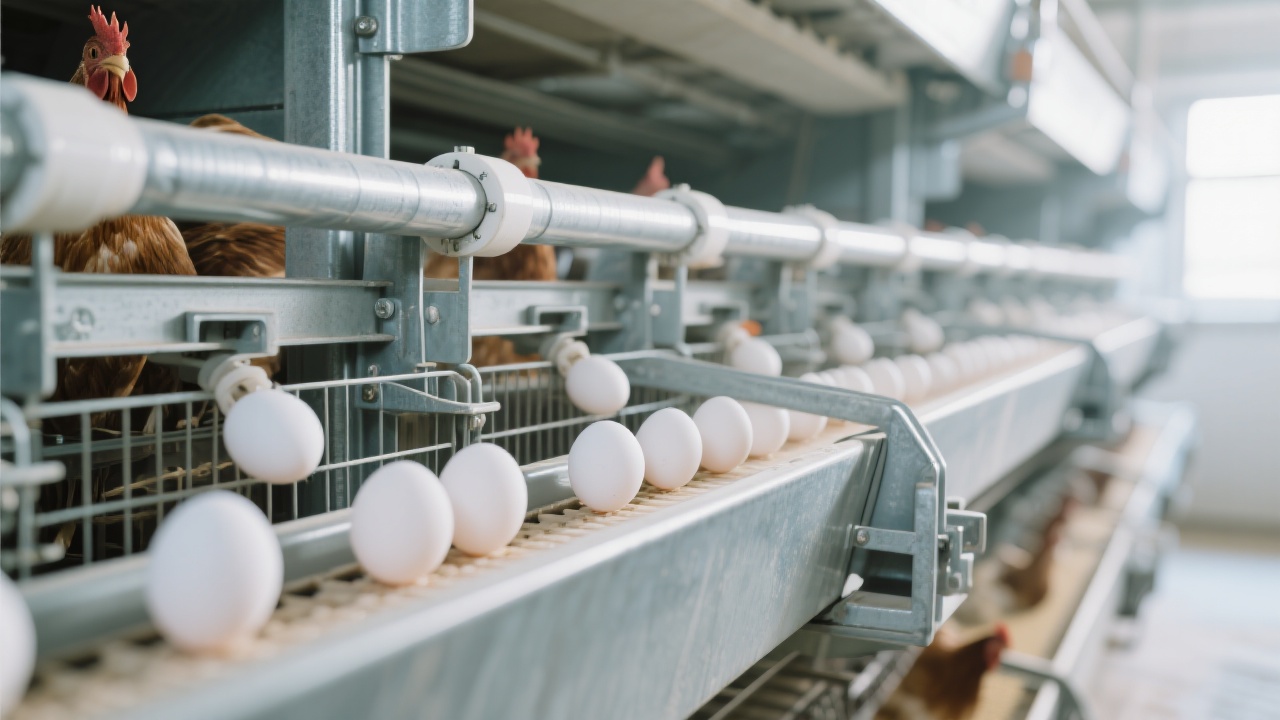
5) A Practical Selection Checklist (Buyers Use This Before Sending an RFQ)
The following checklist helps buyers connect cage specs to farm outcomes—space utilization, flock health stability, and maintenance predictability:
Suppliers that support serious projects typically provide not only equipment, but also layout suggestions and acceptance criteria. For buyers comparing offers, this is often where the difference between “same-looking cages” becomes visible.
Get a Farm-Matched Selection Plan (Tier Count, Layout, Coating, and Workflow)
Zhengzhou Livi Machinery Manufacturing Co., Ltd. supports export farms and integrators with practical configuration guidance for Aluzinc-coated stacked layer hen cages—based on house dimensions, target capacity, climate, and manure strategy.
Useful for RFQ preparation, exporter documentation, and multi-house replication planning.



Hot Products

.jpg?x-oss-process=image/resize,m_fill,h_800,w_800/format,webp)


Popular articles




READY TO START?
Ready to Build Your Poultry Farm?
Tell us your land size, poultry type and farming capacity. LIVI will provide a complete farm solution for your project.