


Stacked Al-Zn Alloy Coated Layer Hen Cages: Application Insights and Export Farm Selection Guide
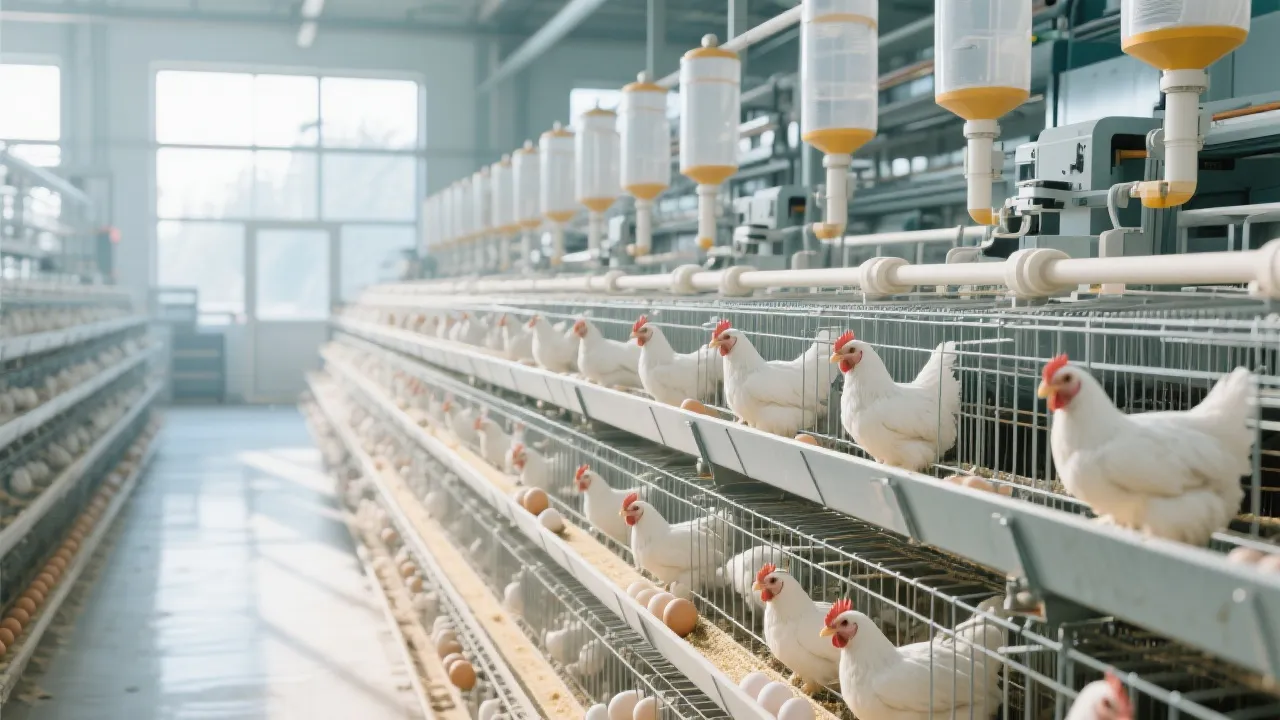
Stacked Al-Zn Alloy Coated Layer Chicken Cages: Practical Selection Logic for Export Farms
In modern egg production, cage choice is no longer just “how many birds fit.” It directly influences corrosion risk, cleaning workload, flock health stability, manure handling compatibility, and the true payback period of a house upgrade. For many export-oriented farms, the decision often narrows to two mainstream finishes: standard galvanized versus Al-Zn alloy coated (commonly known as aluminum-zinc alloy coating).
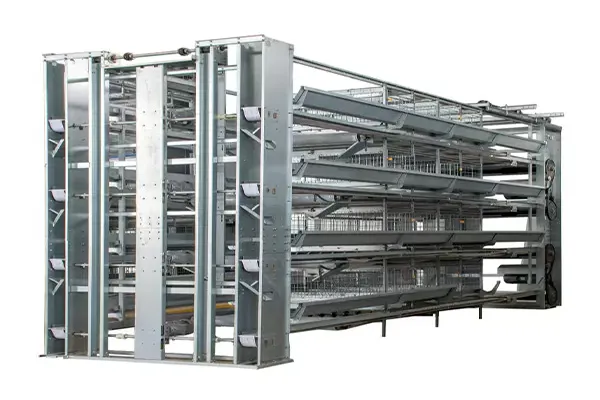
This guide explains where stacked (tiered) Al-Zn alloy coated layer chicken cages fit best—from small family units to fully standardized commercial houses—using realistic performance benchmarks and selection checklists used by equipment engineers and farm managers.
Why “Stacked” Cages Became the Default in Space-Constrained Egg Production
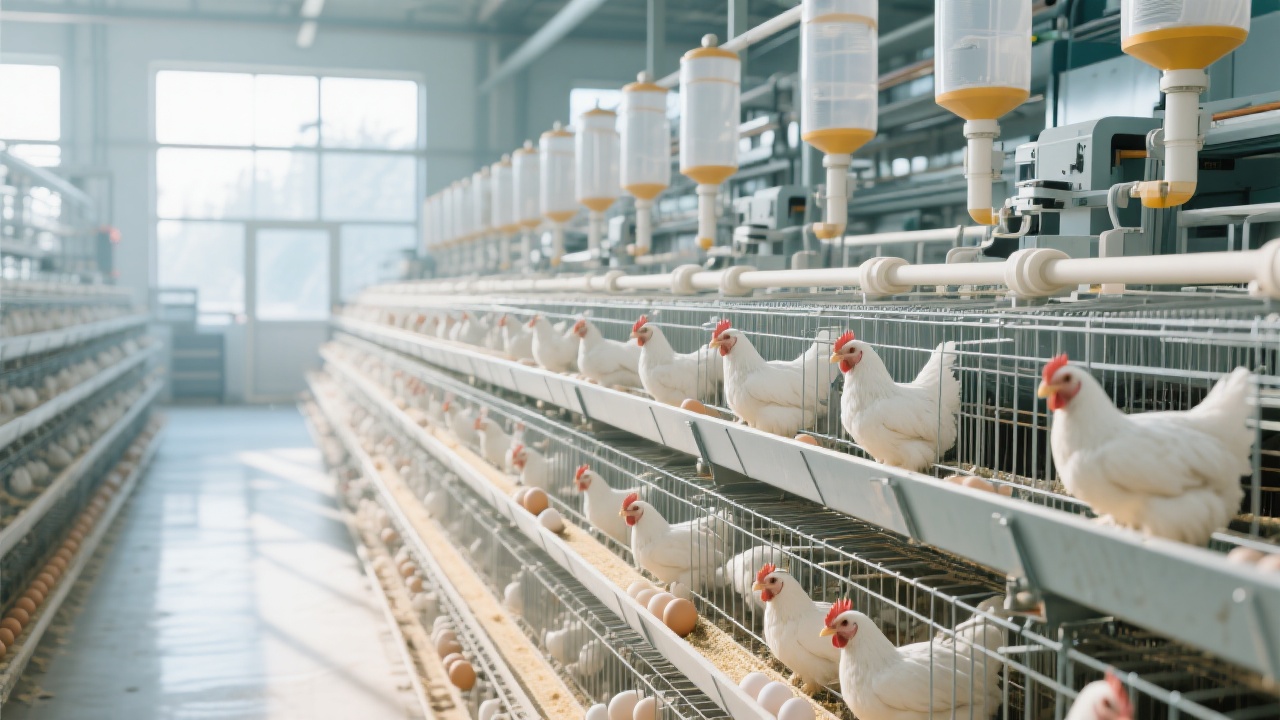
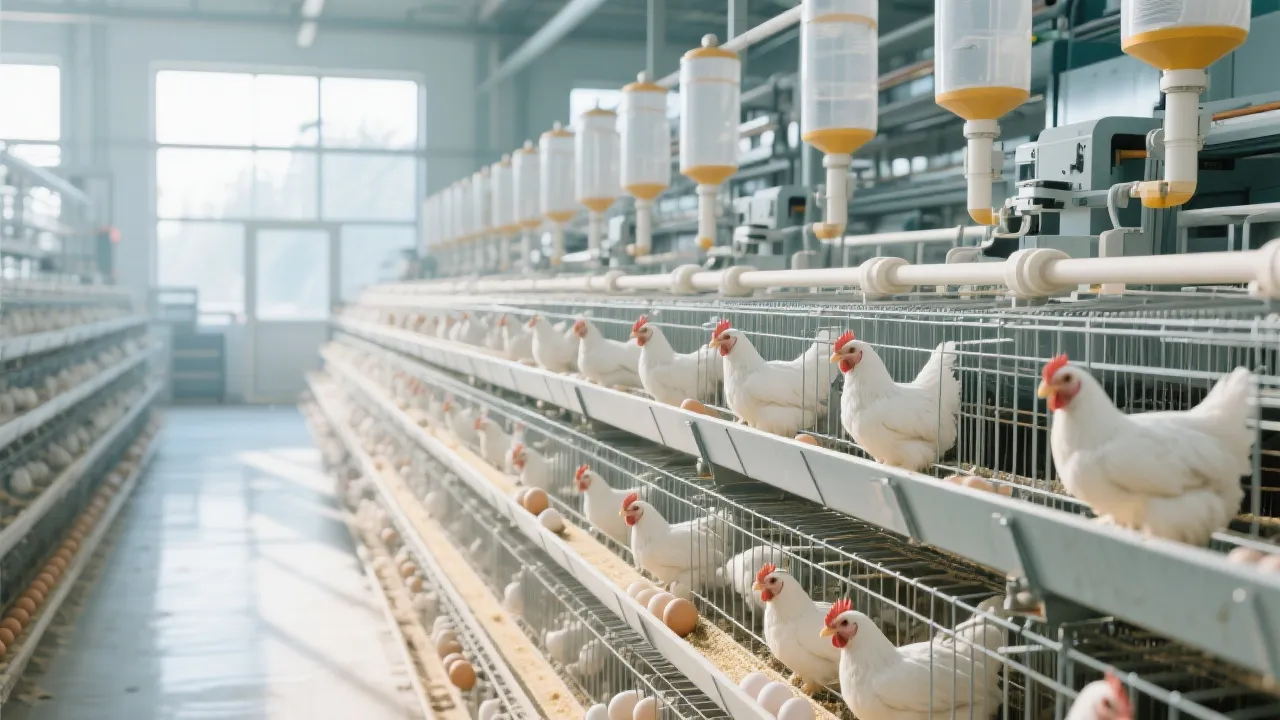
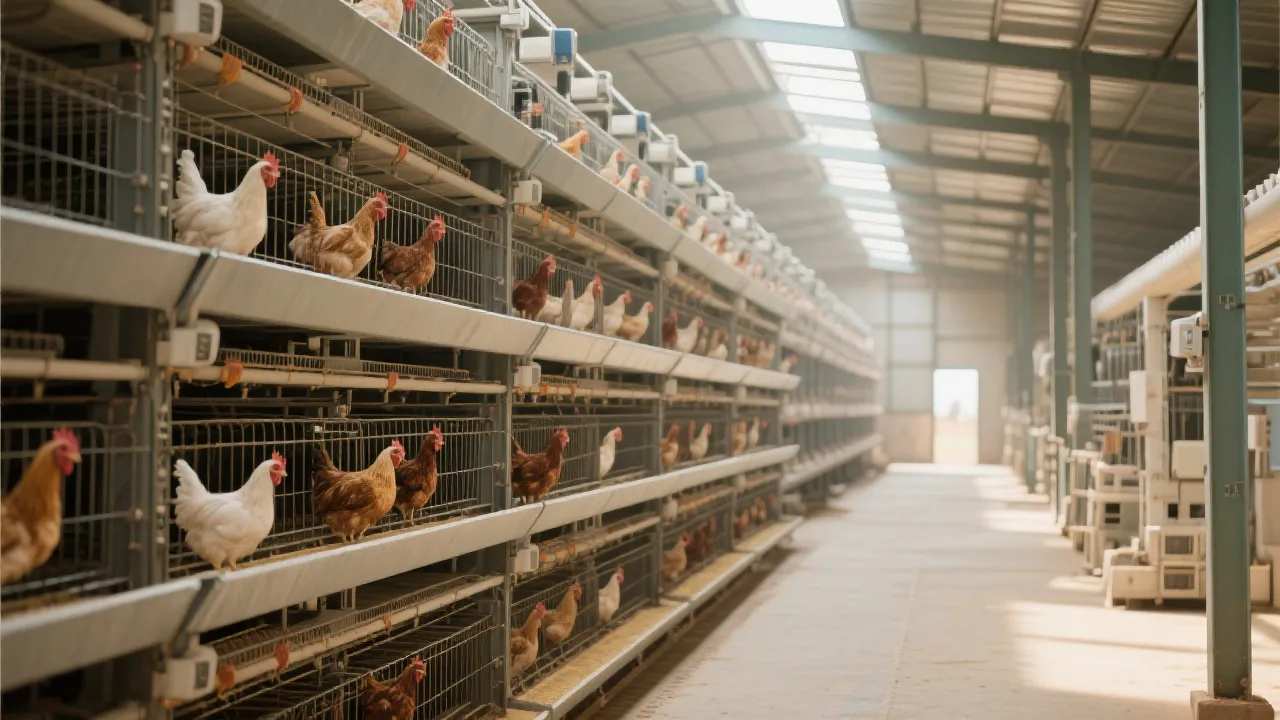
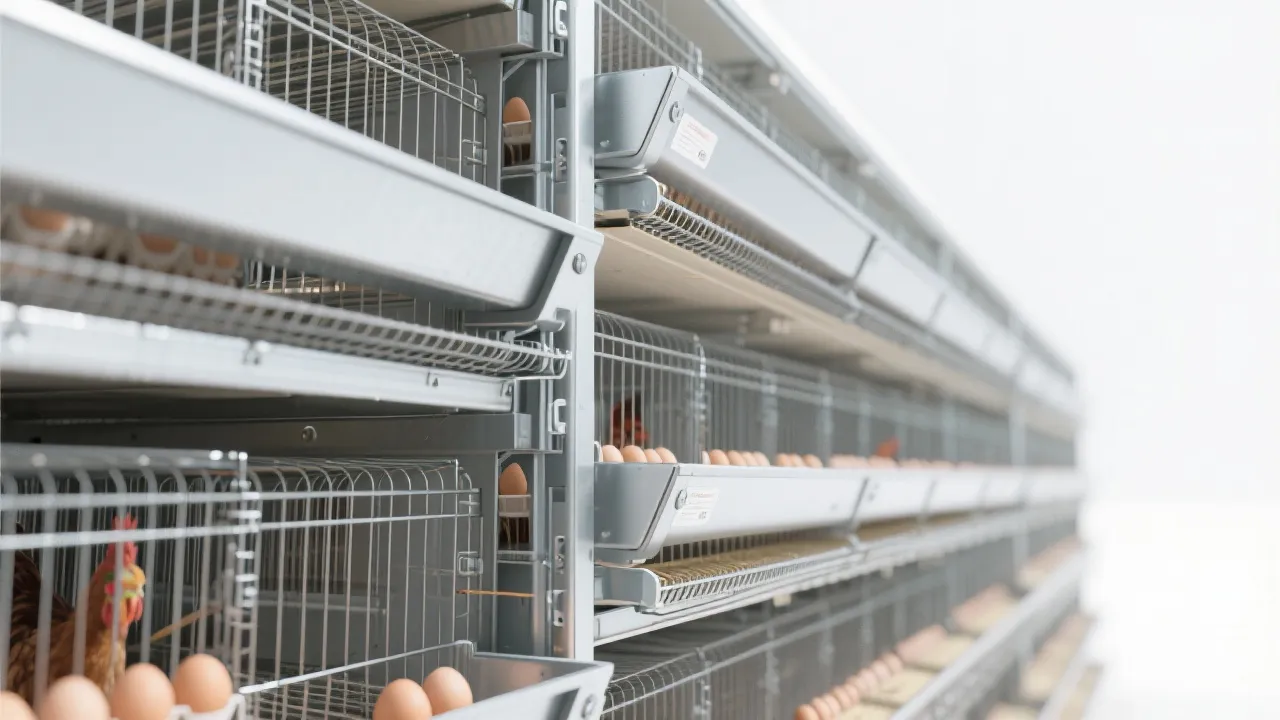
Tiered cage systems raise stocking capacity per square meter while keeping daily operations predictable. Compared with floor systems, stacked cages typically deliver: more uniform egg collection, cleaner egg surfaces, more stable feed conversion, and a clearer workflow for vaccination and inspection. The trade-off is that the equipment must withstand continuous moisture, ammonia, and wash-down cycles—especially in humid climates or houses with deep manure belts.
That is why coating selection matters. Under frequent cleaning, surface protection becomes the “silent cost driver”: corrosion increases wire breakage risk, creates rough edges (bird welfare), and raises replacement frequency.
Authority Note (for decision-makers and tender teams)
Industry compliance reminder: In China’s livestock equipment context, commonly referenced guidance includes GB/T-related requirements on metal products, corrosion behavior, and mechanical safety for husbandry facilities. In export projects, buyers often add their own acceptance criteria (wire diameter tolerance, coating integrity, weld quality, and edge safety).
Practical takeaway: request material certificates, coating process description, weld inspection evidence, and field photos from similar climate regions before finalizing the cage finish.
Al-Zn Alloy Coating vs Standard Galvanized: What Durability Looks Like in Real Farms
Both finishes aim to protect steel wire and frames, but they behave differently when exposed to ammonia, condensation, salty air (coastal), and detergent cleaning. Standard galvanized systems can perform well in dry, well-ventilated houses, yet many farms discover that the “lab life” and “barn life” are not the same when moisture is persistent.
| Comparison Item | Al-Zn Alloy Coated (Layer Cage Wire/Frames) | Standard Galvanized |
|---|---|---|
| Typical service life in moderate humidity houses (reference) | 12–20 years (depends on ventilation, manure removal, cleaning routine) | 6–10 years under similar management |
| High-ammonia / frequent wash-down environments | Better tolerance; slower red-rust development when coating integrity is maintained | Higher risk of early corrosion at welds, cut edges, and constant-wet zones |
| Maintenance workload trend over time | Lower unplanned replacements; fewer sharp corrosion points | More frequent spot repairs and component replacement after mid-life |
| Best-fit farms | Humid/coastal regions, export houses needing long amortization cycles, automation upgrades | Budget-sensitive projects with dry climate + strong ventilation discipline |
Reference ranges are based on common commercial farm observations and typical corrosion drivers (humidity, ammonia, wash frequency). Actual life depends on management and installation quality.
Scenario Matching: Family Farms vs Standardized Large Egg Houses
1) Small family farms (e.g., 2,000–20,000 layers)
The most common constraint is not cage design—it is management time. If the farm relies on 1–3 people, any corrosion-driven repair (wire breakage, door deformation, rough edges) becomes a hidden labor tax. In these farms, stacked cages offer a clean workflow, but only if the configuration is right:
- Choose a tier count that still allows comfortable inspection and bird handling without excessive ladder use.
- Prioritize simple egg collection and feed access to reduce daily friction.
- Upgrade the finish when the house is in a humid zone or cleaning water is used heavily—this is where Al-Zn alloy coating tends to pay back faster.

2) Medium-to-large standardized farms (e.g., 30,000–200,000+ layers)
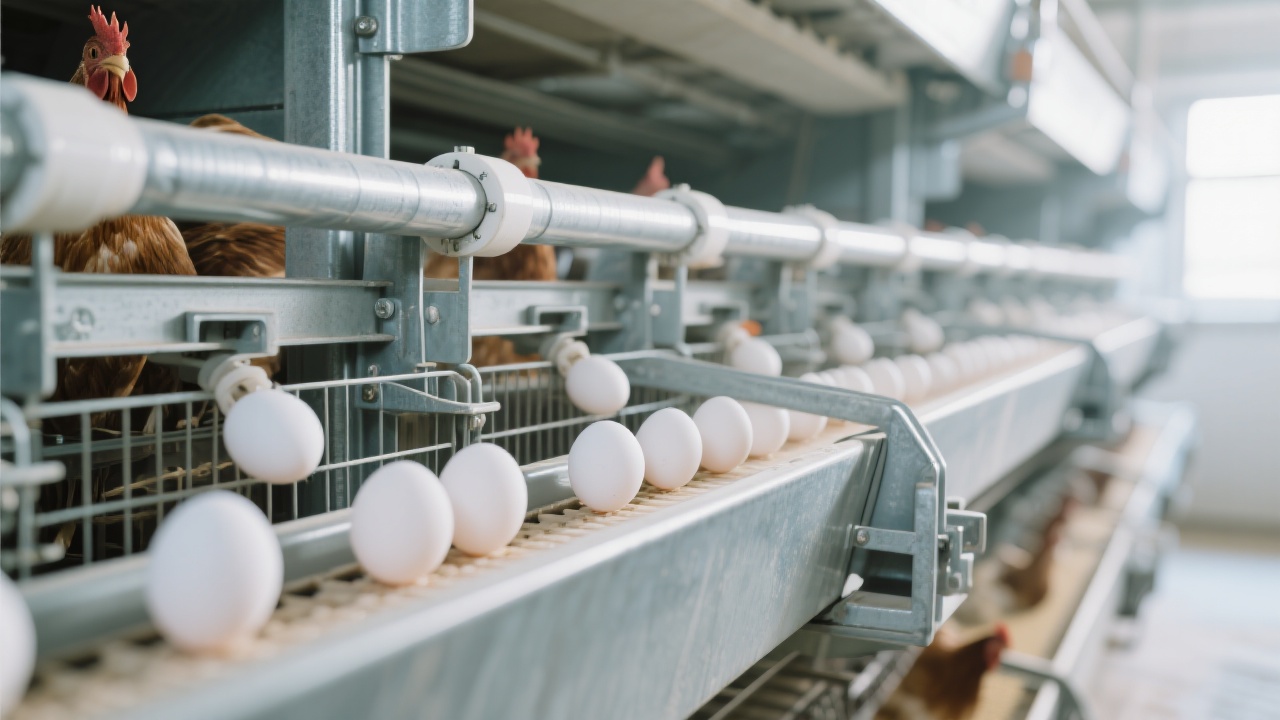
In larger projects, tiered cage systems are usually evaluated together with automation compatibility—egg belts, manure removal belts/scrapers, centralized feeding, and nipple drinking lines. Here, durability is not only about “years”; it is about keeping the production plan stable. A replacement shutdown in peak lay can cost more than the cage component itself.
For export farms, buyers often ask for a finish that supports a longer depreciation window (commonly 10–15 years). In many humid or coastal markets, Al-Zn alloy coated cages become the safer engineering choice—especially when the project includes strong wash-down protocols and strict biosecurity.
Installation & Maintenance Points That Actually Extend Cage Life
Coating quality is only half the story. In field audits, early corrosion and cage deformation are frequently linked to installation and daily water management rather than the coating label. Export farm managers typically focus on these practical controls:
- Ventilation and condensation control: persistent roof dripping onto cage tops accelerates corrosion at joints and clips.
- Correct drinker height & pressure: continuous micro-leaks create wet “corrosion lanes” along tiers.
- Cut-edge protection: any on-site cutting should be minimized; if unavoidable, treat exposed edges as a standard procedure.
- Manure removal discipline: the longer manure stays under cages, the higher the ammonia load—this is a major life-shortener.
- Cleaning chemicals: avoid overly aggressive or mismatched detergents; rinse thoroughly to prevent residue-driven corrosion.
Note: Always align cleaning SOPs with the cage supplier’s finish recommendation and your local veterinary/biosecurity rules.
Fit by Production Stage: Where Tiered Al-Zn Cages Make the Most Sense
In many projects, farms upgrade equipment in stages: starting with basic housing, then adding manure belts, then egg belts, then full-line automation. Al-Zn alloy coated stacked cages generally align best with farms that plan to:
- Operate through multiple flock cycles with minimal structural replacement.
- Implement consistent wet cleaning/biosecurity routines without accelerating rust.
- Increase stocking density while protecting bird contact surfaces (wire smoothness over time).
- Build a reputation for stable egg quality and predictable shipments in export markets.
Decision Checklist (Export Buyer-Friendly)
This quick checklist helps procurement teams and farm owners avoid “looks good in photos” mistakes and align cage specs with house realities:
A) House & climate
- Is average RH often above 70%? Any coastal salt air exposure?
- Any condensation points above cages (roof dripping, cooling pads, fogging)?
B) Operations & hygiene
- How often is wet cleaning performed per cycle?
- What manure removal system is used (belt/scraper/pit) and how frequent?
C) Technical acceptance
- Can the supplier provide wire diameter, tensile benchmarks, and coating process documentation?
- Are weld points smooth and protected? Are cut edges minimized?
- Is there a clear installation manual and commissioning checklist?
D) Expansion plan
- Will egg belts/manure belts be added later? Is the cage structure compatible?
- Is the farm targeting a 10–15 year asset life window?
A Practical Service Entry for Buyers Who Need the “Right Spec,” Not Just a Quote
Most specification errors happen at the interface between house design and daily management reality: tier height vs inspection habit, drinker line stability, manure removal frequency, and climate humidity. Zhengzhou Livi Machinery Manufacturing Co., Ltd. typically starts by mapping those parameters, then recommends a cage configuration and finish that matches the farm’s operating rhythm and export expectations.
Typical inputs: house dimensions, target bird count, climate notes, manure/egg handling preference, and cleaning SOP.


Hot Products

.jpg?x-oss-process=image/resize,m_fill,h_800,w_800/format,webp)


Popular articles




READY TO START?
Ready to Build Your Poultry Farm?
Tell us your land size, poultry type and farming capacity. LIVI will provide a complete farm solution for your project.