


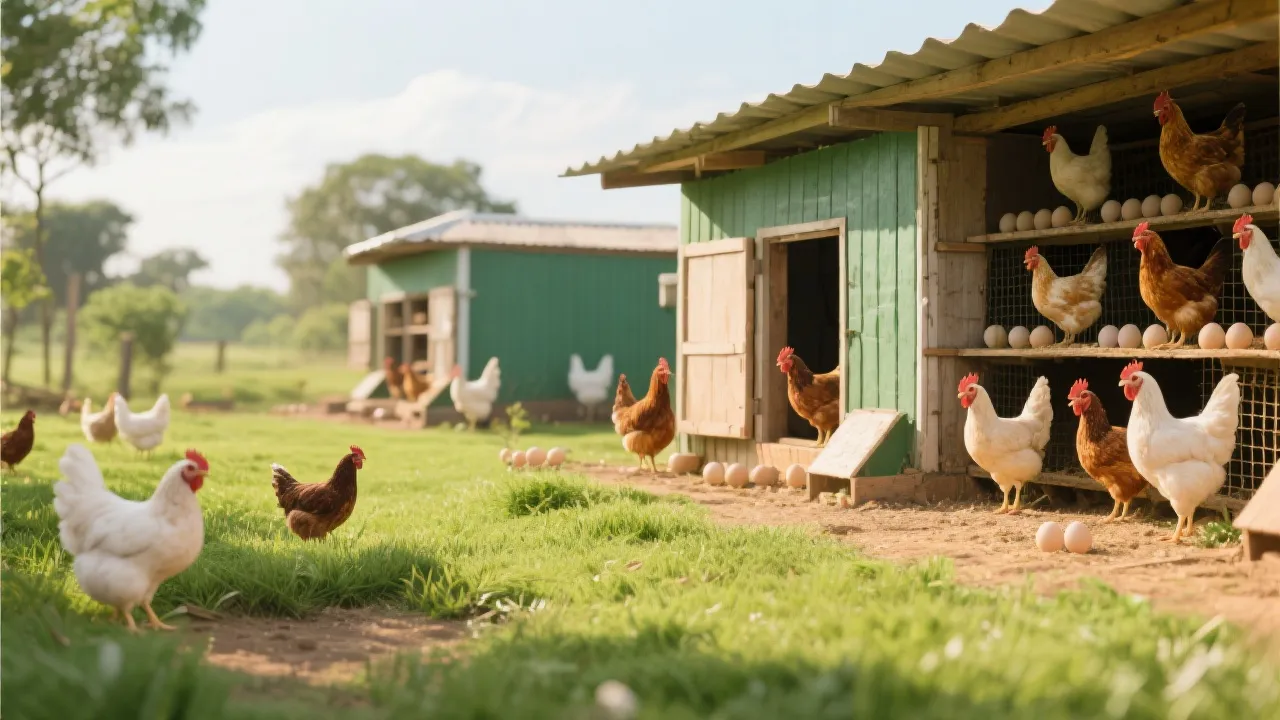
Why Ventilation Dead Zones Are Hurting Your Layer Chicken Productivity
In the poultry business, you know that healthy hens lay more eggs — but did you know poor airflow in your coop can silently reduce egg production by up to 12–15%? Many farmers overlook this hidden killer: ventilation dead zones.
The Real Problem: Air Doesn’t Move Where It Should
When air gets stuck — especially in corners or behind stacked cages — ammonia builds up, humidity spikes, and temperatures swing wildly. This isn't just uncomfortable for chickens; it triggers respiratory issues like chronic bronchitis and drops feed intake. In one case from a farm in Zhengzhou, after fixing dead zones, their hens' daily egg output jumped from 78% to 86% within 4 weeks.
Here’s what causes these pockets of still air:
- Improper cage spacing (less than 30 cm between layers)
- Noisy fans placed too far from key areas
- Flat cage designs that block airflow paths
How H-Type Cage Design Solves It Naturally
The solution? Think differently about cage structure. Traditional flat cages trap air like a lid on a pot. But our H-type layer cages use smart engineering:
| Feature | Benefit |
|---|---|
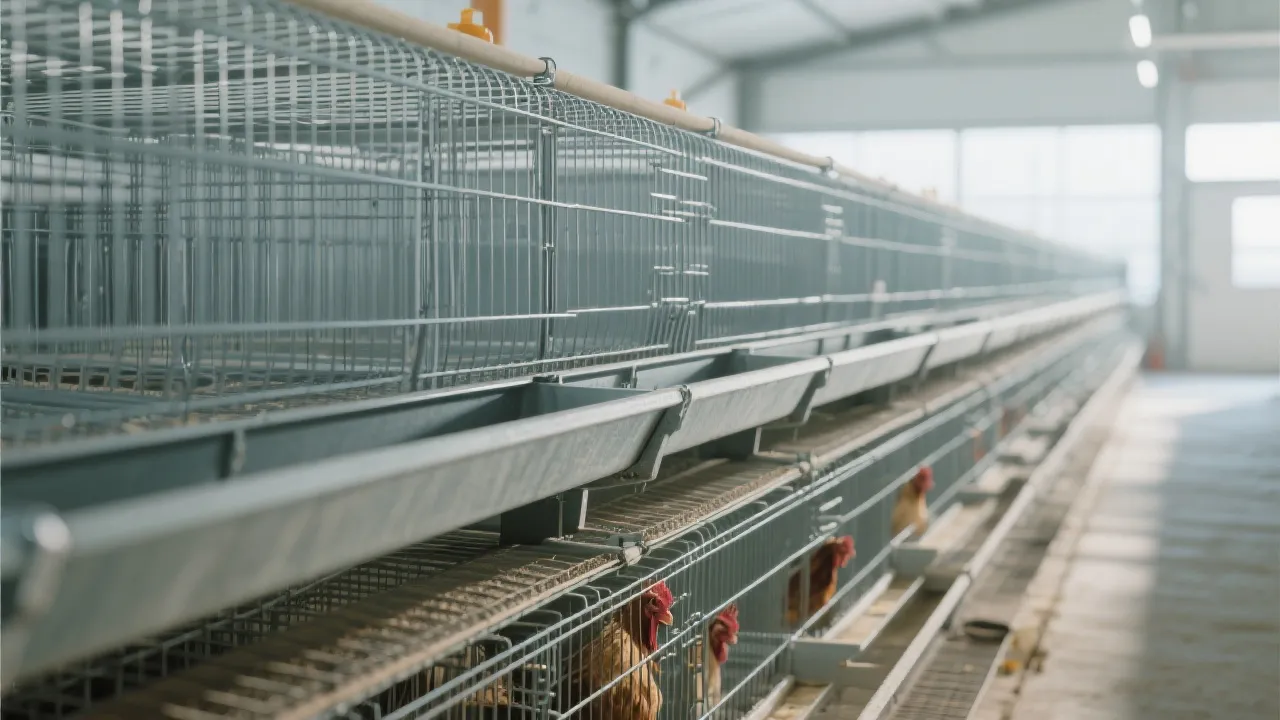
| Grid pattern with 12mm holes per row | Allows natural wind pressure to pass through vertically |
| Optimized 45cm gap between layers | Creates upward convection current — no stagnant air! |
| Open frame design | Reduces hot spots even under direct sunlight |
It’s not magic — it’s physics. When wind hits the top of the cage, it flows down through the mesh and out via the bottom. That’s how we get consistent air movement across all levels — no dead zones.
Actionable Steps You Can Start Today
- Install exhaust fans at both ends — not just one side. This creates balanced pressure (like blowing into a straw from both ends).
- Space cages 45cm apart — yes, even if it feels “tight.” More airflow = fewer sick birds.
- Add smart sensors — monitor CO₂, NH₃, temp/humidity every hour. If levels spike, alert system kicks in automatically.
A farmer in Kenya used this approach and saw a 20% drop in chick mortality over three months. His feed conversion ratio improved from 2.1 to 1.8 — meaning less feed needed per kg of eggs. That’s real money saved.
These aren’t just tips — they’re proven steps based on hundreds of farms worldwide. Whether you run small-scale or large commercial operations, the principles stay the same: move air, control gases, keep chickens comfortable.
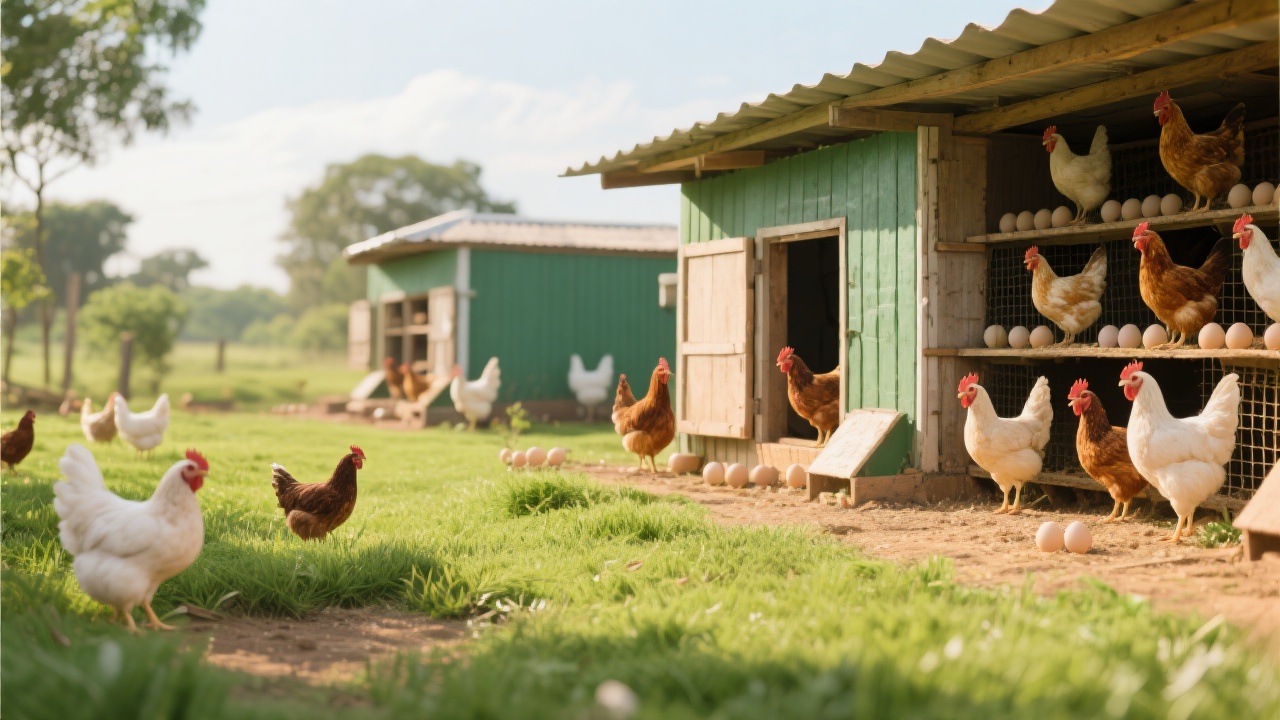
Still unsure where to start? Let’s talk. Share your farm setup in the comments below — I’ll send you 3 tailored solutions based on similar cases from other regions.
You’re not alone in this. Every successful breeder has faced the same challenge — and solved it step by step.
Get Your Free Ventilation Audit Checklist →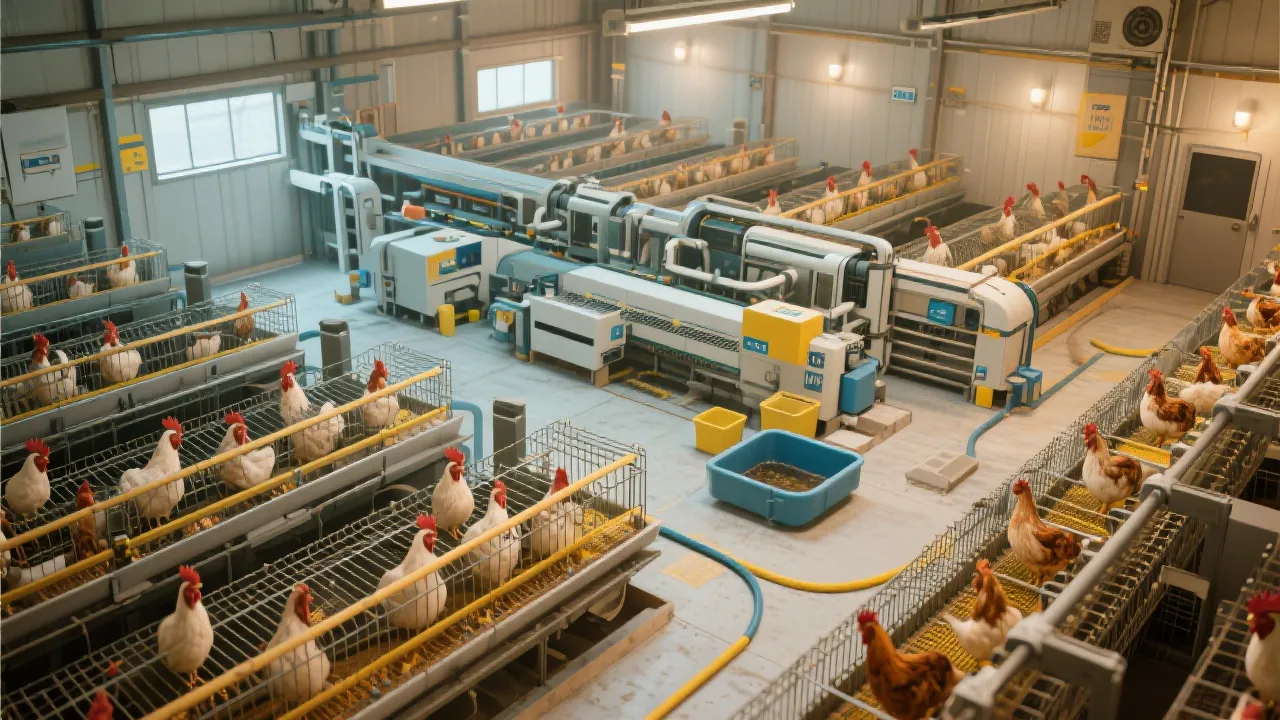



Hot Products

.jpg?x-oss-process=image/resize,m_fill,h_800,w_800/format,webp)


Popular articles




READY TO START?
Ready to Build Your Poultry Farm?
Tell us your land size, poultry type and farming capacity. LIVI will provide a complete farm solution for your project.