


Smart Egg Farming Guide: How to Install Automated Egg Collection & Manure Removal Systems Without Common Mistakes
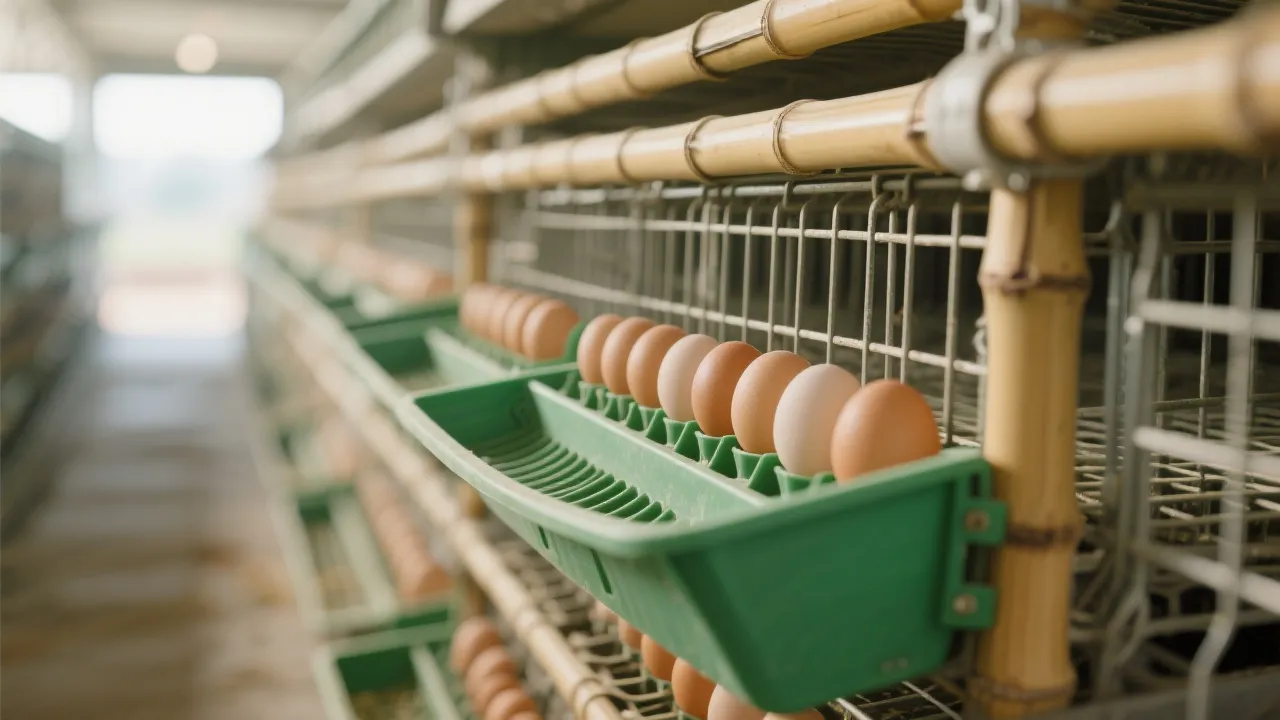
Is Your Egg Farm Still Running on Manual Labor?
You're not alone if you're spending 2 hours a day cleaning manure — and still struggling with inconsistent egg production, rising labor costs, and tired staff. The good news? Automation isn’t just for big corporations anymore. It’s time to rethink how your farm operates.
Why Smart Systems Are No Longer Optional
According to industry data from the Global Poultry Association (2023), farms that adopted automated collection and waste removal systems saw an average reduction of 32% in labor costs within the first year. That’s more than just savings — it’s freedom to focus on what matters: flock health, feed efficiency, and long-term scalability.
Let’s break down why this shift works:
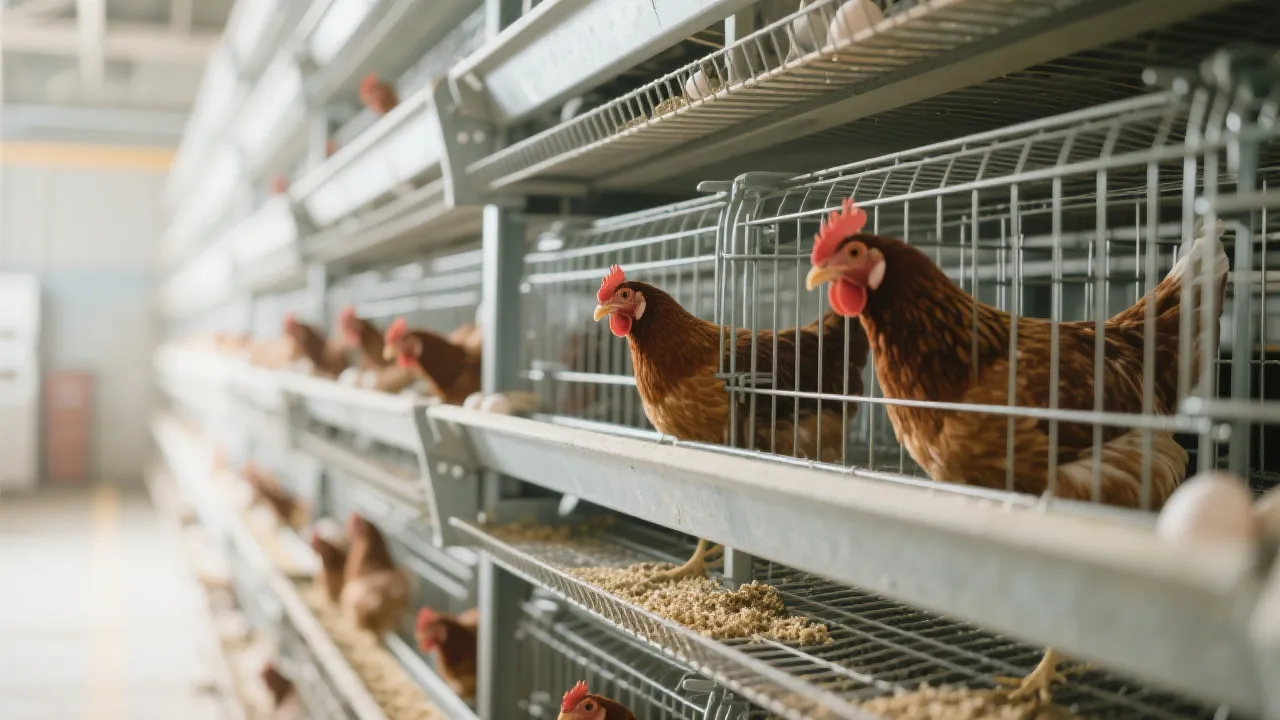
- Automatic egg collection: Reduces egg breakage by up to 40% compared to manual picking.
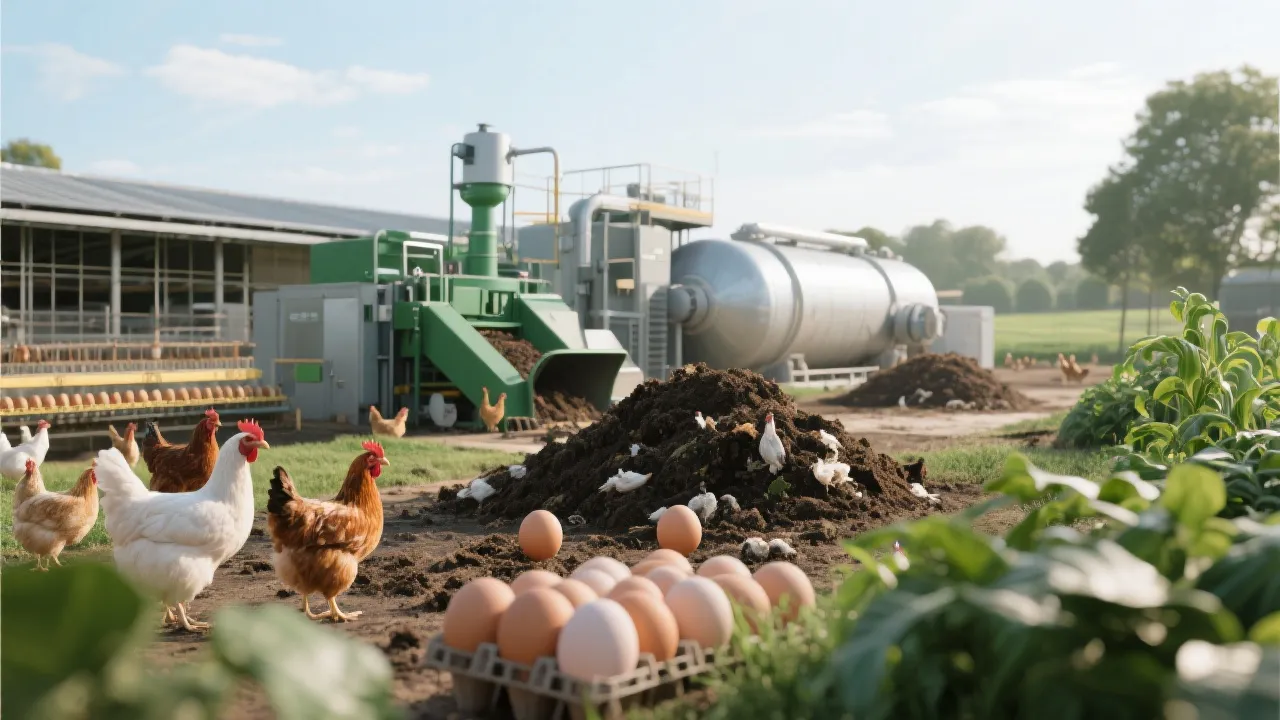
- Integrated manure removal: Cuts ammonia levels by over 50%, improving respiratory health and reducing mortality.
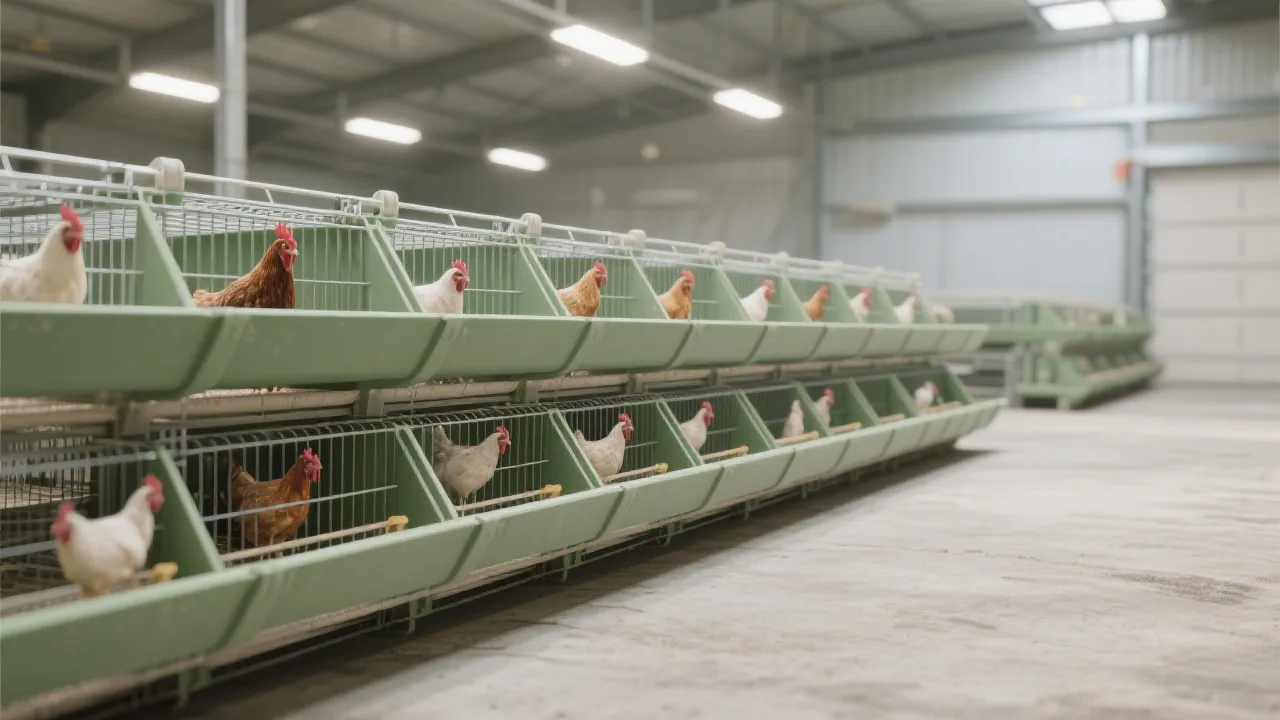
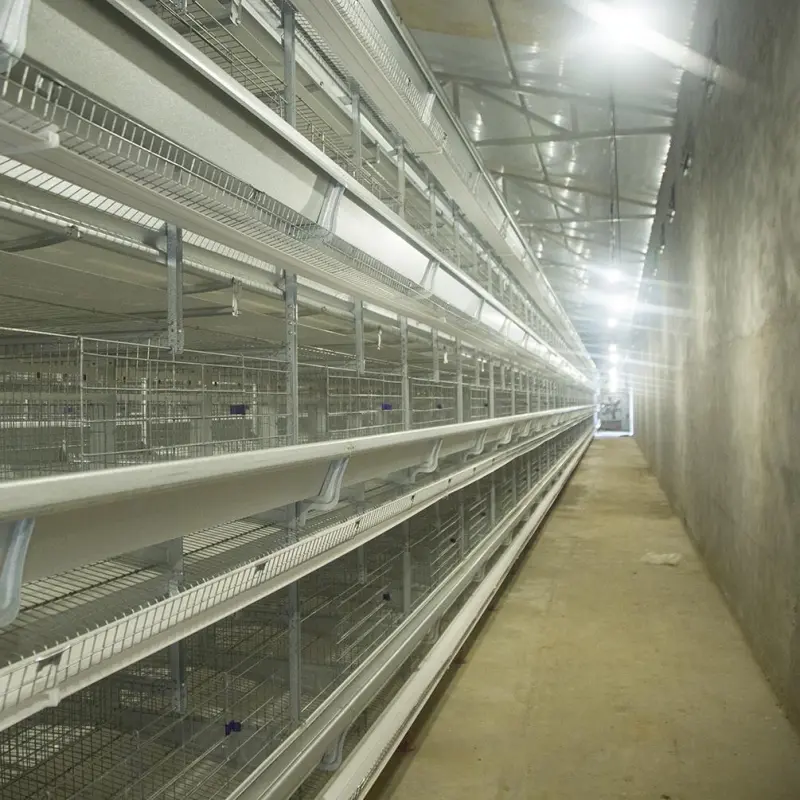
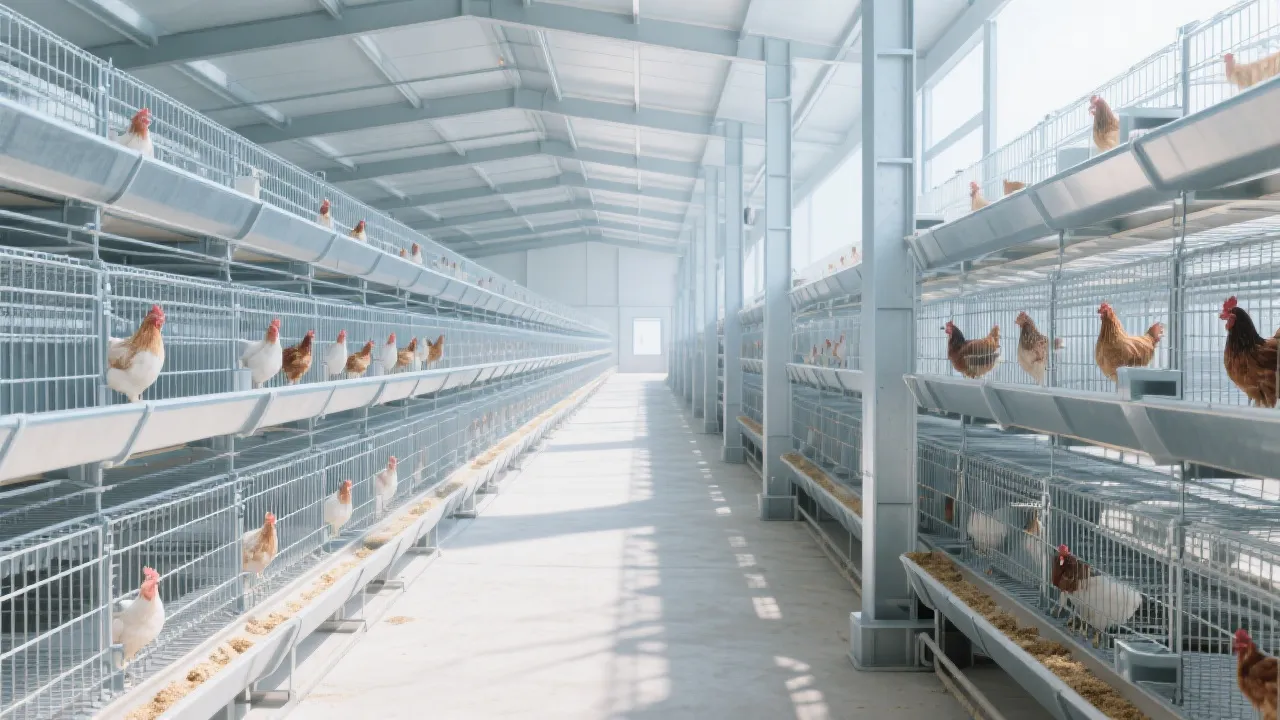
- H-type cage design: Optimizes space usage — one study showed a 15% increase in bird density without compromising welfare standards.
The Hidden Benefits You Can’t Ignore
It’s not just about saving time — it’s about creating a better environment for both chickens and humans. In a case study from a 12,000-hen farm in Thailand:
“After installing our H-type system, we went from 2 workers per shift to 1 — and egg output rose by 5%. Our birds are calmer, and so are we.”
This kind of transformation is repeatable. Whether you’re managing 5,000 or 50,000 hens, the principles stay the same: plan your layout carefully, prioritize airflow and access, and choose equipment certified to ISO/CE standards.
How to Avoid Common Installation Mistakes
| Mistake | Impact | Fix |
|---|---|---|
| Poor ventilation path | High ammonia buildup → poor egg quality | Design air intake at ceiling level, exhaust near floor |
| No buffer zone between cages | Maintenance delays, higher injury risk | Leave 60cm clearance for tools and movement |
| Ignoring electrical load | System failures during peak hours | Consult engineer before wiring setup |
These aren't hypotheticals — they’re lessons learned from real farms across Southeast Asia, Europe, and North America. What separates successful integrations from failed ones? Planning. And having a clear understanding of how each piece fits together.
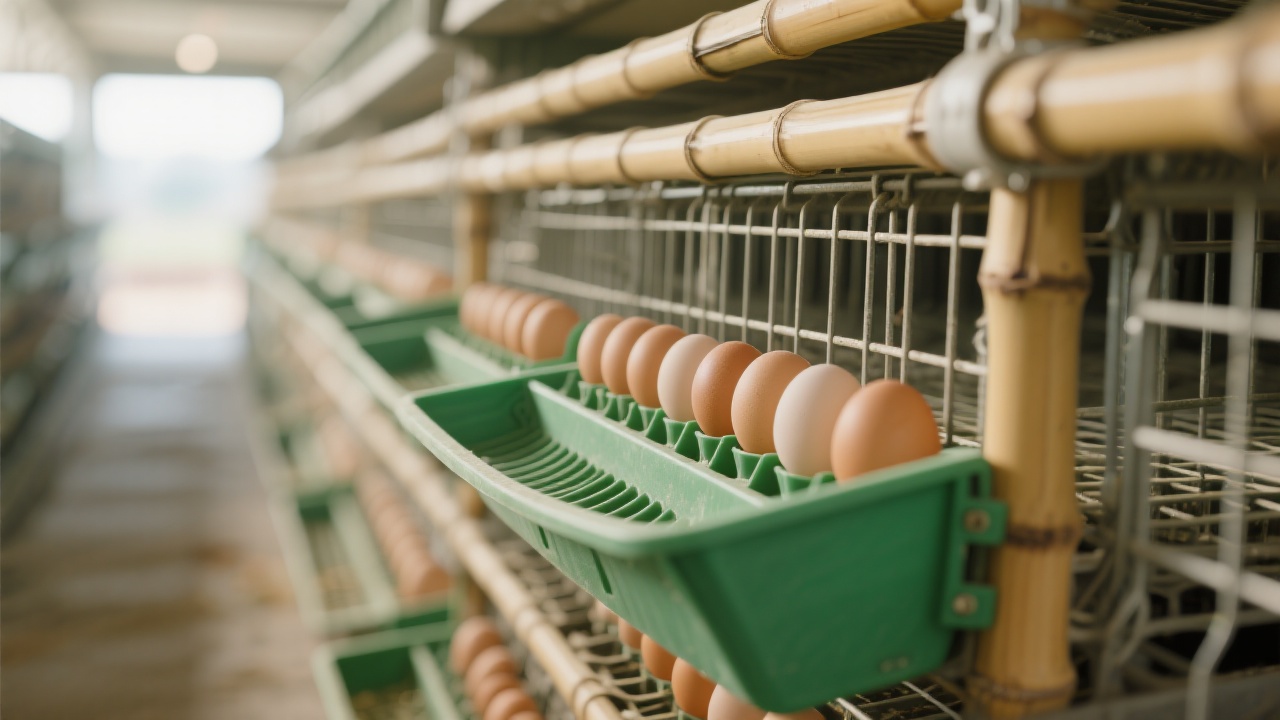
If you’re ready to move beyond guesswork and start building a smarter operation, we’ve put together a free Layout Planning Template — tailored to your current setup and future goals. It includes everything from cage spacing recommendations to maintenance checklists based on actual field tests.



Hot Products

.jpg?x-oss-process=image/resize,m_fill,h_800,w_800/format,webp)


Popular articles





READY TO START?
Ready to Build Your Poultry Farm?
Tell us your land size, poultry type and farming capacity. LIVI will provide a complete farm solution for your project.