


Roller vs. Belt Automated Egg Collection Systems: How They Work and Why They Matter for Modern Poultry Farms

Why Automated Egg Collection Systems Are Transforming Modern Poultry Farms
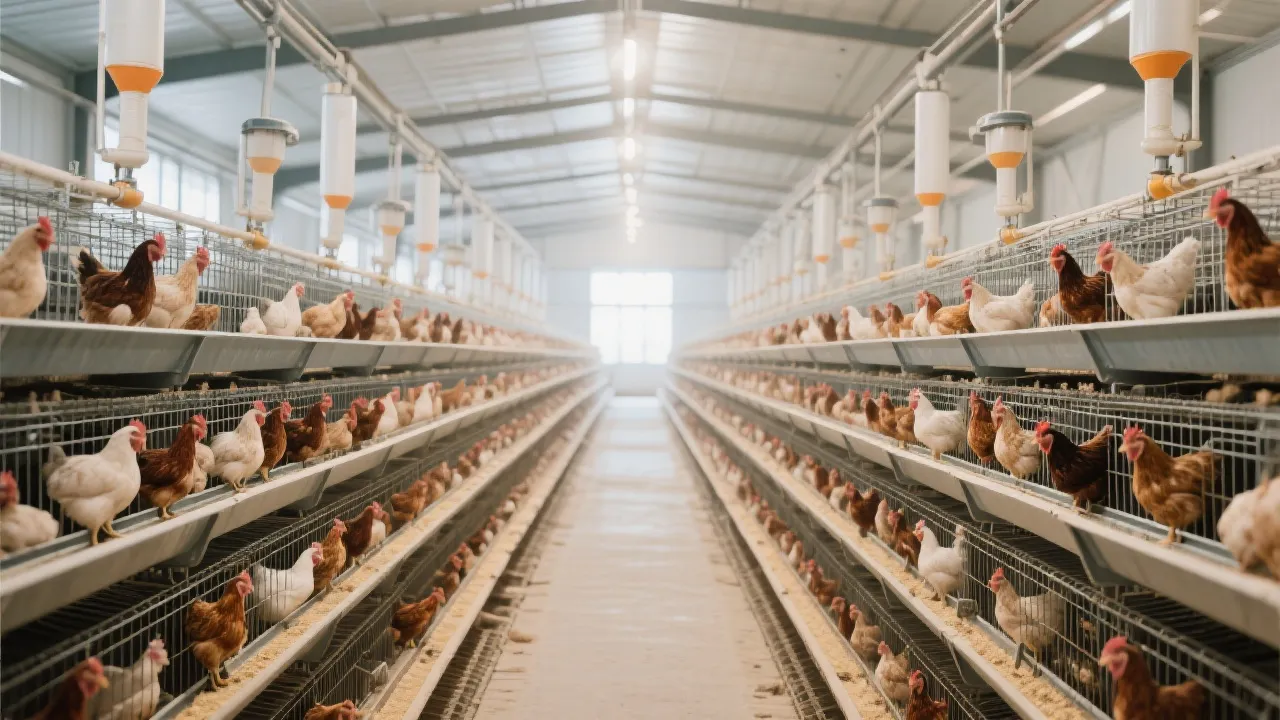
For decades, egg collection on poultry farms relied heavily on manual labor—farmers or workers walking through rows of cages each morning to gather eggs by hand. While this method worked in small-scale operations, it’s no longer efficient for modern commercial farms aiming to scale profitably and sustainably. According to a 2023 study by the International Poultry Research Institute, farms that adopted automated systems saw an average 37% reduction in labor costs and a 22% increase in egg yield per hen annually.
How Do Roller vs. Conveyor Belt Systems Work?
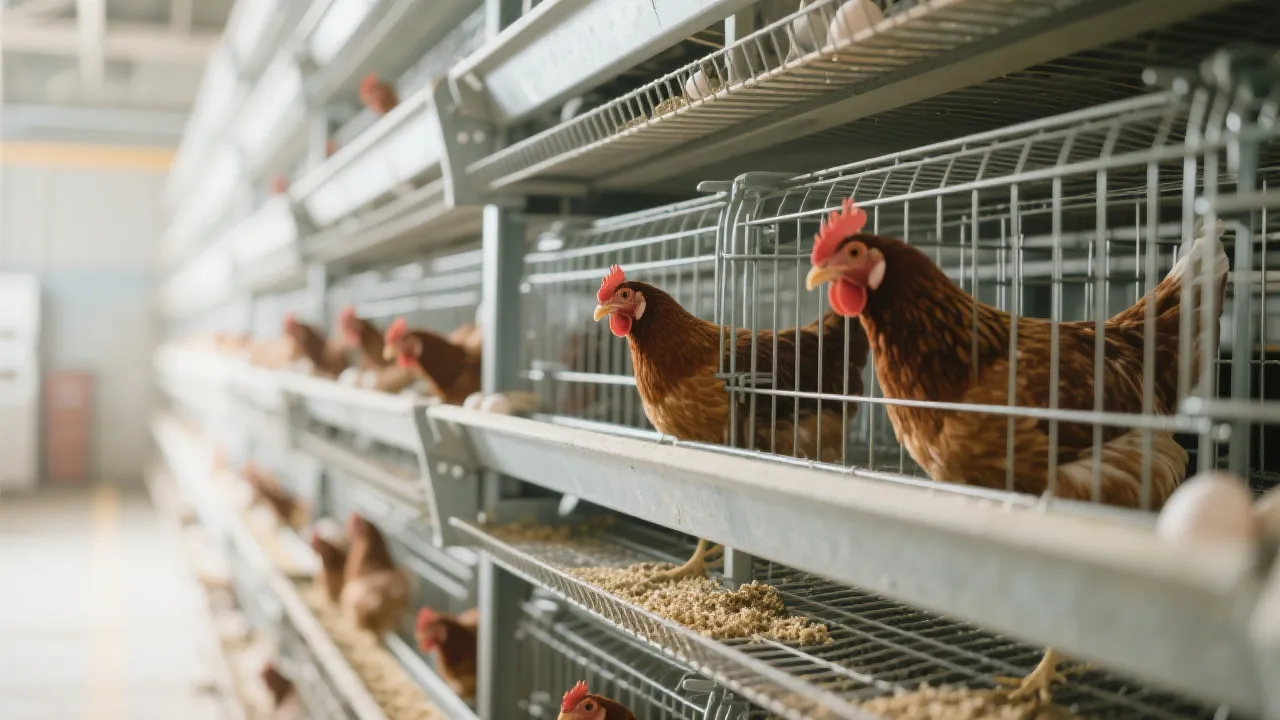
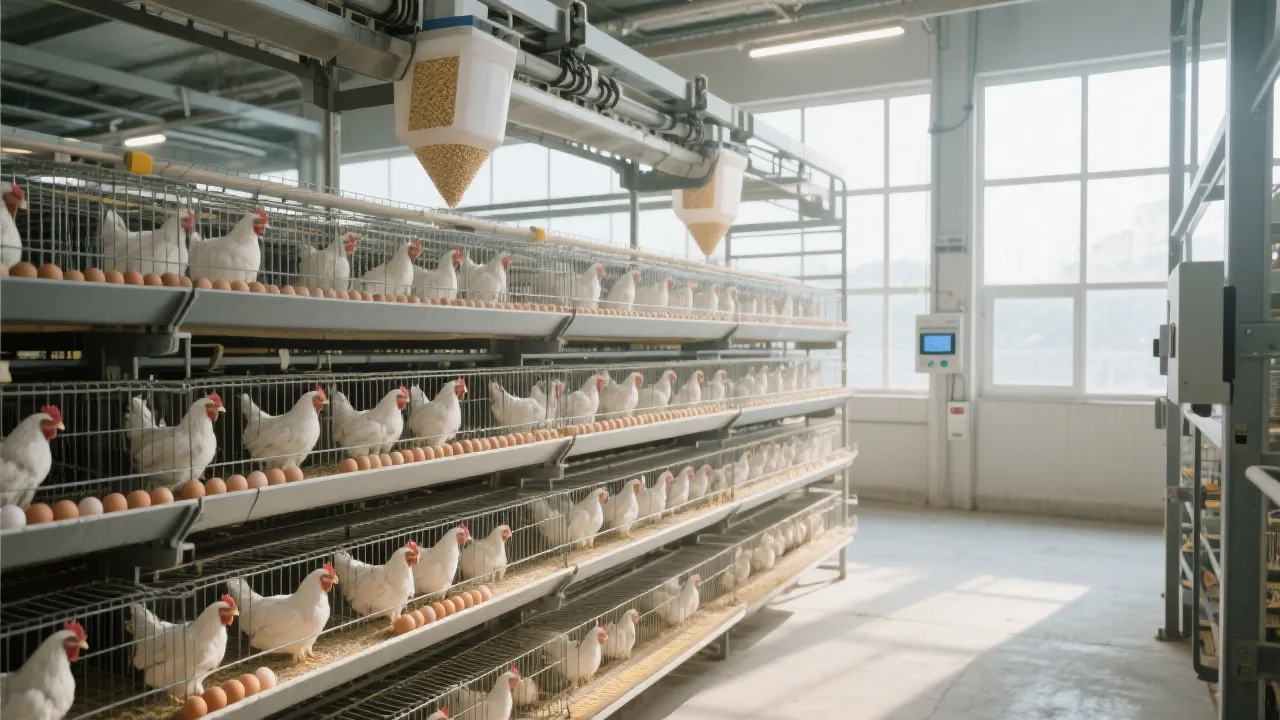
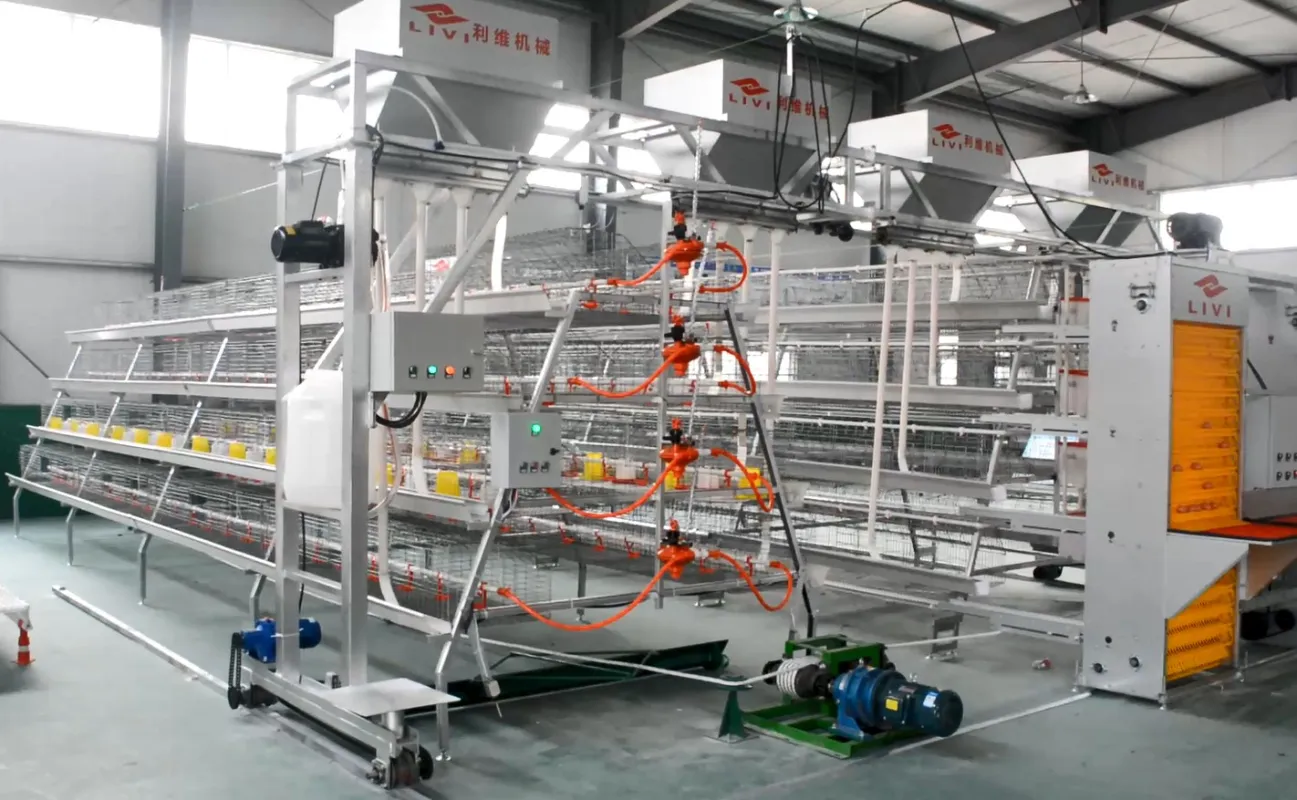
Two dominant designs have emerged from leading manufacturers like Zhengzhou Livewell Machinery: roller-based and conveyor belt systems. Both integrate directly with H-type layer cage structures but differ significantly in mechanics.
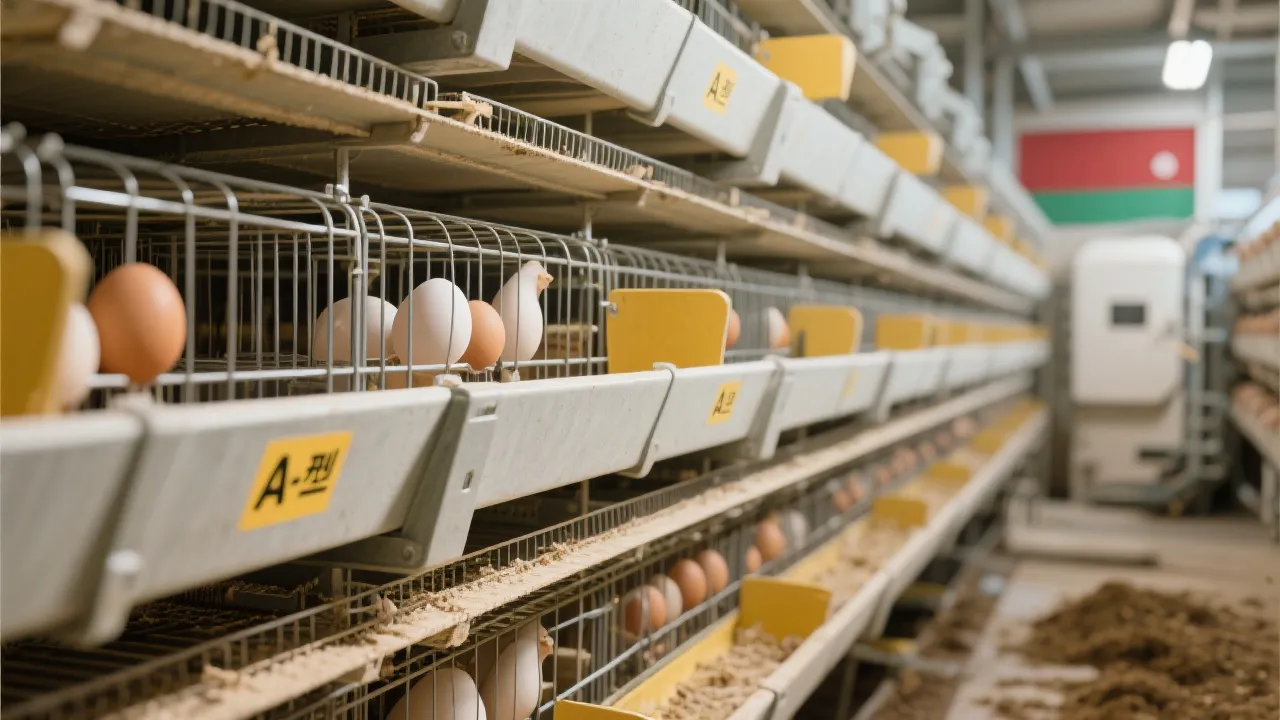
- Roller System: Uses rotating cylinders placed beneath egg trays that gently roll collected eggs into a central chute. Ideal for farms with moderate egg output (up to 15,000 eggs/day).
- Conveyor Belt System: Employs continuous belts moving eggs at a controlled pace to a sorting station. Best suited for large-scale operations (>25,000 eggs/day) due to higher throughput and reduced risk of egg damage.
| Feature | Roller Type | Conveyor Belt |
|---|---|---|
| Avg. Speed (eggs/hr) | 12,000–15,000 | 20,000–28,000 |
| Maintenance Frequency | Every 6 months | Every 4 months |
| Fault Rate (Annual) | ~3% | ~1.5% |
In real-world applications across China and Southeast Asia, farms using these systems report fewer cracked eggs—up to 98% intact egg recovery rate compared to just 84% manually collected eggs. This not only improves product value but also reduces waste and enhances brand reputation among buyers who demand high-quality standards.
Installation Checklist: Don’t Skip These Steps
Before installing any automation system, ensure your farm meets key criteria:
- Chicken house dimensions must accommodate equipment clearance (minimum 1.2m width per row).
- Power supply should be stable (3-phase 380V/50Hz recommended).
- Staff training is essential—Livewell offers free online modules and on-site support.
- Regular cleaning protocols reduce bacterial buildup and extend machine life.
“The biggest mistake we see? Skipping the pre-installation assessment,” says Dr. Li Wei, Livewell’s Chief Agricultural Engineer. “A well-planned rollout avoids downtime and maximizes ROI within six months.”
Whether you're managing a mid-sized farm or scaling up to industrial production, choosing the right egg collection system isn't just about technology—it's about optimizing workflow, reducing human error, and ensuring consistent quality. With data-driven insights and expert-backed strategies, automation becomes less of a cost center and more of a strategic asset.
If you’re ready to explore how an automated system can fit your operation, get personalized guidance from our team of poultry specialists.



Hot Products

.jpg?x-oss-process=image/resize,m_fill,h_800,w_800/format,webp)


Popular articles



READY TO START?
Ready to Build Your Poultry Farm?
Tell us your land size, poultry type and farming capacity. LIVI will provide a complete farm solution for your project.