


Advantages and Limitations of Q235 Steel in Laying Hen Cage Manufacturing: A Material Selection Guide for Poultry Farmers

Understanding the Role of Q235 Steel in Layer Hen Cage Manufacturing
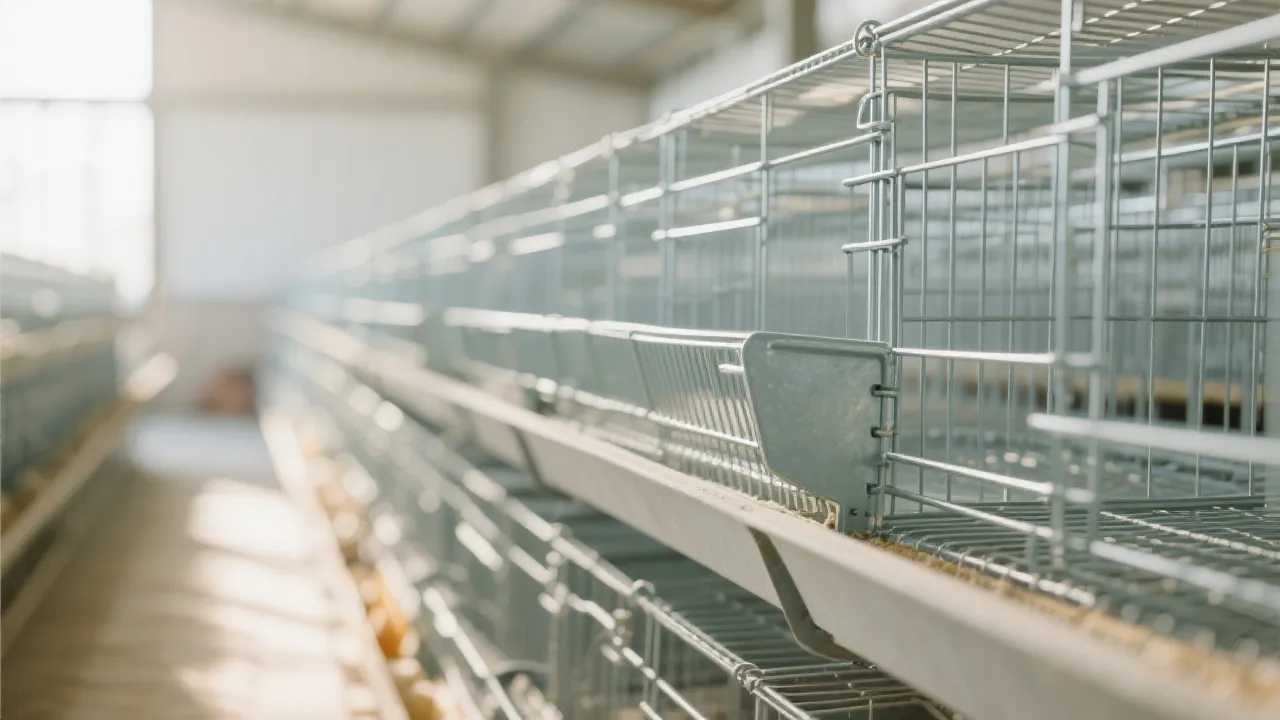
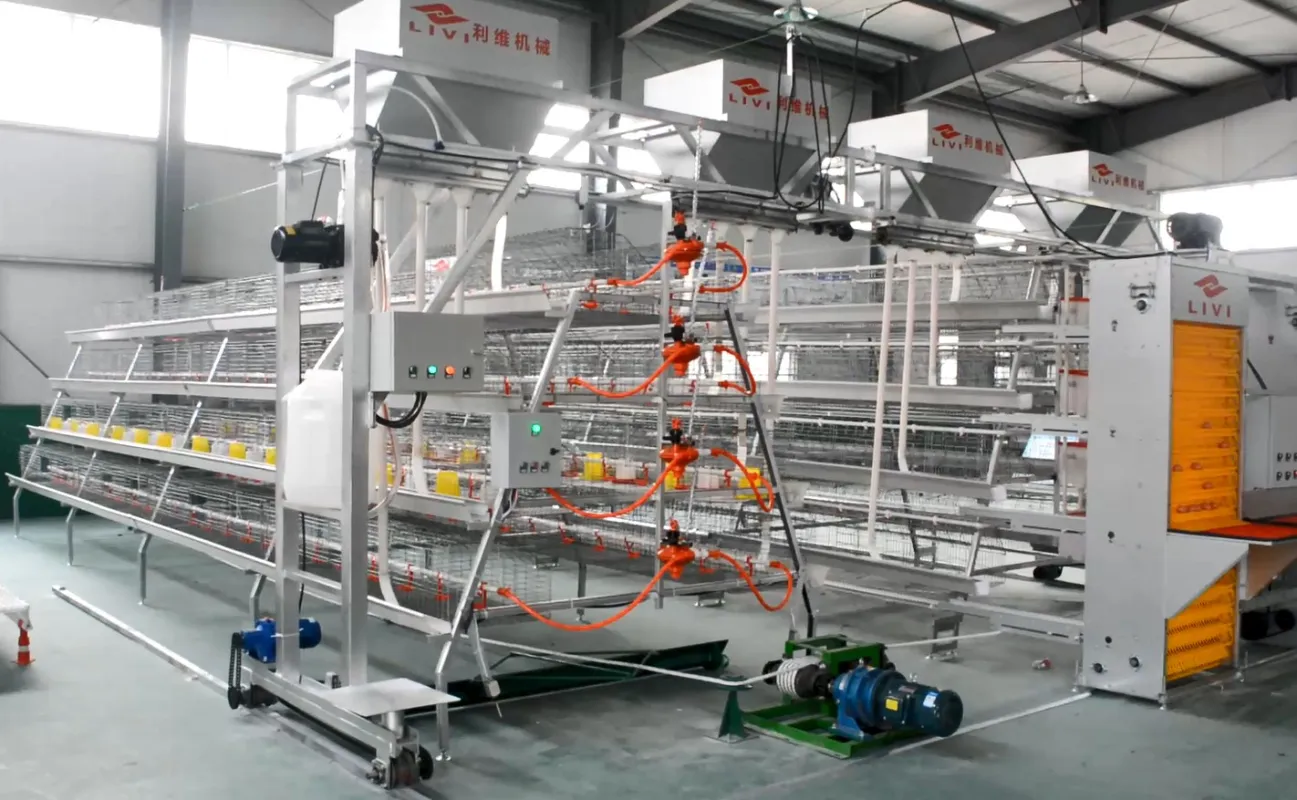
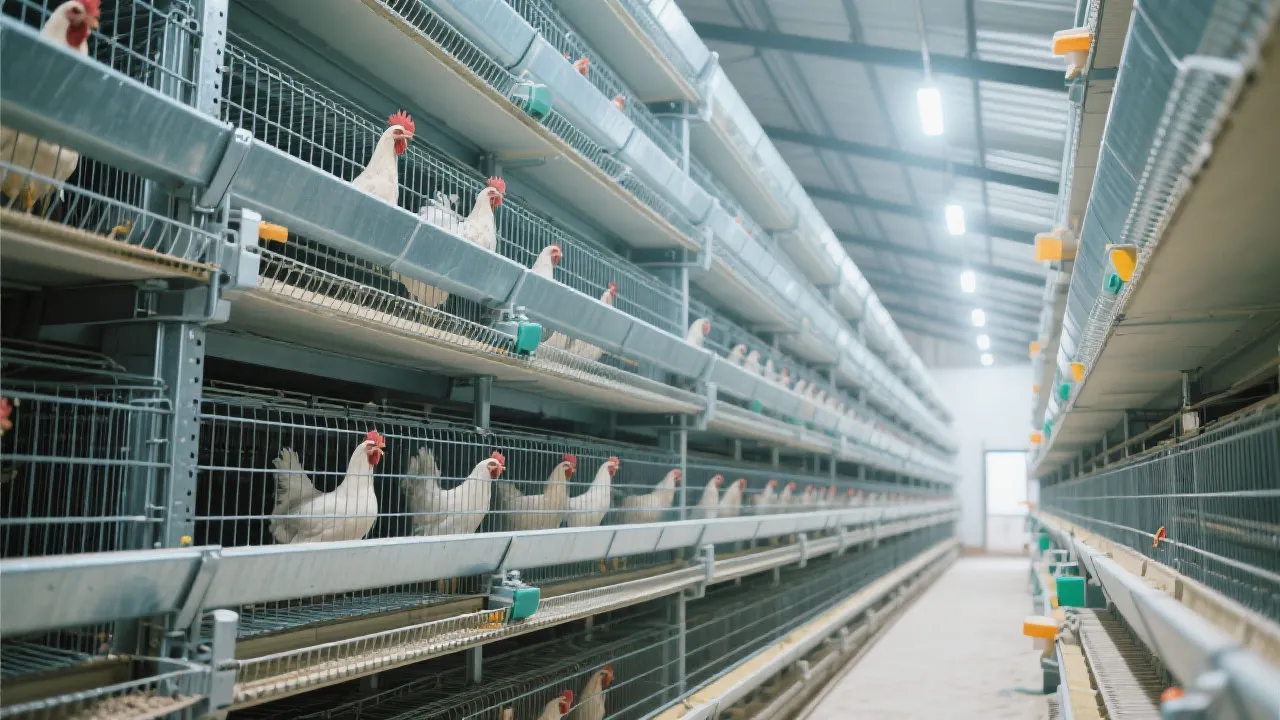
In modern poultry farming, layer hen cages are critical infrastructure that must balance durability, cost-efficiency, and environmental adaptability. Among various materials, Q235 steel dominates as the mainstream choice due to its favorable strength-to-cost ratio. However, relying solely on the steel type will not guarantee equipment longevity. This article breaks down the essential factors influencing the lifespan of layer hen cages—from raw material quality and surface treatment to installation practices and routine maintenance—helping poultry farmers make informed decisions that reduce hidden costs and improve operational efficiency.
Q235 Steel: Strengths and Constraints in Layer Hen Cages
Q235 steel, a low carbon structural steel widely used in industrial applications, exhibits a tensile strength typically between 370 to 500 MPa with yield strength around 235 MPa. Its mechanical properties provide the structural integrity necessary to support heavy loads and resist deformation in cage frameworks. This ensures birds are safely contained without compromising space or airflow.
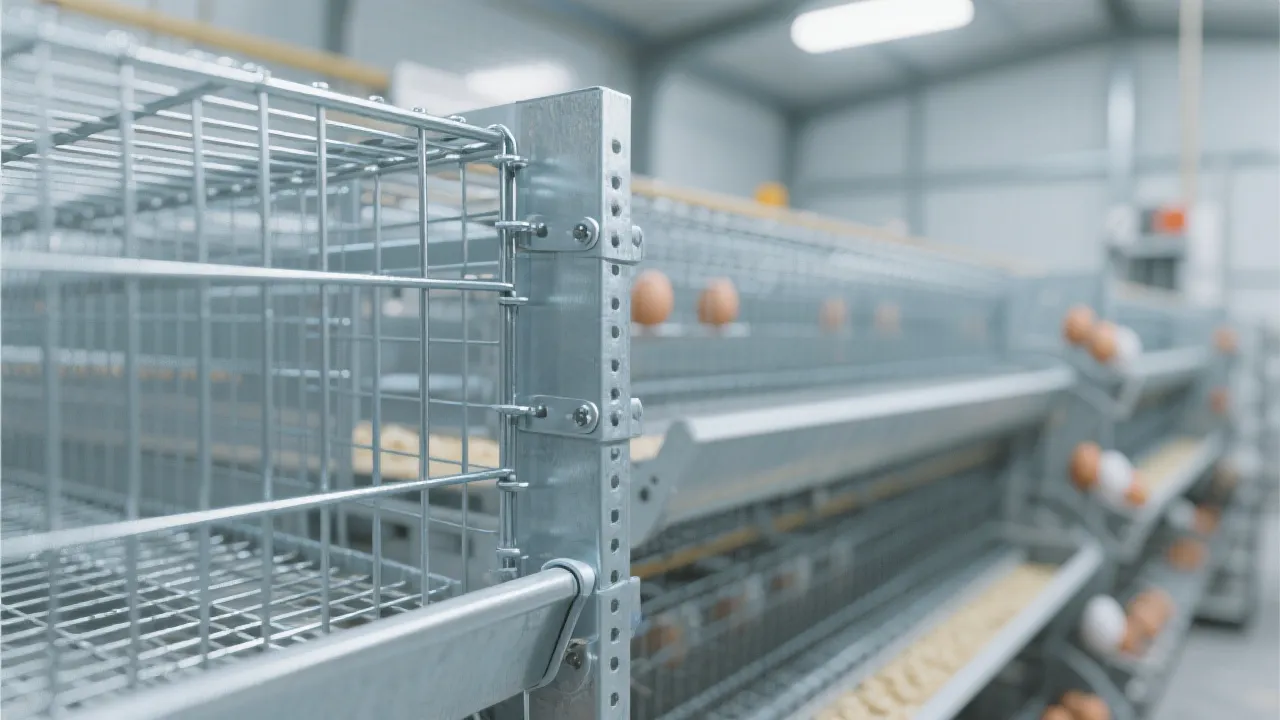
However, its low alloy content limits resistance to corrosion and impact from harsh farming environments. Without proper surface protection, Q235 steel may initiate rust within 6 to 12 months of exposure to high humidity and ammonia gas—common in poultry houses. This corrosion causes weakened joints and increases maintenance costs.
Surface Treatment: Ordinary Galvanizing vs. Hot-Dip Galvanized and Alum-Zinc Coatings
The performance of Q235 steel in layer hen cages is highly dependent on surface treatments, which serve as the first defense against corrosion.
| Treatment Type | Corrosion Resistance Duration (Typical) | Key Features |
|---|---|---|
| Ordinary Electro-Galvanizing | 6 - 12 months | Thin zinc layer; quick to wear off in harsh environments |
| Hot-Dip Galvanizing (HDG) | 3 - 5 years | Thicker zinc coating through immersion; stronger corrosion barrier |
| Aluminum-Zinc Alloy Coating | 5 - 7 years | Improved heat resistance and self-healing properties; ideal for aggressive environments |
Industry Insight: “Choosing the right coating can extend the cage lifespan up to 5 times, significantly offsetting initial investment through reduced maintenance and replacement costs.” – Senior Engineer, Poultry Equipment Manufacturing
Environmental Challenges: High Humidity and Ammonia Gas
Poultry houses often feature elevated humidity levels exceeding 70% and ammonia concentrations reaching 20-50 ppm, conditions that accelerate steel corrosion. Besides material selection, environmental management plays a vital role.
Poor ventilation magnifies moisture retention on cage surfaces, weakening protective coatings faster. Ammonia gas chemically interacts with zinc layers, reducing coating effectiveness over time. This underscores the necessity of combining proper material choice with optimized farm infrastructure.
Maintenance Strategies for Prolonged Equipment Longevity
Beyond material and environmental considerations, practical maintenance routines profoundly affect cage lifespan. Recommended practices include:
- Strict adherence to installation guidelines ensuring tight mechanical connections and minimizing stress concentration points.
- Regular cleaning at least once weekly to remove waste and moisture deposits that initiate corrosion.
- Frequent inspection of coating integrity, with use of magnetic or visual tests to detect early signs of peeling or rust.
- Application of protective sealants or repainting with zinc-rich paints as supplementary defenses every 1 to 2 years.
Experienced Farmer’s Tip: “After switching to hot-dip galvanized cages and implementing monthly visual inspections plus rapid touch-up painting, our maintenance costs dropped by 40% over two years.” – Established Poultry Farmer, Midwest USA
Rethinking Procurement: Focus on Comprehensive Performance
When sourcing layer hen cages, selecting based on upfront price alone can be misleading. A rational procurement decision prioritizes:
- Steel grade certification and traceability.
- Type and thickness of corrosion-resistant coatings.
- Manufacturer’s installation and maintenance support services.
Remember, choosing the right materials and protection can reduce maintenance expenses by up to 60% over a 3-year period.
Engage and Reflect
Considering your current layer hen cage inventory, how effectively does the material quality and maintenance align with your operational goals? Are you tracking long-term costs arising from corrosion and failures?
Investing time to evaluate these factors scientifically can transform your poultry operation from reactive maintenance to proactive management—helping you save money and improve animal welfare simultaneously.




Hot Products

.jpg?x-oss-process=image/resize,m_fill,h_800,w_800/format,webp)



READY TO START?
Ready to Build Your Poultry Farm?
Tell us your land size, poultry type and farming capacity. LIVI will provide a complete farm solution for your project.