


High-Corrosion-Resistant Q235 Steel Layered with Aluminum-Zinc Coating for Superior Layer Hen Cages
Enhancing Durability with Q235 Steel in Layered Coated Layer Chicken Cages
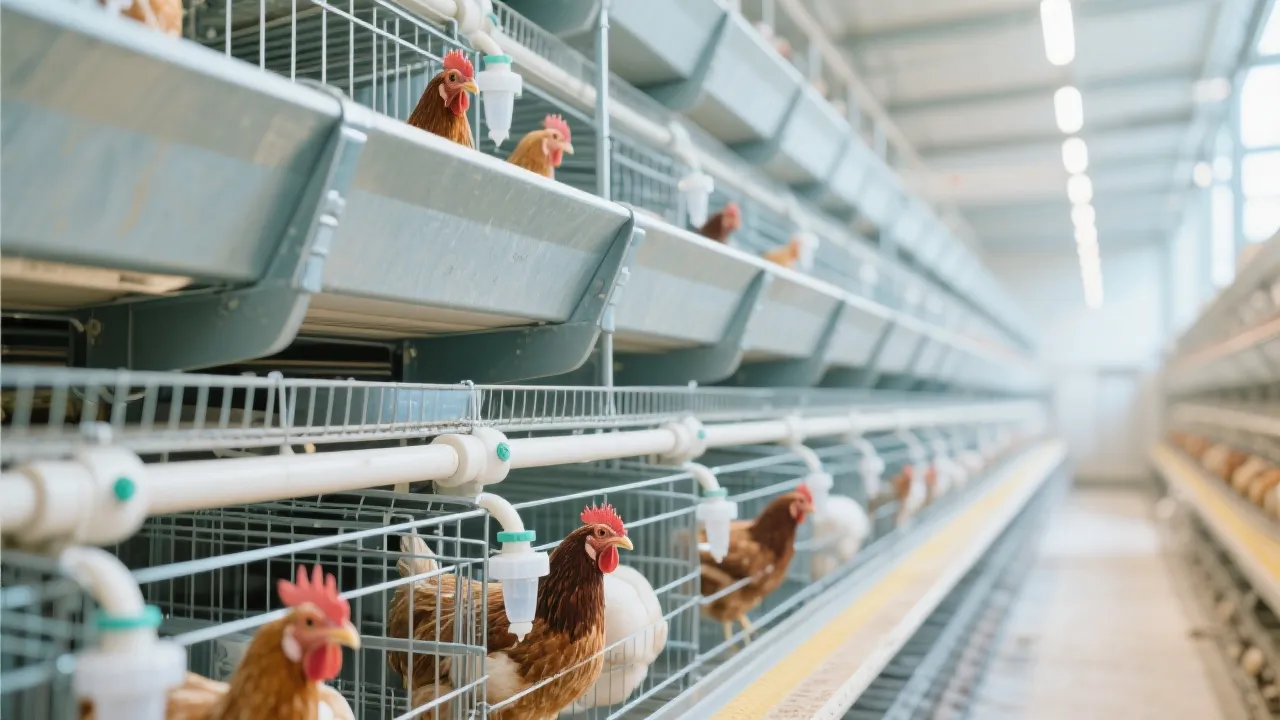
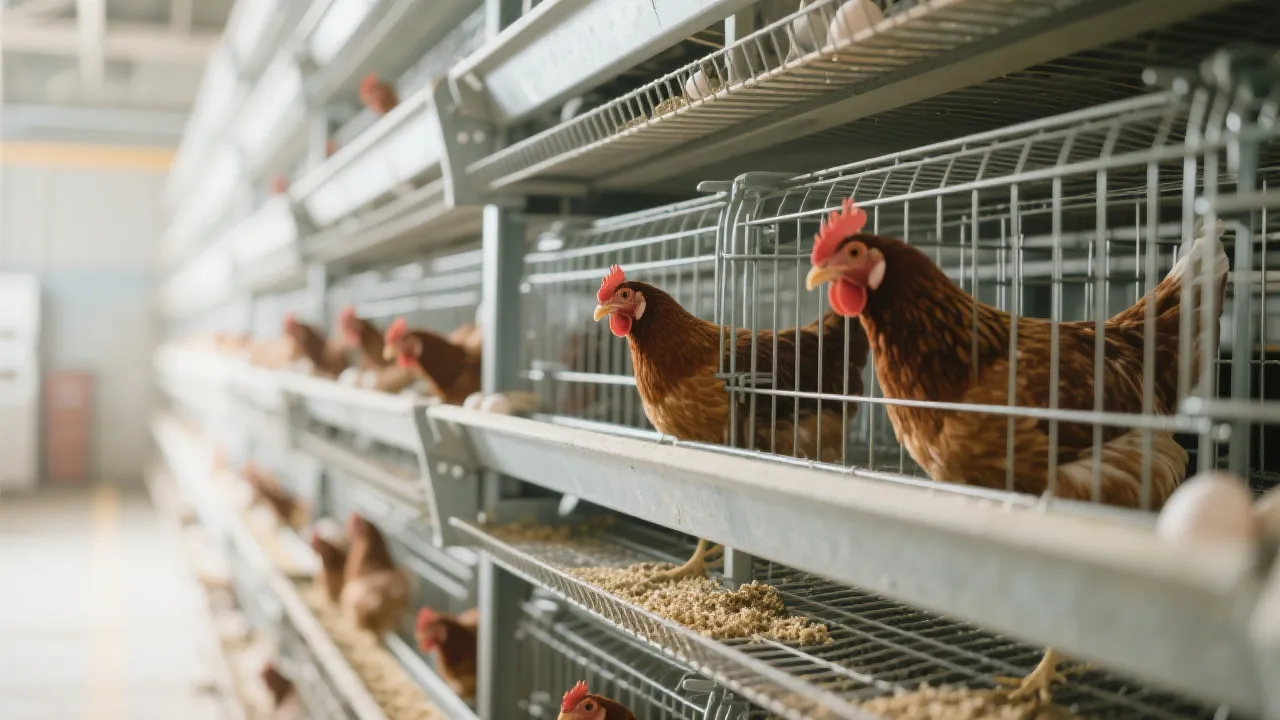
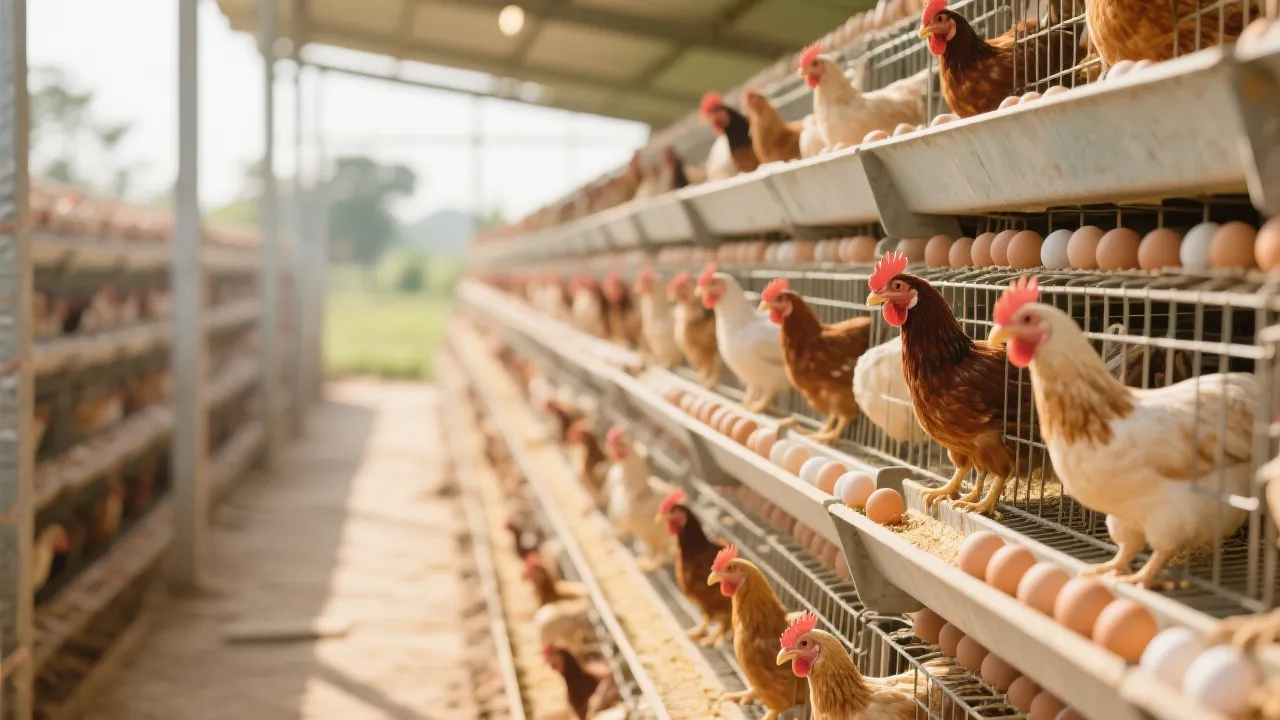
In the poultry farming industry, selecting optimal materials for layer chicken cages is pivotal to ensuring long-term productivity and minimizing maintenance costs. A persistent challenge faced by many producers is rapid corrosion, with traditional steel cages showing severe rust damage in under five years. The root causes often lie in the choice of steel grade and insufficient protective surface treatments.
The Core Advantage of Q235 Steel
Q235, a low carbon structural steel, offers an ideal balance of mechanical strength and economic feasibility. Its tensile strength ranges approximately from 370 to 500 MPa, providing robust support to cage structures without excessive weight. Q235’s excellent weldability and machinability allow manufacturers to form precision H-type profiles that maximize structural stability while optimizing space utilization – a critical factor for enhancing egg production efficiency.
Moreover, Q235 steel outperforms standard carbon steels in terms of cost-efficiency, enabling large-scale cage fabrication at competitive prices without compromising quality.
Dual Protective Layers: Hot-Dip Galvanizing vs. Aluminum-Zinc Coating
The lifespan of chicken cages manufactured with Q235 steel dramatically depends on surface corrosion protection. While hot-dip galvanizing remains the industry standard—applying a zinc layer approximately 85-100 microns thick—research and field data highlight the superior corrosion resistance of aluminum-zinc alloy coatings (typically 55% aluminum, 43.5% zinc, 1.5% silicon).
Comparative Analysis:
| Coating Type | Typical Thickness (μm) | Corrosion Rate (mm/year) | Expected Service Life |
|---|---|---|---|
| Hot-Dip Galvanized Zinc Layer | 85-100 | 0.03–0.04 | 8-12 years |
| Aluminum-Zinc (Al-Zn) Alloy Coating | 80-90 | 0.015–0.025 | 15-20 years |
These data, corroborated by accelerated corrosion simulations, confirm that the aluminum-zinc coating layer reduces corrosion rates by nearly 50%, effectively doubling service life longevity.
Quality Assurance through International Certifications
Our manufacturing processes strictly comply with ISO9001 for quality management and ISO14001 for environmental stewardship. Additionally, CE certification validates product conformity with European health, safety, and environmental standards, empowering global customers with confidence.
Each batch undergoes rigorous testing that covers coating adhesion, corrosion resistance, and mechanical integrity of the cage structure before shipment.
Optimized Thickness and H-Type Structural Design
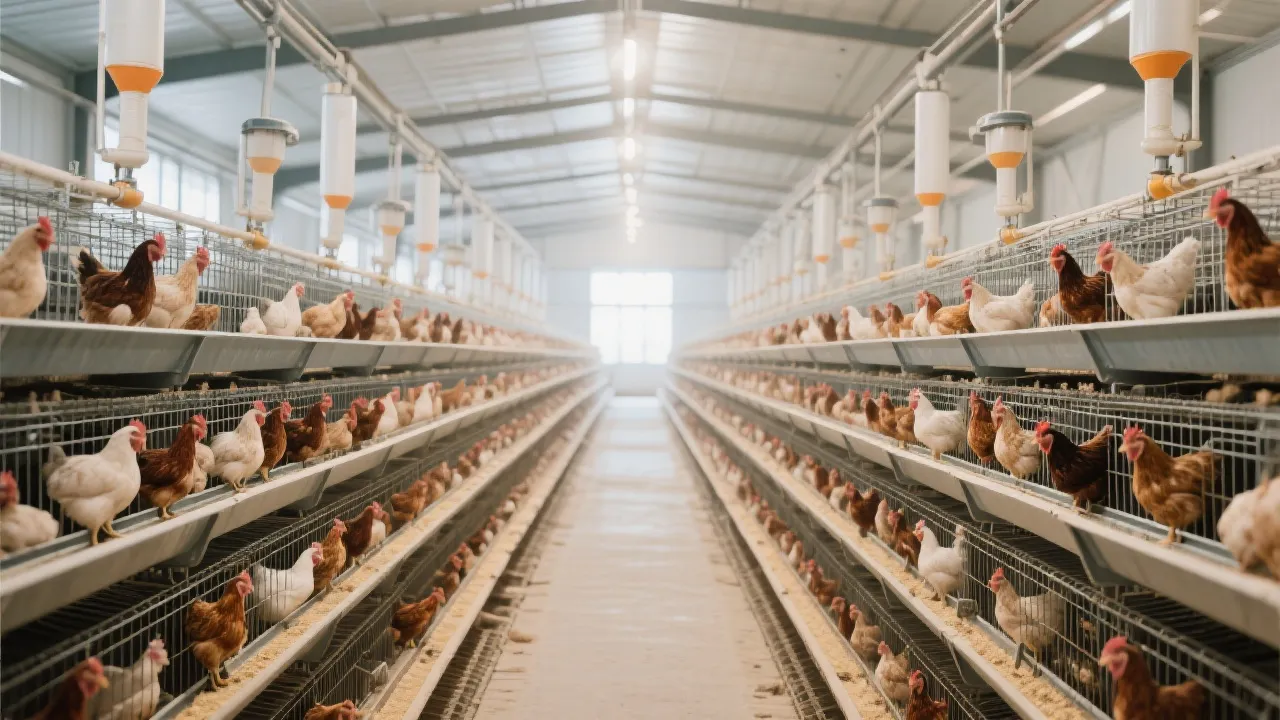
Thickness selection is critical; too thin compromises strength, too thick inflates costs without proportional benefits. Typically, cage frame steel thickness ranges from 1.2 mm to 1.5 mm paired with H-shaped reinforcement profiles, which increase rigidity and reduce deformation risks, especially in high-density poultry farms.
This design also affords ample spatial efficiency—maximizing usable area while maintaining ease of cleaning and bird welfare.
Practical Selection Checklist for Procurement
- Verify Q235 steel certification and mechanical test reports
- Confirm coating type (hot-dip galvanizing vs. aluminum-zinc) with thickness measurements
- Request ISO9001, ISO14001, and CE certificates
- Inspect H-type frame design samples and dimensional accuracy
- Check documented service life projections and real-user case studies
"Switching to aluminum-zinc coated Q235 steel cages has remarkably extended our equipment lifecycle beyond 15 years, while maintenance frequency has dropped by over 60%. Production efficiency and biosecurity have improved substantially." — Regional Poultry Farm Manager, Poland
Download the Layer Chicken Cage Material Selection Guide PDF




Hot Products

.jpg?x-oss-process=image/resize,m_fill,h_800,w_800/format,webp)


Popular articles




READY TO START?
Ready to Build Your Poultry Farm?
Tell us your land size, poultry type and farming capacity. LIVI will provide a complete farm solution for your project.