


Pre-Installation Checklist for Automated Egg Collection Systems: Shed Dimensions, Power Requirements, and Staff Training Essentials

Before Installing an Automated Egg Collection System: Key Factors You Must Evaluate
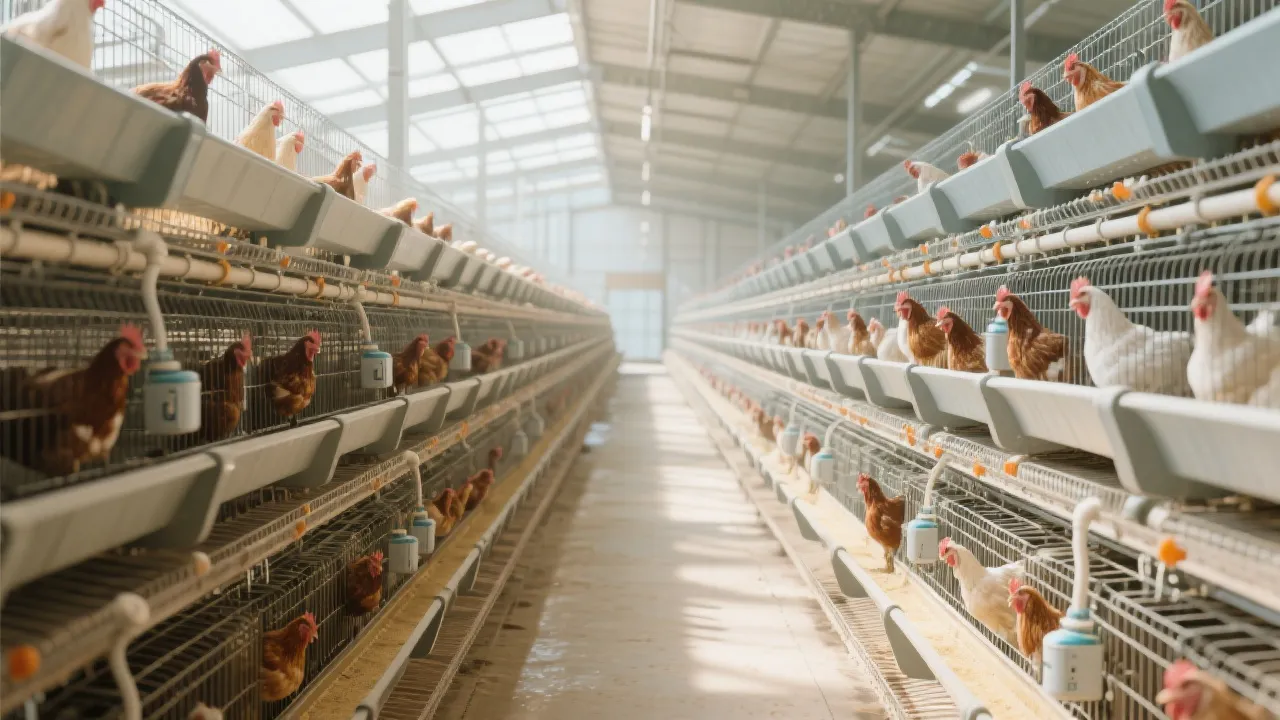
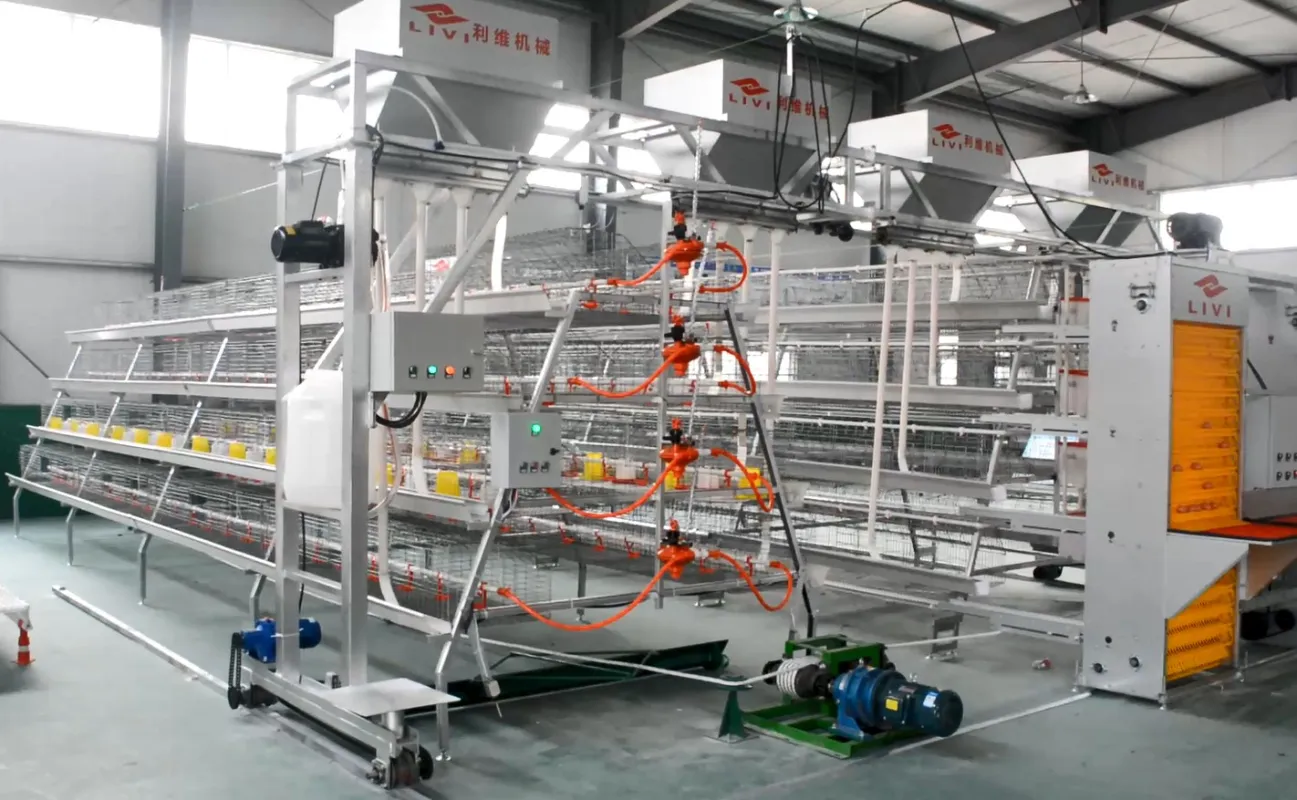
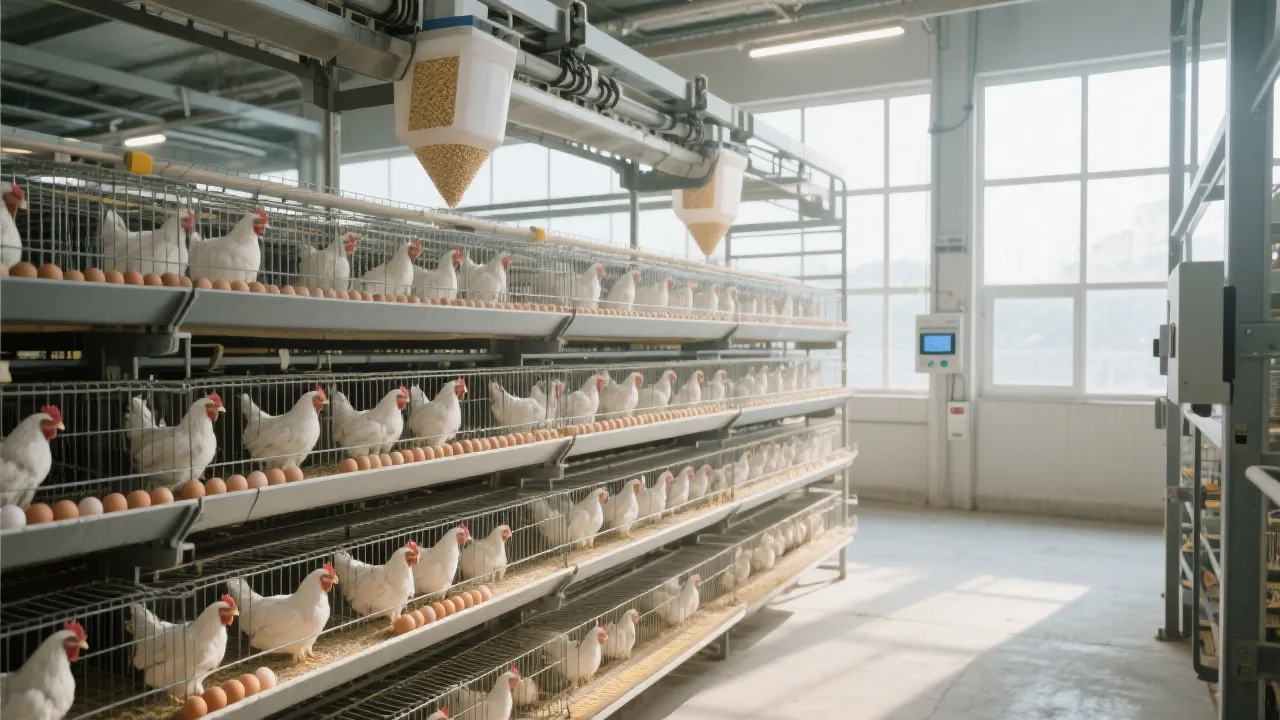
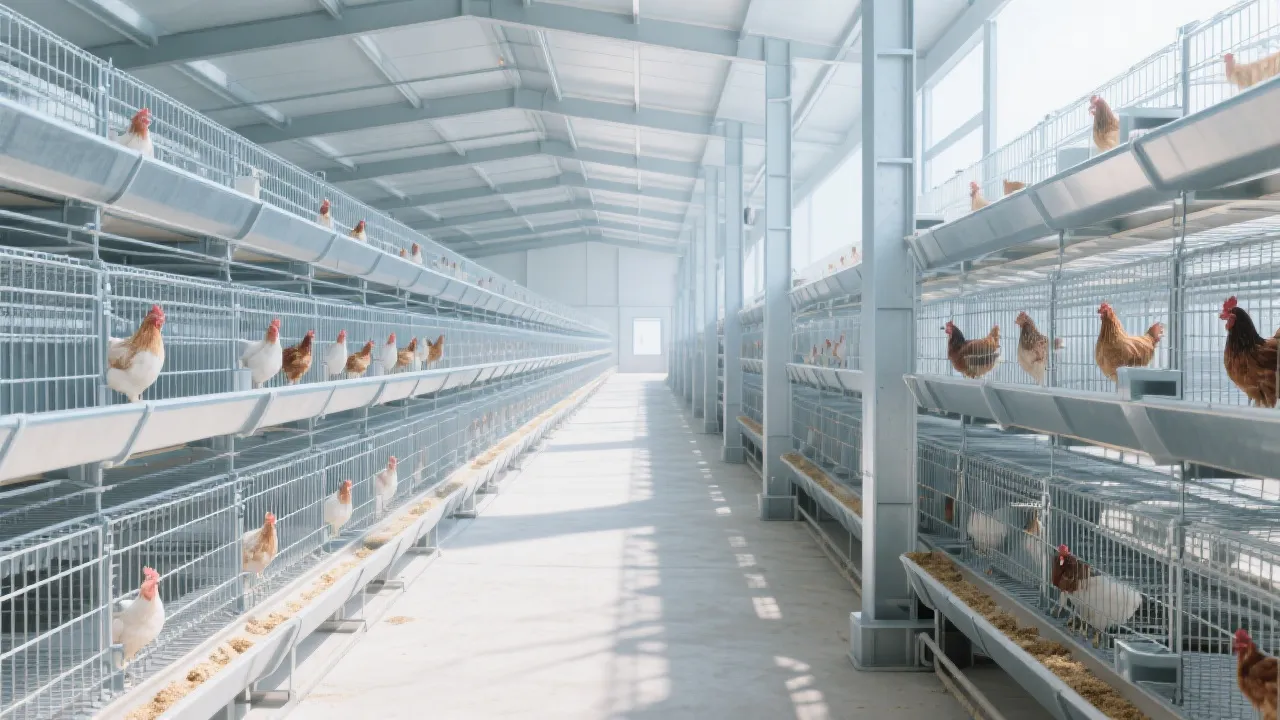
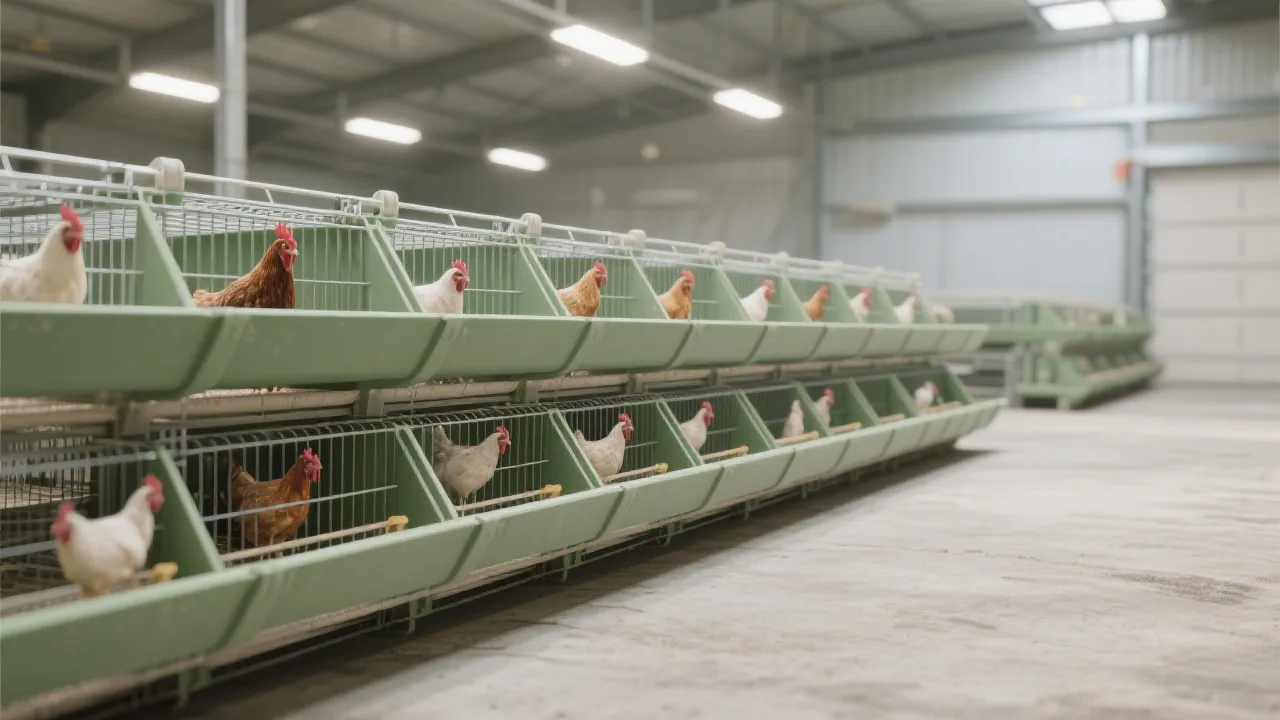
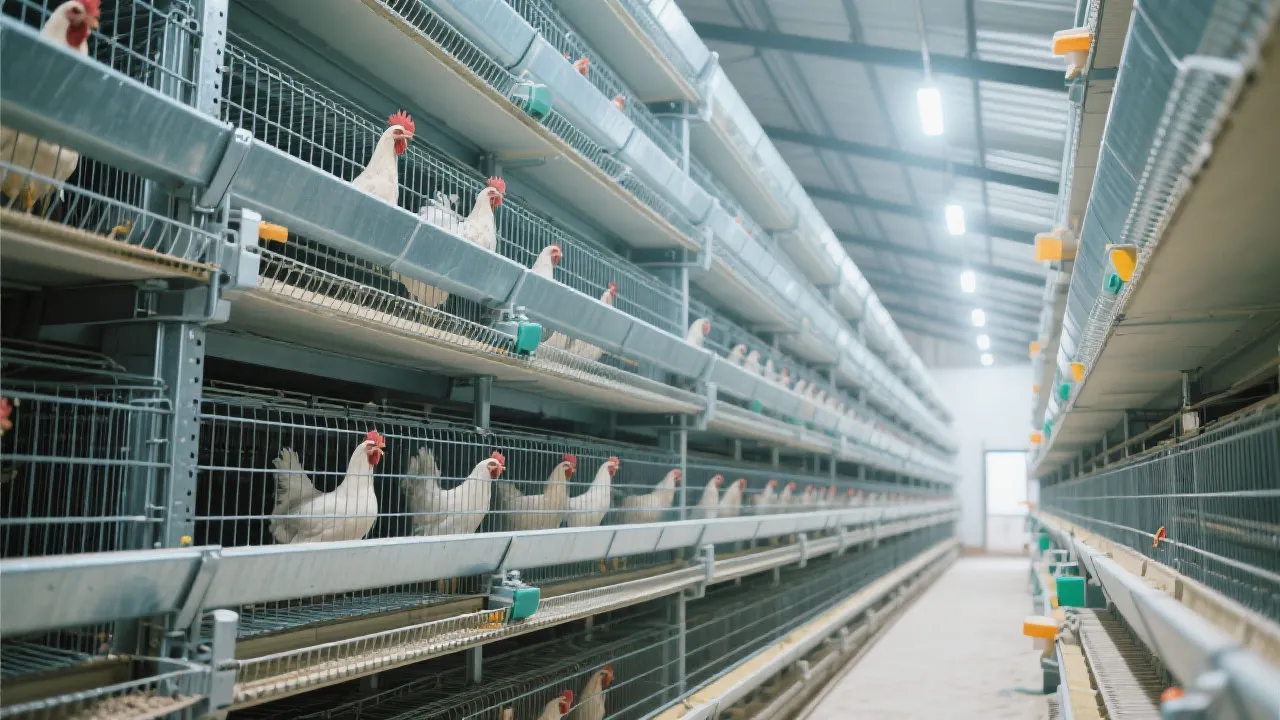
For poultry farmers and farm managers looking to boost efficiency and reduce labor costs, adopting an automated egg collection system is a game-changer—but only if implemented correctly. At Livi Machinery (Zhengzhou), our H-type layer chicken cages integrate seamlessly with both roller-based and conveyor belt egg collection systems, offering real-world performance gains in large-scale operations.
How Do These Systems Work?
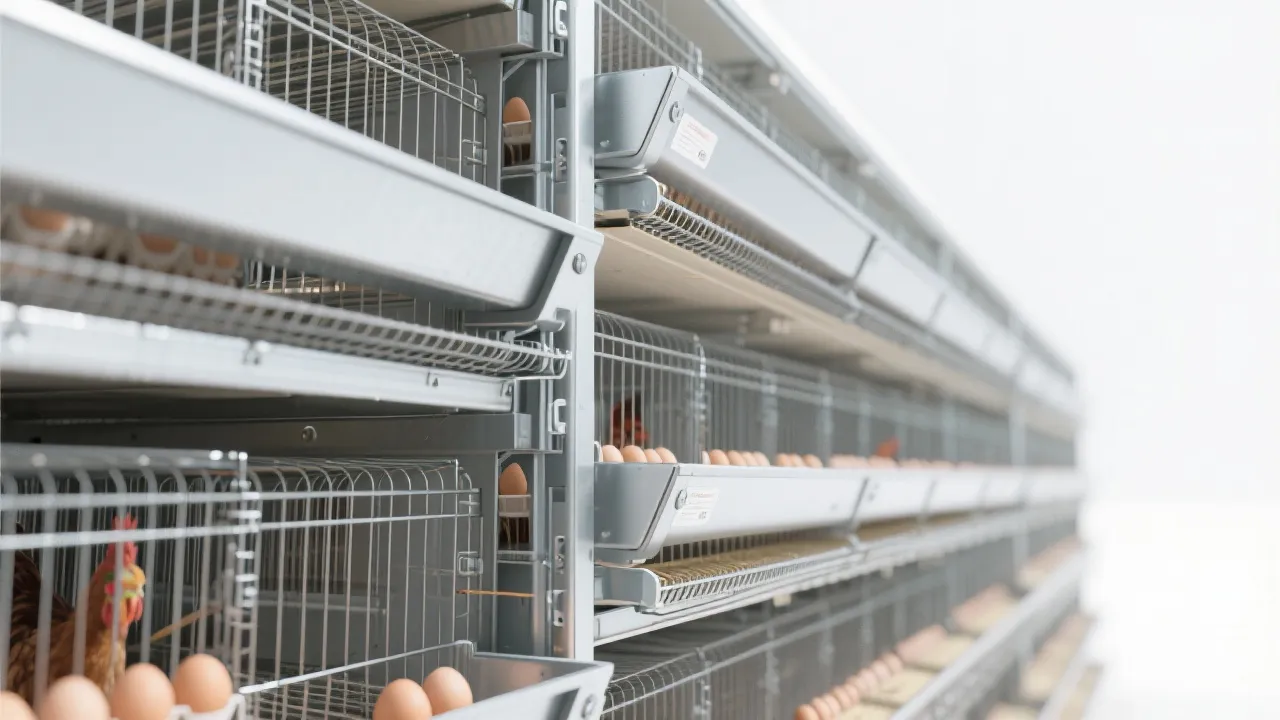
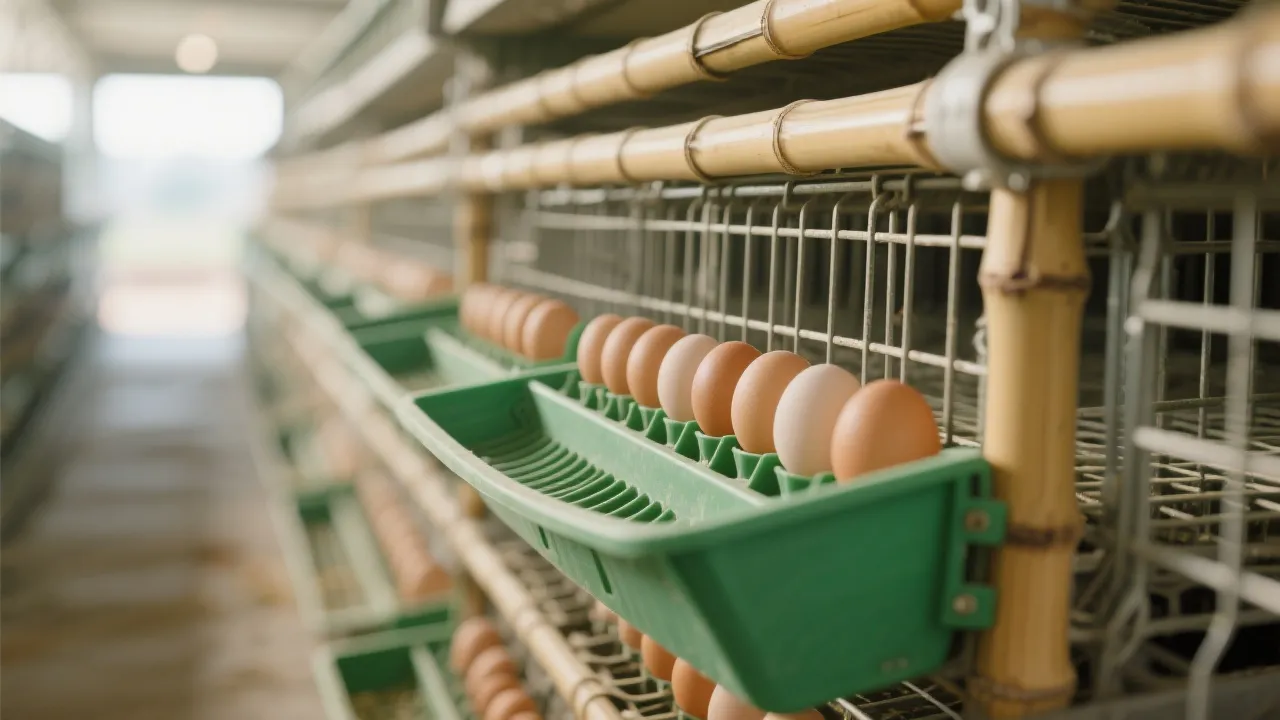
The roller-type system uses low-friction rollers that gently guide eggs from the nesting area into a central collection bin—ideal for farms with moderate egg output. Meanwhile, the conveyor belt system offers higher throughput, moving eggs continuously along a tracked path at speeds up to 250 eggs per minute in optimized setups.
| Feature | Roller-Type | Conveyor Belt |
|---|---|---|
| Avg. Eggs/Min | 150–180 | 220–250 |
| Maintenance Frequency | Weekly | Bi-weekly |
| Cleaning Time per Cycle | ~15 mins | ~20 mins |
In field trials across 12 commercial farms in China’s Henan province, we observed a 35% reduction in manual labor hours and a 92% decrease in cracked or soiled eggs when switching from traditional methods to integrated automation. These results are not just theoretical—they’re measurable outcomes driven by design precision and operational simplicity.
Critical Pre-Installation Checklist
- Chicken House Dimensions: Ensure your barn has at least 2m clearance above the cage level for safe installation of overhead conveyors.
- Power Requirements: Conveyor systems typically need 3-phase power (380V) and dedicated circuit protection—verify availability before ordering.
- Staff Training: Operators must complete a 2-hour on-site training session covering basic troubleshooting, safety protocols, and daily cleaning routines.
One client in Shandong Province reported a 40% drop in egg breakage within one month after implementing proper staff training—a clear sign that human factors matter as much as hardware.
“It’s not about replacing people—it’s about empowering them with tools that make their jobs easier, safer, and more consistent.”
— Dr. Liang Zhang, Livestock Automation Consultant at Livi Machinery
If you're ready to take the next step toward smarter, more efficient egg production, don’t wait until your current setup fails under pressure. Whether you're managing 5,000 hens or 50,000, the right automation solution can transform your operation—and your bottom line.



Hot Products

.jpg?x-oss-process=image/resize,m_fill,h_800,w_800/format,webp)


Popular articles




READY TO START?
Ready to Build Your Poultry Farm?
Tell us your land size, poultry type and farming capacity. LIVI will provide a complete farm solution for your project.