


Practical Strategies for Resourceful Utilization and Environmental Risk Management of Manure in Large-Scale Laying Hen Farms

Practical Strategies for Resource Utilization & Environmental Risk Control in Large-Scale Layer Hen Farms
Large-scale egg production facilities face mounting pressure to balance high-yield poultry farming with stringent environmental compliance. The challenge lies in optimizing manure resource utilization and implementing robust environmental risk prevention measures to meet regulatory standards such as ISO14001 while ensuring operational efficiency. This article explores advanced technological frameworks integrated with proven process flows designed to enable sustainable and compliant layer hen farming.
Automated Manure Removal Systems: The Backbone of Sustainable Egg Production
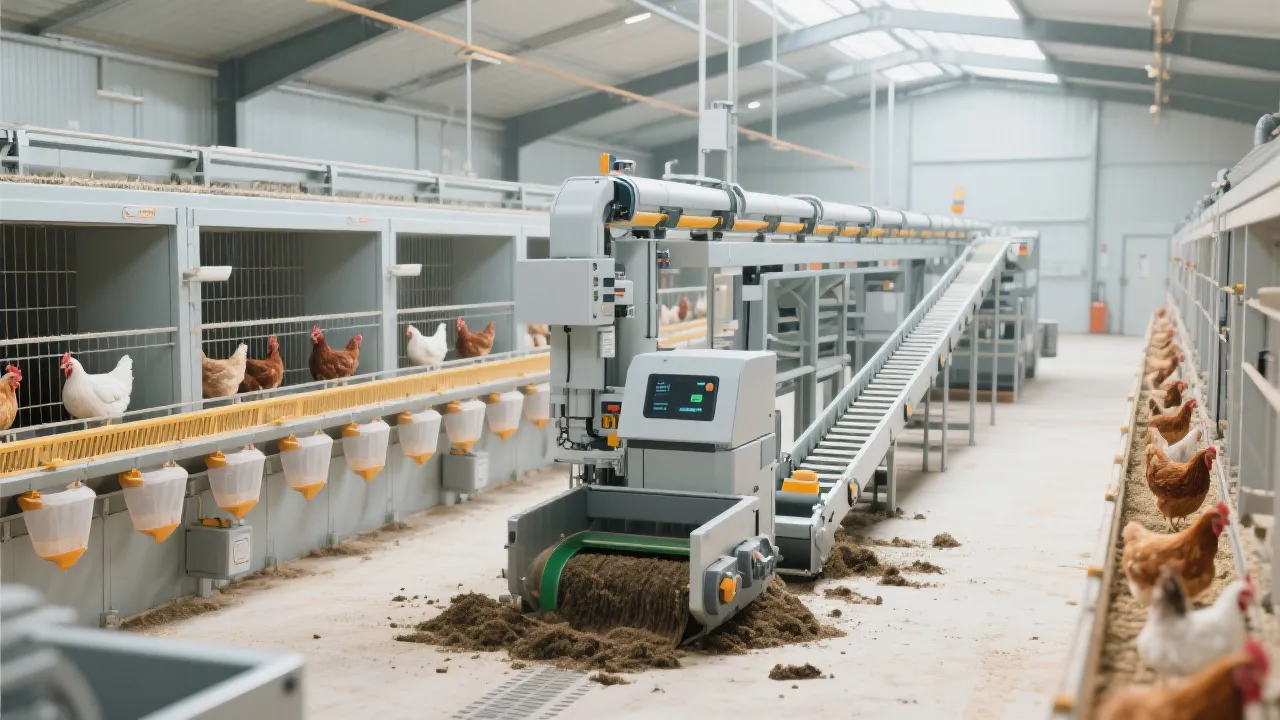
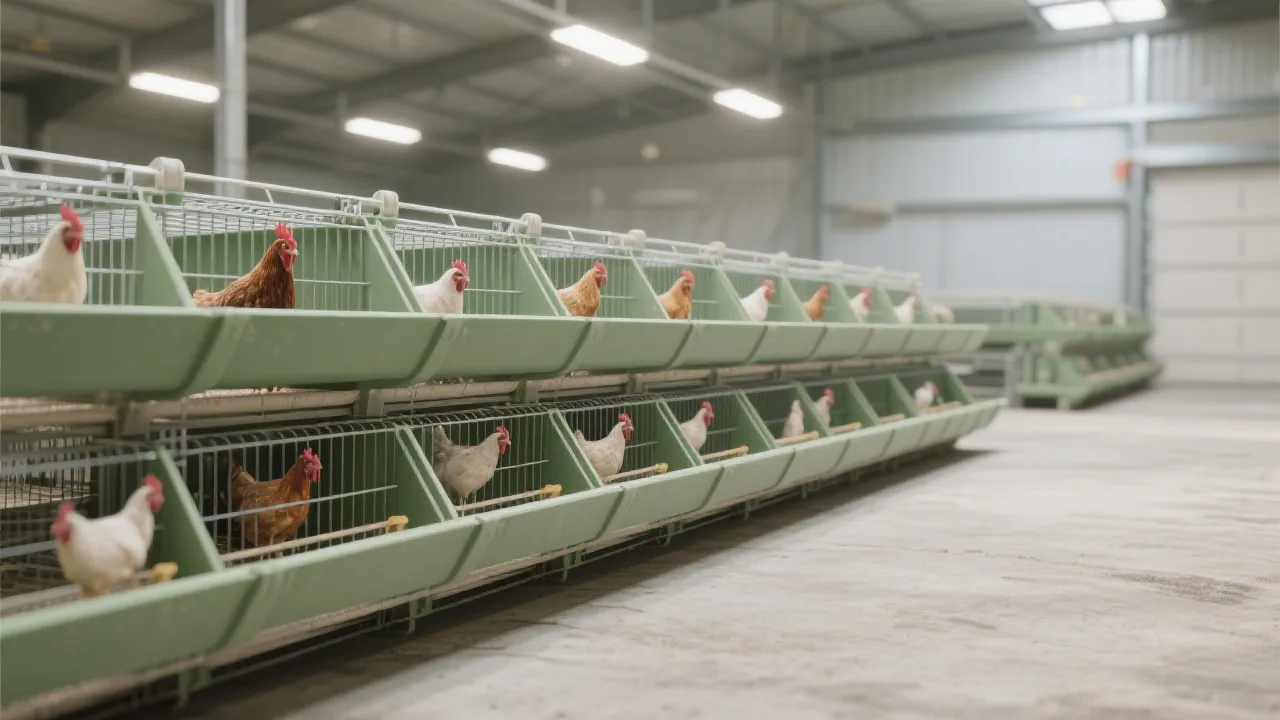
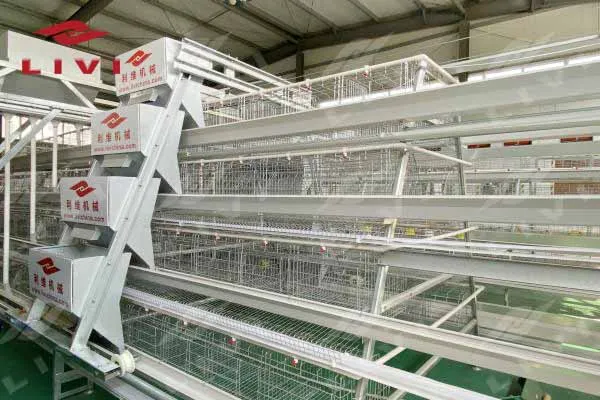
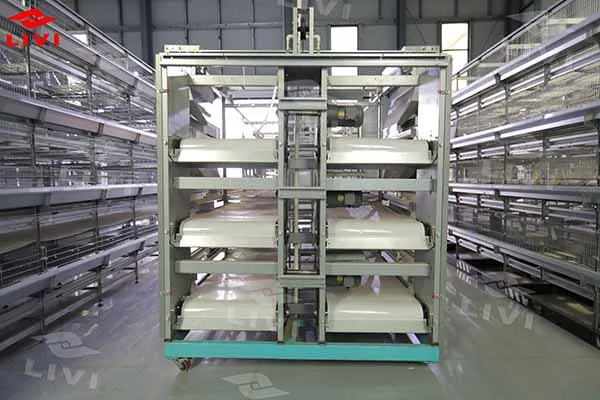
The adoption of H-type cage structures combined with state-of-the-art automated manure removal systems represents a paradigm shift in how manure management is executed on large layer hen farms. The automated systems minimize manual labor, significantly reducing human exposure to contaminants, and enhance manure collection efficiency by up to 40% compared to manual cleaning methods.
These systems typically operate on a continuous conveyor or scraper mechanism synchronized with the hens' waste output. The dry-wet separation technology incorporated into these systems segregates liquid and solid fractions effectively, preparing manure for downstream treatment.
| Manure Treatment Step | Environmental Benefit | Operational Impact |
|---|---|---|
| Dry-Wet Separation | Reduces odor and liquid run-off by 35% | Facilitates handling and storage |
| Anaerobic Digestion | Lowers greenhouse gases; produces biogas | Provides renewable energy onsite |
| Composting & Sanitization | Eliminates pathogens; stabilizes nutrients | Generates high-value organic fertilizer |
“Compliance with ISO14001 requires not only addressing waste treatment but ensuring sustainable resource cycles within production. The integration of automated systems aligned with environmental management systems fortifies regulatory adherence and operational resilience.” — Regulatory Guideline, 2023
Intelligent Ventilation and Temperature Control to Mitigate Environmental Risks
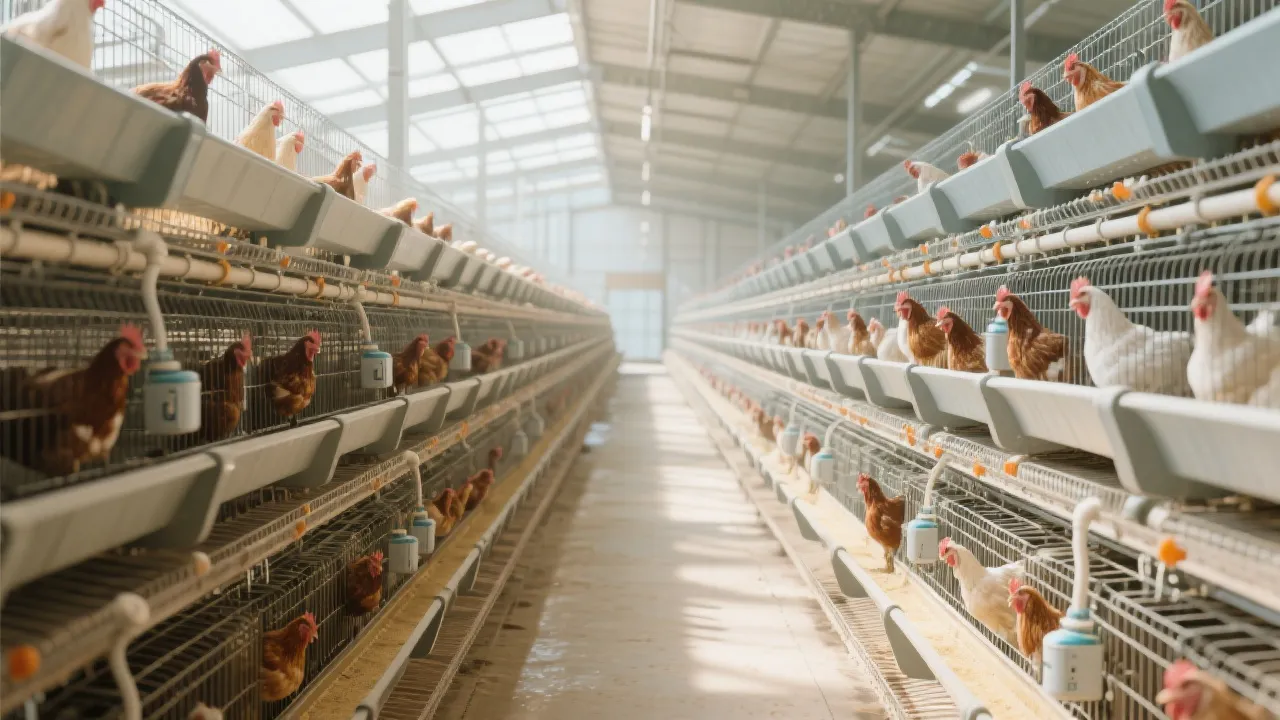
Controlling ammonia concentration and maintaining optimal temperature inside layer hen houses is critical to both animal welfare and environmental protection. Intelligent ventilation systems employing automated sensors dynamically adjust airflow and temperature based on real-time data metrics, achieving ammonia levels below 10 ppm and stable temperature fluctuations within ±2°C.
These systems incorporate:
- Ammonia and humidity sensors: Constantly monitor air quality parameters.
- Variable-speed fans: Modulate ventilation intensity to minimize heat loss.
- Thermostatic controls: Coordinate heating/cooling elements for stable environmental conditions.
Effective environmental controls not only reduce odors and harmful gas emissions that impact workers and neighbors but also have been documented to improve laying rates by 8-12% in farms with optimized systems.
Building a Green Farming Workflow Aligned with International Standards
Establishing a compliant and efficient green farming workflow requires a systematic approach integrating technology, operational best practices, and compliance frameworks:
- Technology Integration: Deploy H-type cage structures supporting automated cleaning and smart ventilation systems to minimize manual intervention and optimize environmental controls.
- Manure Management Protocols: Implement dry-wet separation followed by anaerobic digestion or composting to transform waste from liability into resources, ensuring pathogen reduction and nutrient stabilization.
- Environmental Monitoring: Continuous data logging of air quality, temperature, and humidity enables proactive risk management and supports transparent reporting to regulatory bodies.
- Documentation and Training: Maintain detailed operational records and conduct staff training on green farming and compliance requirements to meet ISO14001 audit standards.
- Certification Preparation: Develop audit-ready documentation demonstrating adherence to environmental policies, continuous improvement plans, and compliance with local environmental protection laws.
Simulation data from integrated farms show a 15-20% increase in certified farms achieving ISO14001 within two years of implementing these workflows, coupled with measurable environmental benefits such as a 25% reduction in untreated nitrogen runoff.
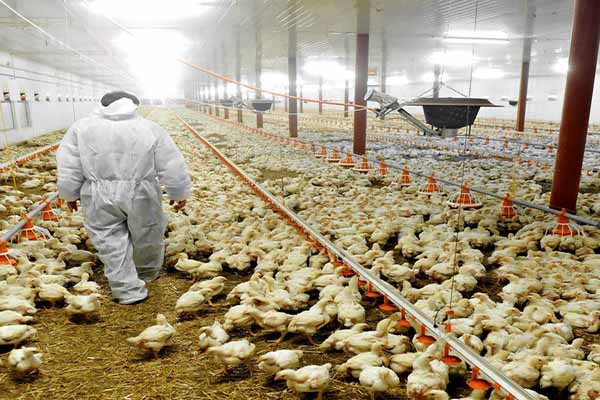
Adoption of these innovations is not merely a compliance exercise but a strategically significant investment in operational excellence and sustainable brand reputation. The automation reduces labor intensity while enhancing biosecurity and waste cycling efficiency. The path to green certification becomes less daunting and more actionable.
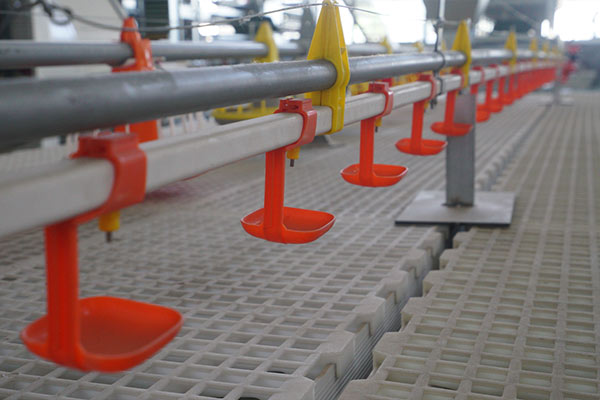
Practical Tips for Implementation and Risk Mitigation
- Periodically calibrate sensors to ensure accurate environmental monitoring and preempt ventilation failures.
- Schedule manure removal synced with automated feeding cycles to optimize timing and reduce ammonia build-up.
- Leverage local agricultural extension services for guidance on composting best practices compliant with environmental regulations.
- Document waste processing steps rigorously to facilitate ISO14001 audit readiness and improve traceability.
- Engage in cross-functional training to ensure all staff understand the environmental impact and operational rationale behind green farming workflows.
Integrating these expert recommendations with technology selection should consider site-specific variables such as climate, batch size, and local environmental policies. The goal is a scalable and replicable model that delivers consistent production gains alongside environmental stewardship.
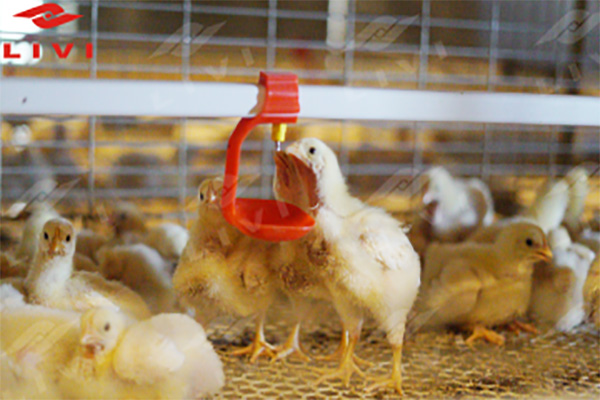
Discover how adopting the H-type cage structure with integrated automated manure removal and intelligent environmental controls can transform your layer hen farm into a model of sustainable, high-yield, and compliant production— Enhance your farm’s efficiency and environmental compliance today.





Hot Products

.jpg?x-oss-process=image/resize,m_fill,h_800,w_800/format,webp)


Popular articles



READY TO START?
Ready to Build Your Poultry Farm?
Tell us your land size, poultry type and farming capacity. LIVI will provide a complete farm solution for your project.