


Practical Strategies for Optimizing Layer Configurations in Zambia's Layer Chicken Farms
Efficient capacity configuration in egg-laying chicken farms is critical for maximizing productivity while ensuring animal welfare and operational efficiency. This article focuses on practical guidance for selecting and configuring A-type layer battery cages with varied layer counts—three, four, and five tiers—in the context of Zambia's poultry industry. By analyzing structural characteristics, capacity implications, and automation benefits, poultry farmers can refine their infrastructure layout to boost egg production and streamline management.
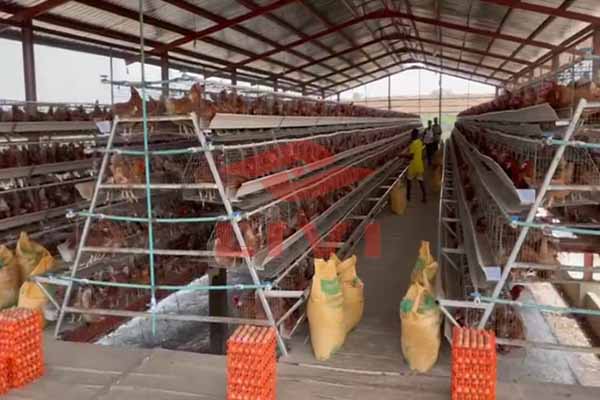
1. Understanding Layer Battery Cage Structures: 3-Layer, 4-Layer Cage Systems
The layer count in battery cages directly impacts farm space utilization and bird performance. Here is an overview of the common configurations:
| Layer Count | Structural Characteristics | Ideal Application |
|---|---|---|
| 3 Layers | Lower height, robust frame; easier maintenance access | Small-medium farms prioritizing bird welfare and manual handling |
| 4 Layers | Balanced height-to-capacity ratio; moderate automation compatibility | Medium-large farms seeking space optimization without compromising access |
Selecting the appropriate layer count should consider farm height constraints, equipment availability, and labor skill sets.
2. Capacity Planning: Impact on Stocking Density, Health, and Efficiency
Proper capacity allocation is crucial to balance bird comfort with production goals. According to industry data, the ideal stocking density for laying hens ranges from 450 to 550 cm² per bird inside the cage compartments. Overcrowding beyond this range can provoke stress, increase disease incidence by up to 30%, and reduce egg quality.
Conversely, too sparse a configuration underutilizes space and inflates operational cost per egg produced. Capacity decisions should also integrate airflow, lighting, and feeding system specifications to maintain a healthy rearing environment and minimize mortality rates, which typically average 5-10% annually in optimized farm settings.
3. Tailored Recommendations Based on Farm Size and Site Conditions
For farms in Zambia with modest ceiling heights (<4 meters) and limited mechanization, 3 or 4-layer cages are preferable. These configurations facilitate manual feeding and cleaning, ensuring precise health monitoring without excessive strain on labor.
Larger commercial operations with higher vertical clearance and automation capability can benefit from 5-layer systems to maximize output per square meter. However, these farms must invest in appropriate equipment to handle feeding, waste removal, and egg collection effectively.
Key Site Factors to Consider:
- Building height and ventilation system capacity
- Labor availability and skill level for manual tasks
- Access to reliable electricity for automation
- Budget constraints for infrastructure investment
4. Automation's Role in Enhancing Management Efficiency
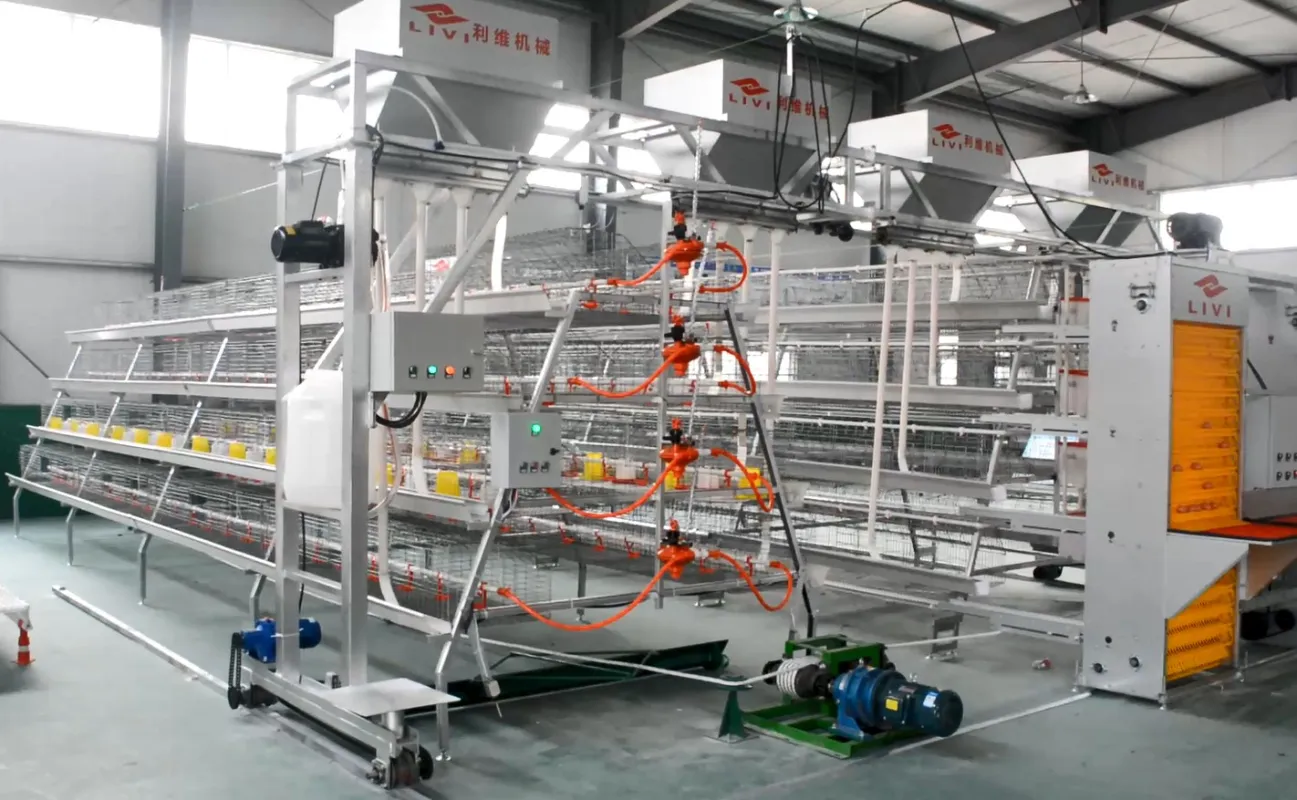
Integrating automation solutions such as automatic feeding, manure cleaning, and egg collection systems significantly improve operational efficiency and reduce labor costs by approximately 25-40%, according to Livi Machinery’s client data.
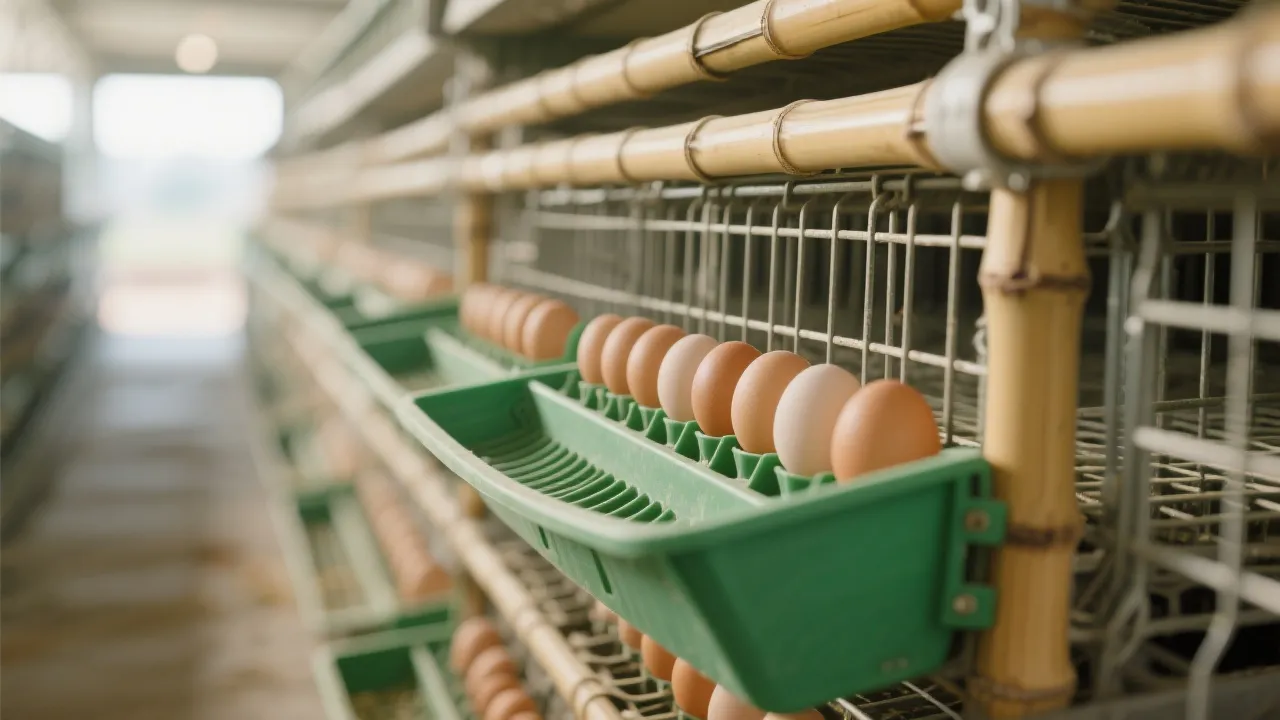
For example, automated egg conveyors reduce breakage rates by 15%, translating to higher revenue retention. Automated manure removal also enhances biosecurity by minimizing pathogen buildup. These benefits justify upfront investments, especially for farms adopting higher layer configurations where manual management becomes impractical.
5. Practical Tips and Common Pitfalls to Avoid
To optimize capacity configuration effectively, poultry farmers should:
- Perform precise space measurements: Misjudged dimensions lead to inefficient layouts and costly retrofits.
- Adopt gradual scaling: Start with smaller batch configurations before expanding to multiple layers.
- Maintain bird health monitoring: Use stocking density data analytics to adjust capacity ensuring welfare standards.
- Invest in automation progressively: Align automation upgrades with farm growth to avoid overextension.
Common Misconceptions:
- Assuming higher layers always equal better efficiency without considering management capability.
- Overlooking ventilation requirements leading to poor air quality and bird stress.
- Ignoring data-backed stocking density standards in favor of maximizing bird count.
.jpg)
As demonstrated by Livi Machinery’s successful deployments across Zambia, farms that embraced tailored cage layering and automation have recorded egg production increases up to 18% while reducing labor turnover by 30%. These case studies underscore the tangible benefits of strategic capacity planning.
Interactive Q&A
Q: How to determine the optimal cage layer count if my facility has limited ceiling height?
A: Prioritize 3 or 4-layer cages for easier access and management; focus on quality over quantity to maintain bird welfare.
Q: Is automation cost-effective for small-scale farms?
A: Partial automation, such as automatic egg conveyors, can deliver efficiency gains even for smaller operations with a reasonable ROI timeframe.




Hot Products

.jpg?x-oss-process=image/resize,m_fill,h_800,w_800/format,webp)


Popular articles



READY TO START?
Ready to Build Your Poultry Farm?
Tell us your land size, poultry type and farming capacity. LIVI will provide a complete farm solution for your project.