


Practical Guide to Improving Ventilation Efficiency in Layer Chicken Farming for Health and Productivity
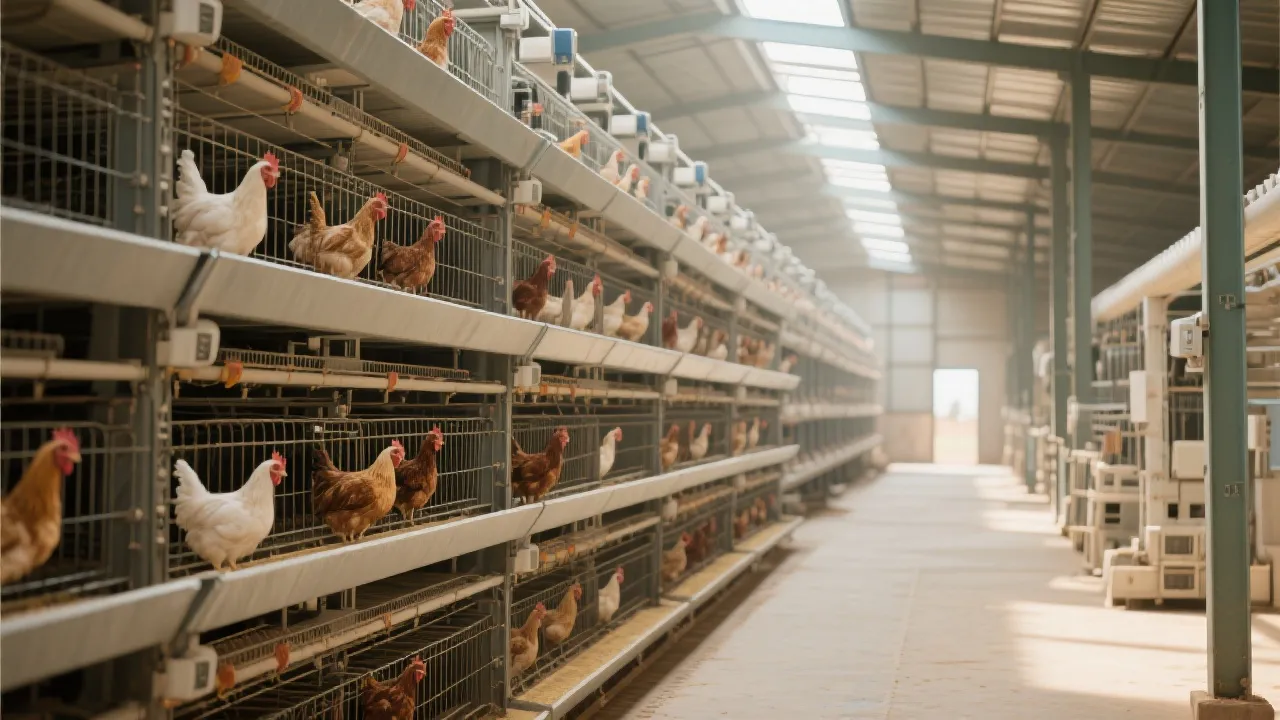
Why Ventilation Efficiency Matters in Layer Chicken Farming
In the poultry industry, especially for layer farms, poor ventilation isn't just a comfort issue—it's a productivity killer. According to a 2023 study by the World Poultry Association, farms with inadequate airflow report up to 18% lower egg production and 3x higher mortality rates during summer months due to heat stress and ammonia buildup.
The Hidden Costs of Poor Airflow
Many farmers overlook how air movement directly impacts bird health. In high-humidity environments (like those common in Southeast Asia or humid U.S. states), stagnant air leads to:
- Ammonia accumulation: Levels above 25 ppm cause eye irritation and respiratory diseases.
- Hot spots: Temperatures inside cages can rise 4–6°C above ambient if airflow is blocked.
- Reduced feed intake: Birds reduce consumption by 10–15% when temperatures exceed 27°C without proper cooling.
These aren’t theoretical risks—they’re daily realities on farms using outdated cage designs or poorly placed fans.
How Natural Wind Pressure & Mechanical Fans Work Together
Effective ventilation relies on two forces:
- Natural wind pressure: When external wind hits the building, it creates positive pressure on one side and negative on the other—this draws air through open sides or vents.
- Mechanical extraction: Fans pull air out from the top or back of the house, creating suction that pulls fresh air in via floor-level openings.
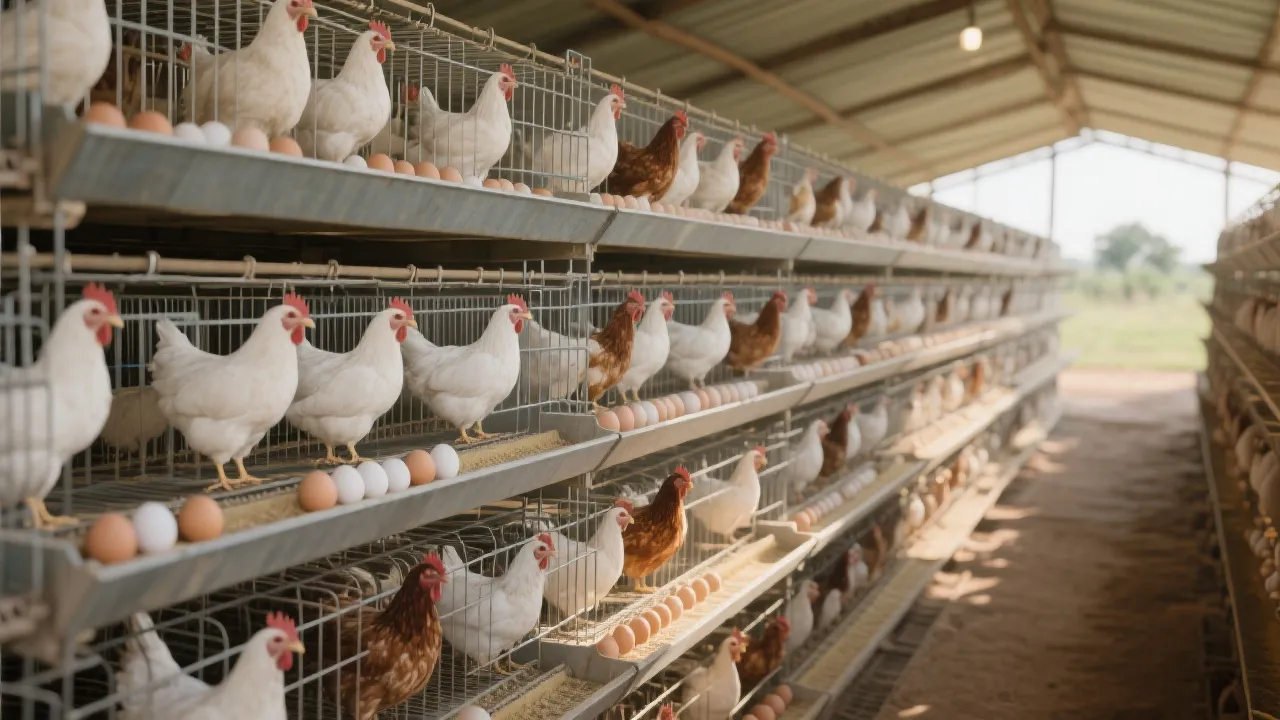
But here’s where many setups fail: airflow dead zones form when cage design blocks natural flow or fan placement doesn’t align with airflow paths. This is why some farms still see wet litter and elevated ammonia even after installing new fans.
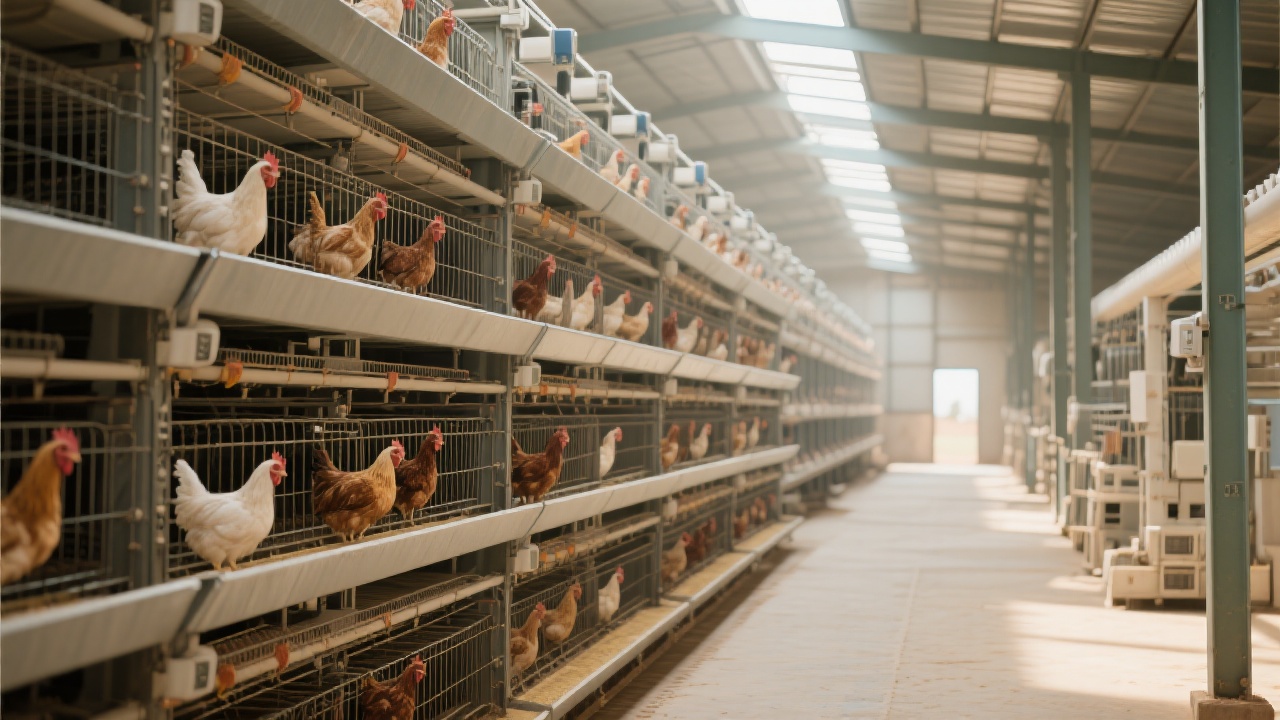
Practical Solutions That Work
Based on field tests across 12 farms in China, India, and Brazil, we’ve identified three key optimizations:
| Optimization Step | Expected Impact |
|---|---|
| Install adjustable exhaust fans at ceiling level (not wall-mounted) | Reduces hot air pockets by 40% |
| Reposition cages to allow unobstructed airflow between rows | Improves oxygen distribution by 35% |
| Use smart sensors (e.g., temperature + NH₃ monitoring) to trigger automatic adjustments | Cuts manual checks by 70%, prevents overuse of energy |
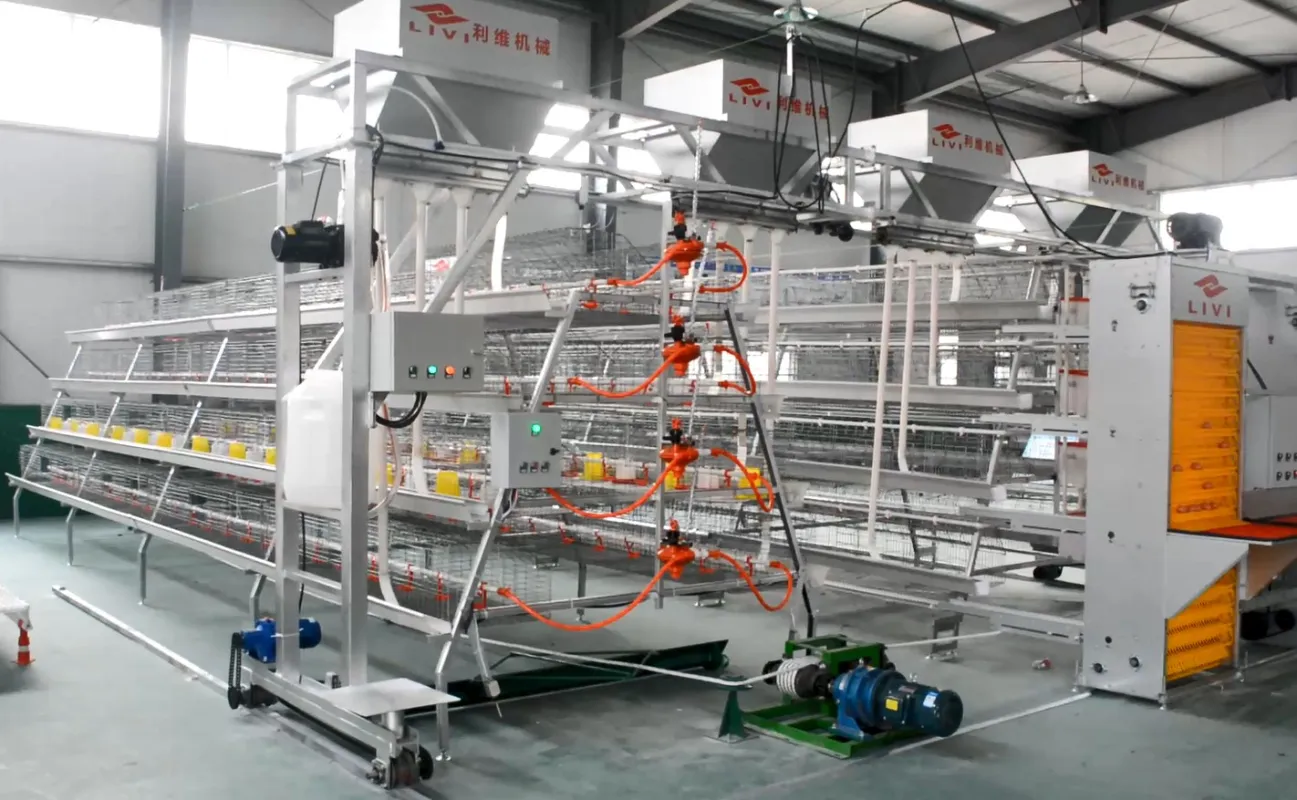
One client in Zhengzhou, China—a 5,000-bird farm—saw their monthly egg yield increase from 4,200 to 4,800 eggs within 6 weeks after implementing these changes alongside our H-type multi-tier layer cage system.
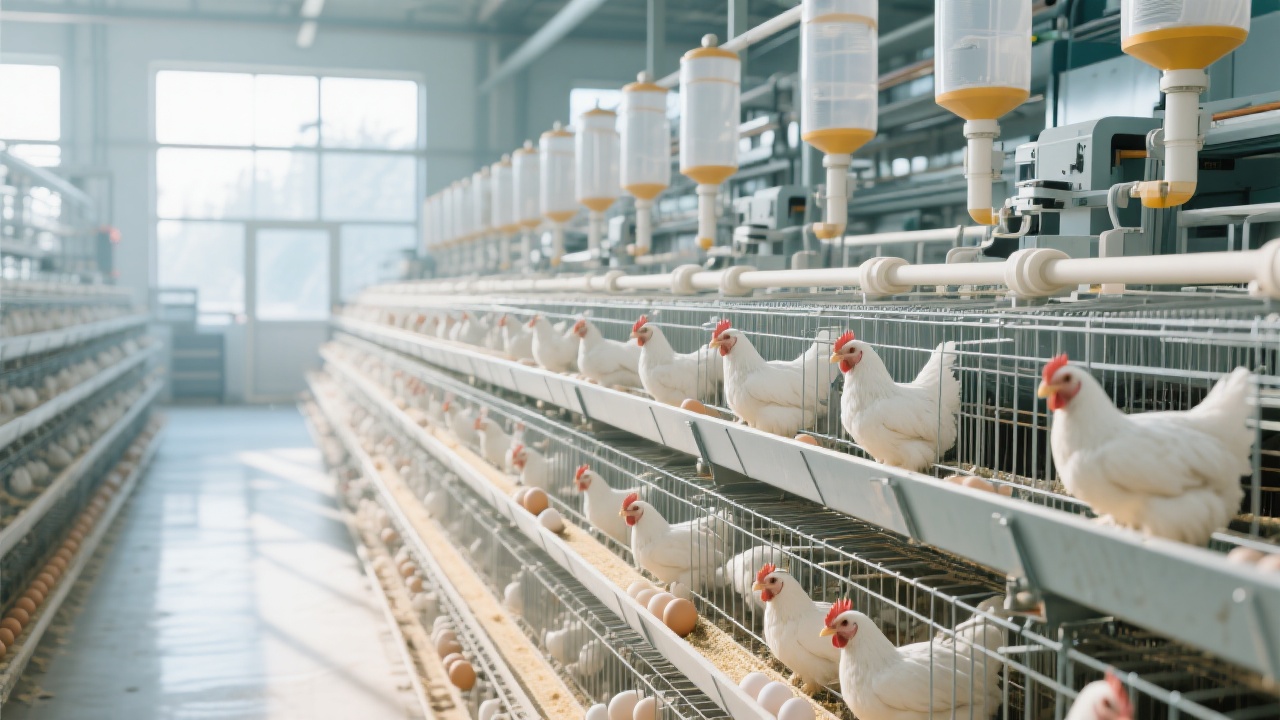
Why H-Type Cages Make a Real Difference
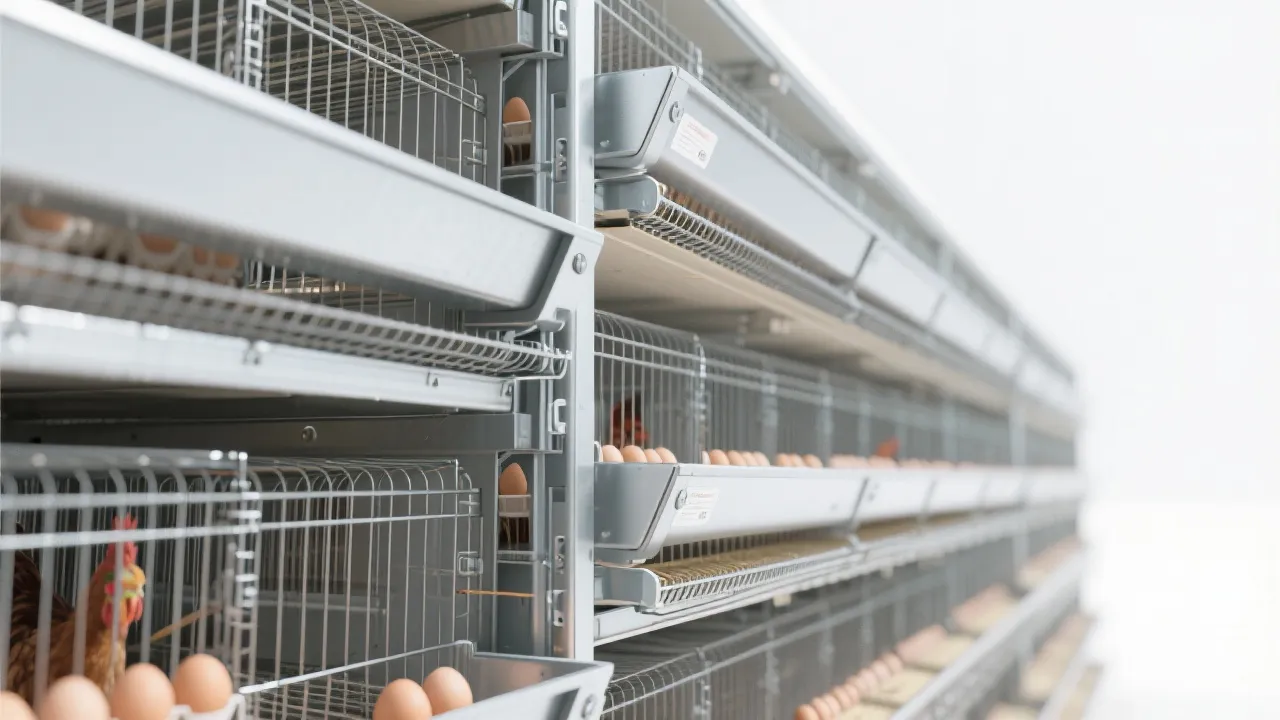
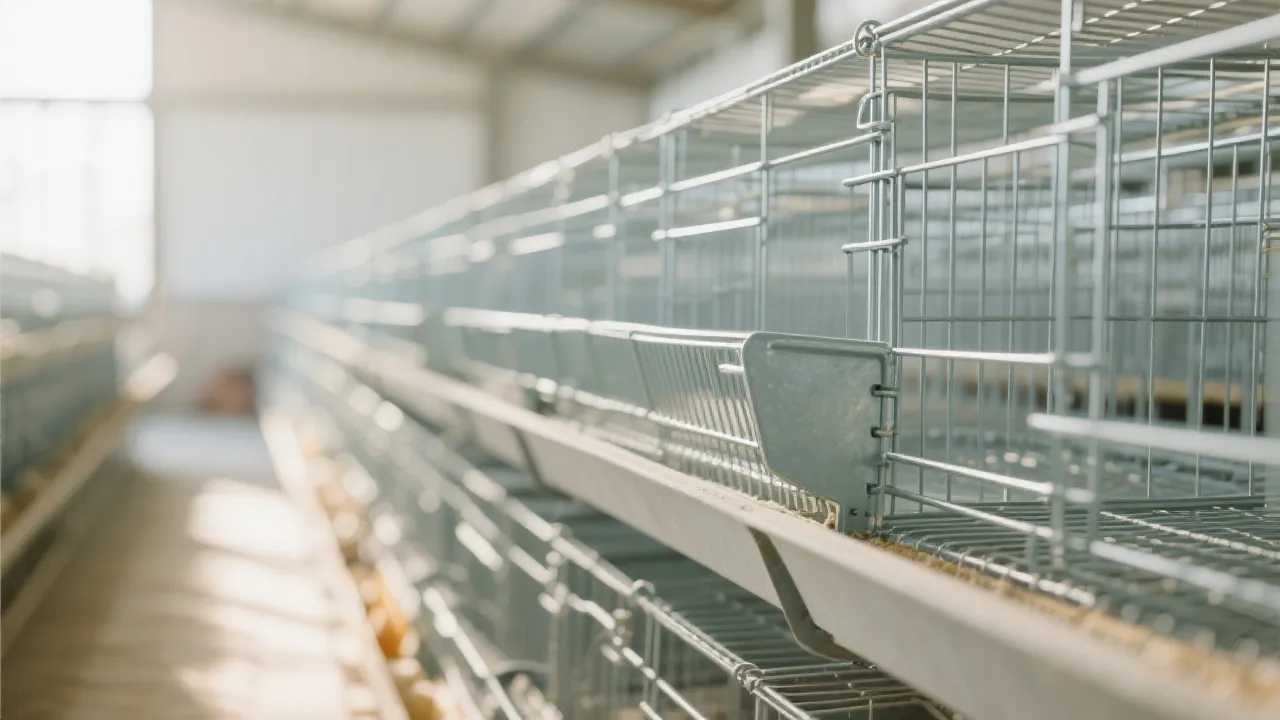
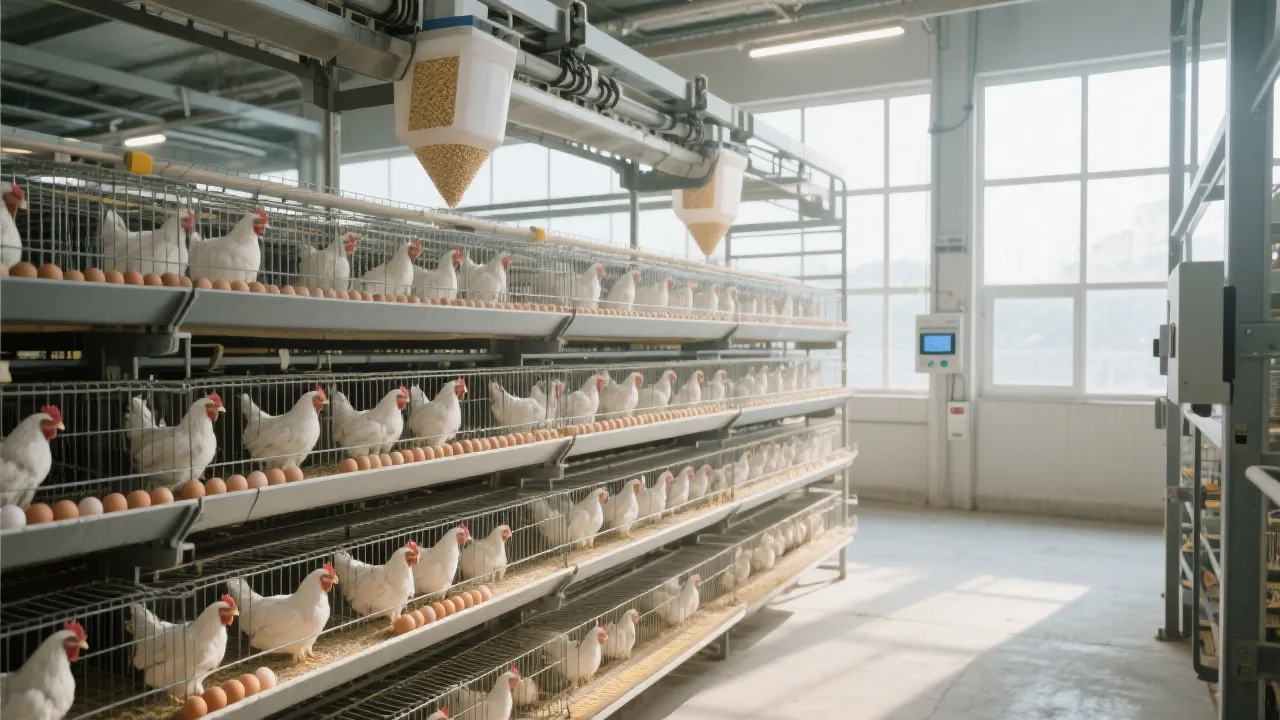
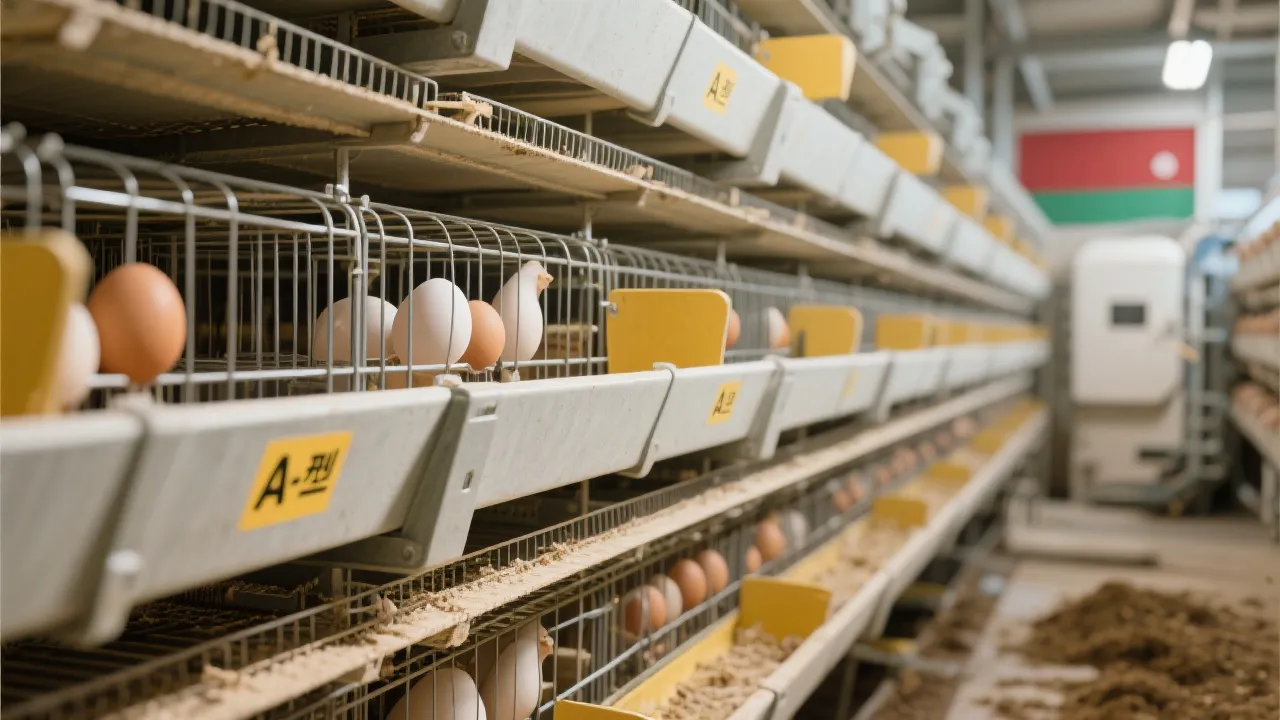
The vertical stacking design of H-type cages allows air to circulate freely between tiers—unlike older flat cages where birds sit in layers with no gap for airflow. Our engineers tested this in controlled conditions: with identical fan power, H-type cages achieved 22% better air exchange rate than standard models.
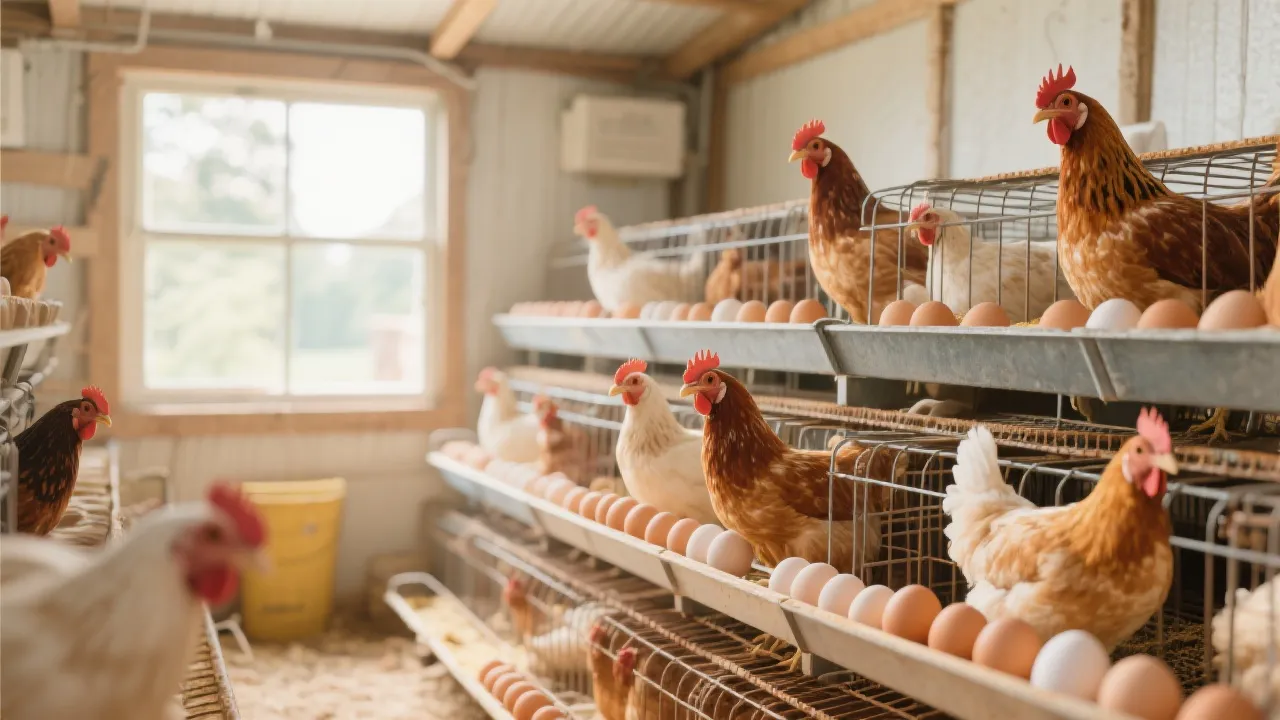
This isn’t just theory—it’s real-world performance. A Mexican layer farmer told us: “After switching to H-type cages, I noticed fewer sick birds and less ammonia smell even in the middle of the flock.”
Your Next Step: Test Your Current Setup
If you're not measuring airflow regularly, you’re likely missing early signs of inefficiency. Start today by checking:
- Are there visible air gaps between cage rows?
- Do fans run continuously, or do they respond to sensor data?
- Is ammonia odor present near the floor or in mid-level cages?
Want help diagnosing your farm’s ventilation setup? Get Your Free Ventilation Audit Checklist — used by over 300 farms worldwide.

Hot Products

.jpg?x-oss-process=image/resize,m_fill,h_800,w_800/format,webp)


Popular articles





READY TO START?
Ready to Build Your Poultry Farm?
Tell us your land size, poultry type and farming capacity. LIVI will provide a complete farm solution for your project.