


Poultry House Automation System Configuration: Feeding, Drinking, Manure Removal & Egg Collection
Modern layer farms increasingly rely on an integrated poultry house automation system to keep daily management consistent at scale. This page from Livi Machinery explains how to configure four core subsystems—automatic feeding, automatic drinking, manure removal, and egg collection—so they work together smoothly, reduce labor intensity, and match different farm capacities.
The guidance below is applicable to automated layer houses using high-capacity cage solutions such as Livi’s High-Efficiency H-Type Layer Chicken Cage (commonly designed for farms in the 5,000–30,000 birds range), where layout, timing, and capacity matching become critical.
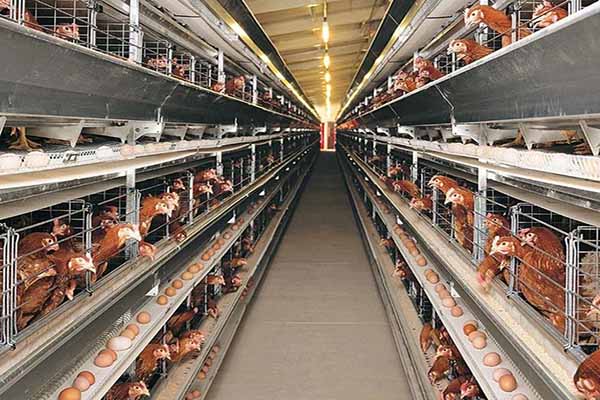
1) How the 4 Subsystems Connect (System Thinking)
A poultry house automation system performs best when it is configured as one coordinated workflow, not four separate purchases. In layer production, the four subsystems form a continuous chain:
- Feeding delivers stable ration timing and uniform distribution along cage rows.
- Drinking maintains consistent water access and pressure for nipple lines across all tiers.
- Manure removal keeps belts/paths clear to support air quality and reduce daily cleaning workload.
- Egg collection moves eggs gently and continuously to reduce manual handling and organize packing flow.
Configuration principle: match capacity (birds/rows/tiers), layout (house length/aisles/end rooms), and timing (feeding cycles, egg pickup windows, manure belt schedule) so no subsystem becomes a bottleneck.
2) Farm-Scale Inputs You Should Confirm Before Selecting Equipment
To configure an integrated solution, confirm these practical inputs first (they directly impact motor sizing, line length, conveyor routing, and daily operation rhythm):
House & cage layout
Number of rows, tiers, house length, aisle width, and end-room allocation for feed/egg handling.
Target capacity & expansion plan
For example, H-type layer cage projects often range from 5,000–30,000 birds; plan whether you will add rows/tiers later to avoid rework.
Local utilities & operating conditions
Power stability, water source and filtration, and environmental management expectations (ventilation/temperature) that affect belt timing and egg handling.
3) Automatic Feeding System: What to Prioritize
The feeding subsystem should deliver uniform feed distribution along every tier and row, with a layout that is easy to inspect and maintain.
- Line length & routing: confirm cage-row lengths and turning points to minimize dead zones and simplify servicing.
- Capacity matching: feed delivery rate should keep pace with the total number of birds and the chosen feeding schedule.
- Integration with cage design: for H-type systems, align feeding lines to each tier to maintain consistent access across levels.
- Operational consistency: stable timing reduces stress and helps management standardize daily routines.
Practical tip: When farm scale increases, feeding becomes a “rhythm setter” for the house—plan access points for checking distribution and clearing blockages without stopping the whole line.
4) Automatic Drinking System: Stability, Hygiene, and Pressure Control
A well-configured drinking system focuses on reliable water availability and hygiene, especially in multi-tier H-type cage houses where pressure consistency matters.
- Nipple line layout: keep lines straight and accessible for periodic checks and cleaning.
- Pressure consistency: ensure stable supply across long rows and multiple tiers to avoid uneven drinking behavior.
- Water quality readiness: plan filtration and basic flushing points according to local water source conditions.
- Daily inspection path: configure so staff can quickly identify leaks, blockages, or abnormal flow.
5) Manure Removal System: Keep the House Clean With Predictable Scheduling
Manure removal affects air quality and routine workload. In automated layer houses, a planned removal schedule supports healthier housing conditions and easier day-to-day management.
- Removal path & discharge point: define where manure exits the house and how it is handled afterward.
- Capacity alignment: belt/run frequency should match flock size and house management targets.
- Maintenance access: ensure belt tensioning and inspection points are reachable without disrupting other subsystems.
- Coordination with egg collection: plan schedules so both systems can run efficiently without traffic conflicts in end rooms.
6) Automatic Egg Collection: Gentle Handling + Clear Packing Workflow
The goal of egg collection automation is to reduce manual handling and organize egg flow from cage to packing area with fewer interruptions.
- Conveyor layout: select routing that minimizes sharp turns and supports smooth transfer to the collection point.
- End-room planning: reserve space for collection, sorting, and packing so staff movement stays safe and efficient.
- Synchronization: align egg collection timing with feeding/drinking checks to simplify daily routines.
- Inspection points: ensure easy access to check belt tracking and cleanliness.
7) Recommended Integration Logic for H-Type Layer Cage Projects
For commercial layer farms using Livi’s High-Efficiency H-Type Layer Chicken Cage, integration is most effective when the cage structure and automation routing are designed together:
| Subsystem | Key configuration focus | Why it matters in H-type houses |
|---|---|---|
| Feeding | Uniform distribution across rows/tiers; accessible line checks | Multi-tier density requires consistent delivery to avoid uneven intake |
| Drinking | Stable pressure; filtration and flushing readiness | Long lines and multiple tiers amplify pressure variation risks |
| Manure removal | Discharge planning; scheduled belt runs; maintenance access | Predictable removal supports cleaner aisles and easier daily management |
| Egg collection | Gentle conveyor routing; end-room workflow design | Clear, continuous egg flow reduces handling and improves operational order |
8) Materials, Durability, and Compliance (What Livi Machinery Uses)
Cage foundation built for long-term operation
Livi’s H-type layer cage solution is manufactured with Q235 steel and treated with hot-dip galvanizing plus an aluminum-zinc alloy coating for durability. The product is positioned for commercial farms and is designed for long-term use (typical stated service life: 15–20 years, depending on operating conditions and maintenance).
Quality and standards
Livi Machinery follows structured quality control from raw material selection through shipment inspection, and the system is produced under internationally recognized management and compliance frameworks including ISO 9001, ISO 14001, and CE (as applicable to the supplied scope).
9) Typical Delivery Scope: From Configuration to Project Execution
As an integrated manufacturer and solution provider, Zhengzhou LIVI Machinery Manufacturing Co., Ltd. (Livi Machinery) supports layer farm projects with end-to-end coordination. Depending on your project, the scope may include:
- System configuration for feeding, drinking, manure removal, and egg collection aligned to the house layout
- High-capacity cage solution selection (including H-type layer cage systems) to match the planned bird number
- Technical support and after-sales coordination throughout installation and operation stages
- One-stop project approach consistent with Livi’s “land-to-farm” delivery concept (EPC-style, where applicable)
Livi Machinery has served customers across 80+ countries and regions and has conducted extensive on-site farm visits, helping teams adapt configurations to different climates, management habits, and market requirements.
Talk to Livi Machinery About Your Automation Layout
If you share your target bird capacity, house dimensions, and preferred management routine, Livi Machinery can help you align the poultry house automation system—automatic feeding, automatic drinking, manure removal, and automatic egg collection—into a practical integrated configuration suitable for your layer project.
Suggested inquiry checklist: birds planned, number of rows/tiers, house length/width, end-room space, power/water conditions, and whether you need expansion-ready routing.
Brand keywords: Livi Machinery • Livi Poultry Cage • Livi Poultry Farming Equipment • Livi Poultry Farm Solution

Hot Products

.jpg?x-oss-process=image/resize,m_fill,h_800,w_800/format,webp)


Popular articles
READY TO START?
Ready to Build Your Poultry Farm?
Tell us your land size, poultry type and farming capacity. LIVI will provide a complete farm solution for your project.