


Selecting Poultry Farming Equipment Compliant with International Certifications: Strategies to Boost Export Competitiveness

Selecting Poultry Farming Equipment Compliant with International Certification Standards: A Strategic Approach for Exporters
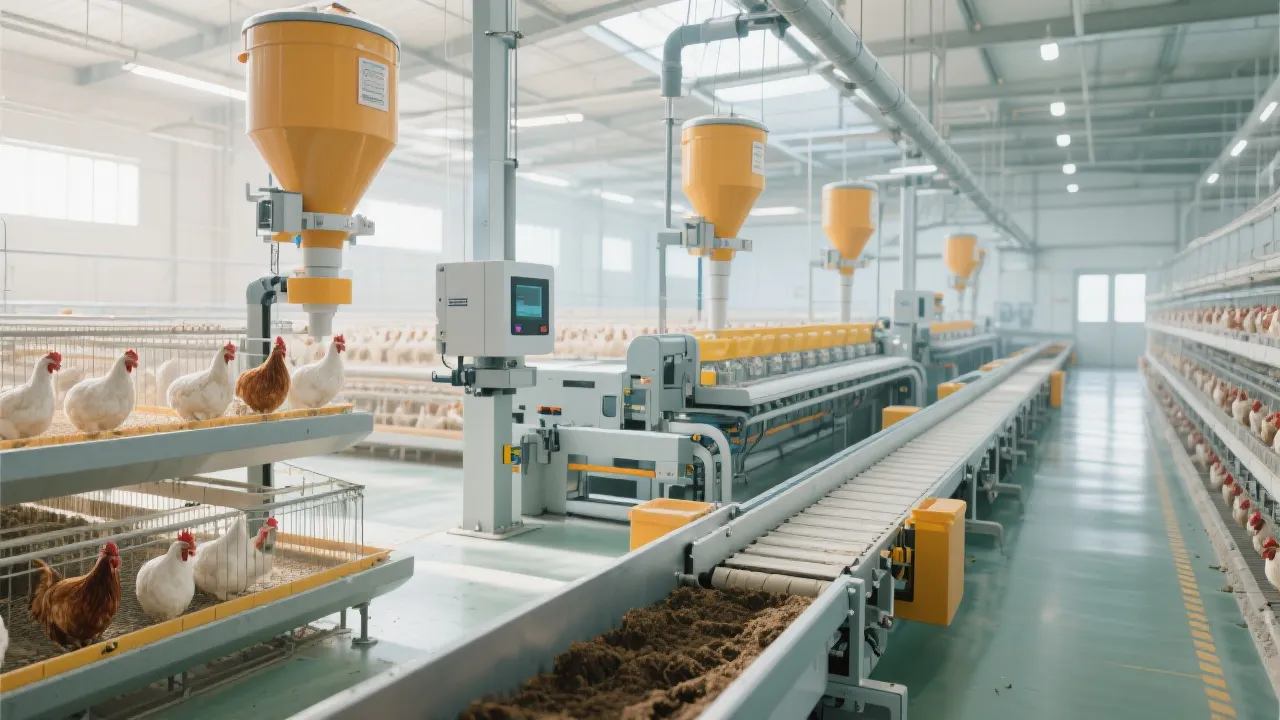
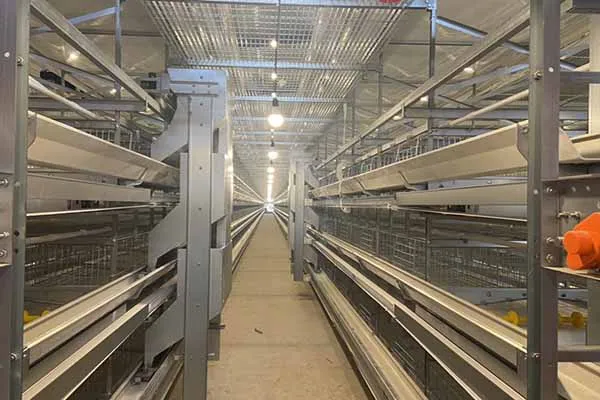
In today’s highly competitive global market, poultry farming equipment—particularly egg-laying cages—must meet stringent international standards to ensure quality, safety, and environmental sustainability. For exporters, aligning with certifications such as ISO 9001, ISO 14001, and CE marking is not merely a regulatory necessity but a vital differentiator to capture overseas market trust and drive export growth.
Leveraging ISO 9001 and ISO 14001 to Enhance Quality and Sustainability
ISO 9001
Complementing quality management, ISO 14001
Industry Data Insight:
According to a recent global agricultural equipment report, 65% of international buyers prefer suppliers demonstrating ISO 9001 and ISO 14001 certifications—reflecting an increasing preference for quality assurance combined with environmental accountability.
CE Certification: Elevating Safety and Market Competitiveness
The CE mark is a mandatory compliance indicator for equipment sold within the European Economic Area (EEA). It embodies conformity with European safety, health, and environmental protection standards. For egg-laying cage equipment, CE certification confirms that the product's electrical components, structural integrity, and operational safety meet rigorous tests—significantly reducing liability risks and improving client confidence.
Exporters aiming for entry or expansion into EU markets benefit from CE certification not only for regulatory access but also as a competitive edge that signals reliability and adherence to internationally recognized norms.

Operational Excellence through Standardized Inspection and Environmental Maintenance
Beyond certifications, poultry enterprises must adopt a rigorous regimen of standardized inspections and eco-conscious maintenance to sustain operational efficiency. Best practices include:
- Regular structural assessments of egg-laying cages for wear, corrosion, and mechanical function to preempt failure and downtime.
- Implementation of waste management protocols aligned with ISO 14001 environmental objectives, including recycling of packaging and minimizing hazardous materials.
- Routine training for operational staff on safety norms and environmental responsibilities, enhancing compliance awareness.
Such preventive maintenance aligns “compliance” and “efficiency” — a dual-core value that underpins sustainable competitiveness in global poultry farming markets.

Building Trust and Expanding Markets via Compliance-Driven Strategies
For large-scale poultry farms and equipment exporters, the path to international market leadership is paved with transparent compliance and demonstrable quality. Certifications like ISO 9001, ISO 14001, and CE not only meet import requirements but also reinforce brand equity.
Research shows that companies investing in certified equipment witness an average 20% increase in overseas client inquiries and a 15% acceleration in contract closures within the first year—validating the strategic value of certification adherence.

Practical Checklist for Equipment Compliance and Maintenance
- Verify ISO 9001 and ISO 14001 certification documentation from your equipment supplier.
- Ensure CE marking is affixed and supported by a Declaration of Conformity.
- Schedule bi-annual equipment inspections focusing on safety and mechanical integrity.
- Implement waste segregation and disposal procedures aligned with environmental policies.
- Conduct regular staff training on operational safety and environmental compliance.



Hot Products

.jpg?x-oss-process=image/resize,m_fill,h_800,w_800/format,webp)


Popular articles






READY TO START?
Ready to Build Your Poultry Farm?
Tell us your land size, poultry type and farming capacity. LIVI will provide a complete farm solution for your project.