


How to Decide the Right Automation Level for Your Poultry Farm (Scale, Management & ROI)
Automation can make a poultry farm more efficient—but “more automated” is not automatically “better.” The right decision depends on your farm scale, labor reality, management and maintenance capability, poultry house conditions, and your expected return on investment (ROI).
Livi Machinery (Zhengzhou Livi Machinery Manufacturing Co., Ltd., established in 2013) supports poultry projects with poultry cages, feeding/drinking systems, manure removal, egg collection, house environmental control and steel-structure poultry house solutions—plus EPC-style turnkey delivery from planning to handover, based on real site conditions.
1) Define “automation level” in practical modules
Instead of debating “automatic vs. manual,” evaluate each system module separately. Many farms achieve better ROI by upgrading one or two bottlenecks first, then scaling automation as operations stabilize.
Core modules commonly considered
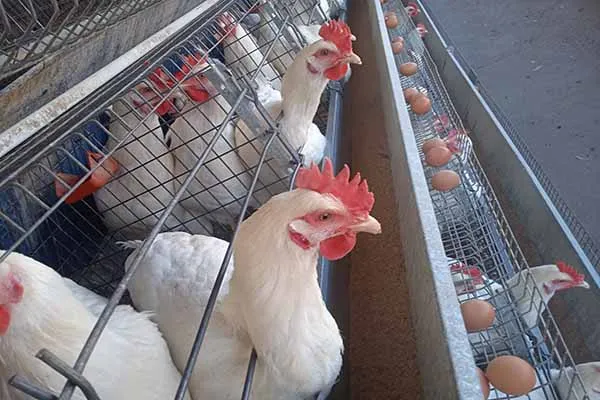
- Housing & cage system: layer cage, broiler cage, brooding/growing cage; layout and aisle width affect equipment compatibility.
- Feeding: manual/assisted feed distribution vs. automated feeding lines.
- Drinking: stable pressure and water quality management; automated drinking lines reduce daily labor but require routine inspection.
- Manure removal: manual cleaning vs. automated manure removal systems; often a major labor and hygiene driver.
- Egg collection (layers): manual picking vs. automated egg collection systems; reduces breakage risk caused by handling variability, but needs correct adjustment.
- Environmental control: ventilation/cooling/heating/control for stable house conditions; effectiveness depends heavily on house design and power stability.
2) Five decision factors that determine whether higher automation pays back
Use the checklist below to avoid over-investing in configurations that your site cannot reliably operate or maintain.
3) A practical ROI workflow (no guessing, no over-configuration)
- Map your daily operating tasks (feeding, watering checks, manure handling, egg collection, house checks) and identify where labor time and errors happen most.
- Confirm constraints: power stability, water quality, spare parts lead time, and technician availability.
- Select “must-have” modules first that reduce repetitive labor and improve consistency (often feeding/drinking/manure removal; layers may add egg collection).
- Match equipment to building reality: cage rows, aisle width, manure belts/scrapers path, egg belt routing, ventilation layout, and control placement.
- Plan training and maintenance routines: inspection frequency, critical spare parts list, and simple fault-handling process.
- Phase upgrades once performance is stable, instead of stacking every automation option into the first build.
Practical note: The best ROI is often achieved by reducing operational variability (missed feeding, uneven water supply, delayed manure removal, inconsistent ventilation checks), not only by reducing headcount.
4) Common investment mistakes (and how to avoid them)
- Buying the highest automation package without a maintenance plan: create a routine checklist, spare parts strategy, and assign responsibility before installation.
- Ignoring building readiness: equipment selection must align with house dimensions, ventilation scheme, and corridor routing to avoid rework and performance loss.
- Overlooking utilities (power/water): automation relies on stable inputs; weak utility conditions can undermine the value of advanced systems.
- Not matching automation to workforce reality: if labor is low-cost and stable, invest where it improves consistency and hygiene first, then upgrade gradually.
- Treating ROI as only “payback time”: also consider management benefits—standardized operations, improved process control, and easier scaling across houses.
5) How Livi Machinery supports the right-fit automation decision
As a manufacturing-integrated supplier and turnkey poultry farm solution partner, Livi Machinery helps align equipment choices with your operating reality—so the automation level is workable, maintainable, and scalable.
Scope typically covered (project-based)
- Equipment selection for cages and core automation modules (feeding, drinking, manure removal, egg collection, environmental control).
- Farm layout and configuration guidance to match house conditions and future expansion plans.
- Quality control from raw materials to shipment, with structured inspection steps.
- Turnkey delivery approach for customers who want a single coordinated solution from planning to project handover.
- Global project experience across multiple regions (Africa, Middle East, Southeast Asia, South America, Central Asia, Europe), supporting different labor and utility environments.
Information that helps us recommend an ROI-aligned automation level
- Bird type & capacity: layers or broilers; current and target scale.
- House details: dimensions, number of houses, planned construction schedule.
- Labor profile: availability, wage range, turnover.
- Utilities: power stability, water quality, backup solutions.
- Management capability: who maintains equipment, spare parts access, preferred complexity level.
- ROI preference: conservative vs. aggressive upgrade path; financing constraints.
If you want to avoid over-investing, start by deciding what must be automated now to stabilize daily operations, and what can be upgraded later as your team and farm infrastructure mature. Livi Machinery can help you structure that phased plan around equipment compatibility and real-world operating conditions.


Hot Products

.jpg?x-oss-process=image/resize,m_fill,h_800,w_800/format,webp)


Popular articles


READY TO START?
Ready to Build Your Poultry Farm?
Tell us your land size, poultry type and farming capacity. LIVI will provide a complete farm solution for your project.