


Poultry Equipment Export Guide: CE & ISO Certifications for EU and Middle East Markets | Compliance Standards

Why EU and Middle East Buyers Demand Certification—Not Just Price
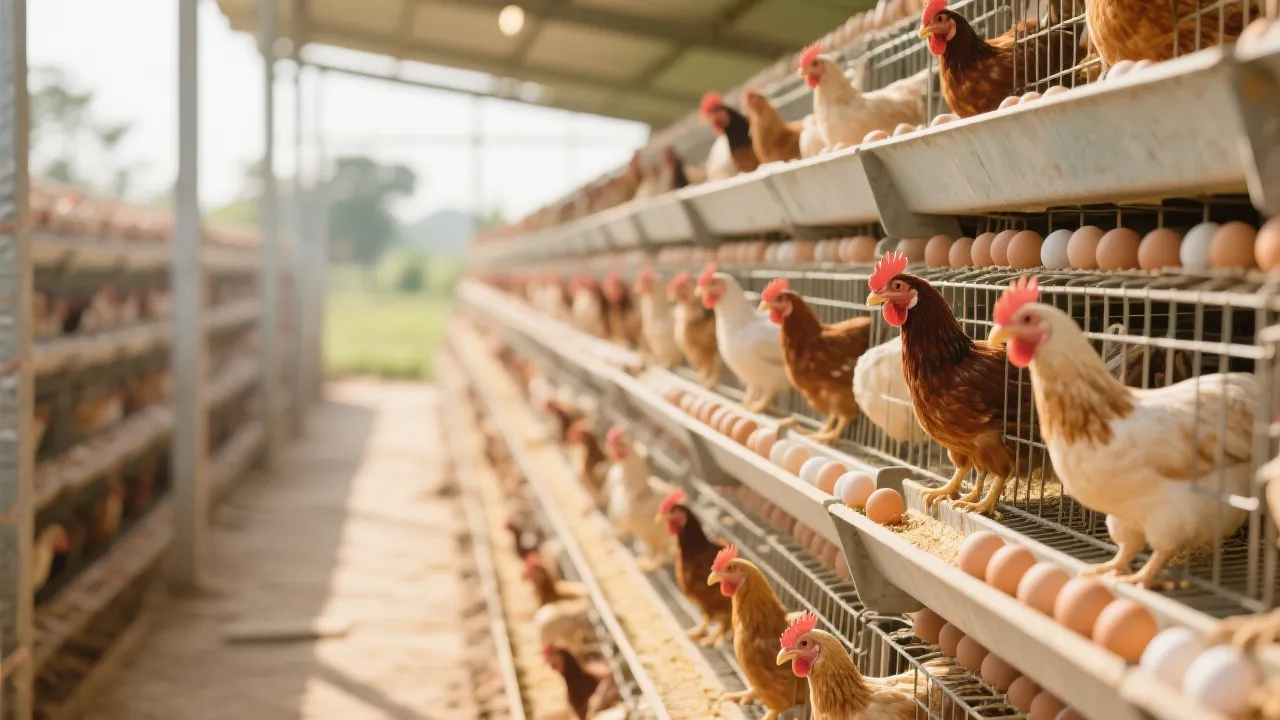
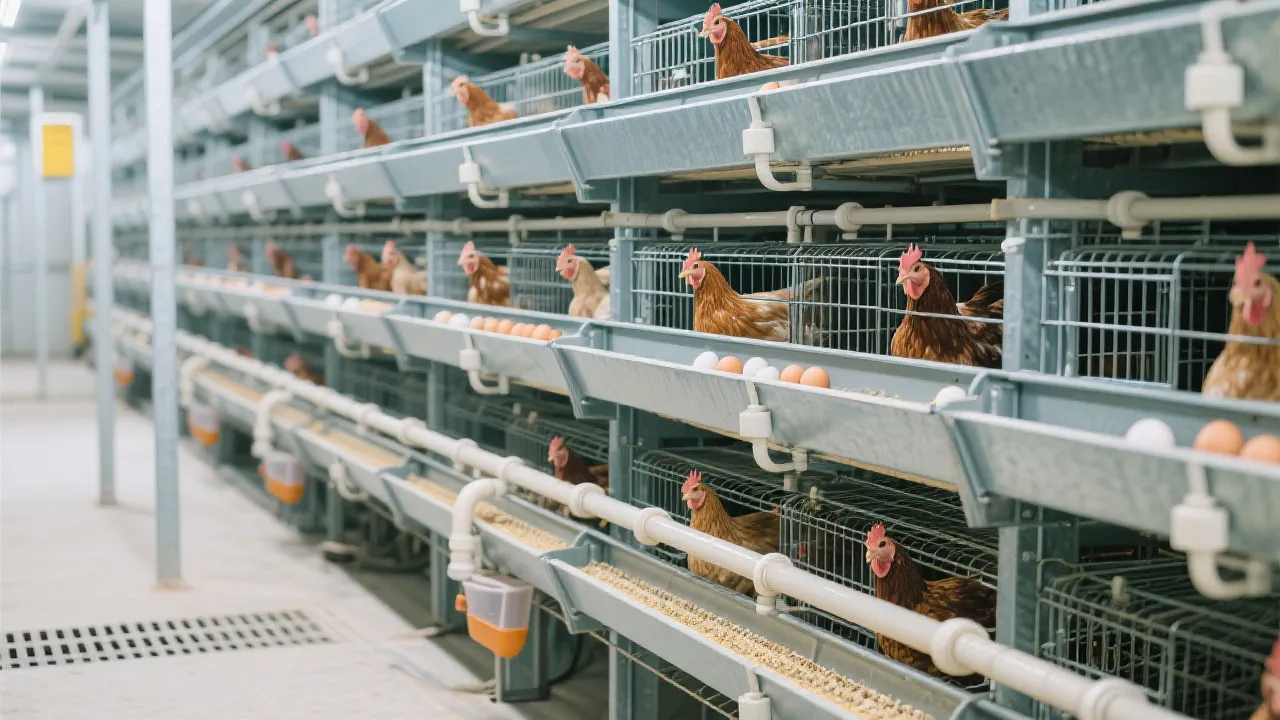
When exporting poultry equipment, especially egg-laying systems like H-type chicken cages, many Chinese manufacturers face a surprising barrier: compliance—not cost. In the European Union and Gulf markets, buyers don’t just compare specs—they verify certifications. A lack of proper documentation can delay shipments by weeks, trigger costly recalls, or even lead to project cancellations.
The Hidden Cost of Skipping Certifications
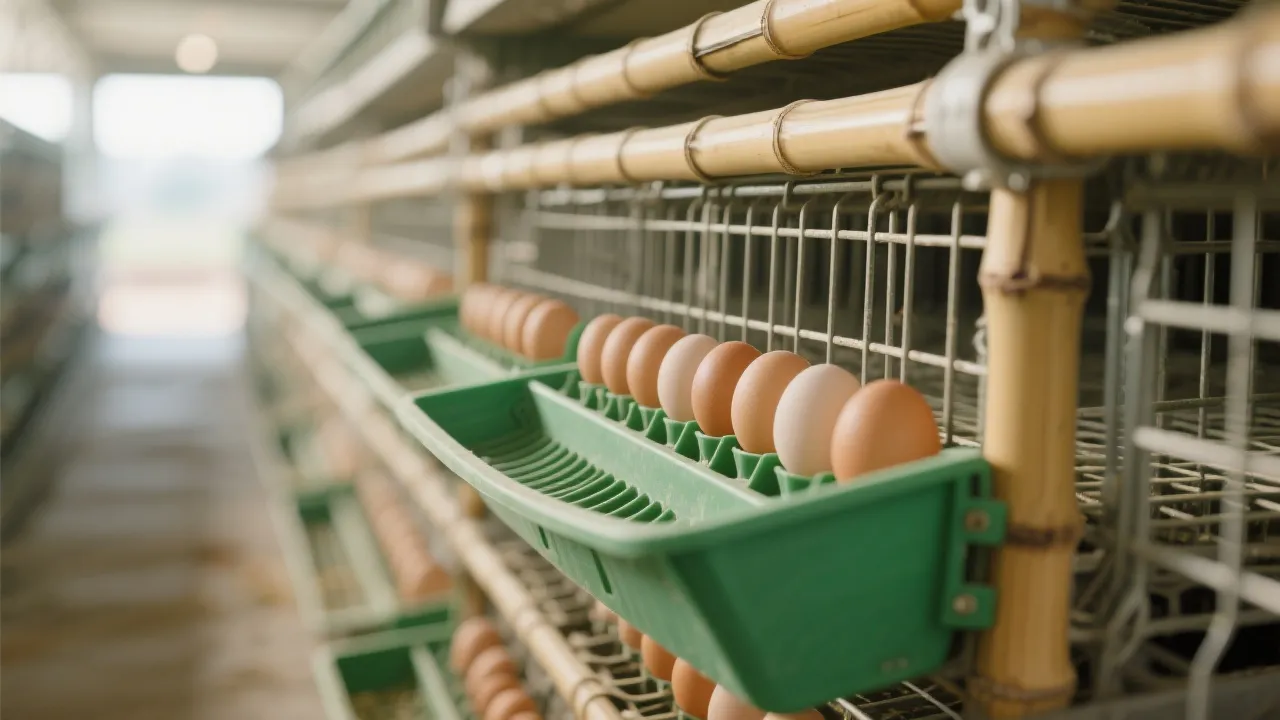
A recent case study from a UAE-based farm expansion project revealed that an un-certified automated egg collection system caused two major issues:
- Customs clearance delayed by 21 days due to missing CE marking (per EU Machinery Directive 2006/42/EC).
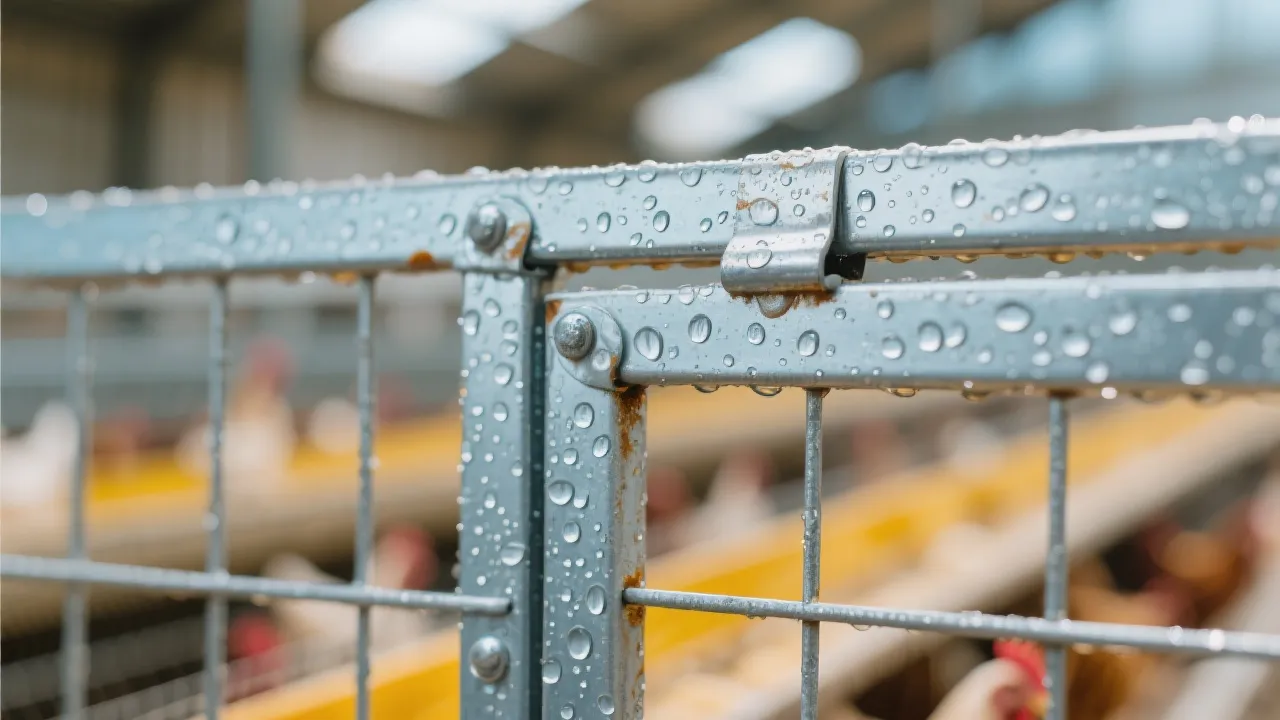
- Within six months, maintenance costs were 47% higher than expected because non-compliant materials degraded faster under humidity and temperature stress.
These aren’t isolated incidents. According to FAO’s 2023 report on livestock infrastructure in emerging markets, over 60% of failed international poultry projects cited "non-compliance with local technical standards" as the root cause—not product quality.
What Do ISO9001, ISO14001, and CE Really Mean for Your Equipment?
ISO9001: Ensures consistent manufacturing processes. For example, a factory using this standard will maintain uniform weld integrity across all cage frames—a critical factor in preventing structural failure during long-term use.
ISO14001: Mandates environmental controls in production. This includes controlling zinc waste runoff during galvanizing—an essential step to avoid fines in EU countries where water discharge limits are strictly enforced.
CE Marking: Requires compliance with EN 12464-1 (lighting) and EN 60204-1 (electrical safety). In practice, this means your automatic feeding system must have fail-safe circuits and noise levels below 65 dB(A), which is not only legally required but also improves worker well-being.
| Feature | With Certification | Without Certification |
|---|---|---|
| Galvanized Layer Thickness | ≥85 μm (per ISO 1461) | ~50–60 μm (common in low-cost exports) |
| Annual Maintenance Frequency | 1–2 times/year | 4–6 times/year |
| Worker Health Risk (Noise) | ≤65 dB(A) – compliant | Up to 85 dB(A) – hazardous |
Technical Anchors That Build Trust
Proven combinations matter more than marketing claims:
- Q235 Steel + Hot-Dip Galvanizing + Aluminum-Zinc Alloy Coating: Provides corrosion resistance up to 15 years in humid climates—a key requirement for Middle Eastern farms.
- Low-Nickel Motors + Vibration Dampeners: Reduces noise to ≤65 dB(A), meeting both CE and OIE animal welfare guidelines.
As the World Organisation for Animal Health (WOAH) notes in its 2022 guidance on modern poultry housing: “Equipment design must prioritize durability, operator safety, and minimal environmental impact.” These aren’t just best practices—they’re legal expectations.
Did you know? Over 70% of EU poultry importers now require full traceability logs—from raw material sourcing to final assembly—as part of their supplier vetting process. ISO9001 helps meet this demand systematically.
Ready to Avoid Common Compliance Pitfalls?
Download our free checklist: International Egg Production Equipment Compliance Audit
Get the PDF Now





Hot Products

.jpg?x-oss-process=image/resize,m_fill,h_800,w_800/format,webp)


Popular articles


READY TO START?
Ready to Build Your Poultry Farm?
Tell us your land size, poultry type and farming capacity. LIVI will provide a complete farm solution for your project.