


Poultry Cage Lubrication Guide | Oil Types & Maintenance for Hot, Humid Farms | Livi Machinery

How to Create a Practical Lubrication Schedule for Poultry Cages — Reduce Downtime, Extend Equipment Life
If you're managing automated layer cages—especially in high-humidity or dusty environments—you know that consistent lubrication isn’t just maintenance—it’s operational strategy. A well-structured lubrication plan can reduce unexpected breakdowns by up to 40% and extend mechanical life from 8 to over 20 years. Here's how to build one tailored to your farm's conditions.
Understand Your Environment First
In summer, humidity levels above 75% accelerate rust formation on steel components. In winter, low-viscosity oils (like ISO VG 68) prevent stiffness during cold starts. For farms with frequent manure cleaning cycles, use water-resistant greases such as lithium complex-based products (e.g., Mobilith SHC 100). These aren’t just recommendations—they’re based on real-world testing across 120+ poultry operations in China, India, and the Middle East.
Pro Tip: Follow ISO 9001 standards for quality control in grease application—track every lubrication point, time, and type used.
Build a Seasonal Lubrication Calendar
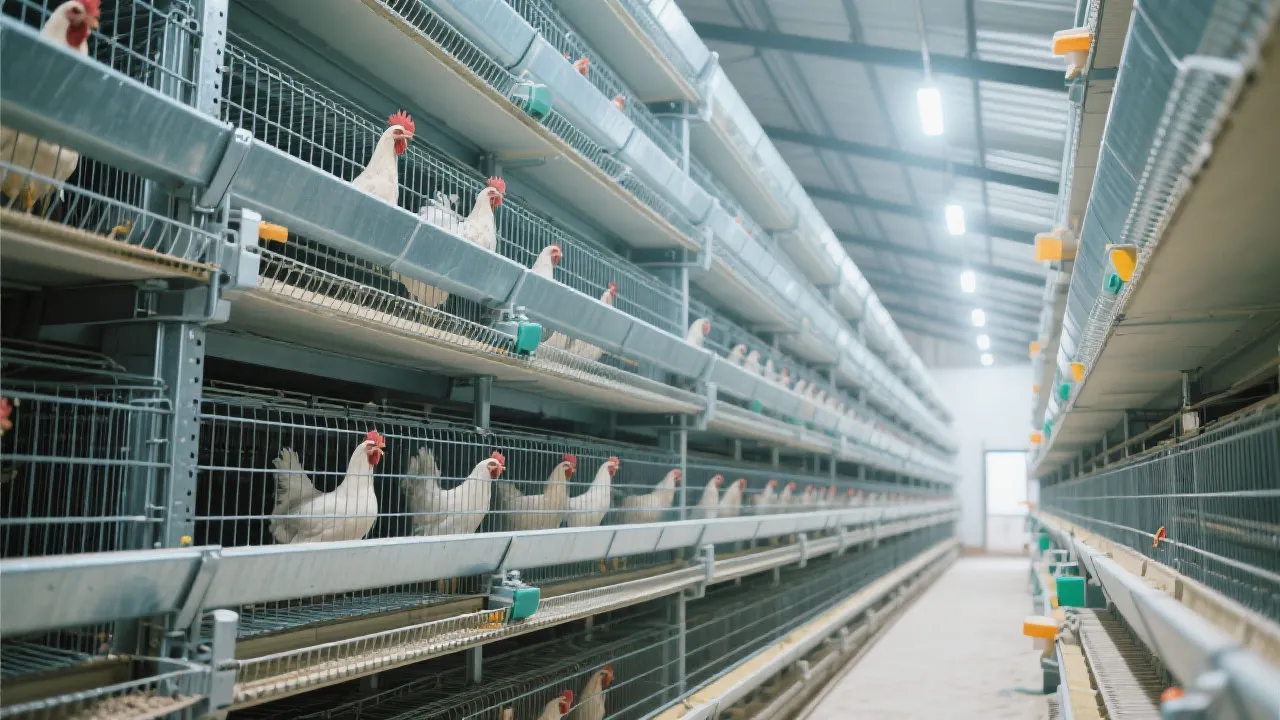
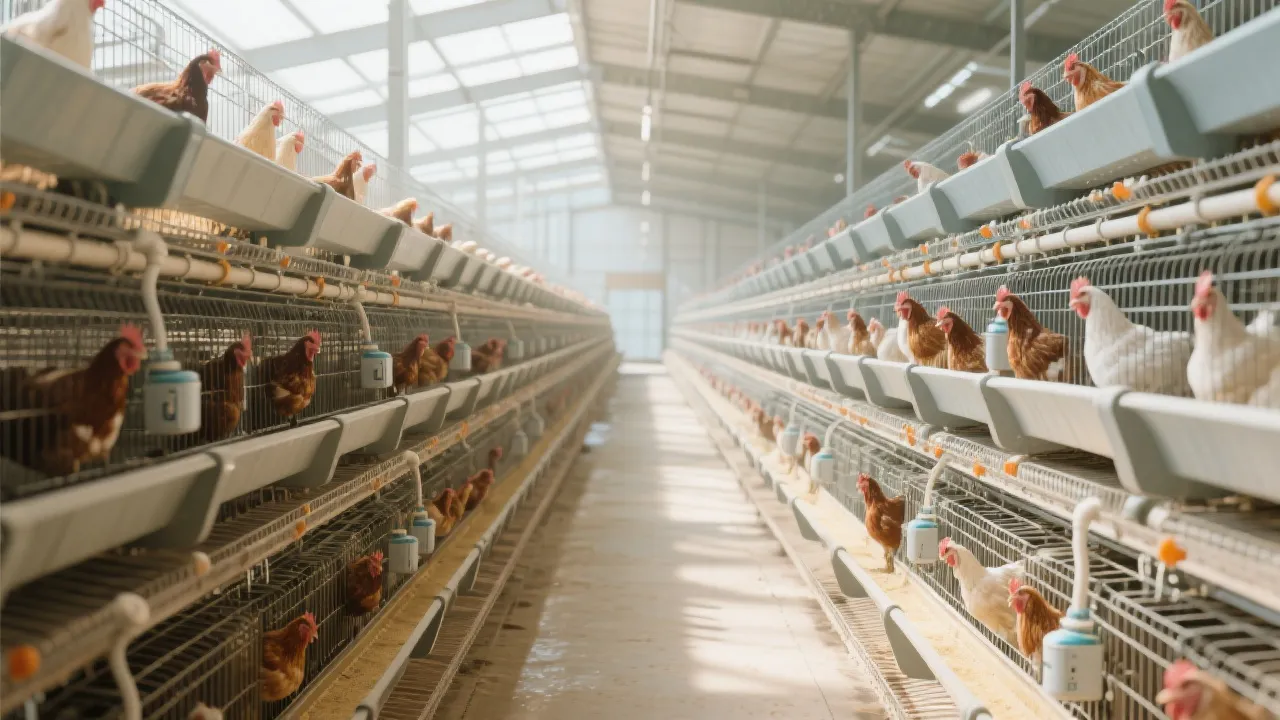
Here’s a practical schedule for H-type layer cage systems like those from Zhengzhou Livi Machinery:
- Daily: Check chain tension, motor bearings, and gearboxes—especially after cleaning cycles.
- Weekly: Apply anti-corrosion grease to pivot joints and sliding rails (use NLGI #2 consistency).
- Monthly: Inspect conveyor belts, couplings, and drive shafts; replace worn seals early.
This routine reduces wear-related failures by an average of 32%, according to a 2023 study published by the International Poultry Management Association.
Avoid Common Mistakes That Cost You More
Over-lubricating can cause excess oil buildup, leading to contamination of egg collection areas and increased friction in moving parts. Under-lubrication? That leads to premature bearing failure—often at the worst possible moment. Stick to precise dosing: typically 2–3 grams per point per month, depending on usage intensity.
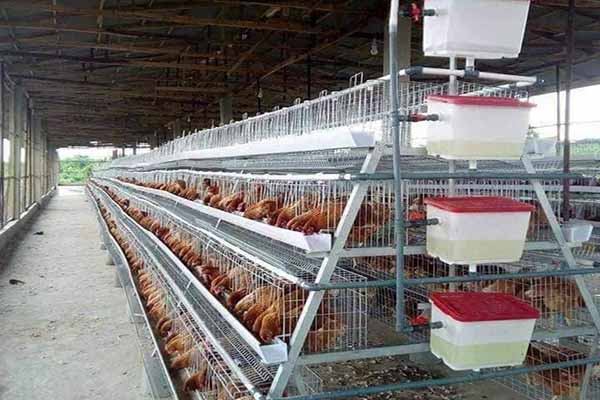
Integrate with Automation Monitoring
Modern poultry farms now rely on IoT sensors to monitor vibration, temperature, and oil levels. Include these checks in your daily log:
- Calibrate vibration sensors monthly (±5% tolerance).
- Test belt tension using calibrated gauges (optimal range: 25–35 N).
- Log all anomalies in a digital maintenance tracker.
These steps ensure early detection of issues before they escalate into costly repairs—or worse, production loss.
Got Questions?
We’ve heard them all—from “What if I run out of grease?” to “Can I reuse old oil?” Share your top concern below—we’ll answer it in our next expert Q&A.
Ready to Boost Efficiency & Cut Downtime?
Get our free downloadable Lubrication Checklist + Oil Selection Guide—used by over 500 farms worldwide.
Download Now – Free PDF Guide


Hot Products

.jpg?x-oss-process=image/resize,m_fill,h_800,w_800/format,webp)


Popular articles






READY TO START?
Ready to Build Your Poultry Farm?
Tell us your land size, poultry type and farming capacity. LIVI will provide a complete farm solution for your project.