


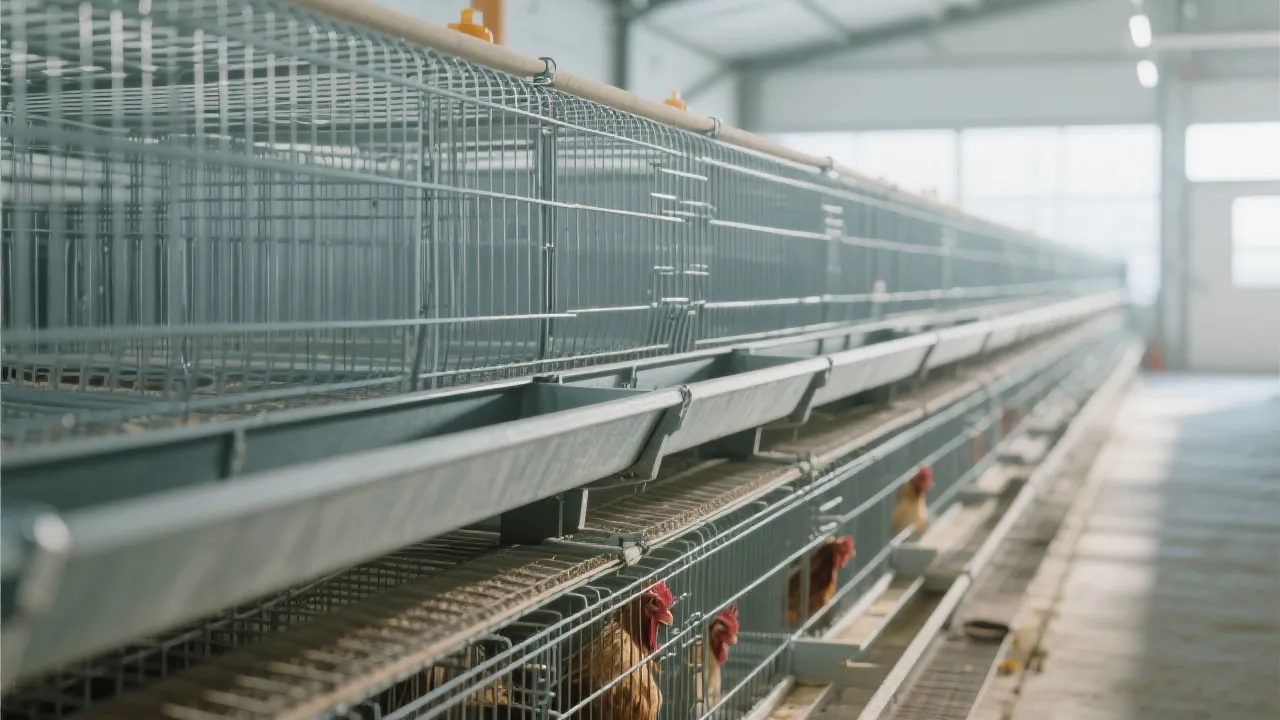
Why Your Layer Chicken Ventilation System Is Failing in High Heat & Humidity
In the past 18 years of working with poultry farms across Southeast Asia, Latin America, and Europe, I’ve seen one recurring issue: breathing problems in egg-laying hens during summer months. It’s not just about temperature—it’s how air moves through your coop that determines whether your flock thrives or suffers from respiratory disease.
The Hidden Cost of Poor Airflow: From Low Egg Production to Disease Outbreaks
When humidity exceeds 75% and temperatures climb above 30°C (86°F), ammonia builds up quickly—especially in traditional cage systems. Studies show that ammonia levels over 25 ppm can reduce egg production by up to 12% within just 2 weeks. Worse still, stagnant air creates hotspots where pathogens thrive. That’s why many farmers see sudden spikes in respiratory illness—even when feed and vaccines are fine.
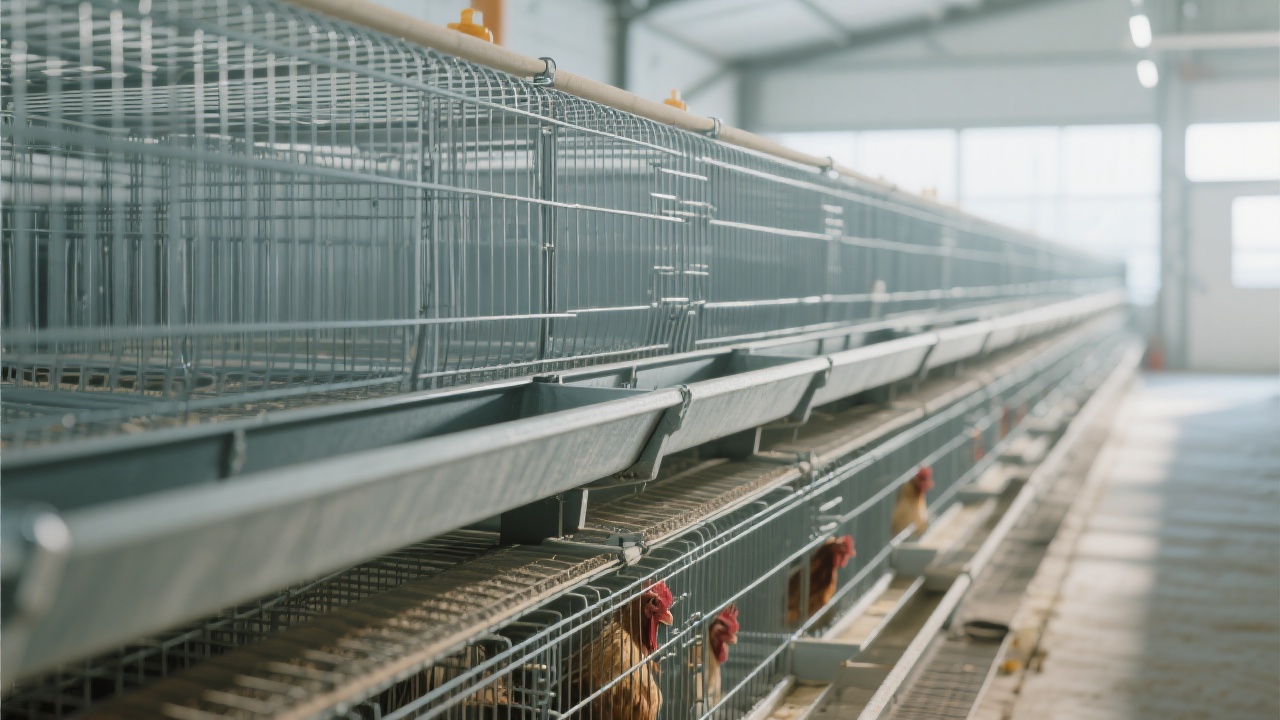
How Natural Wind + Mechanical Fans Work Together for Better Air Exchange
You don’t need expensive HVAC systems. A well-designed ventilation strategy uses both natural wind pressure and strategically placed mechanical fans. For example, opening side vents during early morning hours allows cool air to enter naturally while exhaust fans pull out warm, moist air from the top. This creates a continuous flow—like a gentle breeze inside your shed—not just random movement.
| Common Ventilation Problems | Real Impact on Chickens |
|---|---|
| Airflow dead zones | Increased mortality in lower tiers; poor feather condition |
| Ammonia > 25 ppm | Reduced egg production by ~12%, higher culling rates |
| Temperature swings > 5°C/day | Stress-induced drop in laying rate (up to 15%) |
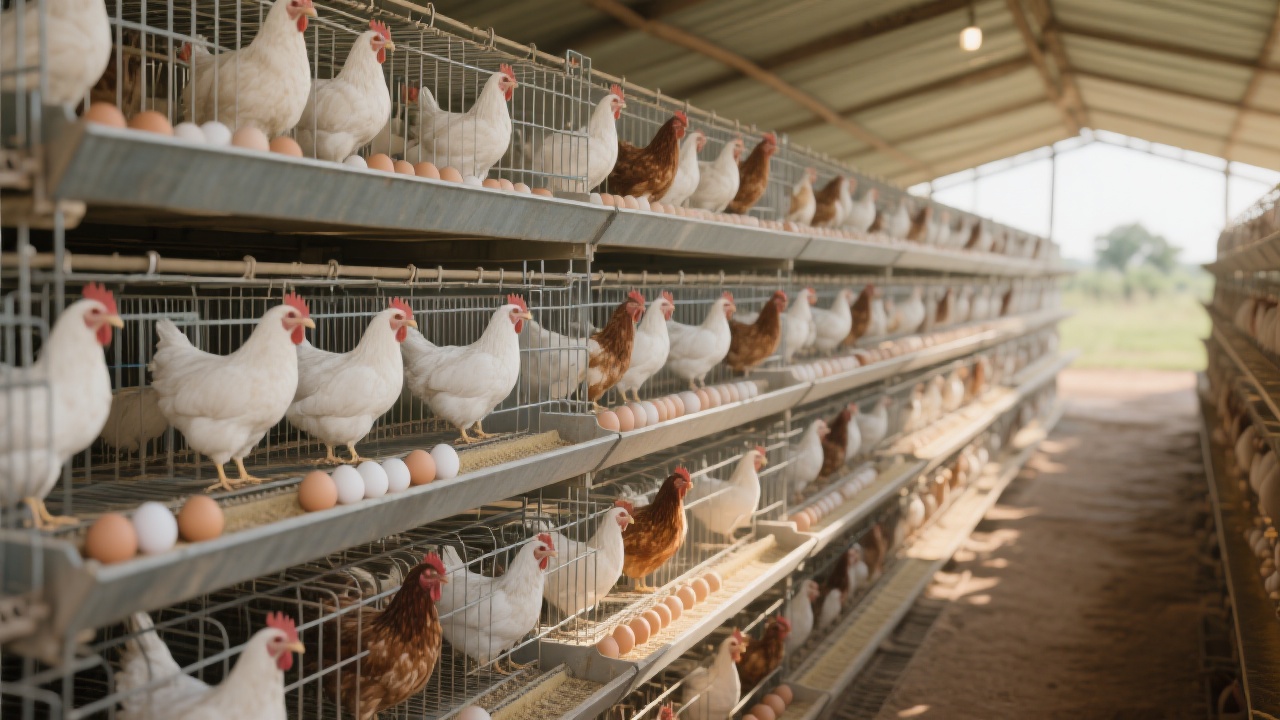
The Proven Fix: H-Type Cage Design + Smart Monitoring
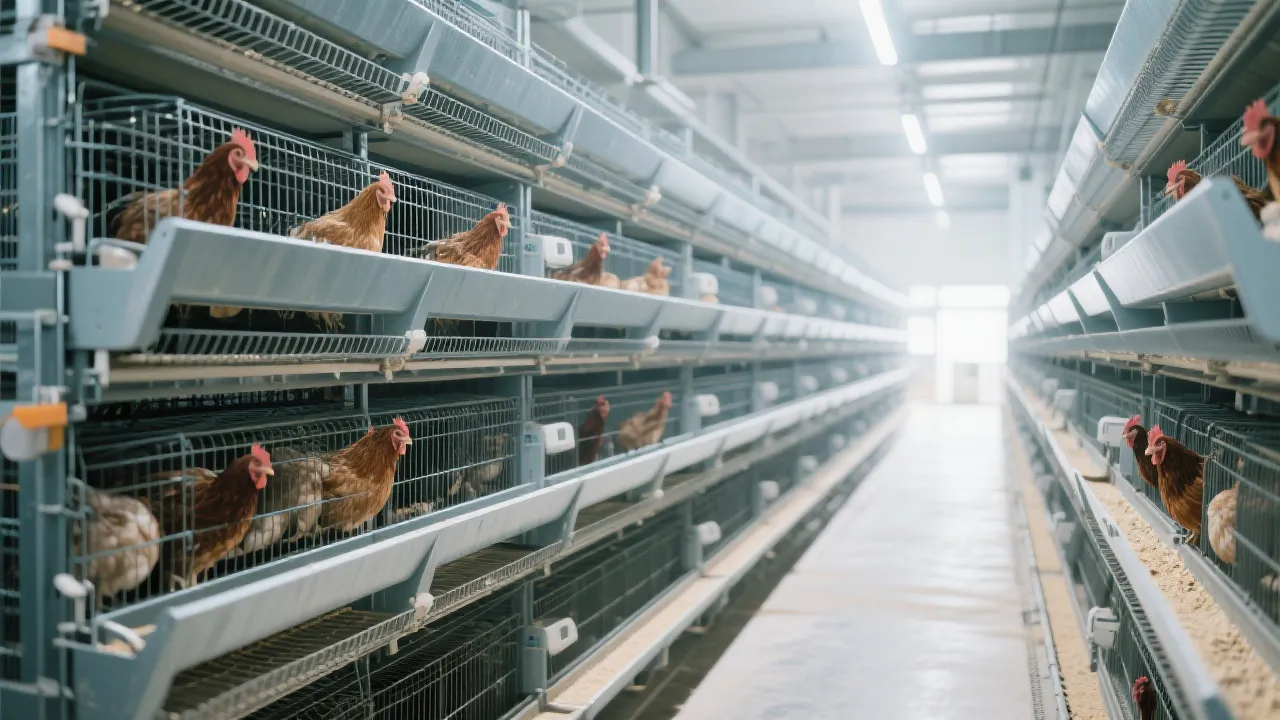
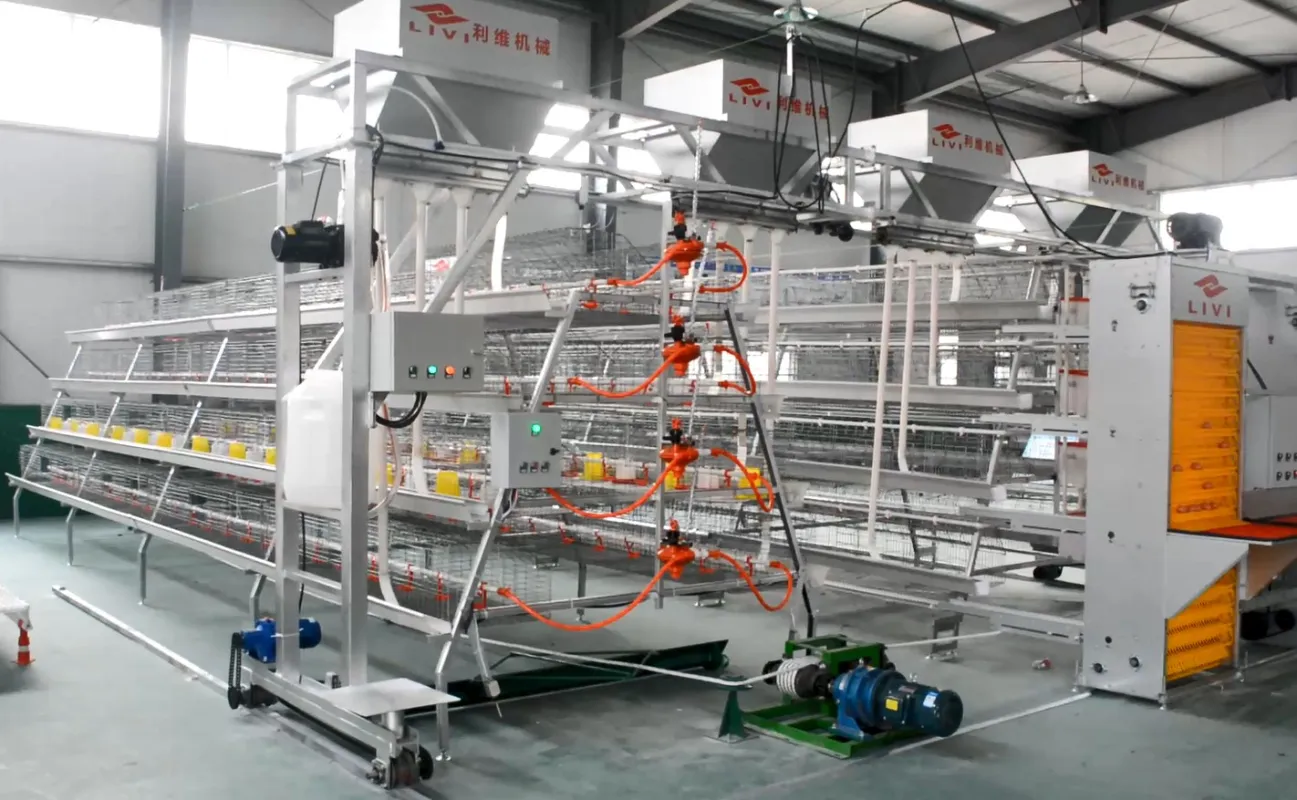
Here’s what works: switch to H-type layer cages—they’re designed to allow air to pass vertically between tiers, eliminating horizontal dead zones. One Vietnamese farm reported a 18% improvement in egg quality after installing them alongside 4 smart sensors monitoring CO₂, NH₃, and humidity every hour.
You don’t have to replace all cages at once. Start with 1–2 rows, measure results, then scale. In our client case study from Thailand, they saw:
- ↓ Ammonia levels from 32 ppm → 18 ppm
- ↑ Egg production from 84% → 91%
- ↓ Respiratory disease cases from 15% → 3% monthly
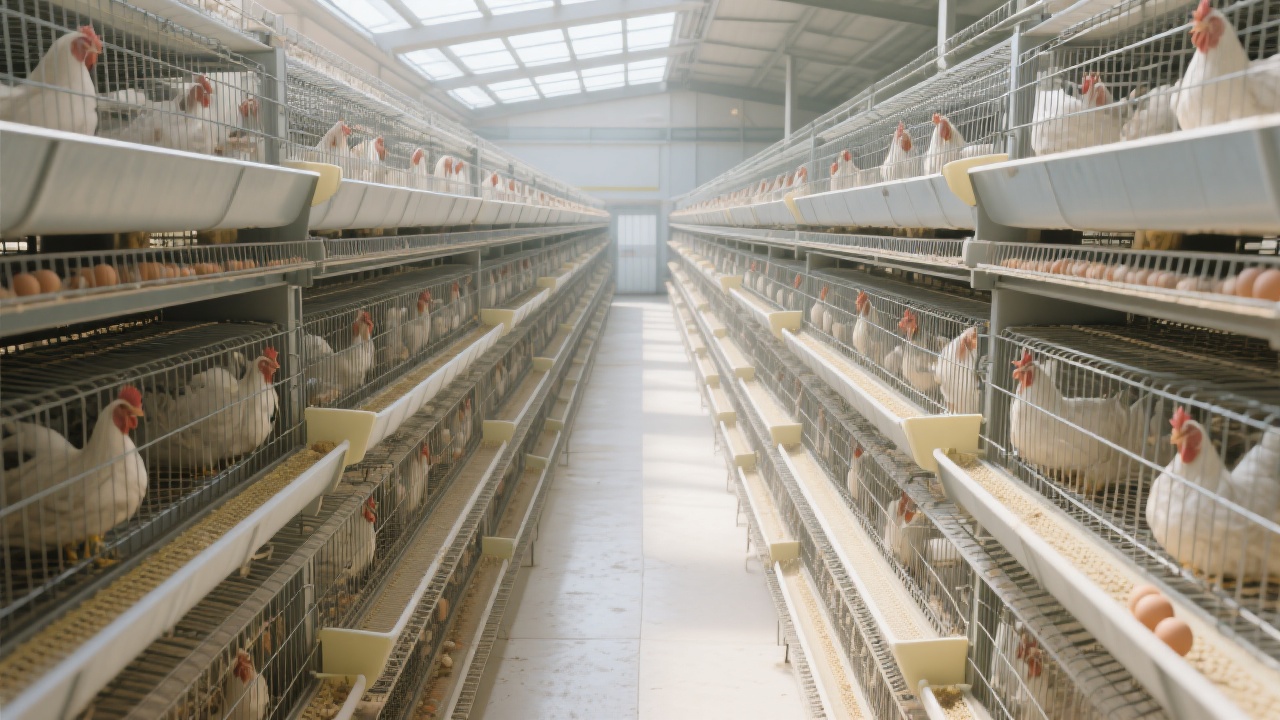
Ready to Optimize Your Chicken House Airflow?
If you're tired of losing eggs to poor ventilation—or if your chickens seem lethargic even in cooler weather—it's time to act. Whether it’s adjusting fan placement, upgrading to H-type cages, or adding simple sensors, small changes make big differences.
💬 Have a specific challenge? Leave a comment below or share your current setup—I’ll send you 3 tailored solutions used by similar farms.





Hot Products

.jpg?x-oss-process=image/resize,m_fill,h_800,w_800/format,webp)


Popular articles



READY TO START?
Ready to Build Your Poultry Farm?
Tell us your land size, poultry type and farming capacity. LIVI will provide a complete farm solution for your project.