


Enhancing Poultry Management Efficiency through Optimized Chick Cage Layouts: A Practical Guide
Scientific design and strategic layout of chick rearing battery cages play a pivotal role in elevating management convenience and livestock health in poultry farming. This article delves into how precise cage layout optimization improves operational ease, focusing on critical factors such as stocking density, space utilization, ventilation, and management workflows. Leveraging industry insights and data-driven analyses, this guide aims to empower poultry producers with actionable knowledge to optimize their flock rearing systems effectively.
Understanding the Impact of Stocking Density on Chick Health
Optimal stocking density is fundamental to ensuring the health and growth of chicks. According to recent poultry industry studies, overcrowding above 15 chicks per square meter can increase stress levels, elevate disease transmission risk, and hinder growth rates by up to 12%. Conversely, sparse layouts may underutilize valuable space and increase operational costs. Striking a balance with scientifically backed densities enables maximized productivity with minimal welfare compromise.
Evaluating Cage Layer Height and Capacity for Space Efficiency
Cage design parameters including layer height and capacity per unit significantly affect both vertical and horizontal space optimization. Multi-tier cage systems with adjustable layer heights can increase overall stocking capacity by up to 40% without sacrificing animal welfare or air quality. However, taller cages require careful ventilation management to prevent heat accumulation and humidity buildup, which detrimentally impact chick performance.
| Cage Type | Layer Height (cm) | Capacity (Chicks per Cage) | Ventilation Efficiency |
|---|---|---|---|
| Single-layer Standard | 35 | 12 | High |
| Double-layer Adjustable | 50 | 22 | Moderate |
| Triple-layer Compact | 60 | 30 | Requires enhanced ventilation |
Tailored Solutions for Small and Large-Scale Poultry Operations
Different farm sizes demand customized cage configuration strategies. Small-scale farms often benefit from single or double-layer cages that prioritize ease of access and simplified sanitation procedures. In contrast, large-scale commercial farms require multi-layer systems with integrated environmental controls to maximize throughput and ensure uniform chick quality.
Operational scalability is critical; hence, modular cage systems equipped with adjustable components enable seamless adaptation to fluctuating flock sizes and changing regulatory standards.
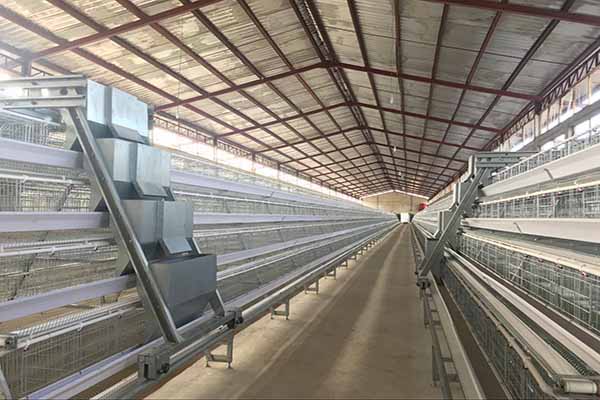
Core Advantages of Zhengzhou Livi Machinery’s A-Type Chick Battery Cage
Zhengzhou livi Machinery designs the A-Type chick battery cage with state-of-the-art features, ensuring superior management convenience and flock health. Its modular construction facilitates quick assembly and easy maintenance, while its corrosion-resistant materials guarantee long-term durability in humid poultry house environments.
Key technological advantages include:
- Optimized ventilation channels designed to maintain ideal temperature and humidity levels.
- Adjustable cage floor slopes enhancing waste drainage and hygiene.
- Customizable layer heights and cage capacities meeting diverse farm requirements.
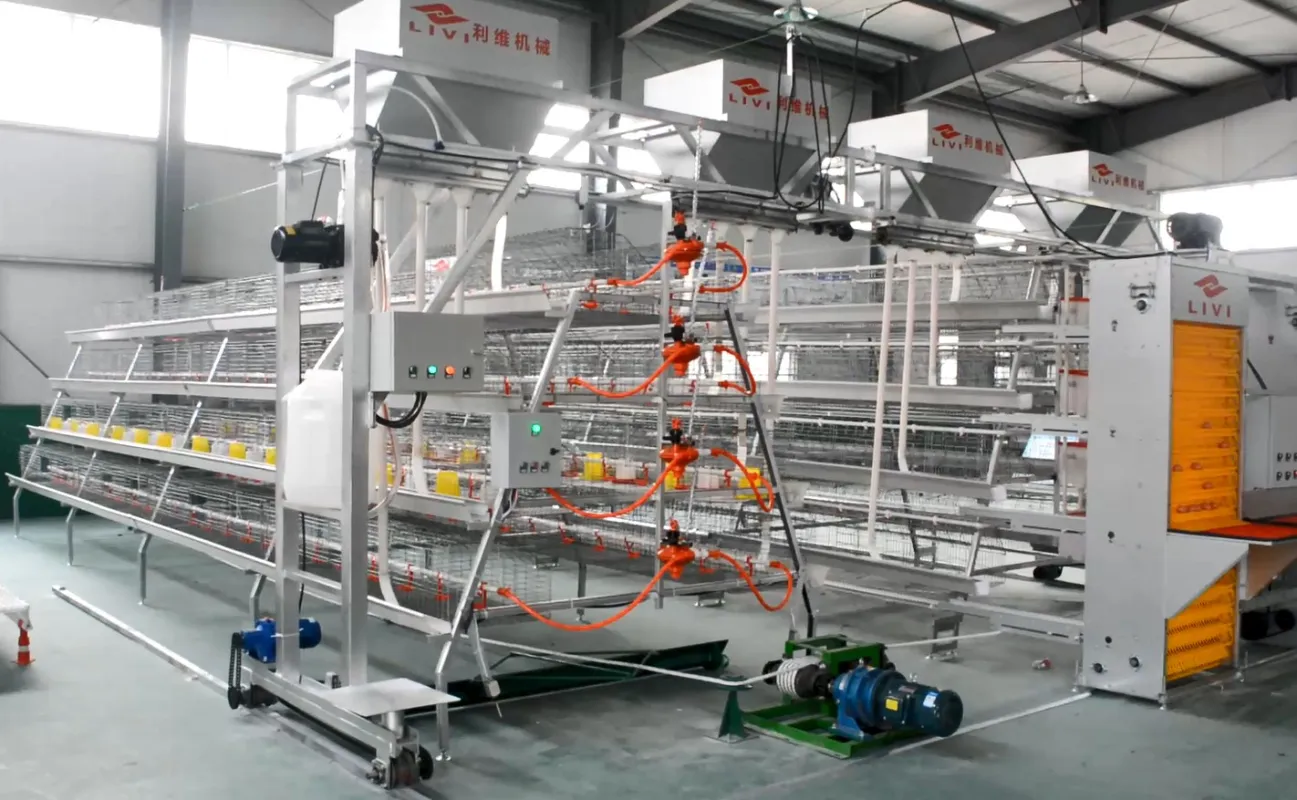
- Integration compatibility with automated feeding and watering systems for labor reduction.

Real-World Evaluation: Case Studies and Practical Operations
Field trials conducted on commercial farms using Zhengzhou Livi's A-Type cage layout revealed a 15% increase in chick weight gain rates alongside a 20% reduction in mortality over standard cage solutions. Workers reported a 30% reduction in daily labor hours related to feeding and cleaning facilitated by the ergonomic cage design.
Practical operation videos demonstrate how to efficiently arrange cages to optimize air flow and manage flock density, further reinforcing productivity gains.

Frequently Asked Questions (FAQ)
| What is the recommended stocking density for optimal chick growth? | Typically, 12–15 chicks per square meter is ideal to balance growth and health without overcrowding. |
| How does adjusting cage height improve ventilation? | Increasing vertical space boosts airflow circulation, aiding in heat dissipation and reducing humidity within cages. |
| Can Zhengzhou Livi Machinery customize cages for specific farm sizes? | Yes, customized solutions are a hallmark of their service, ensuring each farm receives layout designs that match operational demands. |
Harnessing innovative cage layouts not only streamlines poultry management but also significantly enhances chick wellbeing and overall productivity. The integration of Zhengzhou Livi Machinery’s tailored A-Type battery cages represents a proven pathway toward scalable, efficient poultry operations.




Hot Products

.jpg?x-oss-process=image/resize,m_fill,h_800,w_800/format,webp)


Popular articles



READY TO START?
Ready to Build Your Poultry Farm?
Tell us your land size, poultry type and farming capacity. LIVI will provide a complete farm solution for your project.