


Optimizing Poultry Farming Costs with Advanced Watering Systems

How to Reduce Poultry Farming Costs through Optimized Watering Systems
In the poultry farming industry, water is one of the most critical resources for maintaining bird health and productivity. However, inefficient watering systems can lead to significant waste, increased operational costs, and even health issues among the flock. By implementing an advanced automatic chicken watering system, farmers can achieve better efficiency, lower costs, and improved animal welfare.
The Role of Automatic Watering Systems in Cost Reduction
According to a study conducted by the National Institute of Animal Science, farms that upgraded to automated watering systems saw an average reduction of 30% in water consumption and a 25% decrease in labor costs. These systems ensure continuous clean water supply, reduce spillage, and maintain optimal hydration levels for the birds.
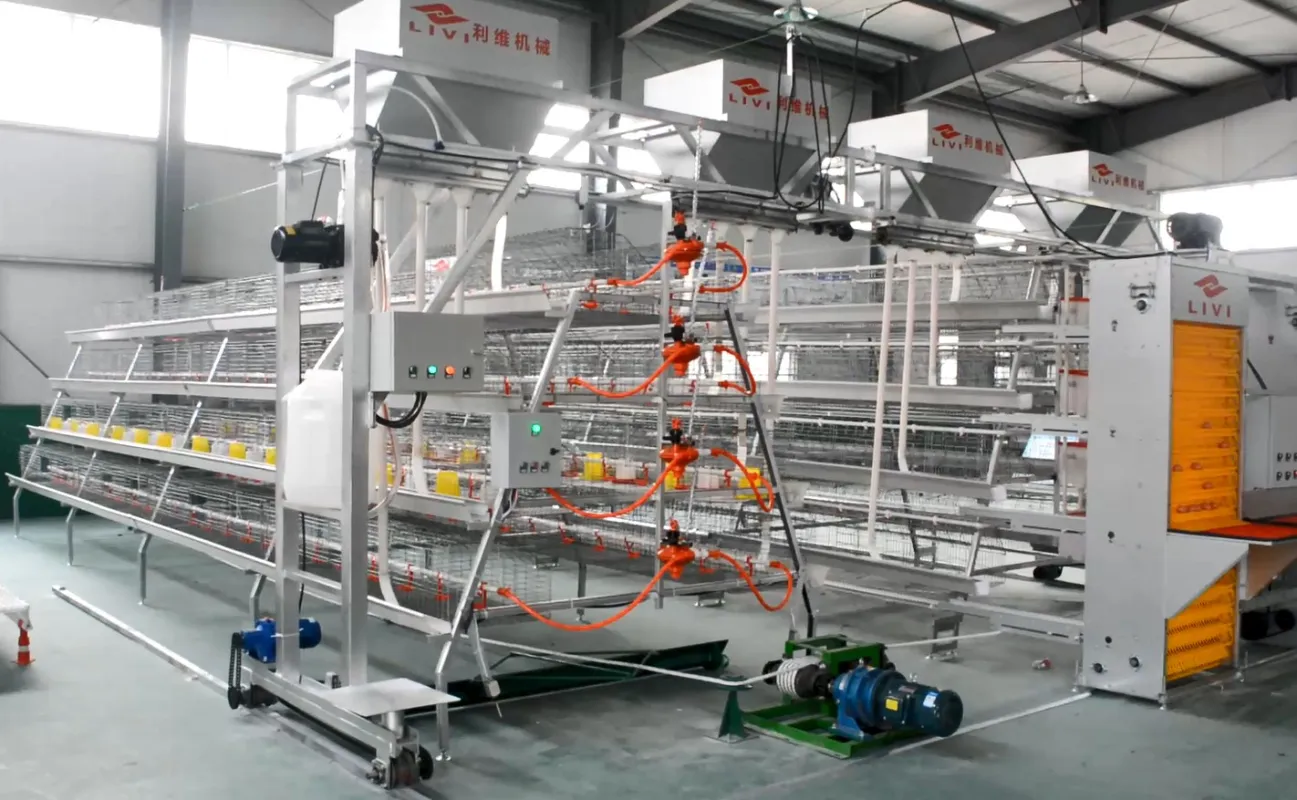
One of the key benefits of these systems is their ability to adapt to different cage types, making them suitable for both small-scale and large commercial operations. This flexibility ensures that every bird has access to clean, uncontaminated water, which directly impacts overall farm performance.
Key Features That Drive Efficiency
An effective automatic chicken watering system should include the following features:
- Continuous water flow with minimal loss due to leaks or evaporation
- Self-cleaning mechanisms to prevent bacterial buildup
- Adjustable pressure settings for different bird ages and sizes
- Compatibility with various housing configurations
Real-World Impact: A Case Study from Zhengzhou Livi Machinery
Zhengzhou Livi Machinery, a leading supplier of poultry equipment, has helped numerous farms improve their water management systems. One such case involved a medium-sized layer farm in Henan Province. Before installing the automatic watering system, the farm experienced frequent water shortages and high rates of contamination. After the upgrade, the farm reported a 40% reduction in water usage and a noticeable improvement in egg production quality.
“The system not only saved us money on water but also reduced the time spent on manual checks,” said the farm manager. “It’s a smart investment that pays off in the long run.”
| Metric | Before System Upgrade | After System Upgrade |
|---|---|---|
| Water Consumption (L/day) | 12,000 | 7,200 |
| Labor Hours per Week | 25 | 10 |
| Egg Production Rate | 85% | 92% |
Investing in the Future of Poultry Farming
With rising feed and water costs, it's more important than ever for poultry farmers to adopt cost-effective solutions. An automatic watering system not only improves operational efficiency but also enhances the health and productivity of the flock. The return on investment is clear—reduced water waste, lower labor requirements, and better overall farm performance.
For farmers looking to modernize their operations, investing in an advanced watering system is a strategic move that delivers long-term value. Whether you're managing a small family farm or a large commercial enterprise, optimizing your water delivery system can be the key to sustainable growth and profitability.




Hot Products

.jpg?x-oss-process=image/resize,m_fill,h_800,w_800/format,webp)


Popular articles


READY TO START?
Ready to Build Your Poultry Farm?
Tell us your land size, poultry type and farming capacity. LIVI will provide a complete farm solution for your project.