


Optimizing Nigerian Poultry Farms: How to Choose 3-Tier Layer Chicken Cages for Maximum Efficiency

Optimizing Nigerian Farms: How to Choose 3-Tier Layer Chicken Cages for Enhanced Production Efficiency
In response to the growing demand for sustainable and efficient poultry farming in Nigeria, selecting the right poultry cage system is essential. This article offers a comprehensive examination of 3-tier egg-laying chicken cages, focusing on their structural design, capacity suitability, spatial optimization, and automation capabilities. It aims to guide poultry farmers in choosing an optimal 3-layer cage system that improves production efficiency while maintaining hen health and welfare.
Fundamental Structure and Advantages of 3-Tier Layer Chicken Cages
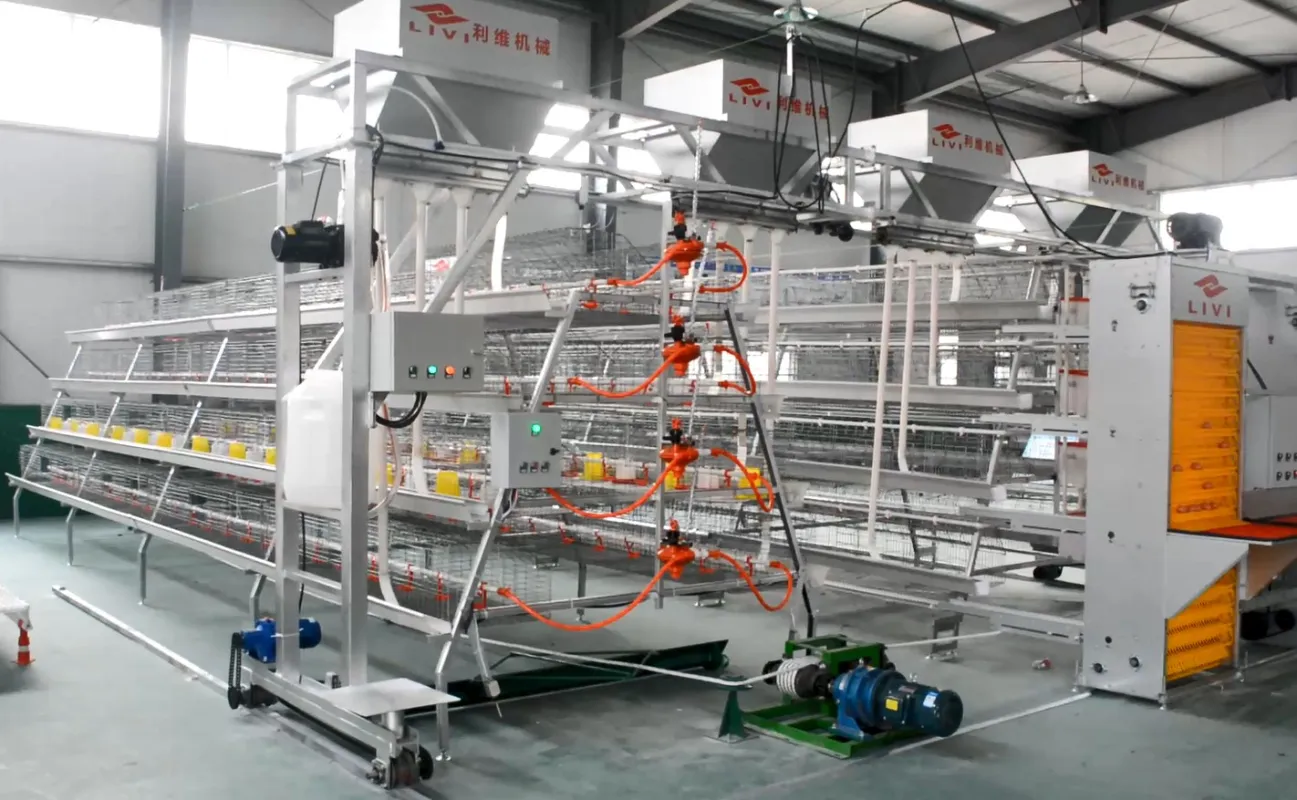
The 3-tier cage system incorporates three stacked levels of cages, typically made from galvanized steel wire mesh for durability and ventilation. Each tier supports a designated number of hens, allowing vertical space utilization to maximize bird density without expanding the farm footprint. Advantages include:
- Improved space efficiency with approximately 30-40% more hens housed per square meter compared to single-tier systems
- Facilitated day-to-day management through centralized feeding, watering, and egg-collection systems
- Reduced labor costs via automation compatibility
- Reduced exposure to soil-borne pathogens, enhancing flock health
Comparative Analysis: 3-Tier vs 4-Tier Systems in Varied Farming Contexts
While 4-tier and 5-tier caged systems promise higher capacity, they come with trade-offs in terms of structural stability, maintenance complexity, and hen welfare. For Nigerian farms with medium-scale operations (typically 1,000-5,000 laying hens), 3-tier cages present a balanced solution:
Given these factors, 3-tier cages offer a practical balance of capacity and operational manageability, particularly for farms in Nigeria’s varying regional zones.
Capacity Selection and Its Effects on Hen Welfare and Production Output
Choosing the right cage capacity is crucial to ensure optimal stocking density, which in turn directly impacts laying rate, bird health, and longevity. Industry benchmarks from controlled trials indicate:
- Optimal stocking density in 3-tier cages ranges from 450 to 550 cm2 per hen to maintain health without sacrificing density
- Exceeding 600 cm2 per hen can lead to underutilization of space, increasing costs per bird
- Proper ventilation integrated into Livi Machinery’s cage design ensures disease prevalence reduction by up to 25%
- Egg production rates typically improve by 5-8% when hens are housing in scientifically balanced capacity cages
For instance, Livi Machinery's 3-tier cages configured for Nigerian farms have shown increased average egg production to approximately 280 eggs per hen annually, compared to legacy systems yielding around 260 eggs.
Leveraging Automation for Operational Excellence
Incorporating automation—such as mechanized feeding, automated cleaning, and egg collection—dramatically enhances daily operation efficiency and reduces labor costs. Key practical tips include:
- Implementing centralized feeding systems to ensure uniform nutrition
- Automated manure removal systems reduce ammonia build-up, improving air quality and hen comfort
- Efficient egg conveyor belts minimize breakage and increase collection speed by up to 40%
- Livi Machinery’s integrated automation modules are designed to be compatible with 3-tier cages, enhancing overall farm ROI
Data collected from multiple Livi Machinery-operated farms in Nigeria exhibits a 20% reduction in labor hours engaged in cage maintenance and egg collection after automation adoption.
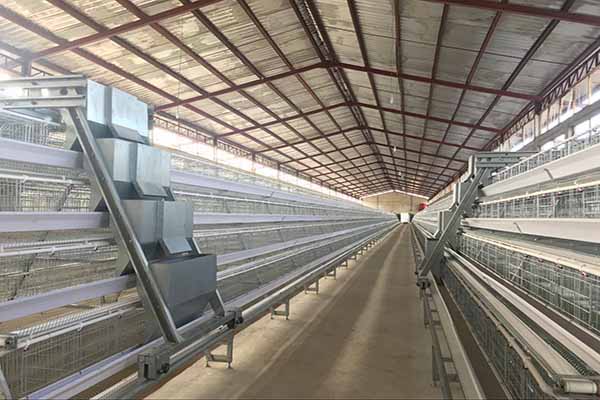
Case Study: Livi Machinery’s Impact on Nigerian Poultry Farms
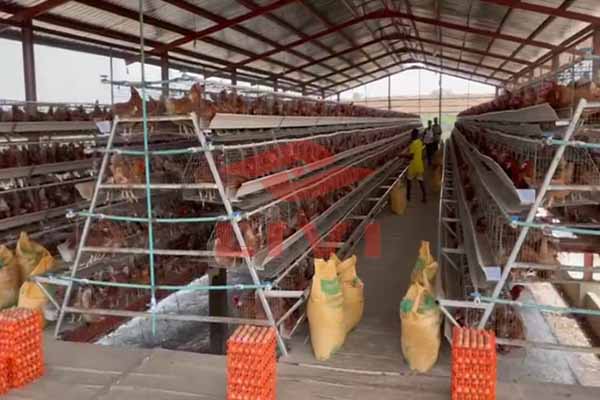
A poultry farm in Oyo State integrated Livi Machinery’s 3-tier automatic cages. Over 12 months, the farm reported:
| Metric | Before Installation | After Installation | Improvement |
|---|---|---|---|
| Egg Production per Hen per Year | 260 eggs | 285 eggs | +9.6% |
| Mortality Rate | 6.5% | 4.0% | -38.5% |
| Labor Hours per 1000 Birds per Week | 25 hours | 20 hours | -20% |
Common Misconceptions and Pitfalls to Avoid
Despite the clear benefits, farmers often make avoidable errors when selecting or managing multi-tier cages:
- Overcrowding: Ignoring recommended stocking densities can increase stress-related mortality and lower egg quality.
- Neglecting maintenance: Failure to regularly inspect structural integrity and automated systems leads to unexpected downtime and losses.
- Ignoring ventilation needs: Poor airflow accelerates disease spread, undermining production gains.
Leveraging expert advice from providers like Livi Machinery can mitigate these risks, ensuring sustained farm success.

Interactive Q&A: Your Cage Selection Queries Answered
Q: Is a 3-tier cage suitable for small-scale Nigerian farms with less than 1,000 hens?
A: Generally, yes. The 3-tier system offers flexibility and efficiency even at lower volumes, but customized solutions should be explored with experts at Livi Machinery.
Q: How does automation affect the initial investment?
A: Though initial costs rise, the ROI through labor savings and increased production validate the investment within 12-18 months.
Q: Can 3-tier cages be expanded or retrofitted easily?
A: Livi Machinery designs modular cage systems that facilitate future scale-up and automation upgrades with minimal disruption.
Enhance Your Poultry Farm’s Productivity with Reliable 3-Tier Cages from Livi Machinery — Discover Proven Ghanaian Success Stories and Tailored Solutions! Request a Custom Consultation Today




Hot Products

.jpg?x-oss-process=image/resize,m_fill,h_800,w_800/format,webp)


Popular articles


READY TO START?
Ready to Build Your Poultry Farm?
Tell us your land size, poultry type and farming capacity. LIVI will provide a complete farm solution for your project.