


How to Choose the Right A-Type Layer Chicken Cage Configuration for Your Farm in Zambia | Livi Machinery

Optimizing Layer Chicken Cage Capacity in Zambia: Practical Tips & Common Mistakes
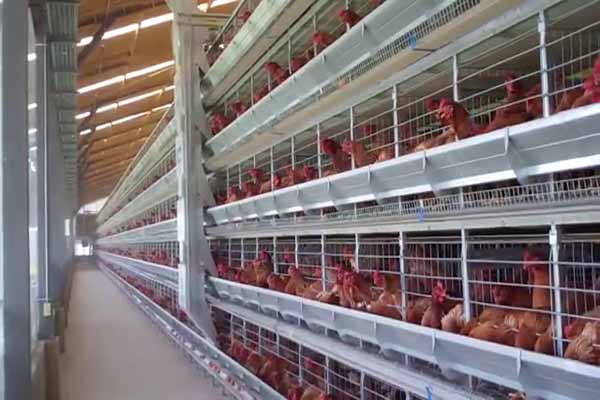
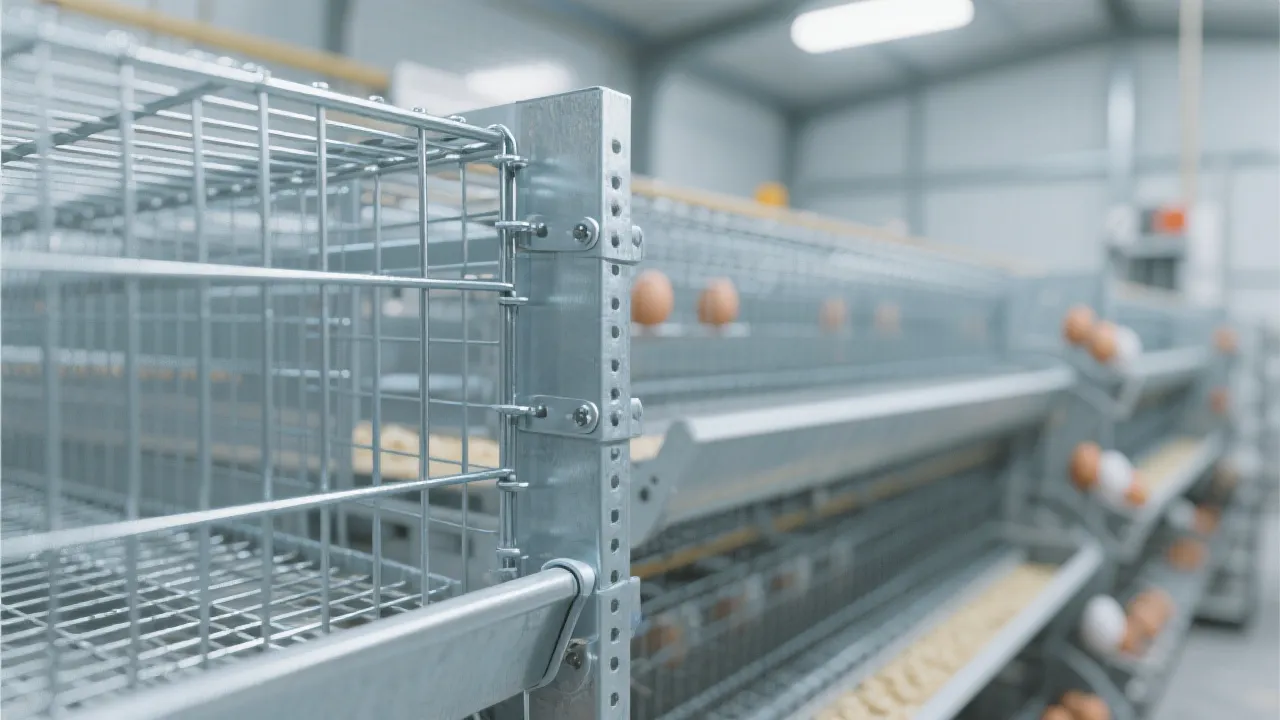
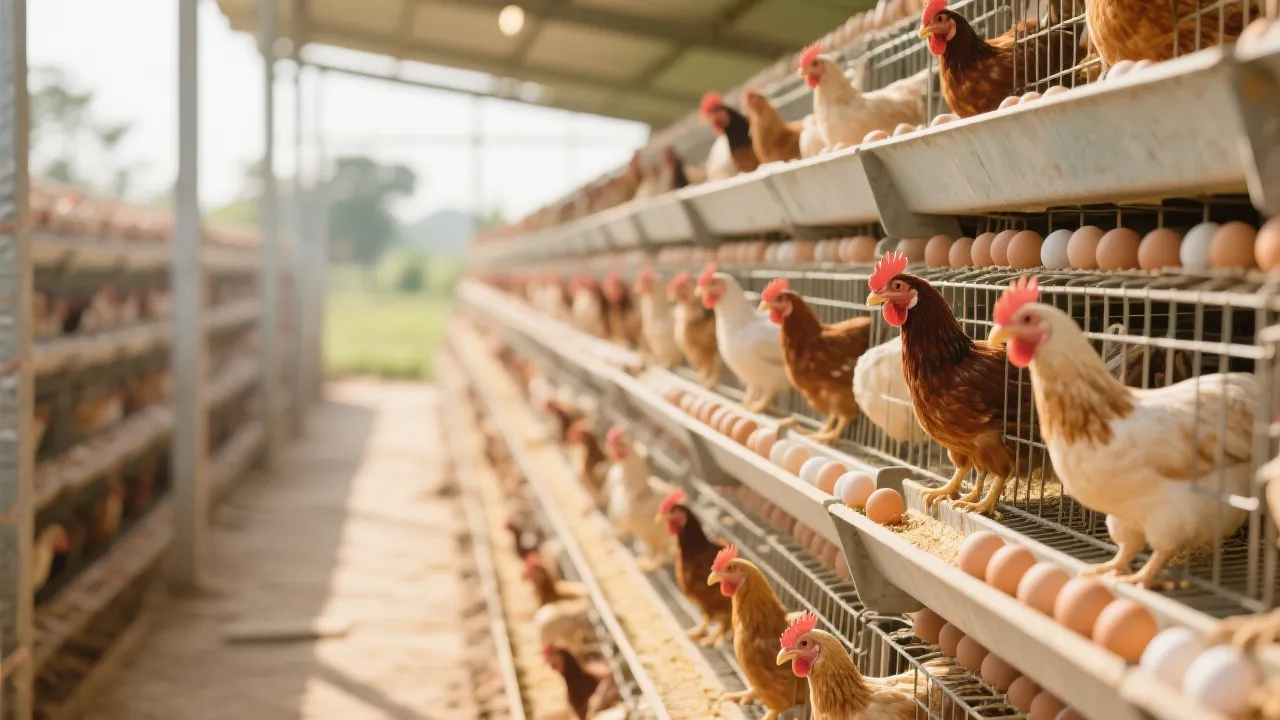
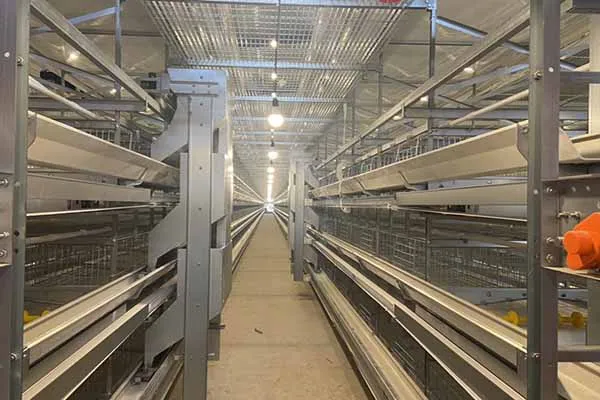
For egg producers in Zambia, choosing the right A type layer chicken cages configuration is critical to maximizing productivity while maintaining bird welfare and operational efficiency. Whether you're expanding an existing farm or starting from scratch, understanding how cage layers (3, 4, or 5) affect stocking density, labor needs, and automation potential can make a significant difference.
Layer Configuration: Which Is Right for Your Farm?
| Cage Layers | Ideal Stocking Density (birds/m²) | Best Use Case |
|---|---|---|
| 3-layer | 12–14 birds/m² | Small-scale farms with limited automation budget |
| 4-layer | 14–16 birds/m² | Medium farms aiming for balance between cost and output |
| 5-layer | 16–18 birds/m² | Large commercial operations seeking high throughput |
According to Livi Machinery’s field data from over 50 farms across Southern Africa, increasing from 3 to 4 layers typically improves feed conversion ratio by 7–9% due to better airflow and reduced stress. However, exceeding 5 layers without proper ventilation planning increases disease risk—especially in hot climates like Zambia’s dry season.
Why Automation Matters More Than You Think
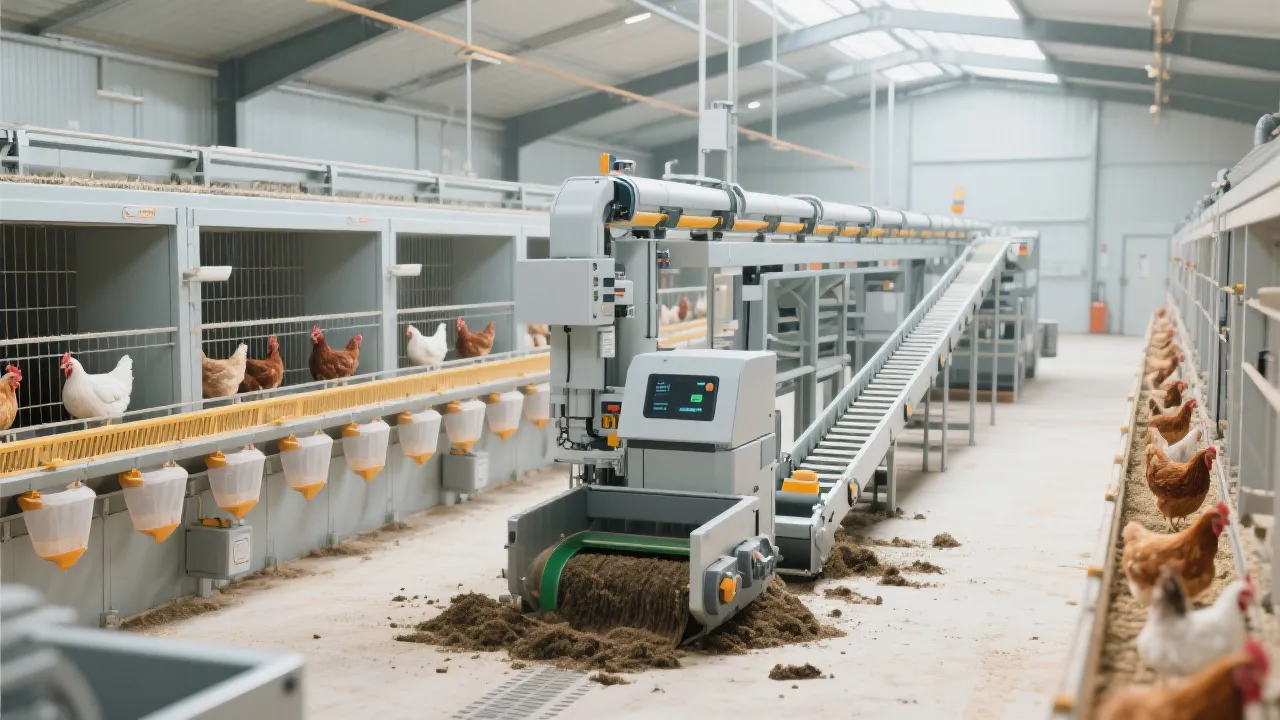
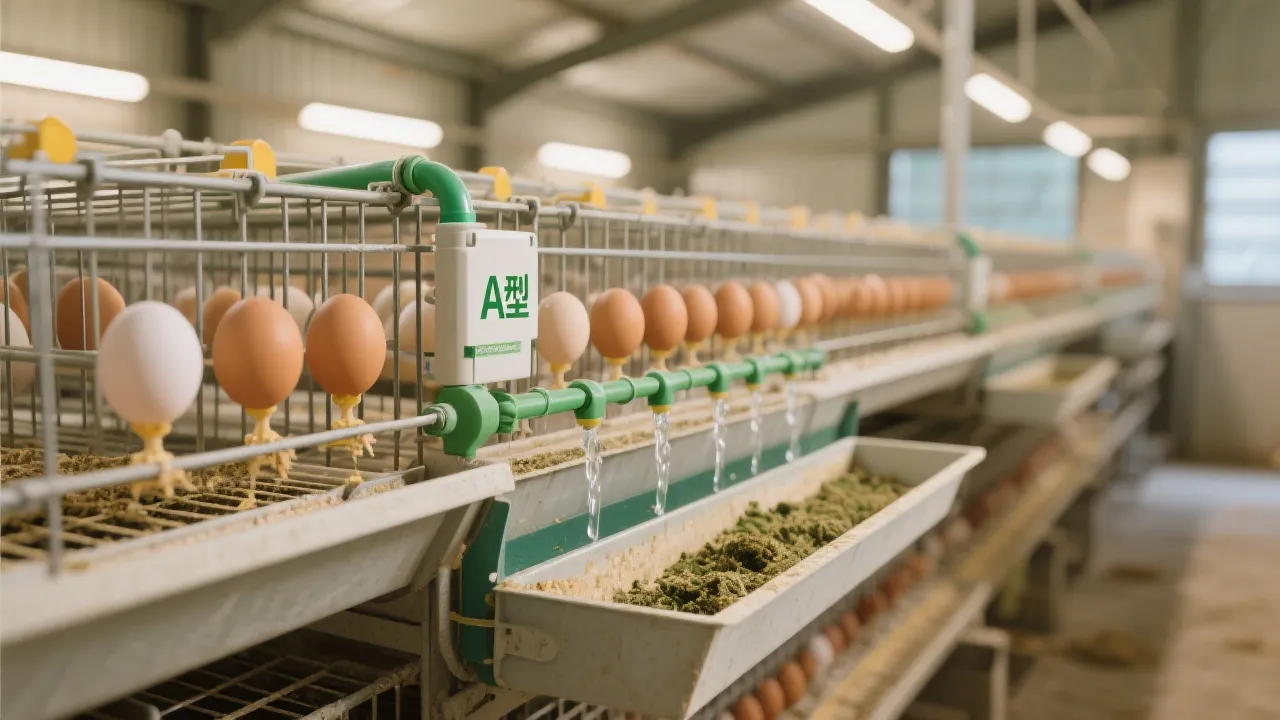
The real game-changer isn’t just cage height—it’s integrated automation. Livi Machinery’s A type layer chicken cages feature automated feeding, manure removal, and egg collection systems that reduce labor costs by up to 40%. In one case study from a 10,000-bird farm near Kitwe, switching from manual to semi-automated cages cut daily labor time from 4 hours to under 1.5 hours—and boosted egg production by 12% within six months.
Avoid These Common Pitfalls
- Overcrowding: Exceeding 18 birds/m² leads to aggressive behavior, lower egg quality, and higher mortality.
- Ignoring Ventilation: Poor air circulation in 5-layer setups causes ammonia buildup—a major health hazard.
- Skipping Maintenance Plans: Automated systems require monthly checks; neglecting this voids warranties and risks downtime.
Pro tip: Always consult local experts before finalizing your layout. For example, farms in Lusaka often benefit more from 4-layer cages than those in Copperbelt Province, where humidity levels vary significantly.
If you’re ready to optimize your poultry operation in Zambia—or anywhere in Sub-Saharan Africa—explore how Livi Machinery's A type layer chicken cages have helped hundreds of farmers increase yield, reduce labor, and improve bird welfare. Let’s build smarter farms—together.



Hot Products

.jpg?x-oss-process=image/resize,m_fill,h_800,w_800/format,webp)


Popular articles




READY TO START?
Ready to Build Your Poultry Farm?
Tell us your land size, poultry type and farming capacity. LIVI will provide a complete farm solution for your project.