


H-Type Laying Hen Cage Layer Optimization | Efficient Egg Production Solutions for Varied Stocking Densities
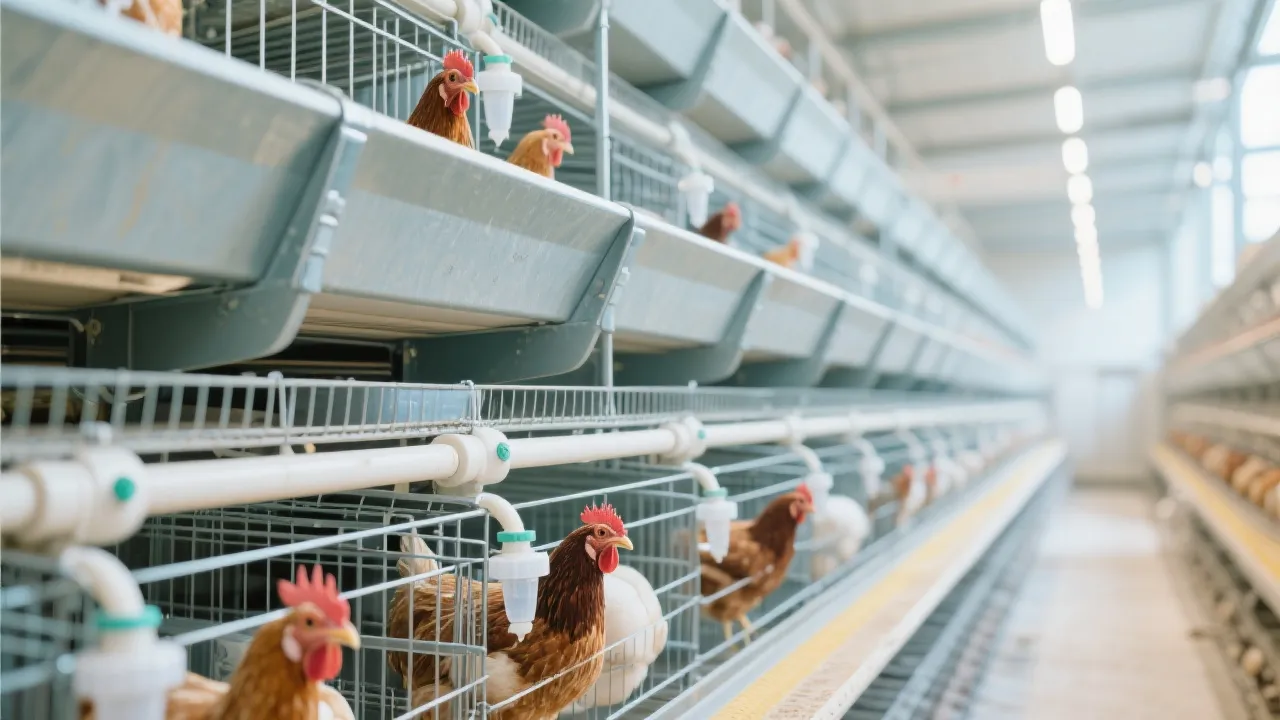
Optimizing Layer Configurations for H-Shaped Layered Chicken Cages to Boost Egg Production Efficiency
In the evolving landscape of large-scale egg-laying hen farming, space optimization has emerged as a decisive factor in maximizing productivity. The H-shaped layered chicken cage system offers a scientifically-backed design that elevates space utilization, operational efficiency, and animal welfare. This article explores tailored layer configuration schemes under various stocking densities, ranging from 5,000 to 30,000 hens, to empower farmers with data-driven strategies that enhance egg yield while effectively lowering labor costs.
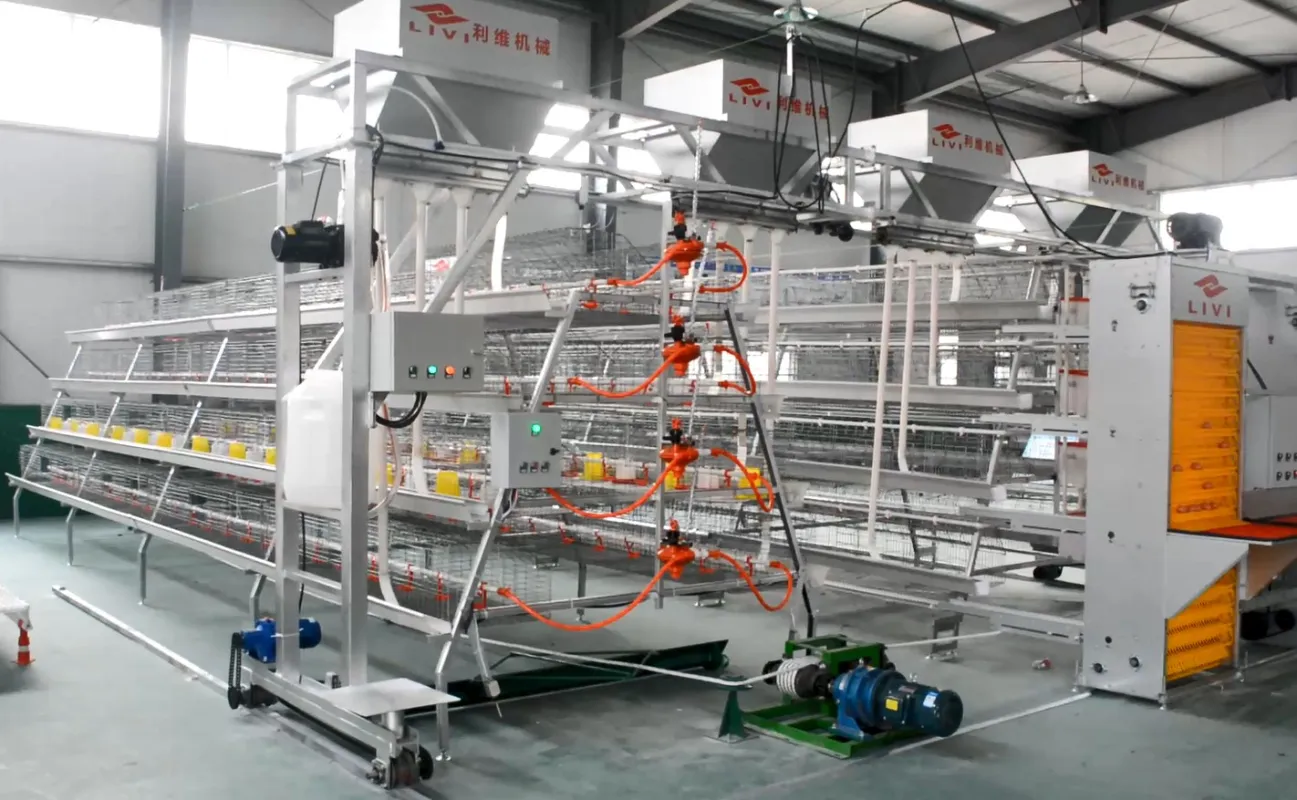
Core Advantages of the H-Shaped Cage Structure
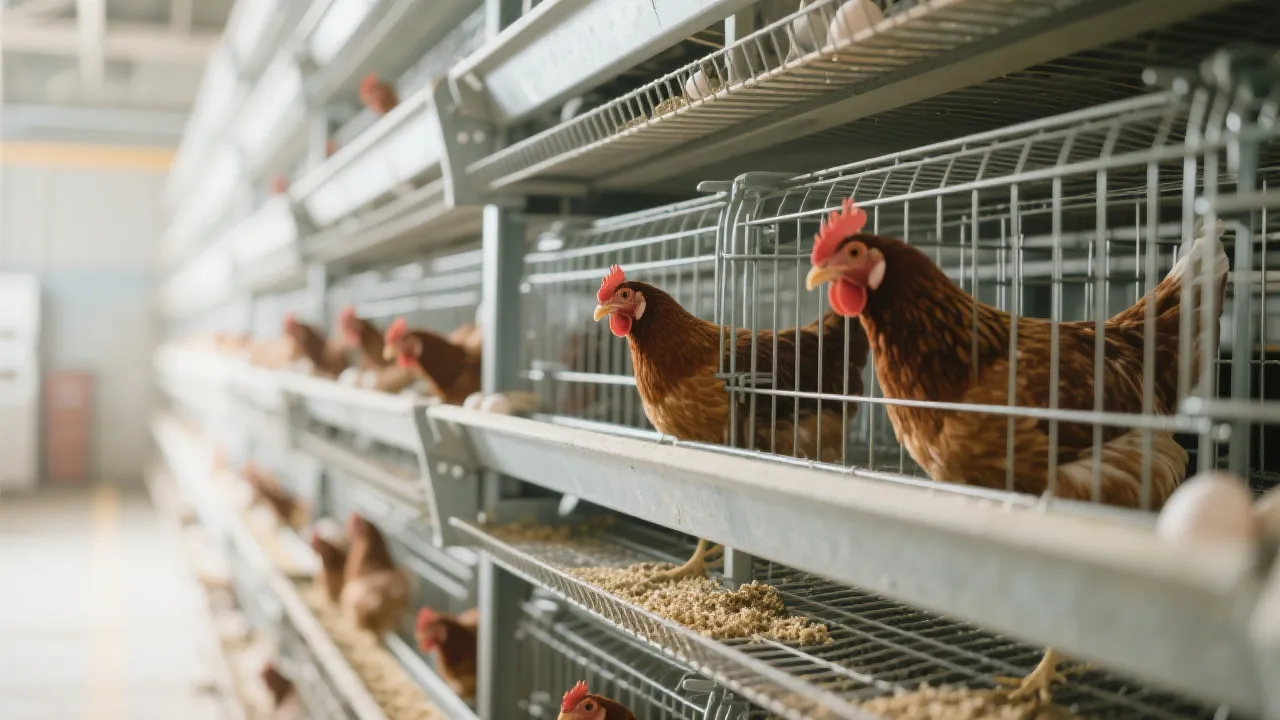
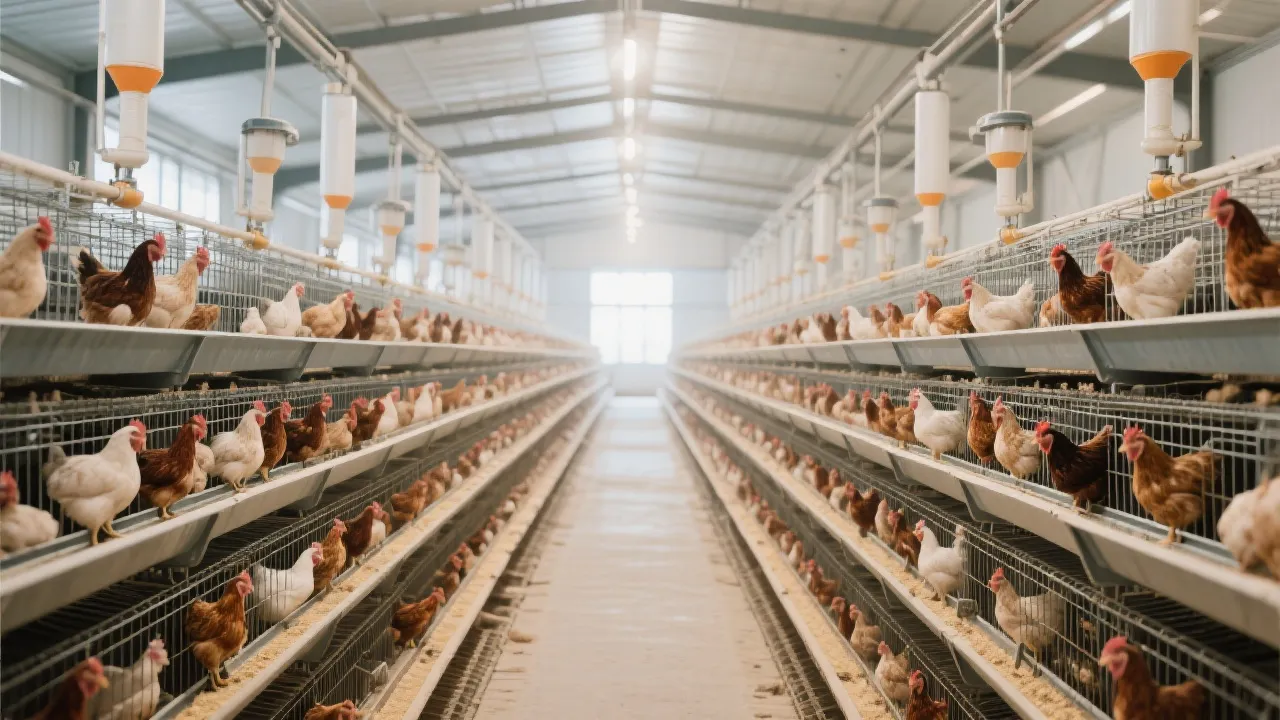
The H-shaped design integrates vertical stacking with streamlined access pathways, enabling a multi-tiered cage structure that improves spatial economy beyond traditional single-floor setups. Key benefits include:
- Optimized ventilation flow facilitating healthier environments for hens
- Efficient egg collection via compatible automatic gathering belts
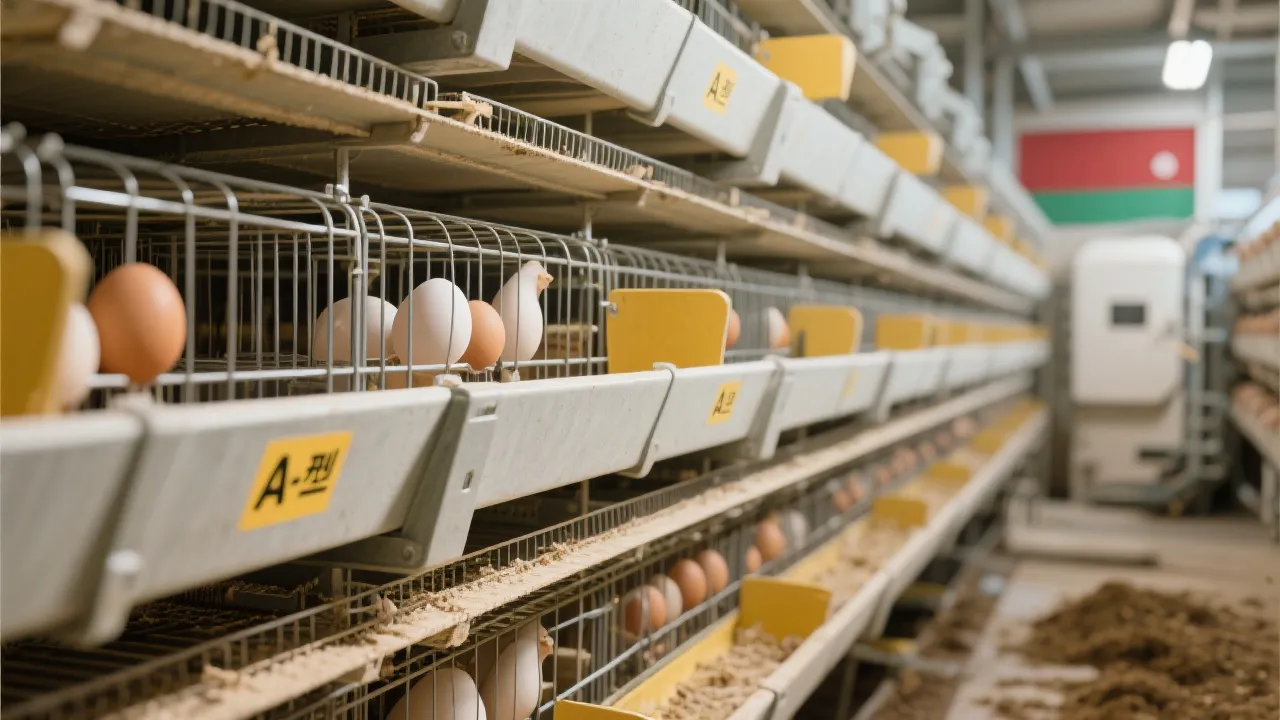
- Dedicated cleaning channels enhancing manure removal without disrupting daily activities
- Improved behavior adaptation for hens due to scientifically allocated movement spaces
Layer Allocation Strategies by Stocking Density
Stocking density directly influences how many layers are feasible and beneficial. Analysis of two density brackets reveals differing optimal configurations:
| Stocking Density | Recommended Layers | Key Considerations |
|---|---|---|
| 5,000 - 15,000 hens (Low to Moderate Density) | 3 to 5 layers | Sufficient ceiling height per layer (~85 cm), facilitating natural hen behaviors and ease of egg retrieval |
| 15,000 - 30,000 hens (High Density) | 6 to 8 layers | Balancing vertical height restrictions (typically ≤2.8m per layer) with automated systems for feeding and egg collection |
These layer ranges ensure optimal air circulation, minimize hen stress, and maintain productivity without causing overcrowding or ventilation bottlenecks.
Critical Parameters in Cage Design
Several engineering and husbandry factors govern the effectiveness of H-type cages:
- Inter-layer Height: Research recommends a vertical clearance between 0.8 to 1.0 meters to accommodate hen movement while conserving headroom.
- Activity Space Allocation: Each hen should have at least 450–500 cm² within cages to reduce aggression and promote laying comfort.
- Cleaning Aisles: Dedicated, unobstructed manure removal pathways reduce labor intensity by up to 35% and maintain hygiene standards.
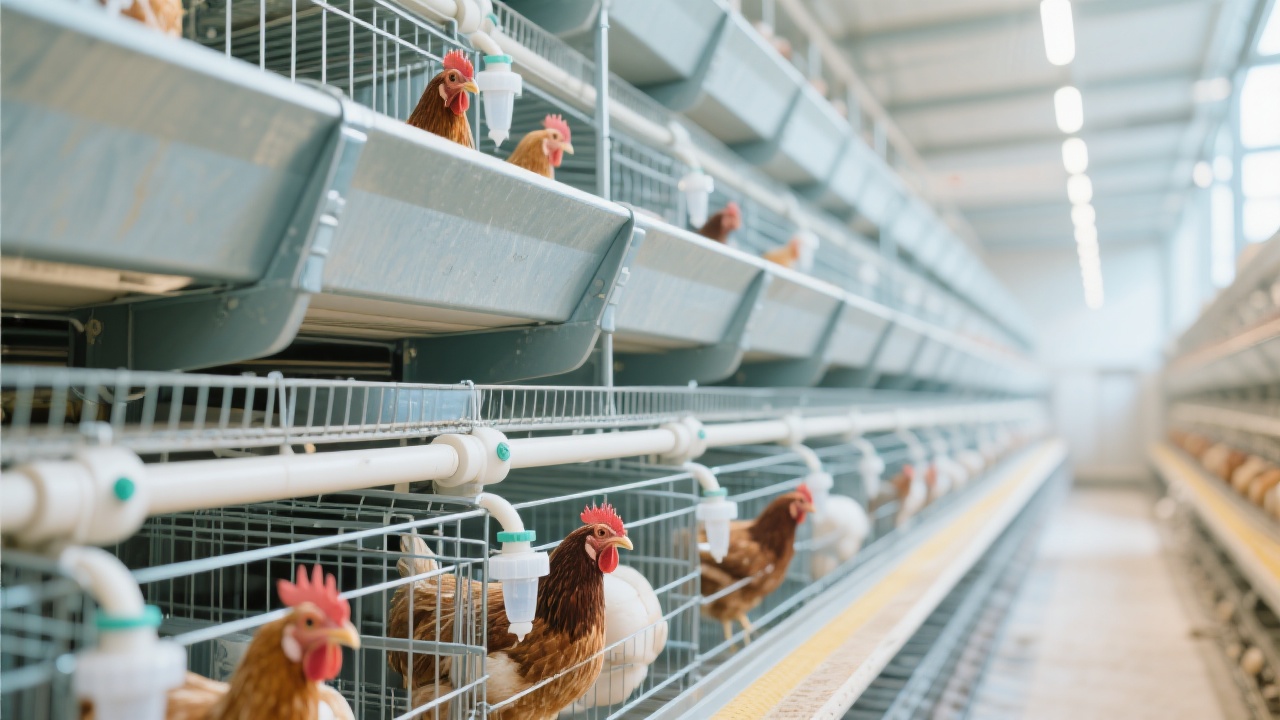
Empirical Insights: Farm Case Study Analysis
A retrofit project conducted in a 20,000-bird farm transitioning from traditional flat-layer cages to a tailored 6-layer H-shaped setup demonstrated noteworthy improvements:
| Key Performance Indicator | Pre-Upgrade | Post-Upgrade | Improvement |
|---|---|---|---|
| Egg Production Rate | 87.5% | 92.1% | 5.3% Increase |
| Manual Labor Hours per 1,000 hens/day | 6.8 hrs | 4.2 hrs | 38.2% Reduction |
| Feed Conversion Ratio (FCR) | 2.1 | 1.95 | 7.1% Improvement |
“This multi-layer H-shaped installation not only optimized spatial utilization but harmonized with automated feeding and egg collection lines, resulting in measurable efficiency gains across the board.” – Farm Manager, Innovative Poultry Solutions
Compatibility with Automation Systems
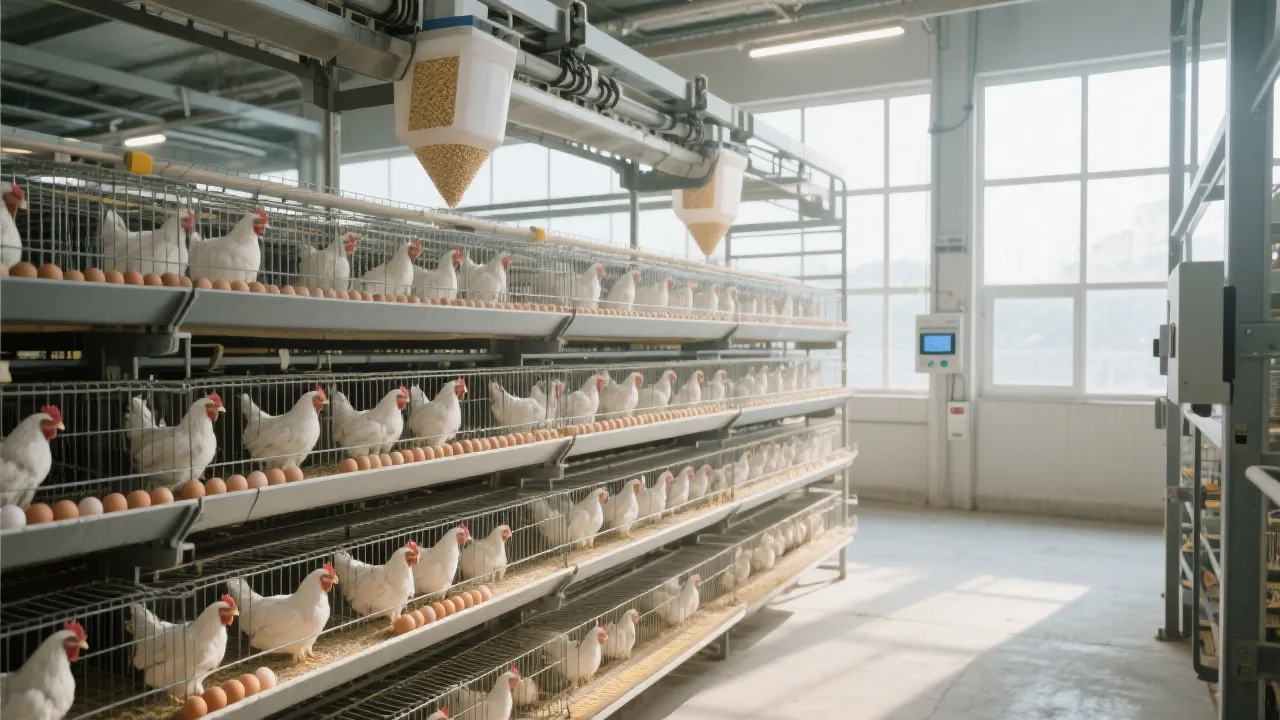
The H-shaped cage layers are engineered to seamlessly integrate with modern automation systems like:
- Automatic Egg Collection Belts: Ergonomically aligned to reduce egg breakage and expedite collection
- Automated Feeding Lines: Positioned within optimal reach of all layers, ensuring consistent feed distribution
- Manure Scrapers: Guiding droppings away on scheduled cycles without labor-intensive manual cleaning
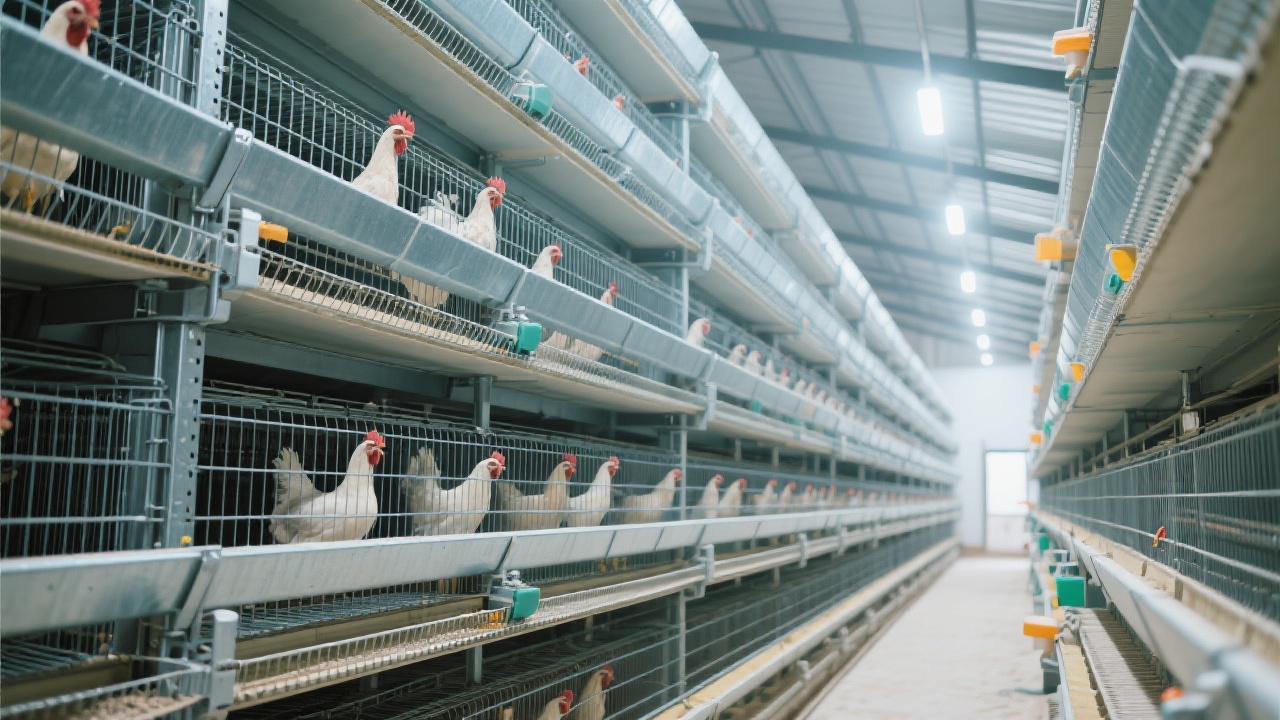
Practical Recommendations for Optimized Configuration
Selecting the ideal number of layers requires deliberate assessment of:
- Ceiling Height: Measure vertical clearance to avoid cramped hen conditions.
- Stocking Goals: Align cage volume with target hen count while ensuring welfare standards.
- Automation Compatibility: Verify spatial allowance for feeders, belts, and cleaning machines.
- Ventilation Capacity: Ensure HVAC systems cope with layered configurations to maintain air quality.
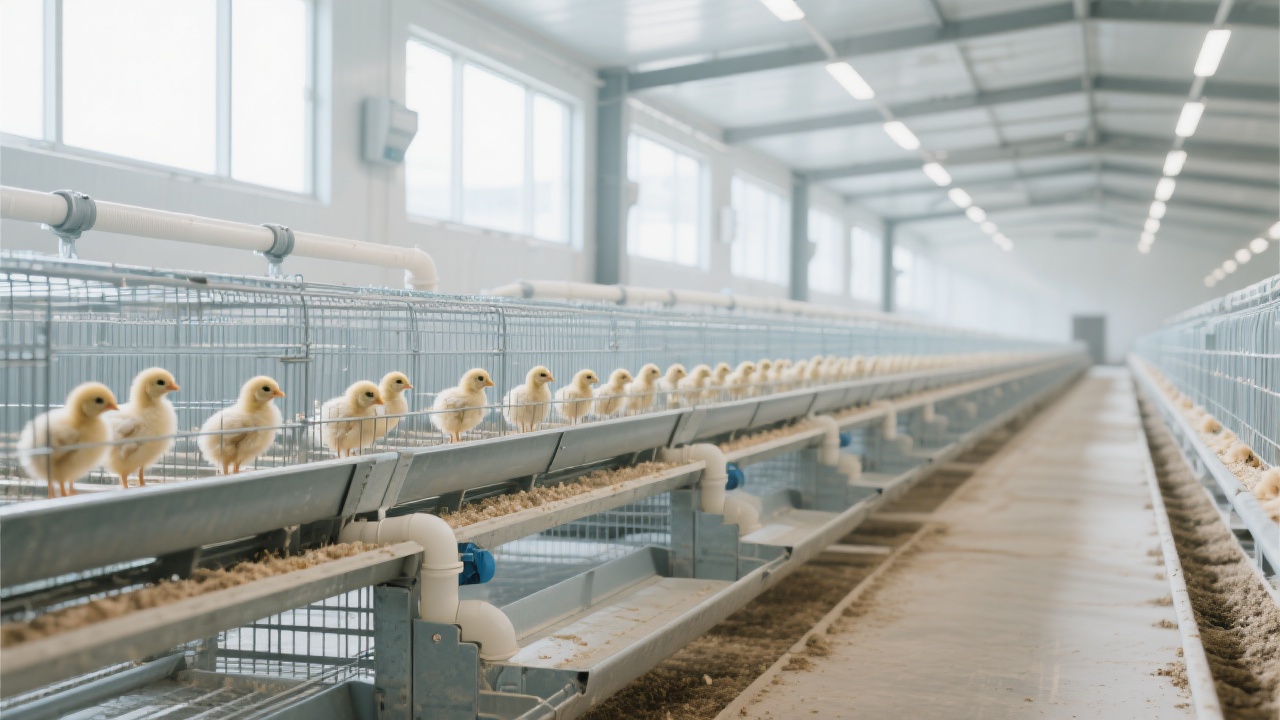
A scientific configuration approach translates directly into reduced operational costs and enhanced egg production efficiency, substantiating its role as a cornerstone for modern poultry farming.
Discover the Ultimate H-Shaped Layered Cage Solutions to Maximize Your Farm’s Profitability




Hot Products

.jpg?x-oss-process=image/resize,m_fill,h_800,w_800/format,webp)


Popular articles



READY TO START?
Ready to Build Your Poultry Farm?
Tell us your land size, poultry type and farming capacity. LIVI will provide a complete farm solution for your project.