


Multi-Layer Cage Systems for Large-Scale Chicken Farming: Design, Optimization & Real-World Success

The Power of Multi-Layer Cage Systems in Large-Scale Chicken Farming
Large-scale chicken farming requires efficient and reliable equipment to ensure productivity, hygiene, and cost-effectiveness. One of the most critical components in this process is the multi-layer cage system. These systems not only maximize space utilization but also streamline daily management tasks, leading to significant improvements in overall farm efficiency.
Understanding the Pain Points of Traditional Chicken Housing
In traditional chicken farming setups, space is often underutilized, and manual handling of feed, water, and waste becomes time-consuming and inefficient. For example, a medium-sized poultry farm with 10,000 chickens may require 2,000 square meters of floor space, which can be costly and difficult to manage. Additionally, poor ventilation and hygiene can lead to higher disease risks and lower growth rates.
Real-World Success Stories: How H-Type Battery Cages Transformed Operations
Take the case of a large chicken farm in Henan Province, China. Before upgrading to H-type battery cages from Zhengzhou Livy Machinery Co., Ltd., the farm faced challenges such as high labor costs, inconsistent feeding schedules, and poor waste management. After implementing the H-type system, the farm reported a 40% reduction in labor hours and a 25% increase in egg production within just six months.
Another success story comes from a commercial broiler farm in Shandong. By switching to a multi-layer cage system, they were able to double their flock size without increasing the physical footprint of the facility. This allowed them to scale operations more efficiently and meet growing market demands.
Key Features of H-Type Battery Cages
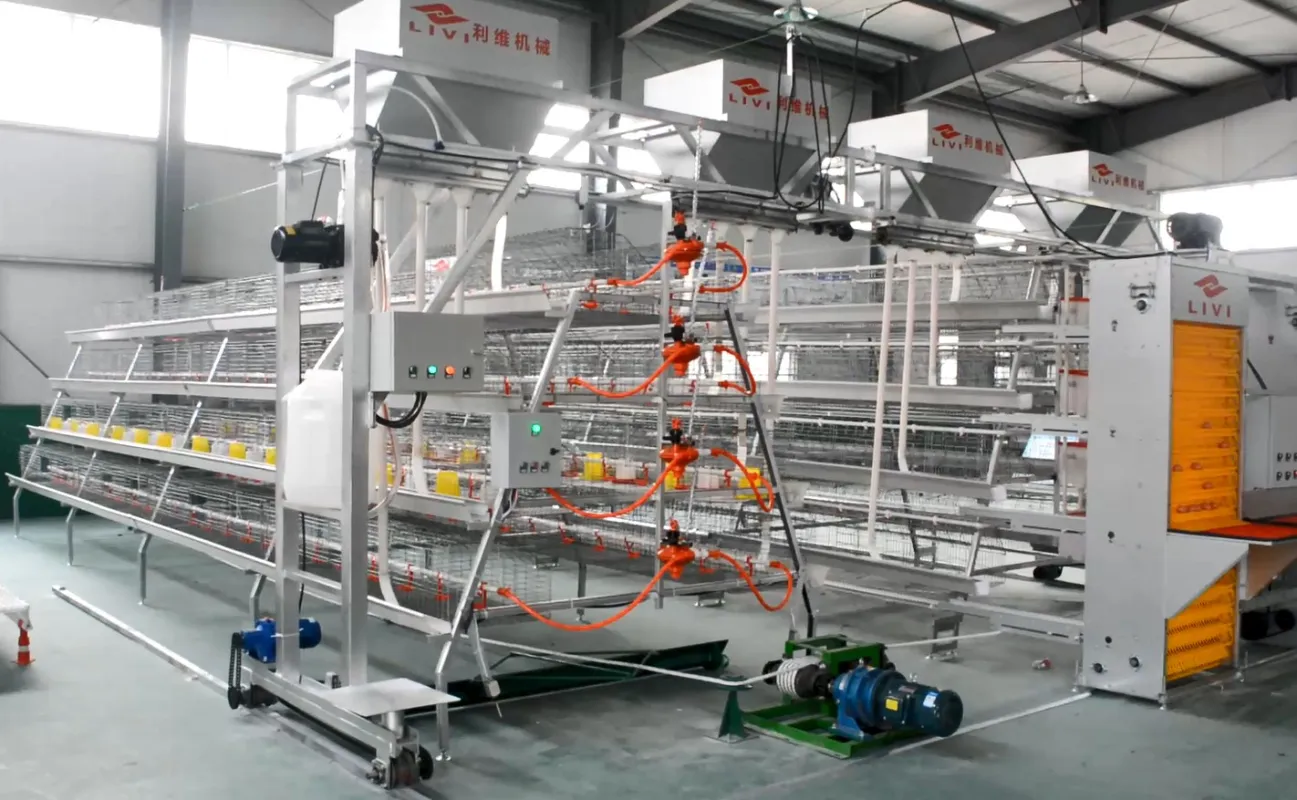
The H-type battery cage is designed with both durability and functionality in mind. Here are some of its key features:
| Feature | Description |
|---|---|
| Material | Galvanized steel frame with corrosion-resistant coating |
| Layer Configuration | 3–5 layers for optimal vertical space usage |
| Ease of Cleaning | Removable trays and smooth surfaces reduce cleaning time by up to 50% |
| Ventilation | Integrated airflow channels improve air circulation and reduce disease risk |
How Multi-Layer Design Enhances Efficiency
Multi-layer cage systems significantly boost space utilization. A single unit of an H-type cage can house up to 120 chickens per layer, with 5 layers offering a total capacity of 600 birds in just 10 square meters. Compared to traditional floor housing, this reduces the required area by over 60%, making it ideal for farms with limited land availability.
Moreover, these systems simplify daily management. Automated feeding and watering systems can be integrated, reducing human intervention and ensuring consistent feed distribution. Waste management is also more efficient, as droppings fall directly into collection trays below, minimizing contamination and improving hygiene standards.
Long-Term Investment Value
While the initial investment in a multi-layer cage system may seem high, the long-term benefits far outweigh the costs. The H-type cage has a service life of over 10 years, with minimal maintenance required. In comparison, traditional wooden or plastic cages may need replacement every 3–5 years, leading to higher lifetime costs.
A recent cost-benefit analysis showed that farms using H-type cages saw a return on investment (ROI) within 12–18 months, thanks to reduced labor, improved productivity, and lower feed conversion ratios.
Get Your Customized Solution Today
If you're looking to optimize your chicken farming operations, the H-type battery cage system is a proven solution that delivers real results. Whether you're managing a small family farm or a large commercial operation, we can help you design a system that fits your specific needs and budget.
Don’t miss out on the opportunity to improve efficiency, reduce costs, and increase profitability. Get Your Free Consultation Now and take the first step toward a smarter, more sustainable poultry farm.




Hot Products

.jpg?x-oss-process=image/resize,m_fill,h_800,w_800/format,webp)


Popular articles



READY TO START?
Ready to Build Your Poultry Farm?
Tell us your land size, poultry type and farming capacity. LIVI will provide a complete farm solution for your project.