


What Core Systems Do You Need to Build a Modern Poultry Farm?
A practical equipment checklist for a modern poultry farm
Building a modern poultry farm is not about buying a single machine—it is about configuring interconnected systems that work reliably together: cage system, feeding, drinking, manure removal, egg collection, house climate control, the steel structure poultry house, and supporting facilities.
Prepared by Livi Machinery (Zhengzhou LIVI Machinery Manufacturing Co., Ltd.), this page helps investors, EPC project owners, and commercial farms planning 5,000–30,000+ layers create an integration-ready checklist—so you don’t miss critical components during procurement and installation.
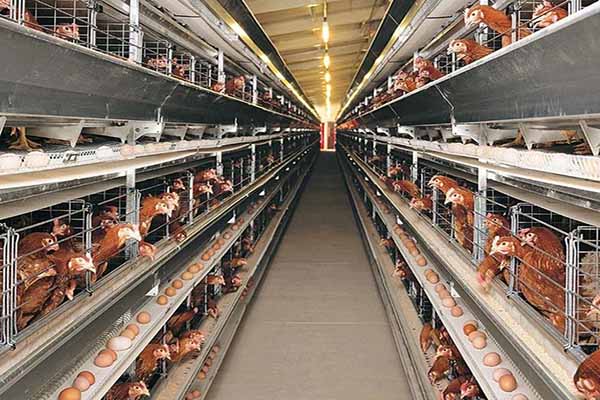
Core systems you need (modern poultry farm setup)
Use the modules below as a procurement and engineering checklist. Each module includes what it does, what to confirm, and typical integration points with other systems.
1) Poultry cage system (layer cage system)
The cage system defines bird capacity, aisle layout, automation interfaces, and daily management workflow. For layers, a stable cage system is the foundation for feeding, watering, manure handling, and egg collection.
- Capacity planning: confirm target bird count (e.g., 5,000–30,000+) and future expansion space.
- Material & corrosion protection: Q235 steel with surface treatment options (hot-dip galvanizing / Al-Zn coating) to fit local climate and cleaning practices.
- Operation convenience: aisle width, accessibility for inspection, cleaning and egg handling.
- Integration points: interfaces to feeding lines, nipple drinking lines, manure belts/scrapers, and egg collection conveyors.
System example from Livi Machinery
Efficient H-Type Layer Cage: H-type structure is designed to utilize vertical space and support efficient management such as feeding, cleaning, and egg collection. Suitable for commercial farms requiring higher capacity in limited floor area.
2) Automatic feeding system
Delivers feed consistently to each cage row and reduces manual workload. The feeding system should match your cage row count, daily feed volume, and layout.
- Confirm: feeding route, drive unit locations, and refill points (silo/warehouse connection).
- Check compatibility: feeder type and line length aligned with H-type cage configuration.
- Plan for maintenance: access to motors/gearboxes and easy cleaning zones.
3) Nipple drinking system (automatic drinking)
Stable water supply is critical for flock health. A nipple drinking system should be designed for your water source quality, house pressure stability, and row layout.
- Confirm: filtration, pressure regulation, and line zoning by cage rows.
- Integrations: align drinking line positions with cage tiers and service aisles.
- Operational readiness: ensure convenient flushing points and routine sanitation access.
4) Manure removal system (automatic manure cleaning)
Manure removal affects air quality, labor demand, and overall biosecurity. A matched manure cleaning system helps keep the house environment stable.
- Confirm: manure belt/scraper layout by tier and row, and discharge point location.
- Check: drive unit placement and safe maintenance access.
- Integrate with climate control: better manure management supports more stable house conditions.
5) Egg collection system (automatic egg collection)
An egg collection system streamlines daily operations and reduces handling. The design should match cage tiers, egg flow direction, and packing/collection room layout.
- Confirm: conveyor routes, transfer points, and central collection location.
- Check integration: cage-level egg output must align with conveyor speed and layout.
- Plan workflow: sorting/packing space and human access without interrupting bird areas.
6) Poultry house climate control (environment control)
A modern poultry house needs stable ventilation and temperature management. Environment control should be planned together with stocking density, cage layout, and manure handling to support comfortable bird conditions.
- Confirm: ventilation path, fan/cooling/heating configuration (as applicable), and sensor placement.
- Design linkage: align climate control with house structure and sealing/insulation plan.
- Operational focus: accessibility for cleaning, inspection, and reliable control logic.
Tip: When climate control is designed late, farms often face “system mismatch” (airflow conflicts with cage rows, difficult maintenance routes, or insufficient discharge points). Plan it at the same stage as cage and manure systems.
7) Steel structure poultry house (building & layout)
The poultry house structure determines clear height, ventilation volume, equipment fixing points, and long-term maintenance convenience. A steel structure poultry house is typically planned with equipment layout from the beginning.
- Confirm: building dimensions, load requirements, and equipment installation zones.
- Plan: service aisles, electrical rooms, feed storage, and egg handling/packing areas.
- Integrations: mount points for lines, fans, control panels, and conveyors.
8) Essential supporting facilities (often missed)
Supporting facilities help all core systems operate stably and safely. These items are frequently overlooked when purchasing equipment separately.
Integration checklist (to avoid missing critical connections)
| System | Primary purpose | Key confirmations before you buy | Typical dependencies |
|---|---|---|---|
| Layer cage system | Defines capacity & layout | Bird count, tiers/rows, corrosion protection, service aisles | Feeding, drinking, manure, egg collection, house dimensions |
| Feeding | Consistent feed delivery | Route, drive locations, refill points, line length | Cage geometry, power distribution, feed storage connection |
| Drinking (nipple) | Stable water access | Filtration, pressure regulation, zoning, flushing | Water source quality, cage tier positions, maintenance access |
| Manure removal | House hygiene & air quality support | Tier/row layout, discharge location, drive safety | Climate control plan, building layout, workflow routing |
| Egg collection | Efficient egg transfer | Conveyor route, transfer points, collection room layout | Cage tiers, packing workflow, power & access aisles |
| Climate control | Ventilation & temperature management | Airflow path, equipment placement, sensor/control strategy | House structure, sealing/insulation, manure discharge zones |
Where the Efficient H-Type Layer Cage fits best
Recommended when you need
- A high-capacity layer cage system that uses vertical space efficiently
- A design that supports automated egg collection and manure cleaning
- Long-term durability using Q235 steel and corrosion-protection surface treatments
- A system suitable for commercial farms and EPC-style project delivery
Key product facts (as specified)
- Capacity range: 5,000–30,000 layers
- Structure: H-type design for space utilization and management convenience
- Material: Q235 steel
- Surface: hot-dip galvanized and Al-Zn coating options mentioned
- Service life: 15–20 years stated
- Standards: ISO9001 / ISO14001 / CE referenced for compliance alignment
How Livi Machinery supports modern poultry farm projects
Livi Machinery is a manufacturing-driven solution provider focused on poultry farming equipment. Beyond supplying layer cage systems (including the Efficient H-Type Layer Cage), we help align your full system configuration—from cage rows to automation and poultry house climate control—so the farm can be built as a complete, operable system rather than disconnected devices.
One-stop EPC mindset
From planning to delivery: layout coordination, equipment matching, and on-site installation logic—aimed at reducing rework caused by missing interfaces.
Quality control focus
Material selection and inspection checkpoints are managed from raw materials to shipment to support consistent manufacturing output.
Global project readiness
Experience supporting international markets and different fulfillment models (direct shipping, local production, overseas warehouse, local distribution) depending on project needs.
If you are planning a 5,000–30,000+ layer project, share your target capacity, land/building dimensions, and preferred automation level. We can help map an equipment checklist that includes the cage system, feeding, drinking, manure removal, egg collection, climate control, and supporting facilities—ready for integration and installation planning.

Hot Products

.jpg?x-oss-process=image/resize,m_fill,h_800,w_800/format,webp)


Popular articles


2.png?x-oss-process=image/resize,h_800,m_lfit/format,webp)
READY TO START?
Ready to Build Your Poultry Farm?
Tell us your land size, poultry type and farming capacity. LIVI will provide a complete farm solution for your project.