


What Equipment Do You Need for a Modern Layer Chicken Farm Setup?
Building a modern layer chicken farm is not only about choosing layer cages—it’s about configuring a complete, connected workflow: feeding, drinking, manure removal, egg collection, environmental control, and a suitable poultry house structure.
Livi Machinery (Zhengzhou Livi Machinery Manufacturing Co., Ltd., established in 2013) designs and manufactures poultry farming equipment and provides one-stop farm solutions from planning to delivery. This page explains the essential equipment for a modern layer farm setup and how to select them based on farm scale, site conditions, and automation goals.
At a Glance: Core Systems
- Layer chicken cages (core housing & production unit)
- Automatic feeding system (consistent ration delivery)
- Automatic drinking system (stable water supply)
- Automatic manure removal (cleaning & hygiene control)
- Automatic egg collection (egg handling efficiency)
- Poultry house environmental control (temperature/air quality)
- Steel-structure poultry house (site-adapted building)
1) Layer Cages: The Foundation of a Layer Farm
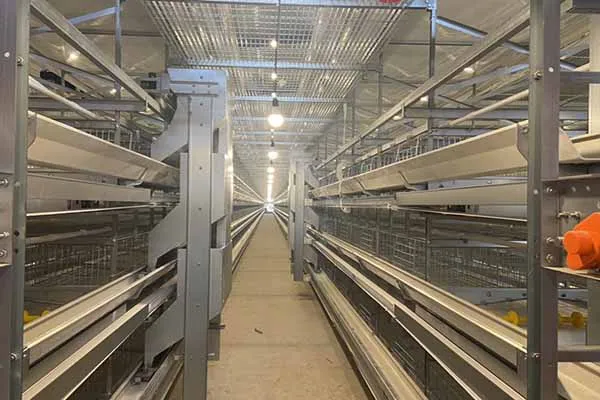
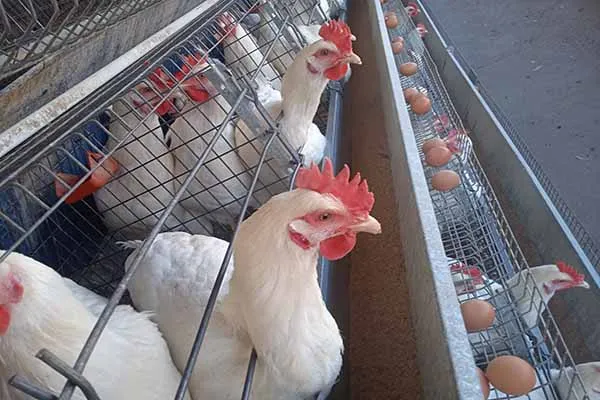
Layer cages define stocking density, bird comfort, labor efficiency, and downstream system compatibility. In a modern configuration, the cage system should be planned together with egg collection, manure removal, and ventilation layout.
Selection considerations
- Farm capacity and building size: match cage rows, tiers, and aisle widths to the poultry house footprint.
- Automation target: manual, semi-automatic, or fully automatic integration with feeding/egg/manure systems.
- Management objectives: prioritize uniform feeding/drinking access and practical inspection routes.
- Market and handling needs: align egg collection and packing flow with your sales channel.
Tip: cage layout and environmental control design should be coordinated early—airflow paths, fan placement, and manure belt routes affect both performance and maintenance access.
2) Automatic Feeding System: Consistency at Scale
An automatic feeding system supports stable daily operations by delivering feed along cage lines on a consistent schedule. This is especially valuable as farm size increases and labor coordination becomes more complex.
What to evaluate
- Uniform distribution: helps reduce competition and improves management consistency.
- Ease of maintenance: simple inspection points and accessible components matter for uptime.
- Compatibility: ensure the feeding line matches cage dimensions and house layout.
3) Automatic Drinking System: Reliable Water Access
A modern layer farm typically uses an automatic drinking system to provide stable water access while keeping the cage area cleaner. Drinking line design should support daily checks and easy flushing/cleaning routines.
Practical selection points
- Water pressure stability: consistency supports uniform access across long lines.
- Leak control & hygiene: helps reduce wet litter/odor risks and improves house conditions.
- Serviceability: plan for convenient inspection and cleaning.
4) Automatic Manure Removal: Cleanliness and Operational Stability
An automatic manure removal system is a core part of modern cage farming. It supports routine hygiene management and helps maintain a more stable house environment when paired with proper ventilation.
Key considerations
- Removal schedule alignment: coordinate manure belt operation with ventilation and daily labor routines.
- House design fit: ensure belt routes and discharge points are planned in the building layout.
- Maintenance access: safe, reachable service points reduce downtime.
5) Automatic Egg Collection: Efficient Handling and Reduced Breakage Risk
An automatic egg collection system streamlines the farm’s product flow—from cage line to collection area—supporting consistent handling and helping organize labor around packing and logistics.
Selection considerations
- Layout compatibility: align conveyors/collection routes with aisles and the egg handling room.
- Operational rhythm: match collection frequency to flock management and staffing.
- Cleaning and inspection: keep the system easy to monitor for stable daily operation.
6) Poultry House Environmental Control: Make the Equipment Work Together
A poultry house environmental control system helps maintain suitable internal conditions across seasons. In modern farms, ventilation and climate management are designed together with stocking density, manure removal, and building insulation.
What to plan for
- Site climate and seasonality: temperature range, humidity, wind patterns, and dust conditions influence design priorities.
- Airflow and equipment placement: coordinate fan/inlet locations with cage rows and service corridors.
- Power and reliability: consider stable operation strategies aligned with local infrastructure.
7) Steel-Structure Poultry Houses: A Practical Base for Modern Automation
A steel-structure poultry house provides the physical foundation for equipment installation and future expansion. The building plan should consider internal workflow (feed/egg/manure paths), ventilation design, and long-term maintenance access.
Design checkpoints
- Site conditions: land shape, drainage, prevailing winds, and access roads affect orientation and layout.
- Expandability: reserve space for additional houses or upgraded automation levels.
- Operational flow: plan clear routes for feed delivery, egg handling, and manure discharge.
How the Systems Connect: A Simple Production Workflow
- Housing: hens are managed in a layer cage system designed for inspection and daily routines.
- Feeding & drinking: automatic lines support consistent delivery and daily management.
- Environmental control: ventilation and climate equipment stabilize the house environment and support performance.
- Manure removal: routine discharge supports hygiene and house condition management.
- Egg collection: eggs move through a planned route to the collection/handling area.
Planning these steps together helps avoid common issues such as mismatched aisle widths, difficult maintenance access, or inconvenient egg/manure discharge routes.
Equipment Planning by Scale, Site Conditions, and Automation Goals
| Planning factor | What it affects | What to clarify before ordering |
|---|---|---|
| Farm capacity & house dimensions | Cage layout, number of rows/tiers, conveyor routes, service corridors | Target bird number, building footprint, aisle widths, working zones |
| Site climate & local environment | Ventilation strategy, cooling/heating priorities, insulation needs | Seasonal temperature range, humidity, wind direction, dust conditions |
| Automation level | Choice of feeding/egg/manure systems and labor planning | Labor availability, management style, desired daily workflow |
| Power & infrastructure conditions | System reliability planning and equipment configuration | Power stability, backup needs, water quality/pressure basics |
| Target market & egg handling flow | Egg collection route, sorting/packing area organization | Packaging approach, storage/dispatch plan, biosecurity routing |
Why Work with Livi Machinery
- Integrated capability: manufacturing + solution planning for layer farm equipment configuration.
- One-stop project support: from site planning to project delivery (EPC-style turnkey approach).
- Global service experience: served customers across 80+ countries and regions with visits to 1000+ farms (as shared by the company).
- Quality control focus: inspection from raw material selection through final shipment as part of the company’s stated quality process.
Best-fit for
Investors, farm project owners, and operators planning a modern layer chicken farm who want a practical equipment list aligned with capacity, site conditions, and automation level.
Information to prepare
Planned bird capacity, land/building dimensions, local climate notes, preferred automation level, and your egg handling/packing workflow.
If you want, Livi Machinery can help translate your farm plan into a coordinated equipment configuration—layer cages, automatic feeding and drinking, manure removal, egg collection, environmental control, and steel-structure poultry house planning—so each system fits the same workflow.



郑州利维机械高效H型层蛋鸡笼系统
Hot Products

.jpg?x-oss-process=image/resize,m_fill,h_800,w_800/format,webp)


Popular articles


READY TO START?
Ready to Build Your Poultry Farm?
Tell us your land size, poultry type and farming capacity. LIVI will provide a complete farm solution for your project.