


Maintenance Schedules and Fault Prevention for Livestock Manure Removal Systems: A Practical Guide
Optimizing Waste Management in Poultry Farms: A Practical Guide to Efficient Cleaning Systems
Modern poultry farming faces increasing pressure to reduce environmental impact while maintaining high productivity. According to the FAO, over 70% of global livestock waste is not properly managed—leading to pollution risks and missed opportunities for resource recovery. For egg producers using H-type multi-tier cage systems, efficient manure removal isn’t just about cleanliness—it’s a strategic lever for energy savings, regulatory compliance, and long-term sustainability.
Why Mechanical Scrapers & Screw Conveyors Matter
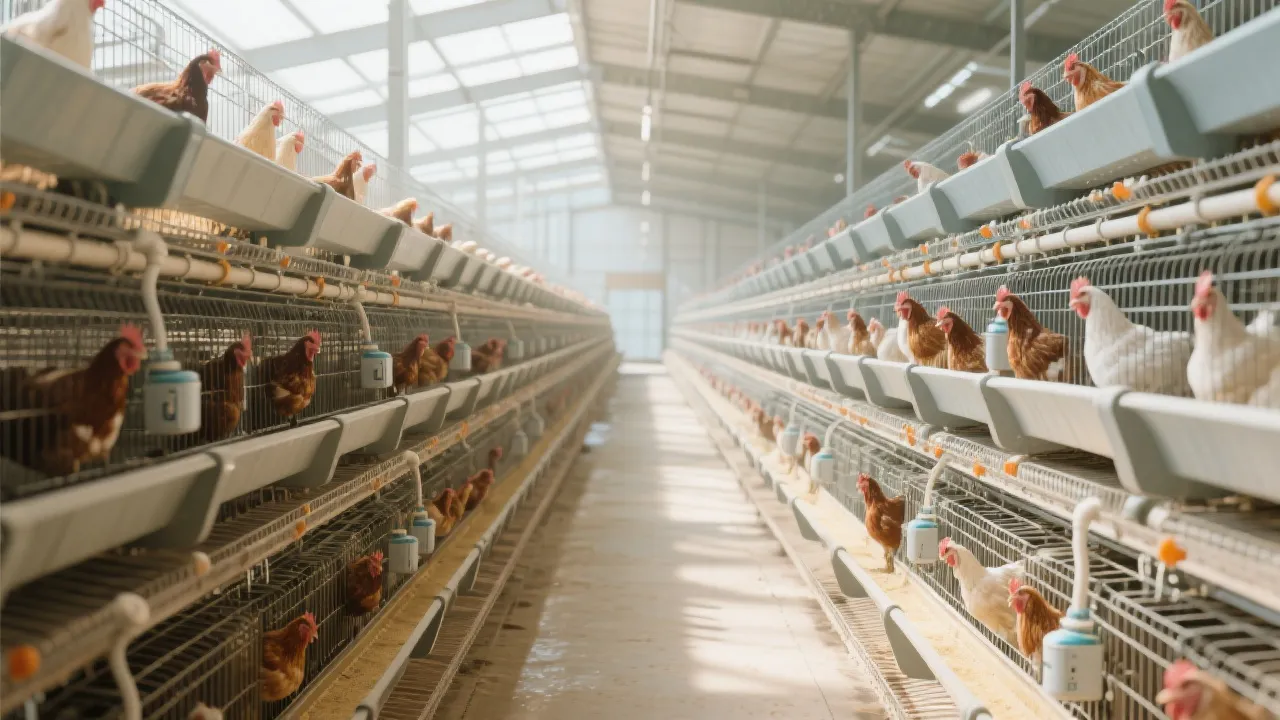
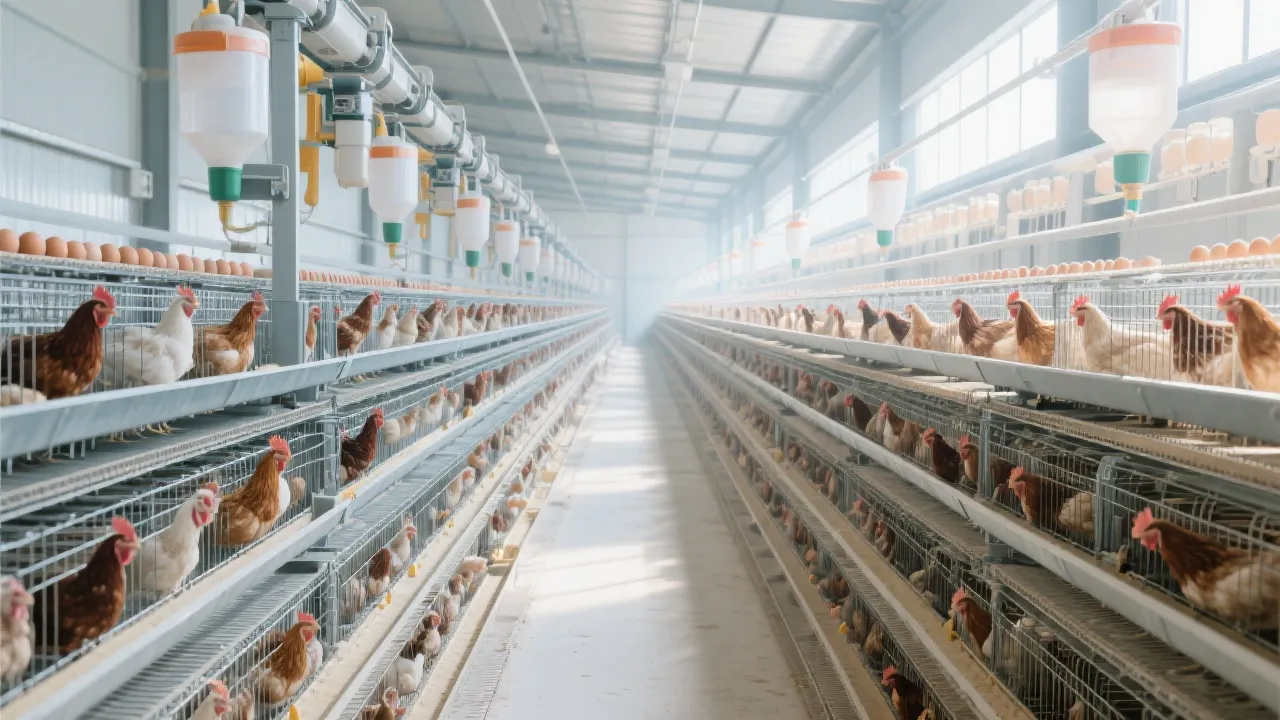
In intensive layer farms, mechanical scraper systems (like belt-driven or chain-based models) and screw conveyors are proven solutions for continuous manure extraction. Studies from China Agricultural University show that farms using these systems report up to 40% less labor cost and 25% lower odor emissions compared to manual methods. In H-type cages, where birds are stacked vertically, consistent waste removal prevents ammonia buildup—a major cause of respiratory issues in chickens.
| System Type | Energy Use (kWh/ton) | Maintenance Frequency |
|---|---|---|
| Mechanical Scraper | 1.2–1.8 | Weekly inspection + monthly lubrication |
| Screw Conveyor | 0.9–1.5 | Bi-weekly check + quarterly motor service |
Preventive Maintenance: The Key to Uptime
A well-maintained system can last 8–10 years with minimal downtime. Based on field data from 120 farms across Southeast Asia, those implementing structured maintenance schedules saw a 60% reduction in unplanned breakdowns. Critical steps include:
- Inspecting scraper belts and conveyor chains weekly for wear or misalignment
- Lubricating bearings every 30 days to prevent overheating
- Calibrating sensors in smart control units monthly to avoid false triggers
Integrating with Ventilation: A Synergistic Approach
When paired with optimized ventilation systems, clean floors significantly improve air quality inside barns. Research published in the Journal of Animal Science found that farms combining automated cleaning with variable-speed fans reduced ammonia levels by 55%—resulting in better feed conversion ratios and fewer health incidents.
From Waste to Resource: ISO 14001 Compliance Made Practical
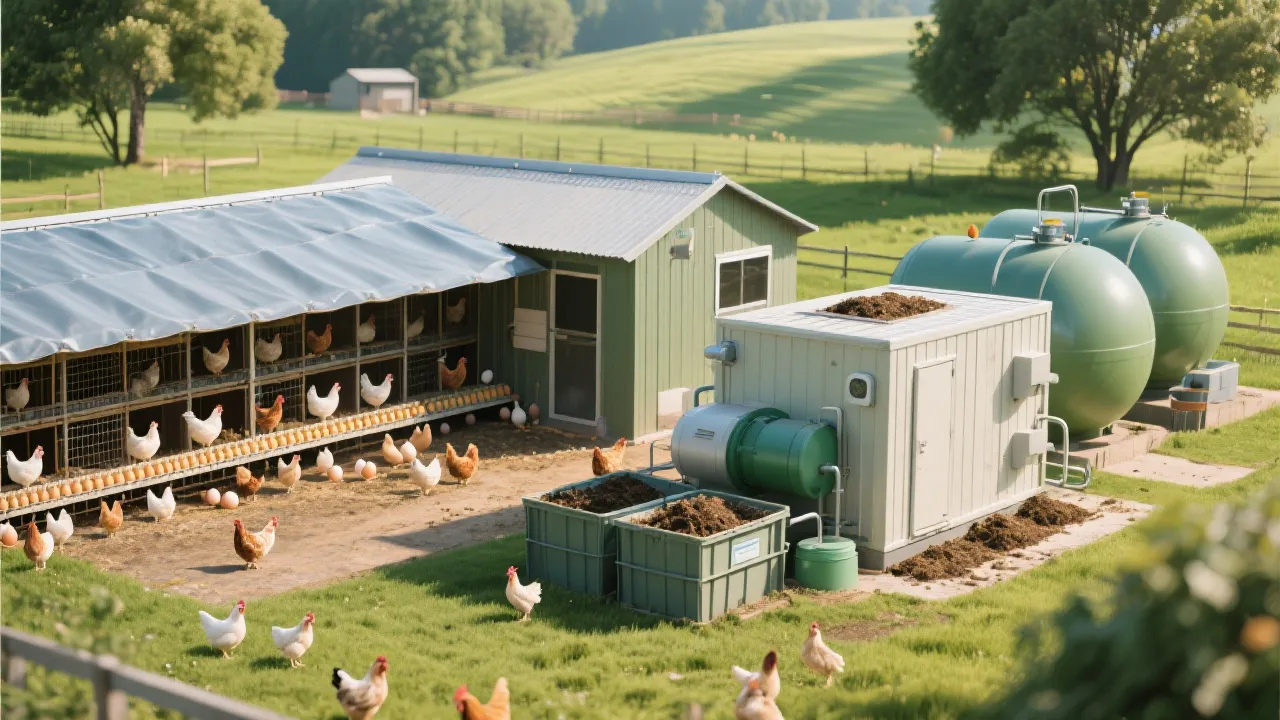
By following ISO 14001 standards, farms can turn manure into valuable assets through composting or anaerobic digestion. A case study from a 50,000-hen farm in Henan Province shows how daily collection via screw conveyors enabled biogas production that powered lighting and heating—cutting annual electricity costs by $4,200. Compost produced met EU-grade standards for soil enrichment, creating an additional revenue stream.
Whether you're managing a 10,000-bird operation or expanding to 50,000+, investing in intelligent manure handling isn't optional anymore—it's essential for survival in today’s green economy.
Ready to Upgrade Your Farm’s Efficiency?
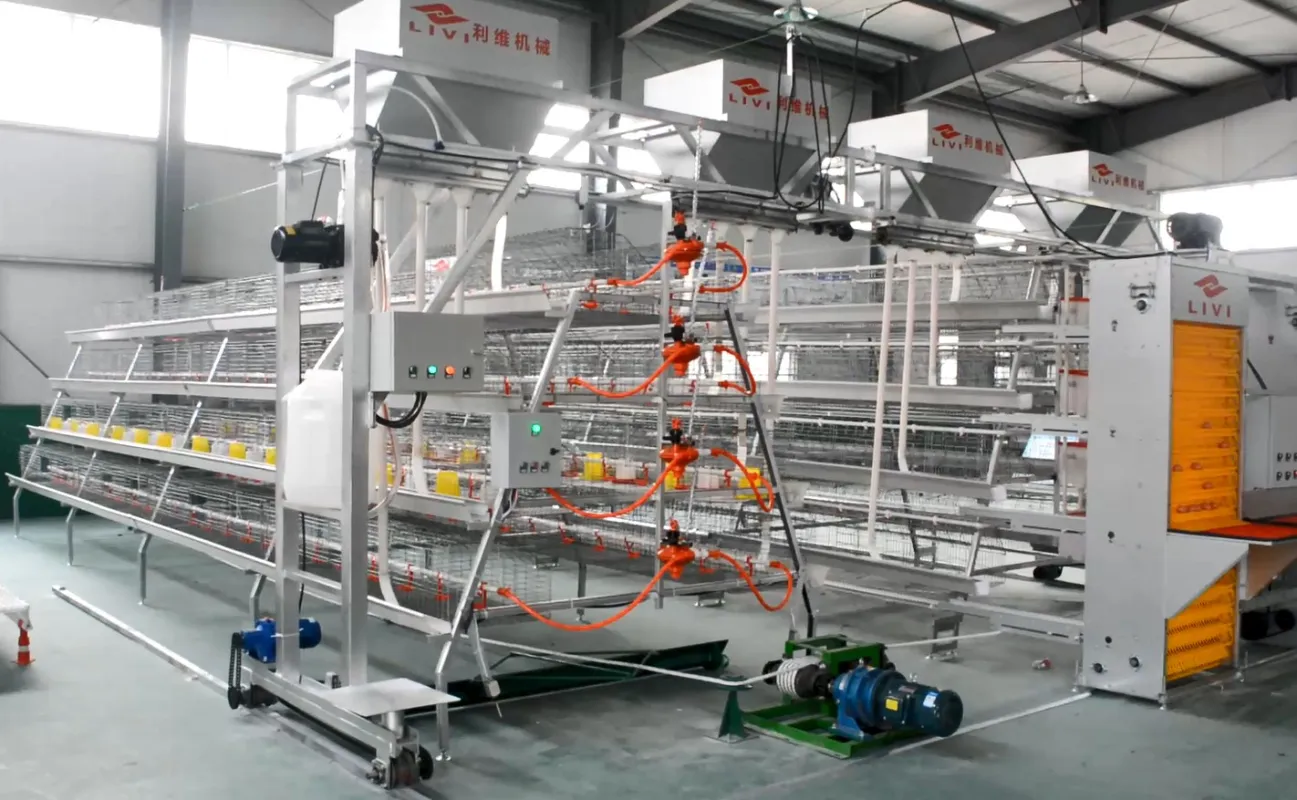
Explore our range of high-efficiency manure removal systems designed for H-type cage setups—from mechanical scrapers to fully automated screw conveyors.
Get Free Technical Consultation →



Hot Products

.jpg?x-oss-process=image/resize,m_fill,h_800,w_800/format,webp)


Popular articles





READY TO START?
Ready to Build Your Poultry Farm?
Tell us your land size, poultry type and farming capacity. LIVI will provide a complete farm solution for your project.