


Analyzing Challenges in Traditional Laying Hen Farming: Enhancing Egg Production and Environment Through Automation

Addressing Traditional Layer Hen Farming Challenges with Automation
Layer hen farming, a cornerstone of the poultry industry, continues to face significant challenges that hinder scaling and profitability. Three key pain points persist: high labor costs, inefficient management processes, and critical hygiene issues that affect both flock health and egg quality. These issues often result in suboptimal egg production rates and raise biosecurity risks that can lead to costly disease outbreaks.
The Traditional Bottlenecks in Layer Hen Farming
Manual cleaning and egg collection dominate traditional farms, requiring excessive human labor. It is common for farms to spend over 40% of operational manpower just on these routine tasks, leading to high operational expenses and inconsistencies due to human factors. Furthermore, hygiene maintenance struggles with inefficient waste removal, facilitating pathogen proliferation and creating suboptimal microclimates that negatively impact hen welfare and egg production.
Research indicates that poorly managed hygiene and labor inefficiency can pull down average egg production by 5-10%, a significant loss in profit margin for large-scale operations. These setbacks clearly signal the urgent need for automation to enhance operational efficiency and flock health.
Innovative Solutions: H-type layer cages with Automated Cleaning and Egg Collection
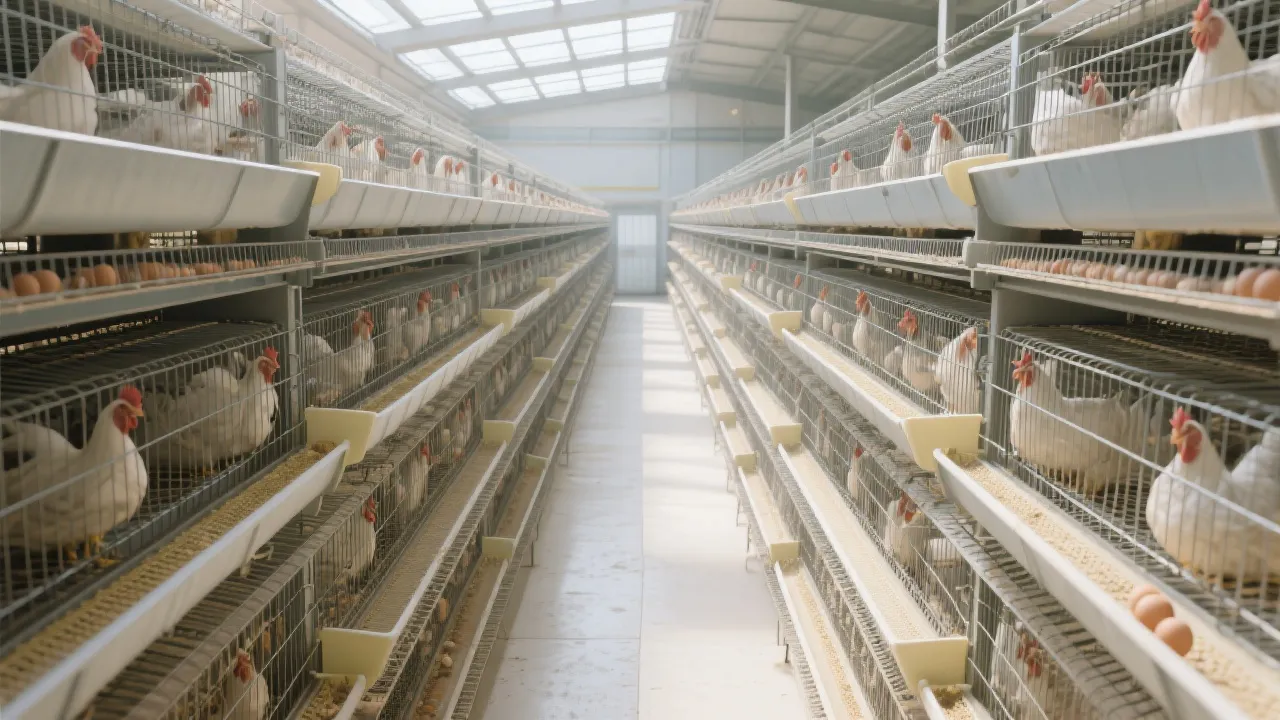
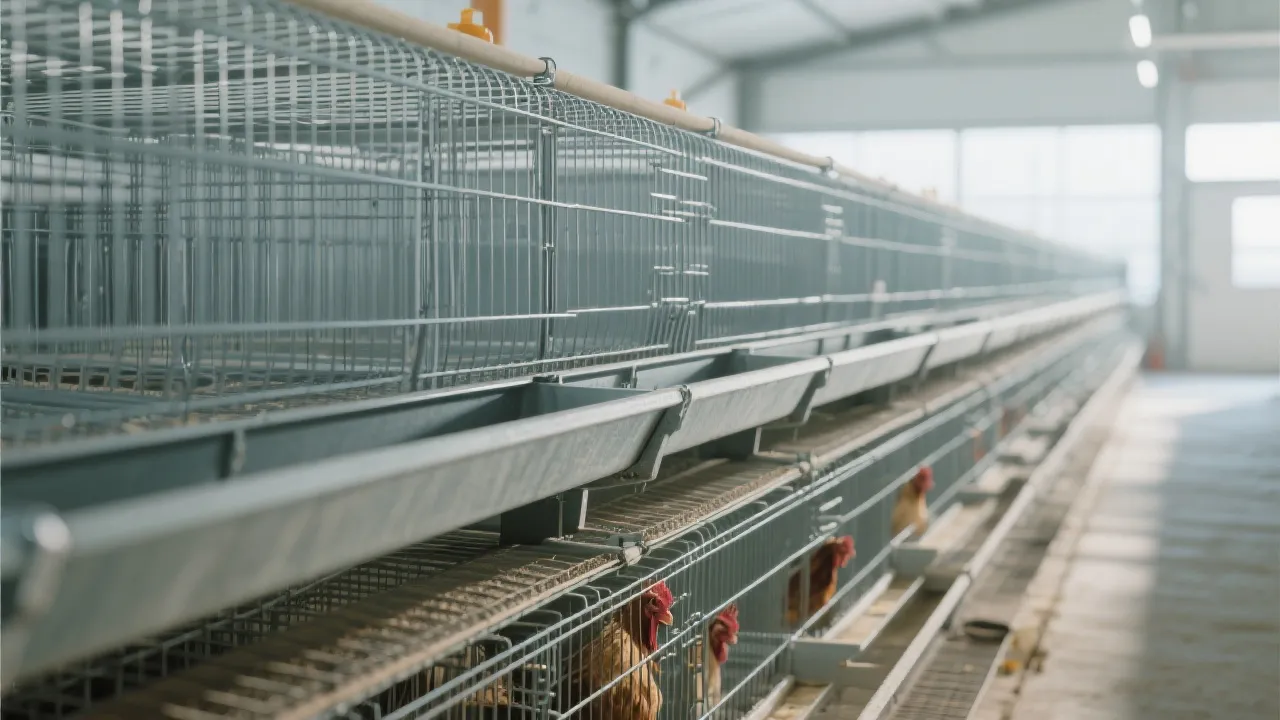
The H-type layer cage system, developed by Zhengzhou Livi Machinery, incorporates advanced automated manure removal and egg collection technologies that revolutionize traditional farming methods. Structurally optimized for airflow and easy maintenance, these cages provide hens a comfortable environment that facilitates natural behaviors, reducing stress.
The automated manure removal system employs belt conveyors that continuously transport waste out of the cages, reducing ammonia emission levels by approximately 35% compared to manual cleaning farms. Meanwhile, synchronized egg collection belts minimize human contact, drastically lowering egg breakage rates by up to 15% and contamination.
| Metric | Traditional System | Automated System (H-type Cages) | Improvement |
|---|---|---|---|
| Labor Hours per 1000 Hens/Day | 6 | 1.5 | -75% |
| Egg Breakage Rate | 7% | 5.9% | -15.7% |
| Average Daily Eggs per Hen | 0.82 | 0.88 | +7.3% |
| Ammonia Level (ppm) | 25 | 16 | -36% |
Practical Implementation & Operational Insights
Successful deployment of the H-type layer cage system demands adherence to specific operational guidelines:
- Regular maintenance: Automated belt systems require biweekly inspection to prevent belt slippage and motor overheating.
- Waste Handling: Ensure manure conveyors are calibrated to prevent overflow; this maintains clean environments and reduces pathogen risk.
- Training personnel: Farm workers should receive training on system operation to assist troubleshooting and optimize usage.
- Climate control integration: Incorporating ventilation adjustment with automated cleaning can further minimize ammonia and moisture buildup.
Farms transitioning from manual methods report noticeable improvements within 3 months of adoption, illustrated by healthier bird conditions and stable production growth. One commercial farm documented a 10% increase in monthly egg output and a 45% reduction in labor hours within the first quarter post-installation.
Industry Trends and Future Perspectives
Moving forward, intelligent automation combined with IoT-enabled data analytics is poised to transform poultry farming into a highly optimized sector. Predictive maintenance, real-time health monitoring, and precise environmental control systems promise to reduce operational risk and elevate productivity further.
Integration of voice and app-based control interfaces are also becoming a reality, streamlining management and allowing remote supervision at scale. These trends align with increasing regulatory demands for sustainable farming practices and emphasize the importance of smart facility investments.
As the global egg market grows increasingly competitive, farms equipped with automated, hygienic, and efficient systems will hold a decisive advantage in cost structure and product consistency.


Hot Products

.jpg?x-oss-process=image/resize,m_fill,h_800,w_800/format,webp)


Popular articles






READY TO START?
Ready to Build Your Poultry Farm?
Tell us your land size, poultry type and farming capacity. LIVI will provide a complete farm solution for your project.