


Optimal Layered H-Type Egg-Laying Cage Structures | Corrosion Resistance & Export Standards Guide
Choosing the Optimal Egg Layer Cage Structure for Export Markets
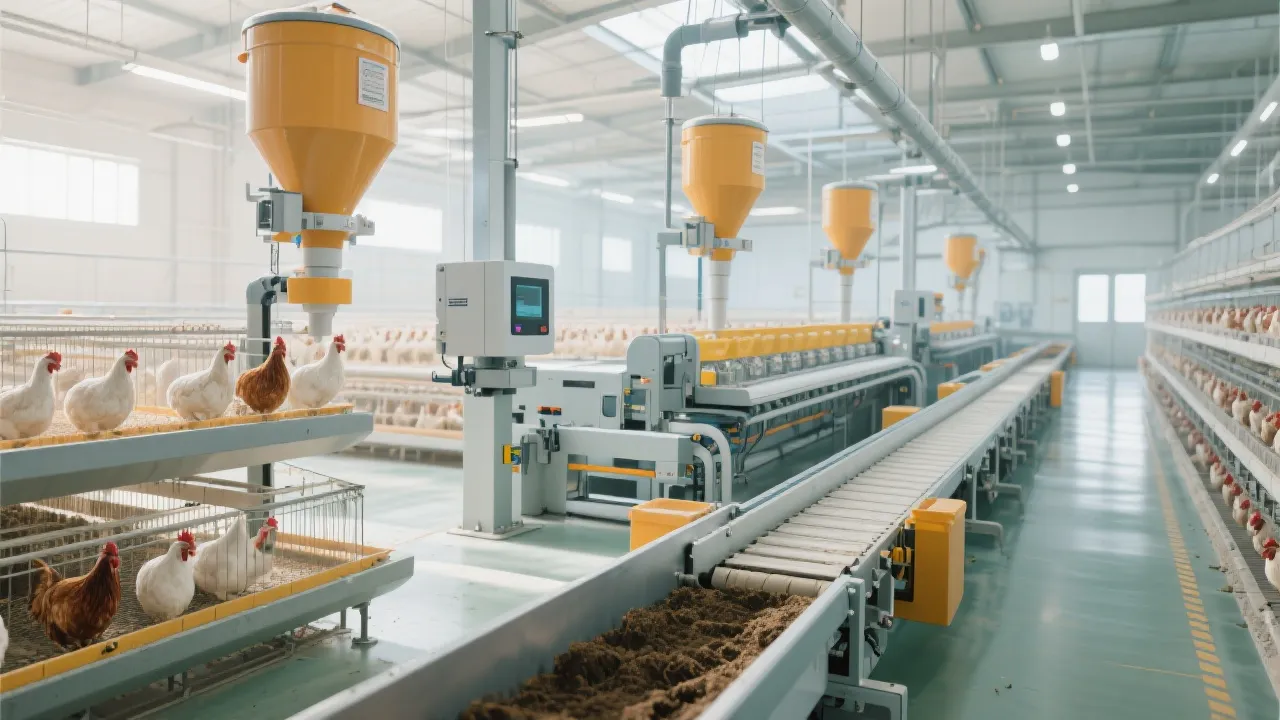
Selecting the right egg layer cage structure is a critical decision for poultry farmers aiming to balance efficiency, durability, and compliance with international standards. The H-type tiered cage design emerges as a leading solution, offering enhanced corrosion resistance, prolonged service life, and improved productivity — factors vital for successful export-oriented operations.
Impact of Cage Structure on Farming Efficiency
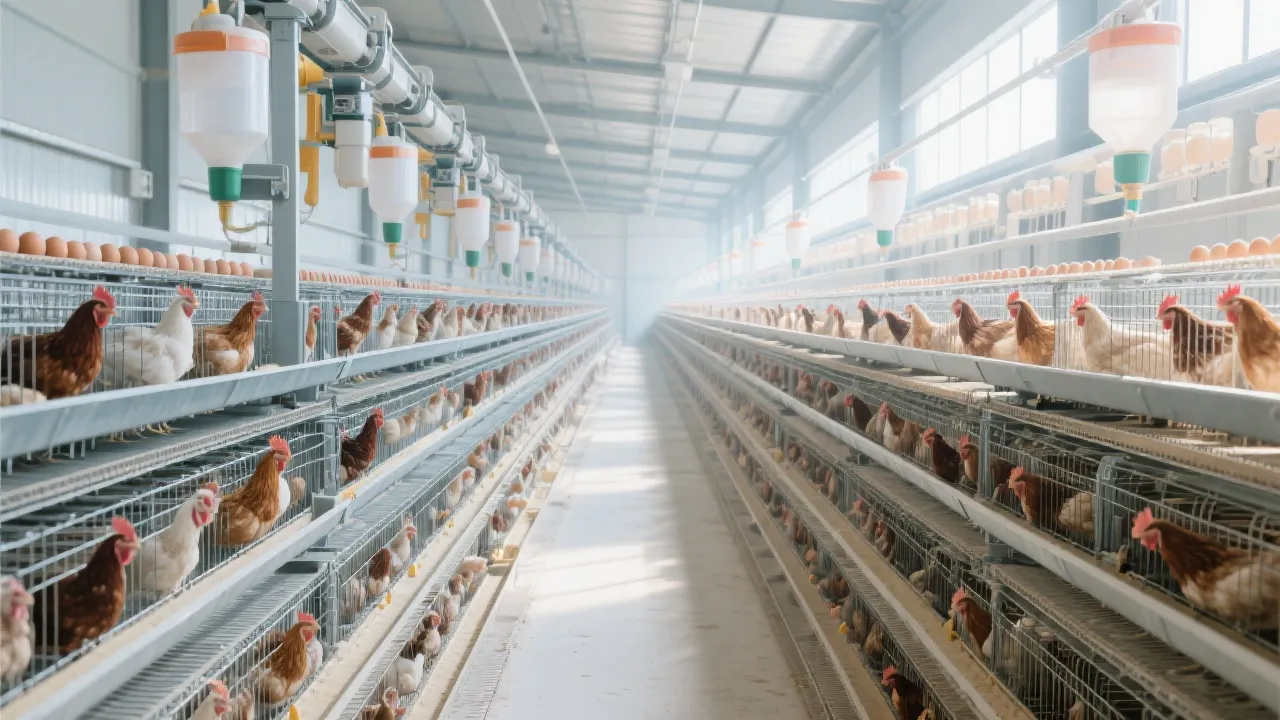
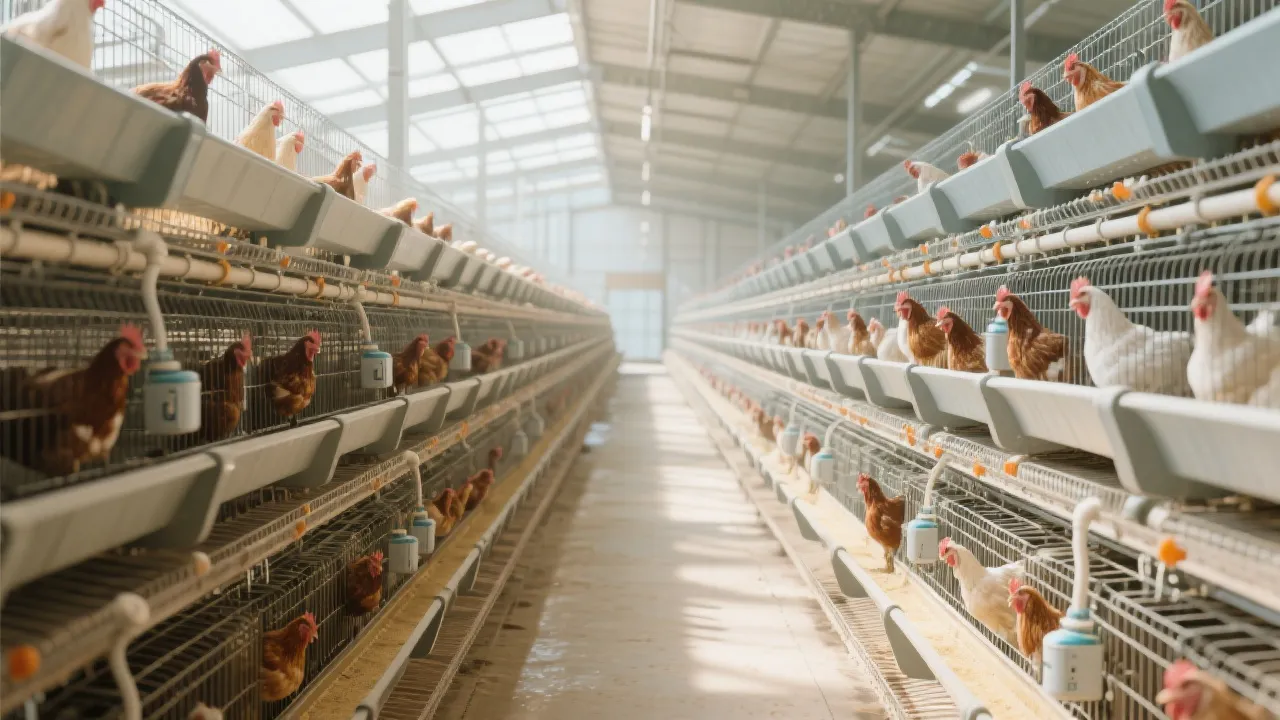
Optimizing cage structure is foundational to maximizing space utilization and ensuring adequate ventilation, both of which directly influence animal welfare and egg production rates. For example, well-ventilated cages reduce heat stress, increasing laying rates by up to 5%, while compact layouts boost capacity per square meter without compromising bird comfort.
Technical Advantages of the H-Type Cage Design
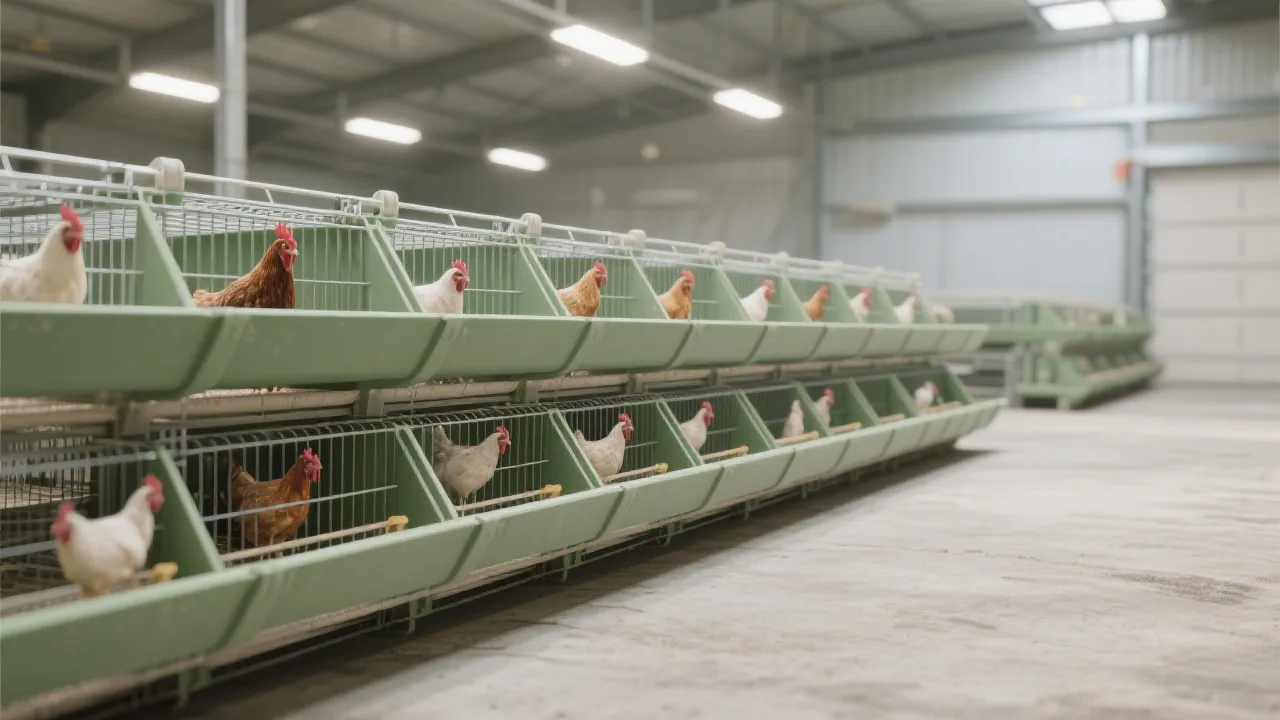
The H-type design is engineered to provide superior mechanical stability through its symmetrical load distribution and modular framework. This layout allows flexible scaling and simplifies maintenance by enabling easy cage section replacements without disrupting the entire system. Such features reduce downtime by approximately 20%, crucial for large-scale farms.
Material Science: Corrosion Resistance for Longevity
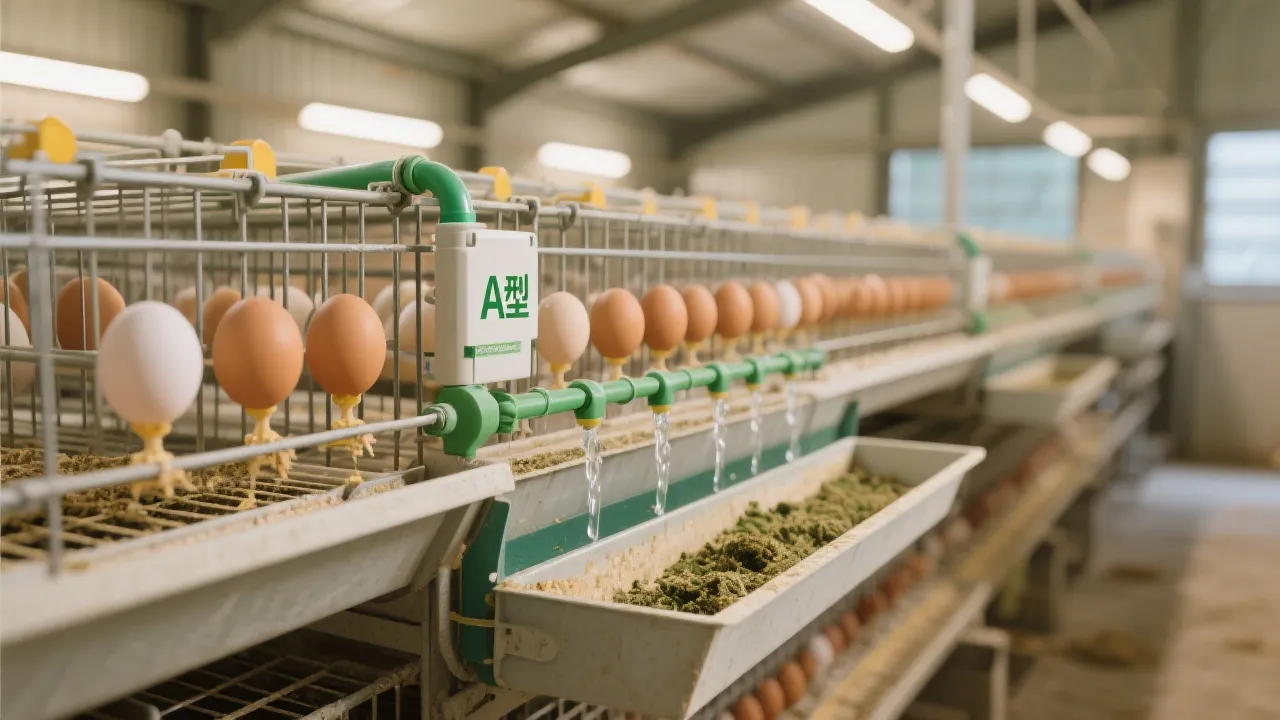
Construction materials play an essential role in the lifespan and reliability of egg layer cages. Utilizing Q235 steel combined with hot-dip galvanizing and an aluminum-zinc alloy coating forms a robust anticorrosion system. This tri-layer protection extends cage durability beyond 8 years even in high-humidity environments common in poultry houses.
Integrated Automation Systems for Enhanced Productivity
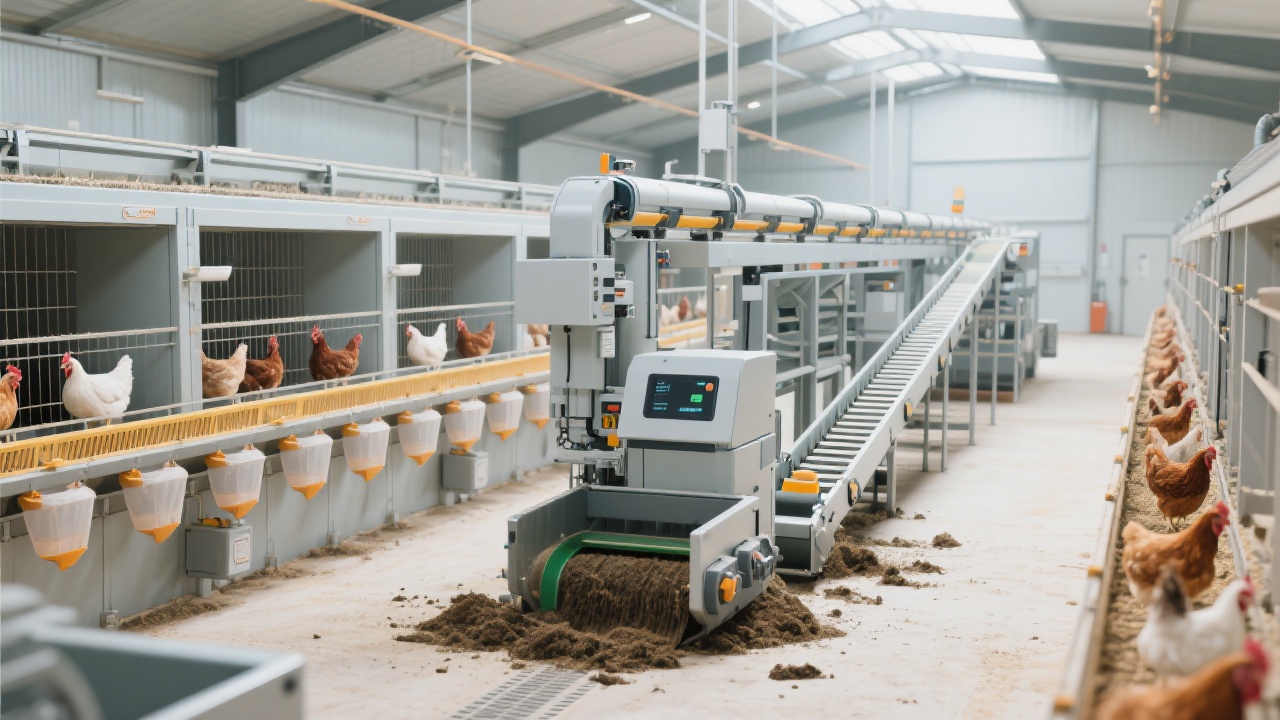
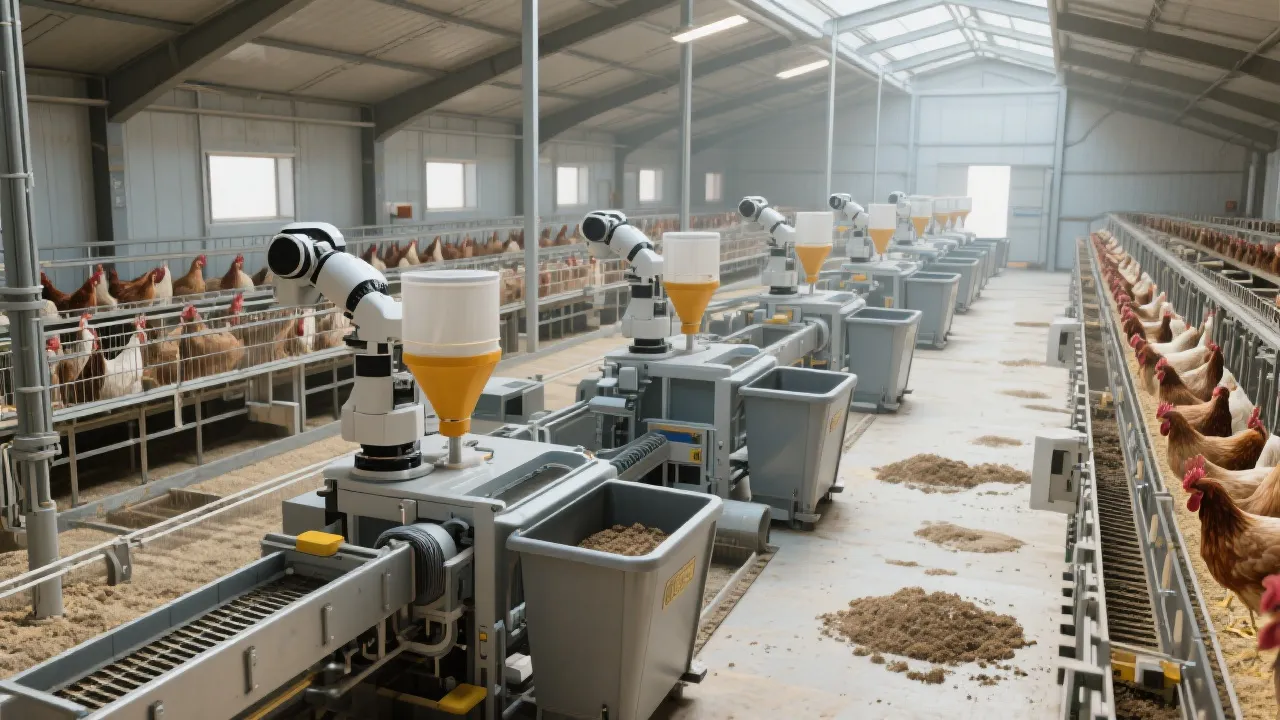
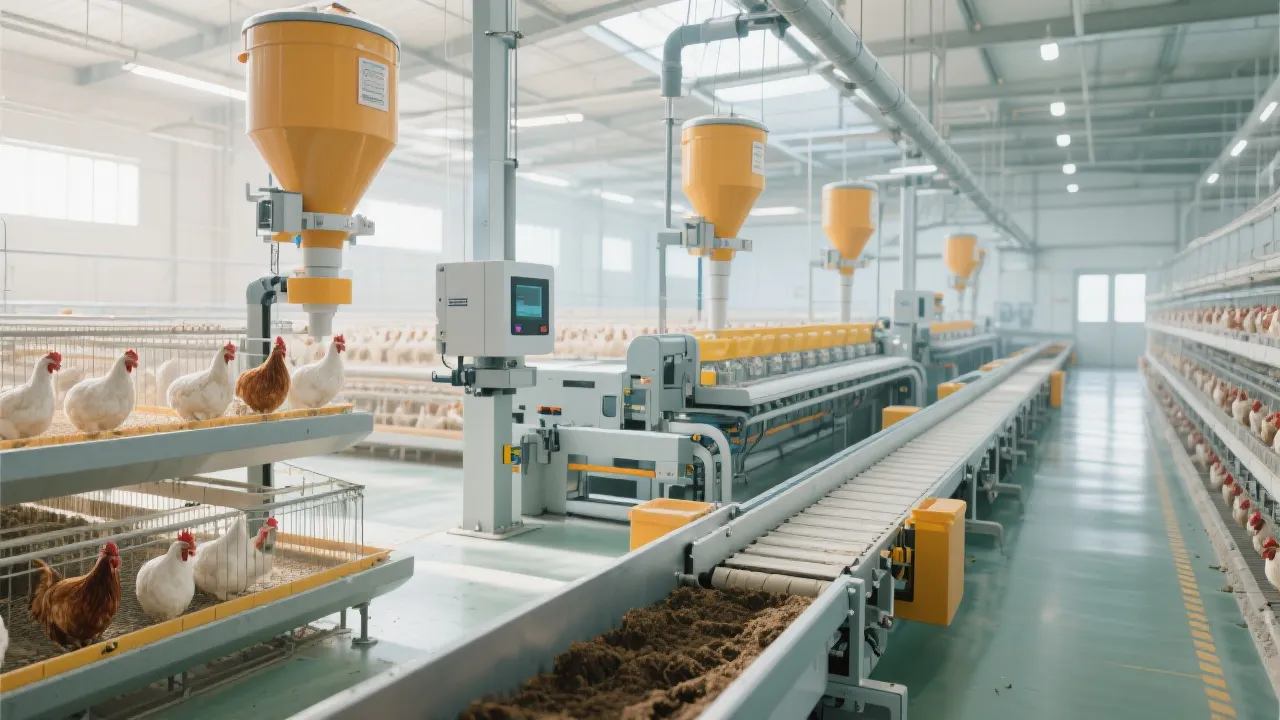
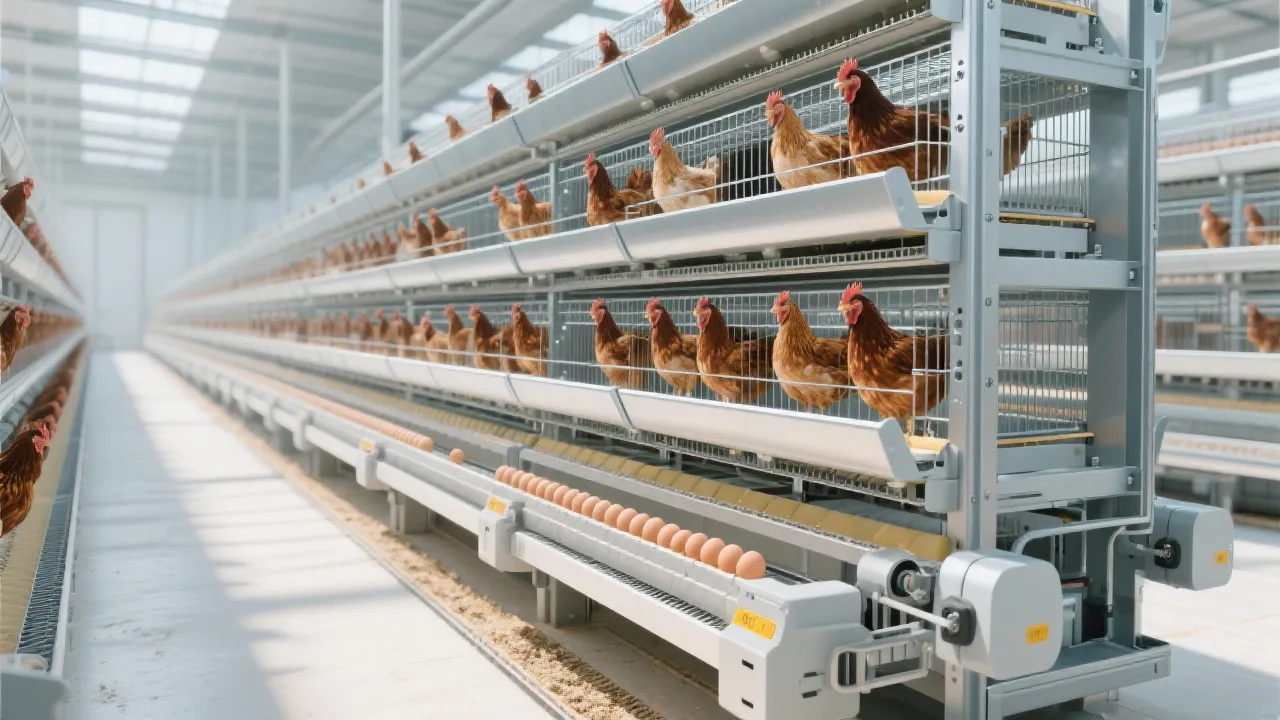
Incorporating automated feeding, manure removal, and egg collection within the H-type cages revolutionizes farm operations by reducing manual labor up to 30%. Farms integrating automation report more consistent egg quality and better hygiene standards, translating into higher market competitiveness.
Real-World Applications: Case Data Analysis
| Farm Size | Labor Reduction | Egg Yield Increase | ROI Improvement |
|---|---|---|---|
| Small-scale (≤1000 birds) | 25% | 4% | 10% |
| Medium-scale (1000-5000 birds) | 30% | 5% | 15% |
| Large-scale (≥5000 birds) | 35% | 6% | 20% |
Data based on comparative studies from diverse poultry farms adopting H-type cage systems over 12-month periods.
Towards Sustainable, High-Yield Egg Farming: The Future
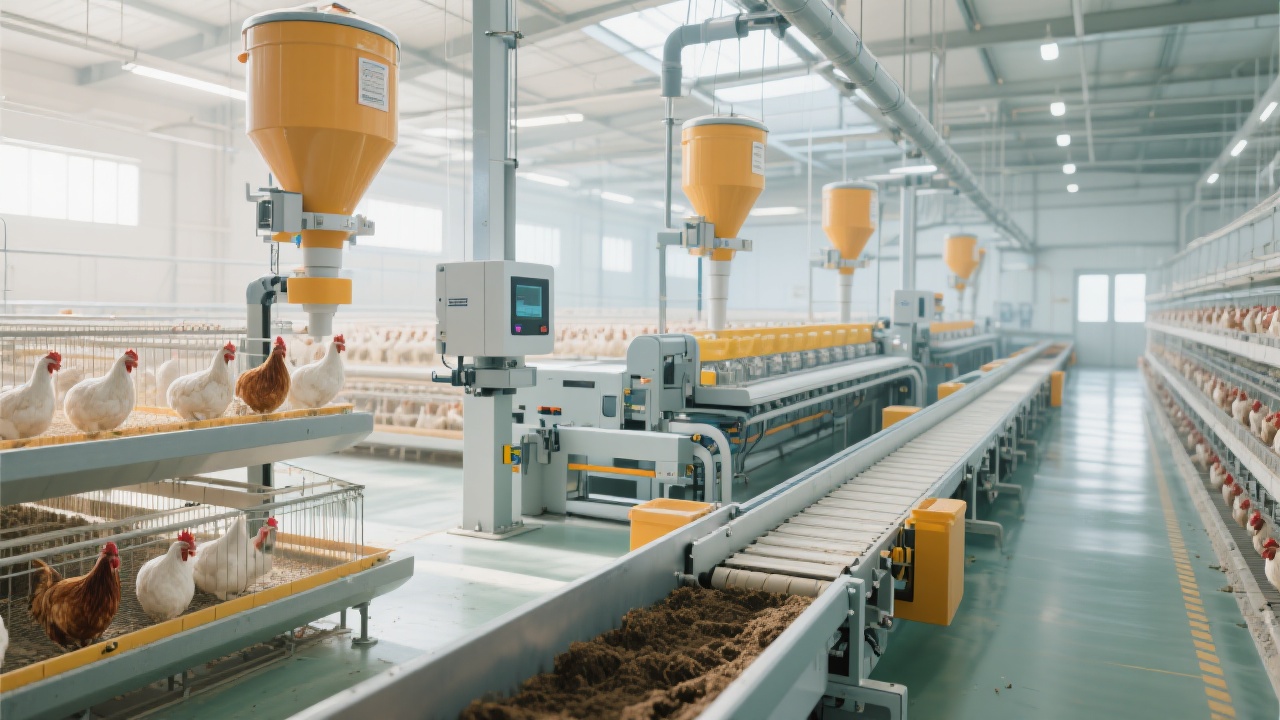
As international markets tighten quality and safety regulations, egg layer cage systems must evolve. Integrating structural innovation, advanced materials, and automation not only enhances profitability but also ensures compliance with importers' stringent demands. Farms embracing these technologies position themselves for long-term success in dynamic export landscapes.
Interested in upgrading your poultry operation with cutting-edge H-type egg layer cages designed for export markets? Explore customized solutions and expert technical support today to enhance farm efficiency while meeting global standards.
Curious about specific applications or technical clarifications? Leave your questions below to engage with industry experts and unlock tailored advice.




Hot Products

.jpg?x-oss-process=image/resize,m_fill,h_800,w_800/format,webp)


Popular articles



READY TO START?
Ready to Build Your Poultry Farm?
Tell us your land size, poultry type and farming capacity. LIVI will provide a complete farm solution for your project.