


Daily Maintenance Tips and Simple Detection Methods for Layer Hen House Ventilation Systems: Boosting Stable and High - Quality Egg Production

The Impact of Ventilation and Temperature Control in Laying Hen Houses on Egg Production Performance
As a large-scale farm manager, you understand that the ventilation and temperature control system in your laying hen house is crucial. High temperatures can lead to a sharp decline in egg production. For example, when the temperature exceeds 30°C, the egg production rate can drop by 10% - 25%. This directly affects your farm's profitability.

The Principle of Scientific Airflow Organization
To maintain a stable egg production rate, a scientific airflow organization is essential. The "sidewall air intake + top exhaust" method is a proven solution. This design allows fresh air to enter from the sidewalls and hot air to be expelled from the top. It helps maintain a constant temperature and humidity, reducing the risk of heat stress on the hens.
Let's take a closer look at how this works. The sidewall air intake ensures that the incoming air is evenly distributed throughout the hen house. This prevents the formation of hot spots and ensures that all hens are in a comfortable environment. The top exhaust, on the other hand, effectively removes the hot and humid air, maintaining a fresh and dry atmosphere inside the house.
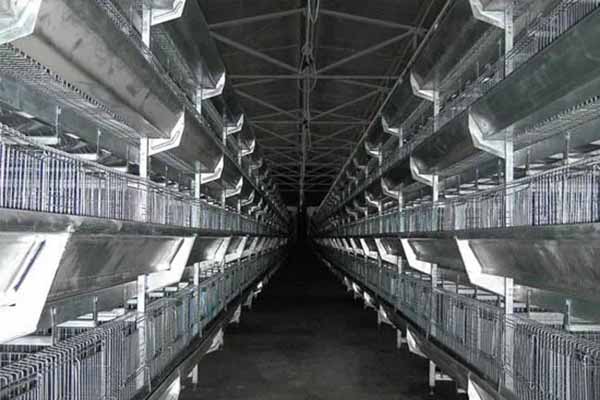
Advantages of H-type Laying Hen Cages in Ventilation Efficiency
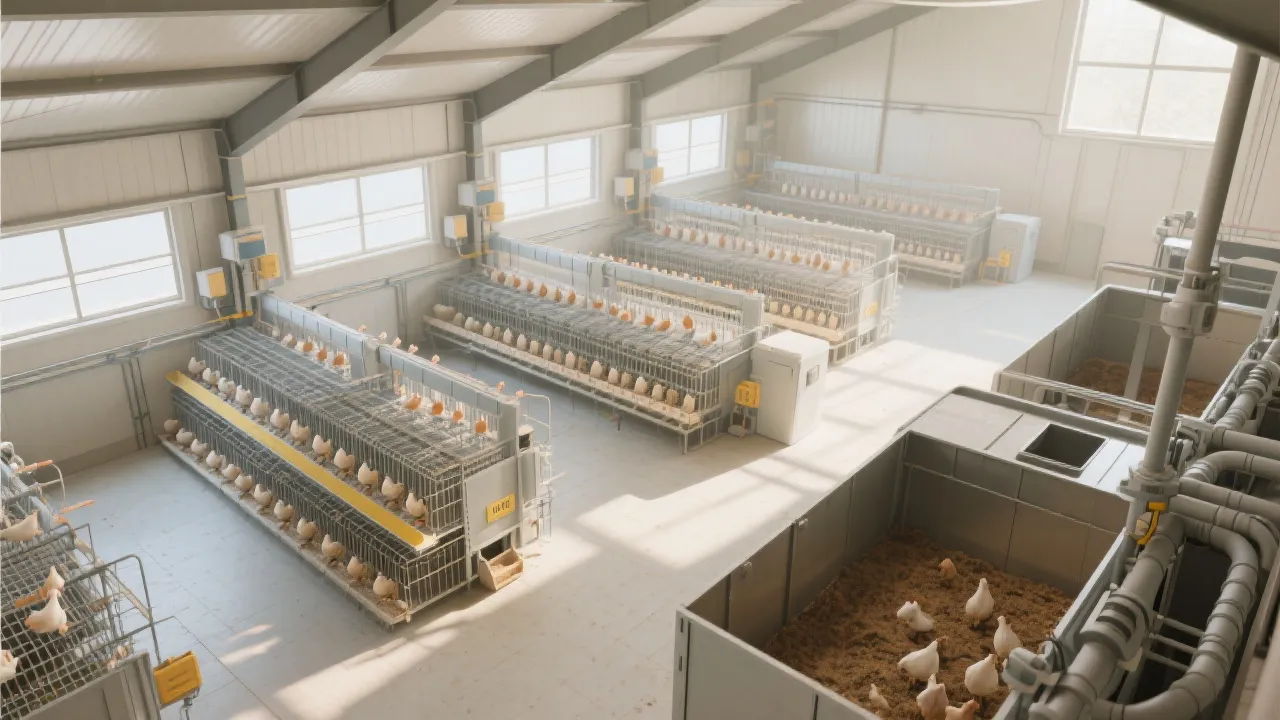
The structure of H-type laying hen cages also plays an important role in ventilation. These cages are designed to allow for maximum airflow. The open design ensures that air can circulate freely around the hens, providing them with a constant supply of fresh air.
Compared to traditional cages, H-type cages can improve ventilation efficiency by up to 30%. This not only reduces the risk of heat stress but also helps prevent the spread of diseases, as fresh air can dilute and remove harmful pathogens.
Daily Maintenance Tips and Simple Detection Methods
To ensure the proper functioning of your ventilation and temperature control system, daily maintenance is necessary. Here are some practical tips:
- Check the ventilation openings every day to make sure they are unobstructed. Blocked openings can reduce airflow and lead to poor ventilation.
- Use thermometers and hygrometers to monitor the temperature and humidity inside the hen house. Aim to keep the temperature between 18°C - 22°C and the relative humidity between 50% - 70%.
- Observe the behavior of the hens. If they are panting, clustering together, or showing signs of discomfort, it may indicate a problem with the ventilation or temperature.

In addition to these daily checks, you can also conduct simple tests on a regular basis. For example, you can measure the air velocity at different points in the hen house to ensure that the airflow is uniform. You can also check the performance of the fans and other ventilation equipment to make sure they are working properly.
Real Cases and Industry Data
Many large-scale farms have implemented these ventilation and temperature control measures and achieved significant results. For instance, a farm in the Midwest increased its egg production rate by 15% after upgrading its ventilation system. Another farm in the South reduced the incidence of heat stress-related diseases by 20% through proper temperature control.
These real cases and industry data demonstrate the effectiveness of proper ventilation and temperature control in improving egg production performance and reducing costs.
If you want to learn more about efficient ventilation solutions for your laying hen house, please visit our official website's technical column.



Hot Products

.jpg?x-oss-process=image/resize,m_fill,h_800,w_800/format,webp)


Popular articles





READY TO START?
Ready to Build Your Poultry Farm?
Tell us your land size, poultry type and farming capacity. LIVI will provide a complete farm solution for your project.