


Corrosion-Resistant Coating Technology for Layer Hen Cages: Synergistic Protection of Hot-Dip Galvanizing and Al-Zn Alloy
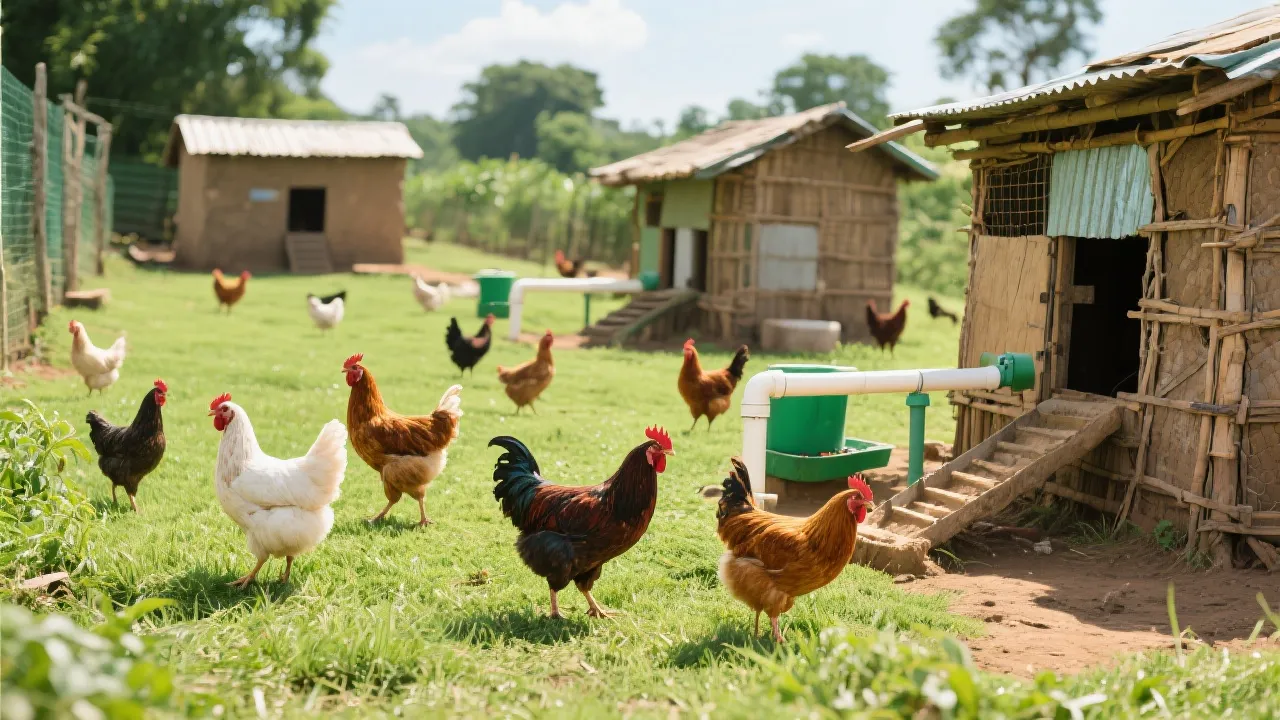
Understanding Corrosion Challenges in Layered Hen Cages
In the demanding environment of commercial egg production, especially in high humidity and elevated ammonia conditions, the durability of chicken cages directly impacts operational efficiency and profitability. Corrosion not only compromises cage lifespan but also exposes flocks to health risks arising from metal degradation. Industrial-grade protection technologies are thus critical to extending equipment service life and reducing replacement costs.
The Synergistic Anti-Corrosion Mechanism of Hot-Dip Galvanizing and Aluminum-Zinc Alloy Coatings
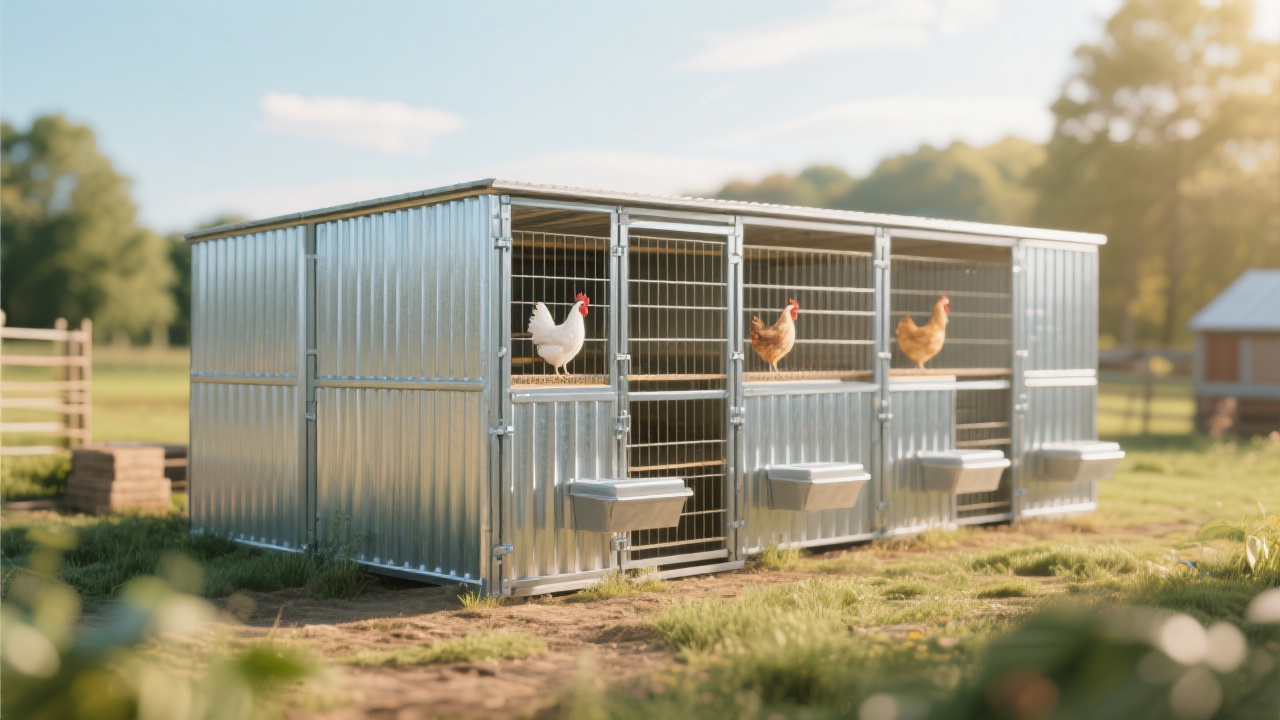
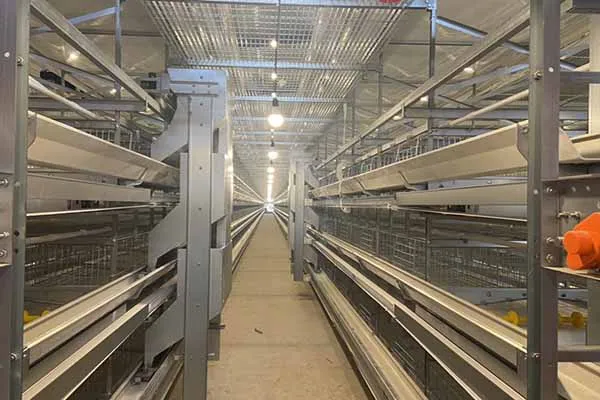
Zhengzhou Livi Machinery employs a high-efficiency H-type tiered hen cage reinforced with a composite protective coating combining hot-dip galvanizing and aluminum-zinc (Al-Zn) alloy layers. This hybrid approach synergizes dual corrosion-resistance principles:
- Electrochemical Protection: The zinc layer sacrificially corrodes first, preventing the underlying steel from oxidizing in aggressive environments rich in moisture and ammonia.
- Passive Film Formation: Al-Zn alloys form a robust, adherent oxide film that acts as a barrier against acidic or alkaline exposures typical in poultry farming.
This dual mechanism effectively mitigates common degradation pathways, delivering significantly longer cage service life than conventional coatings.
Technical Insights: Why Hot-Dip + Al-Zn Coatings Excel
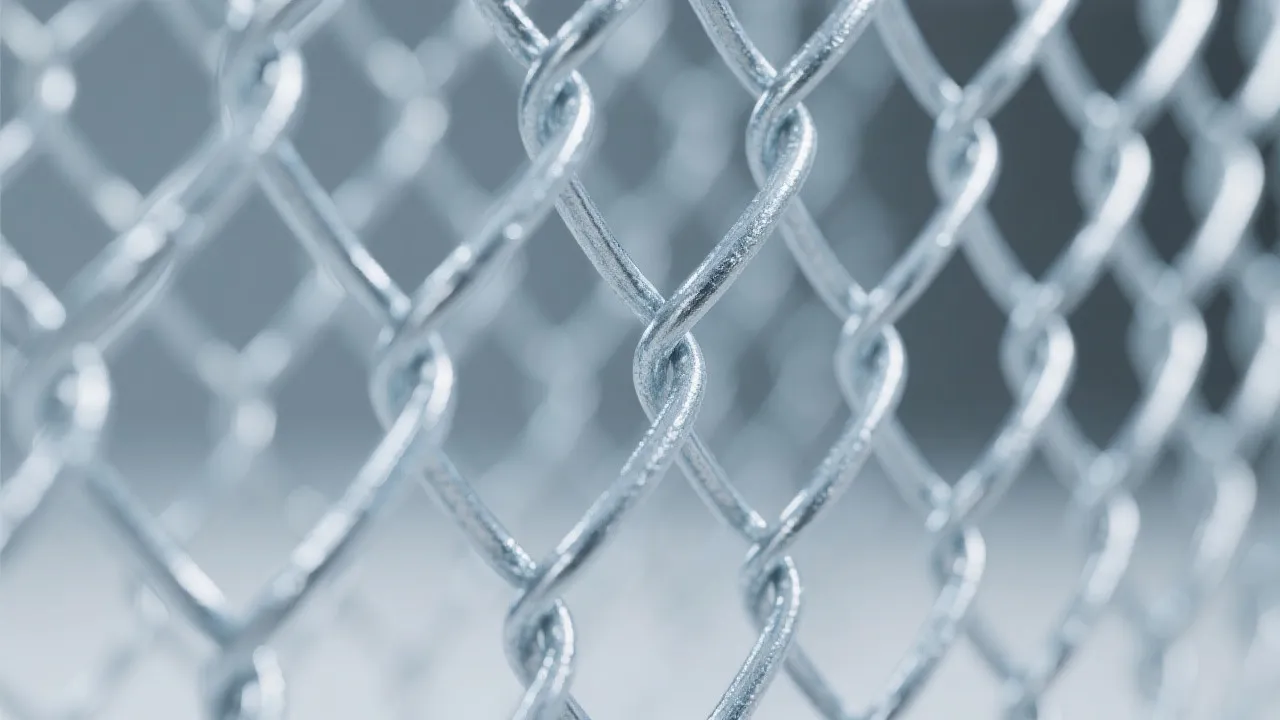
- Hot-dip galvanizing provides a uniform, dense zinc layer, typically >70 µm thickness, ensuring optimal sacrificial protection.
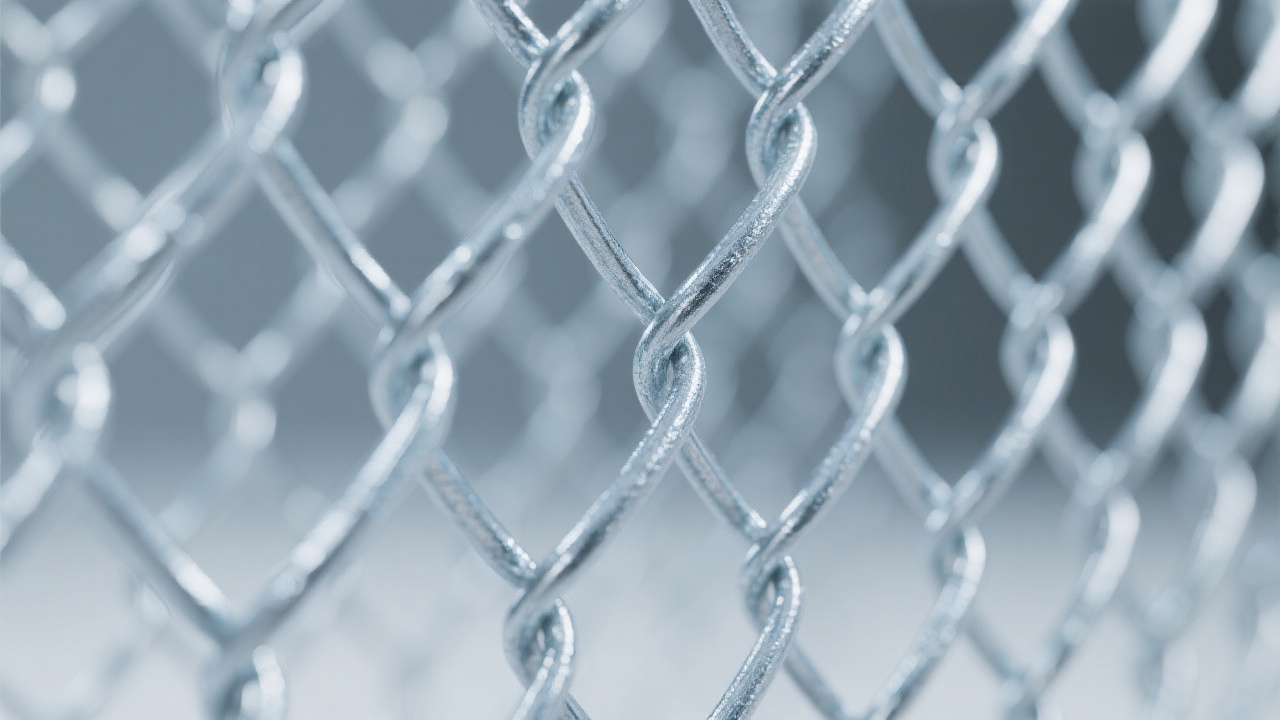
- Aluminum-Zinc alloy layers (usually 55% Al, 43.5% Zn, 1.5% Si) enhance acid and alkali resistance through stable aluminum oxide formation.
- The combination sustains structural integrity despite fluctuating temperature and humidity levels common in Southern humid and Northern cold climates.
Comparative Durability: Hot-Dip Galvanizing + Al-Zn Alloy vs. Alternatives
To quantify coating performance, multiple controlled field trials in representative climates assessed three common finishing processes:
| Coating Type | Typical Thickness (µm) | Corrosion Resistance (Months) | Maintenance Frequency |
|---|---|---|---|
| Powder Coating (Spray Plastic) | 60-80 | 12-18 | Quarterly touch-ups |
| Cold Galvanizing Paint | 20-30 | 6-9 | Monthly repaint recommended |
| Hot-Dip Galvanizing + Al-Zn Alloy | ≥70 | 36-48 | Annual inspection suffices |
Evidently, the composite galvanized-aluminum-zinc coating extends corrosion resistance by over 2.5 to 4 times compared to typical powder or cold galvanizing finishing methods, dramatically decreasing maintenance intervention.
Practical Coating Thickness & Visual Inspection Protocols
For poultry operators aiming to optimize asset longevity, employing simple but effective inspection tools is essential:
- Coating Thickness Measurement: Use magnetic or eddy current thickness gauges to verify minimum 70 µm hot-dip galvanizing layers plus a consistent aluminum-zinc film.
- Visual Surface Assessment: Look for uniform metallic sheen without blistering, cracking or flaking — indicators of coating breaches.
- Corrosion Spot Monitoring: Detect localized white or red rust stains promptly to schedule remediation, extending cage lifespan.
Adhering to these inspection routines can reduce unexpected equipment failure and downtime in automated egg-laying systems.
Material Durability: A Pillar for Automation Stability
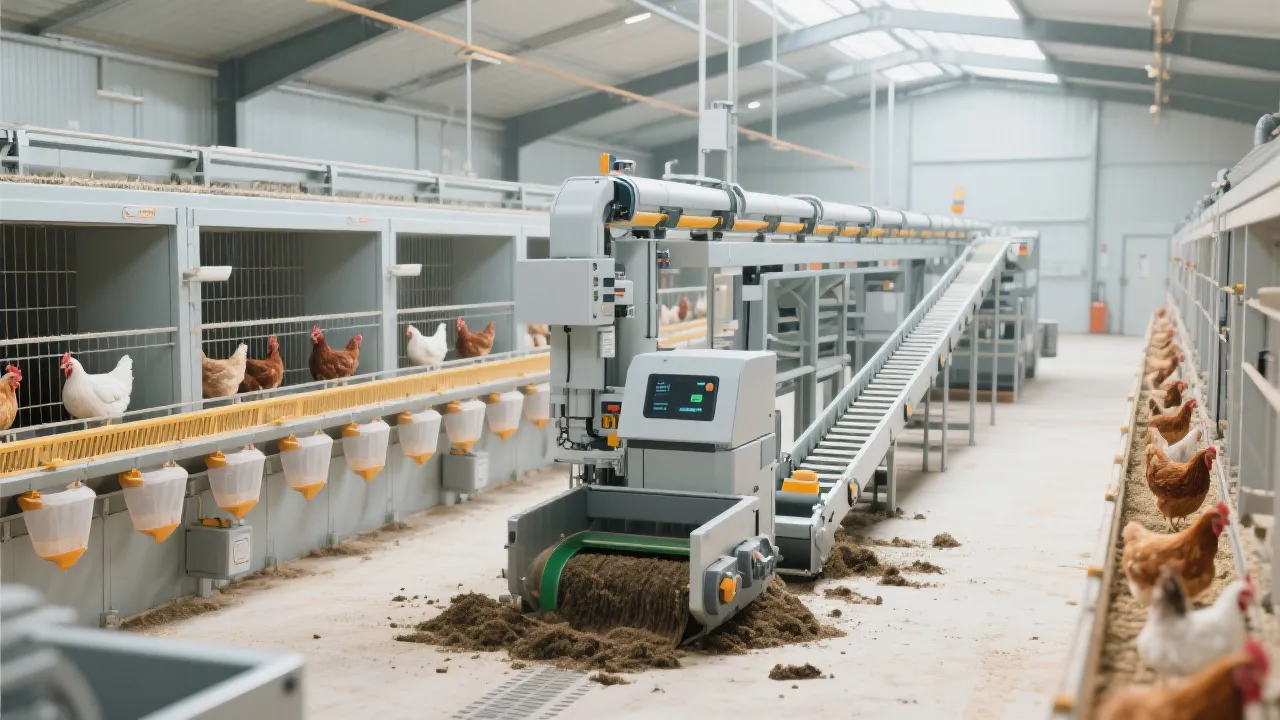
The robustness of coating technology underpins not just individual cage integrity but also the efficacy of automated intelligent hen houses. If corrosion weakens cages prematurely, it disrupts mechanized feeding, egg collection, and environmental control systems, escalating operational costs and animal welfare risks. Hence, durable hot-dip galvanizing reinforced with Al-Zn alloy coatings directly supports sustainable modernization of layer farms.
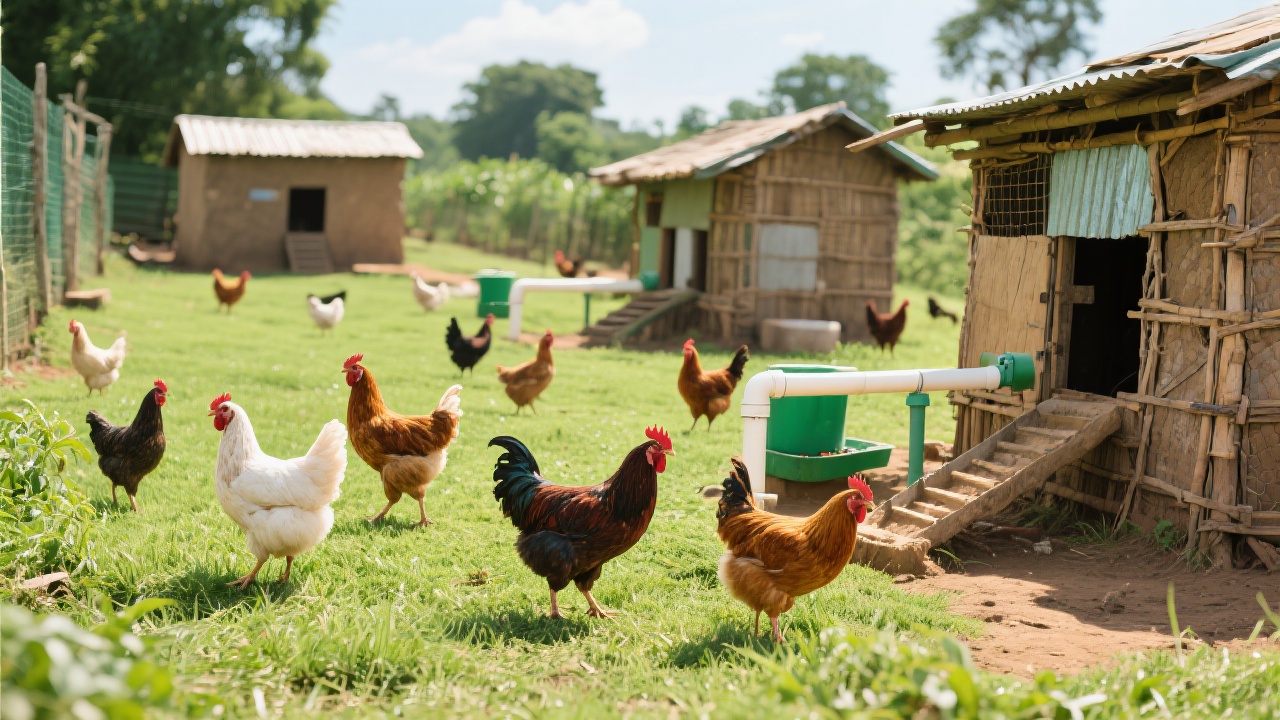
Real-World Impact: Case Study from Zhengzhou Livi Machinery Clients
Multiple poultry farms across regions with contrasting climates confirmed over three years of operational use that cages finished with this composite coating consistently exhibited minimal corrosion, reduced service interruptions, and lowered total cost of ownership by approximately 35%. Customer feedback highlights the reliable technical support and prompt maintenance guidance provided by Zhengzhou Livi Machinery as key to maximizing asset lifecycle.
Conclusion
The integration of hot-dip galvanizing with aluminum-zinc alloy coatings represents a paradigm shift for corrosion protection in egg production infrastructure. This scientifically validated, field-proven solution matches the evolving demands of modern poultry farming, promising resilience and operational excellence over years of continuous use.



Hot Products

.jpg?x-oss-process=image/resize,m_fill,h_800,w_800/format,webp)


Popular articles





READY TO START?
Ready to Build Your Poultry Farm?
Tell us your land size, poultry type and farming capacity. LIVI will provide a complete farm solution for your project.