


Large-Scale Broiler Farming Case Study (10,000–50,000 Birds) | H-Type Battery Cages | Zhengzhou Livi Machinery Manufacturing Co., Ltd.
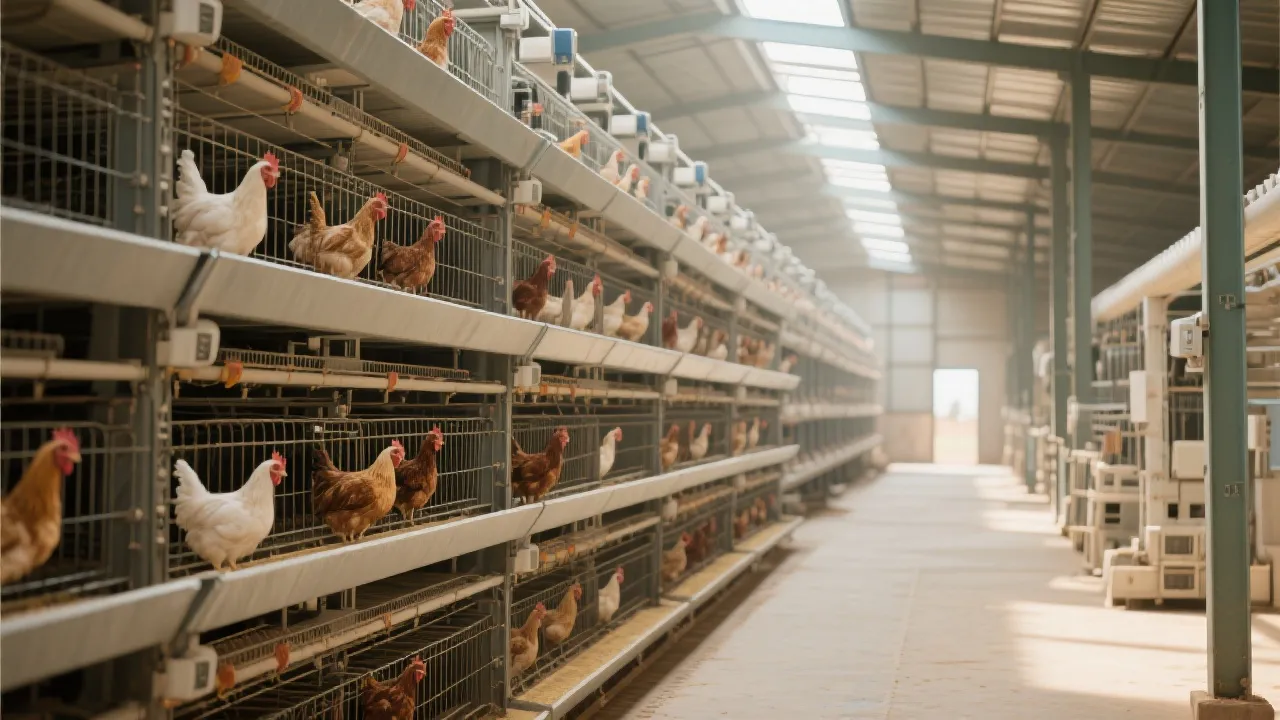
Scaling Broiler Farming to 10,000–50,000 Birds: 3 Real-World Management Cases That Improved Daily Efficiency
Large-scale broiler operations do not fail because of “market demand” alone—most struggles come from space utilization, labor intensity, uneven flock performance, and corrosion-driven equipment downtime. This case-based article shares how multiple farms, ranging from 10,000 to 50,000 broilers, strengthened output stability and management efficiency by adopting a scientific housing plan and an H-type broiler battery cage system built with Q235 bridge steel and hot-dip galvanized anti-corrosion treatment.
Why big broiler farms choose “systems” over “equipment”
In the consideration stage, most buyers are not simply comparing cage models—they are evaluating whether a supplier can deliver a workable system: stocking density, workflow design, ventilation compatibility, manure handling rhythm, and reliable after-sales. Zhengzhou Livi Machinery Manufacturing Co., Ltd. typically approaches large broiler projects by mapping the farm’s target capacity, shed dimensions, local climate constraints, and labor structure first, then matching a cage configuration that reduces “daily friction” in routine tasks.
Decision drivers frequently mentioned by large-scale buyers
- How many workers are needed per 10,000 birds (and whether staffing is realistic locally)
- Whether corrosion will shorten service life in humid or coastal environments
- Whether the layout supports fast feeding, inspection, and batch turnover
- Supplier’s ability to coordinate packing, loading, shipping, and installation guidance
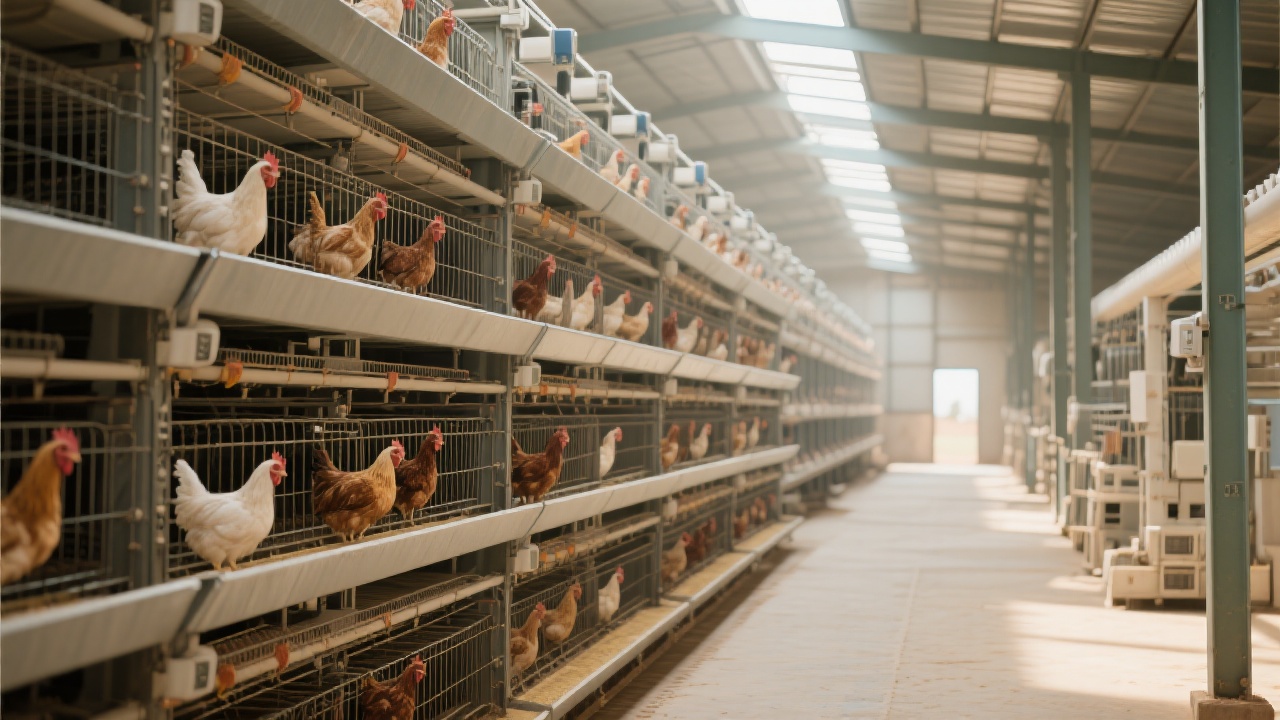
Core equipment highlighted in these cases: H-Type Broiler Battery Cages
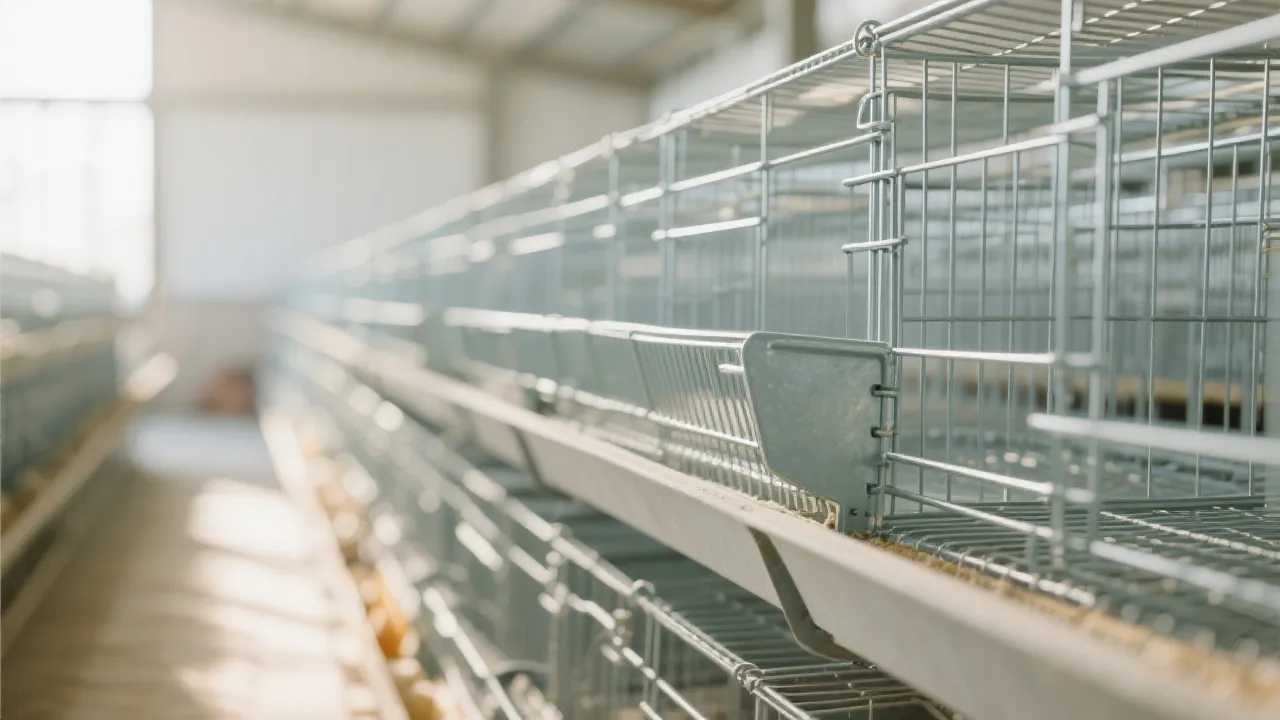
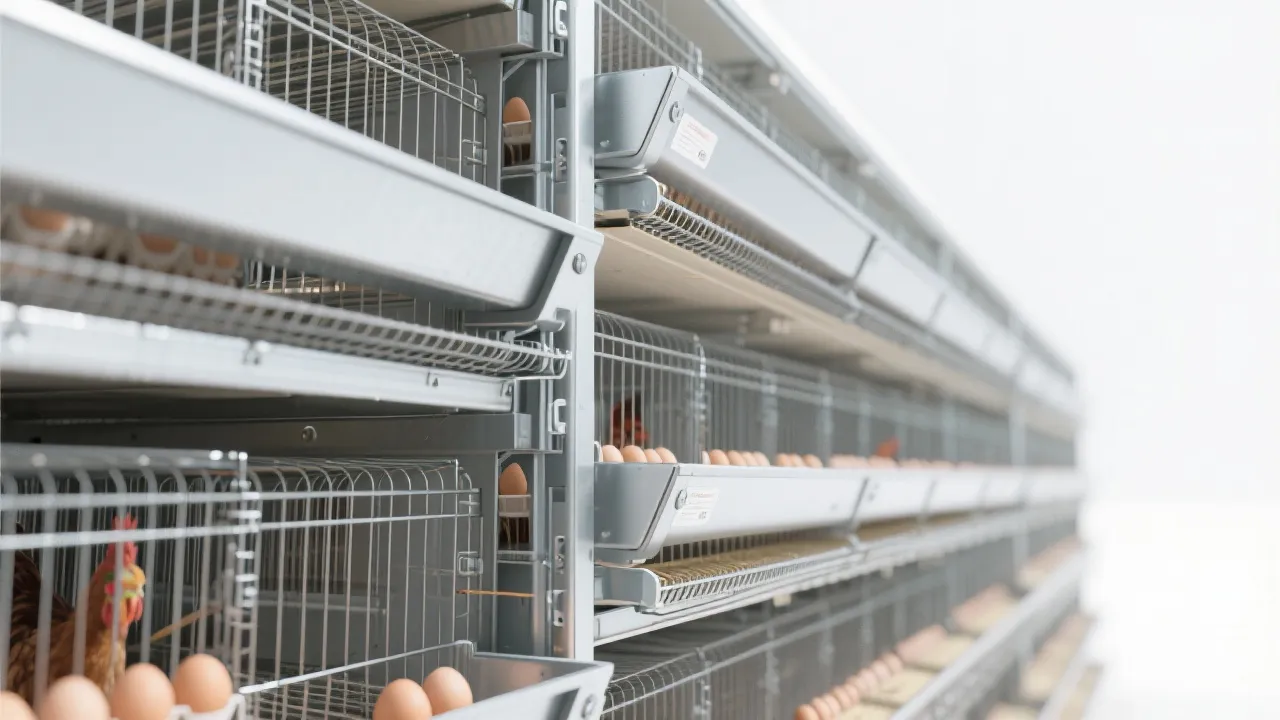
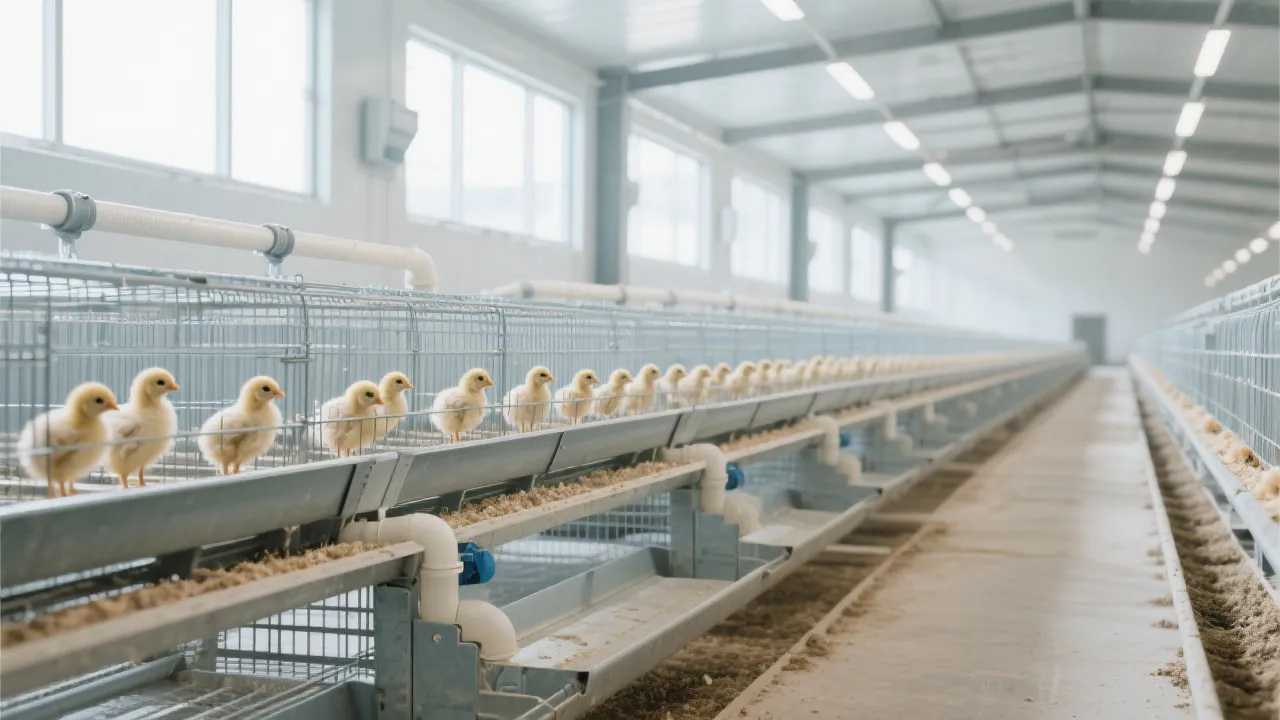
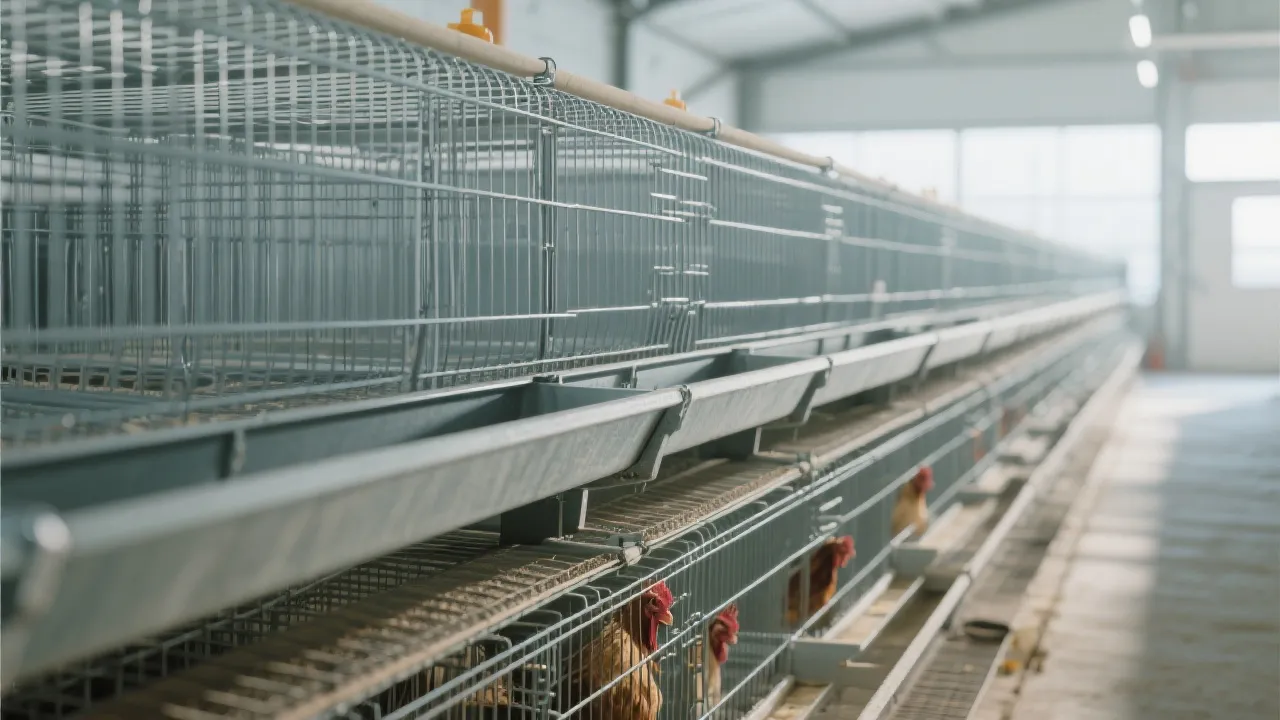
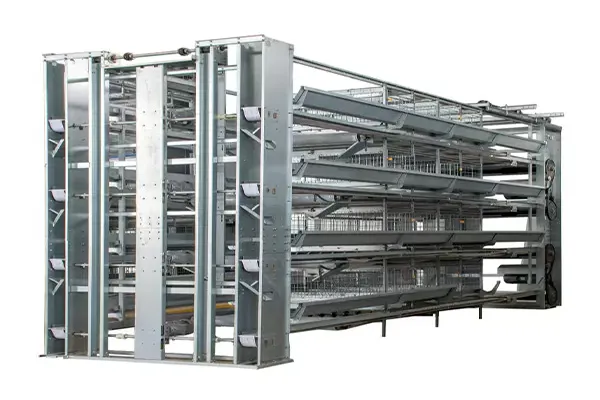
The farms featured below adopted an H-type multi-tier design mainly for one reason: more usable capacity per square meter without turning daily management into a bottleneck. The structural frame uses Q235 bridge steel (commonly selected for stable load-bearing performance in industrial applications), and the surface is treated with hot-dip galvanizing to improve resistance against rust and long-term corrosion.
Material & anti-corrosion value (what it means operationally)
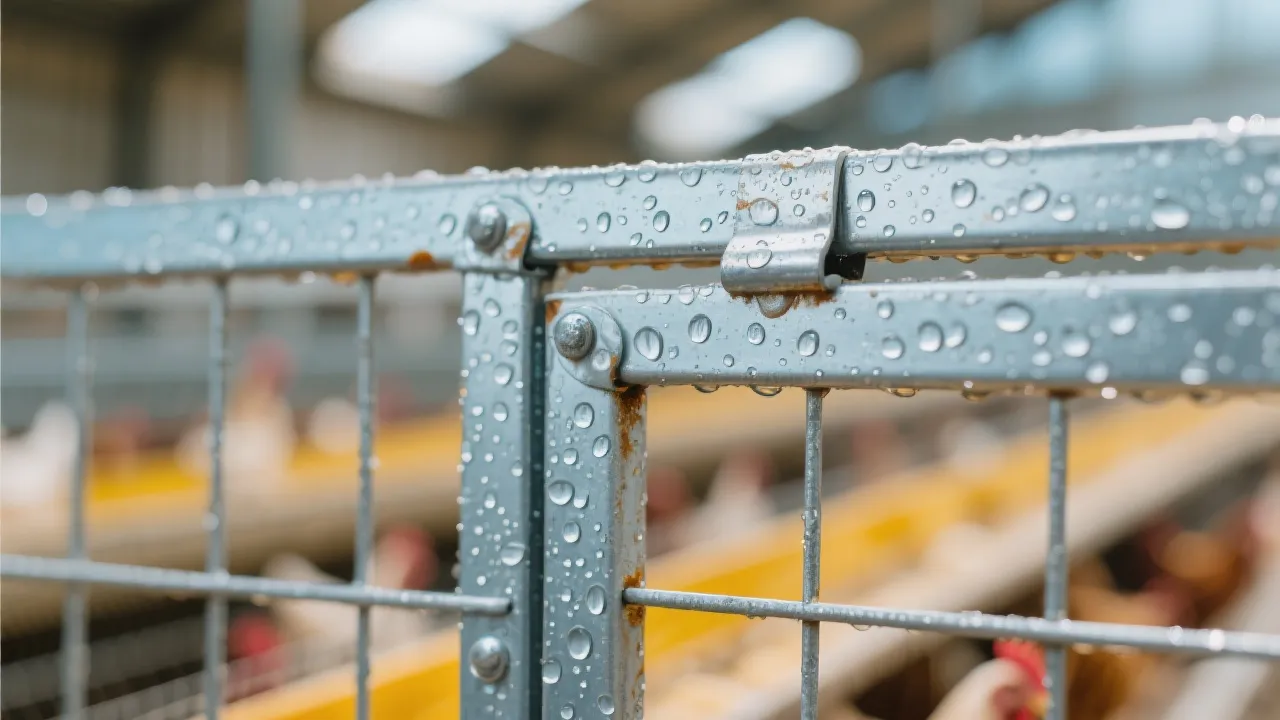
In many broiler sheds, moisture, ammonia, and wash-down routines accelerate metal fatigue. Hot-dip galvanized layers can significantly delay corrosion compared with basic painted surfaces, helping reduce repairs and unexpected replacement. Many well-maintained galvanized poultry systems in the field target a 10–15 year working life range, depending on ventilation, cleaning practices, and local humidity.
Multi-tier design value (what it saves day-to-day)
Multi-tier housing is not only about “putting more birds in.” It helps farms keep walking paths clearer, standardize inspection routines, and shorten feeding/monitoring loops. When combined with a proper aisle width and service access, managers report faster visual checks and more consistent daily records.
At-a-glance: typical efficiency indicators tracked by large farms
Reference values are based on widely observed farm management patterns; actual results depend on shed design, biosecurity routines, staff training, and climate.
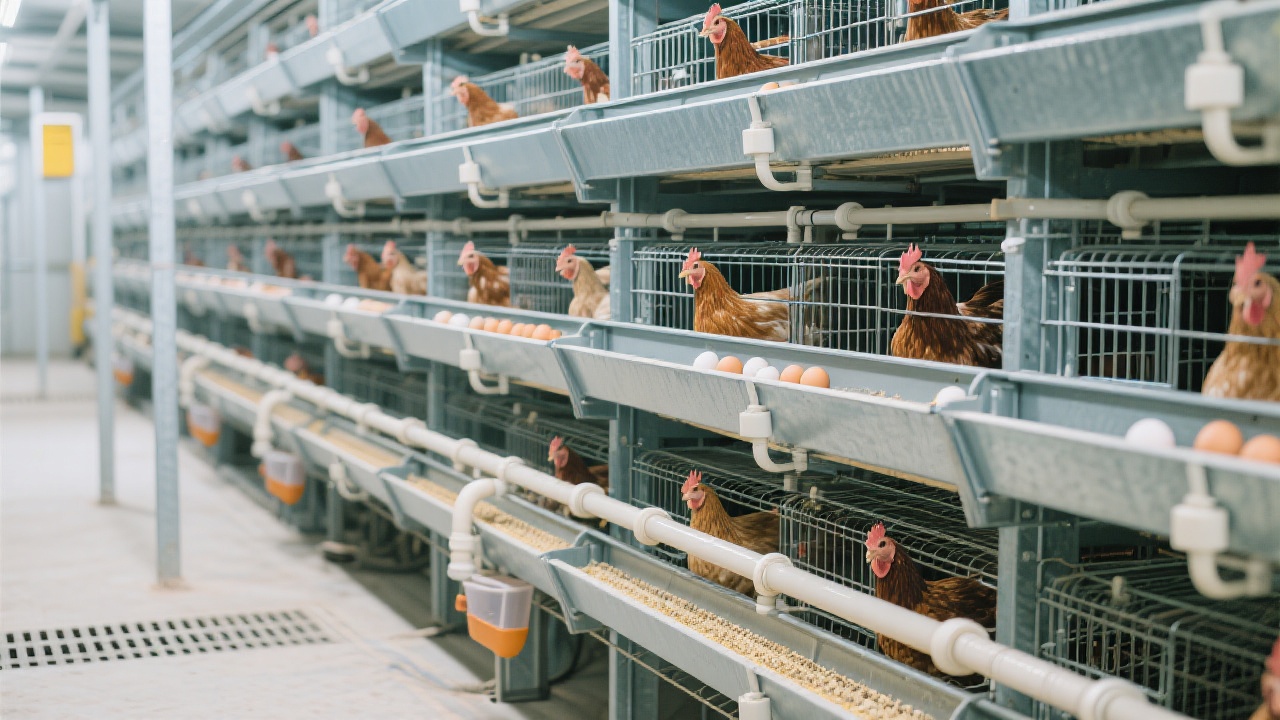
Case 1: 10,000 Broilers — “Stop wasting shed space, start controlling routines”
A 10,000-bird farm typically sits at a tricky point: it is already too large for purely “family-style” management, but often not large enough to absorb repeated inefficiencies. In this case, the owner’s main problem was not feed cost—it was daily time loss caused by scattered workflows and difficult-to-standardize inspections.
Actions taken
- Used an H-type multi-tier cage layout to increase capacity without expanding the shed footprint
- Adjusted aisle planning to make checks and cleaning more linear and repeatable
- Introduced a basic “inspection rhythm” (fixed times + checklists) for staff consistency
Efficiency outcome (reference)
The farm reported that daily routines became easier to plan, and labor needs stabilized. In many similar 10,000-bird upgrades, farms commonly see 15–30% time savings in routine tasks when workflows are redesigned around a multi-tier system.
Client feedback (translated)
“The biggest change was predictability. We can plan daily checks and cleaning more calmly, and new workers learn the routine faster.”
Case 2: 30,000 Broilers — “Labor becomes the bottleneck unless the system is simplified”
At 30,000 birds, farms often discover a new reality: even if demand is strong, profitability can be limited by staffing and execution. This farm’s management focused on reducing unnecessary handling and improving daily visibility—being able to notice issues earlier, not after losses accumulate.
Actions taken
- Installed hot-dip galvanized H-type cage rows to support high-frequency cleaning in a humid region
- Standardized staff responsibilities by zones (each worker responsible for defined rows)
- Improved record-keeping: daily mortality notes, feed observations, and maintenance checks
Operational data snapshot (reference)
These are reference ranges based on typical staffing and workflow outcomes observed in similar scale-ups.
Case 3: 50,000 Broilers — “At this size, small inefficiencies become big losses”
A 50,000-bird operation is usually run like a production facility: the flock is not “managed by feeling,” but by process discipline. The farm in this case aimed to minimize the operational risks that often grow with scale—especially inconsistent routines, delayed maintenance, and equipment corrosion under intensive cleaning.
Actions taken
- Adopted a multi-tier H-type layout to raise stocking capacity while keeping service aisles functional
- Chose Q235 steel frames with hot-dip galvanizing to reduce corrosion-related repair frequency
- Implemented a practical maintenance plan: fast weekly checks + deeper monthly inspections
Efficiency outcome (reference)
With a stable cage system and structured routines, farms at this scale often aim for 20–35% improvement in daily management efficiency (measured by labor-hours per bird and time-to-complete routines), mainly by reducing repeated walking, rework, and unscheduled interruptions.
Client feedback (translated)
“What we wanted was not just capacity. We needed a system that stays stable after many cleaning cycles. The galvanizing and the structure helped us feel more secure.”
Quoting & delivery: what serious buyers want to clarify (without surprises)
For 10,000–50,000 broiler projects, equipment investment is usually evaluated by capacity fit, material specification, and service scope—not by the lowest number on a sheet. Reputable suppliers avoid publishing one “flat price,” because cage quantity, tier count, automation options, packing method, destination port, and installation requirements can vary widely by farm.
What a complete proposal typically includes
- Capacity plan: 10k / 30k / 50k target, with recommended tiers and row arrangement
- Material & process description: Q235 steel frame, hot-dip galvanized anti-corrosion treatment
- Packaging & shipping plan: loading list, container optimization, delivery lead time estimate
- Installation support: remote guidance and/or on-site technical assistance depending on project needs
- Spare parts & maintenance guidance: recommended wear parts and inspection intervals
A practical way to compare suppliers (buyer checklist)
Get a tailored 10,000–50,000 Broiler Farm Plan (Layout + Cage Specification + Delivery Support)
If the goal is to build or upgrade a large broiler project, Zhengzhou Livi Machinery Manufacturing Co., Ltd. can provide a capacity-matched recommendation based on shed dimensions, target bird count, local climate, and labor structure—plus coordinated packing, shipping, and installation guidance to reduce project uncertainty.
Suggested info to send: country/port, target capacity, shed length×width, preferred tiers, and whether on-site installation is needed.




Hot Products

.jpg?x-oss-process=image/resize,m_fill,h_800,w_800/format,webp)


Popular articles





READY TO START?
Ready to Build Your Poultry Farm?
Tell us your land size, poultry type and farming capacity. LIVI will provide a complete farm solution for your project.