


Automated Egg Collection Equipment: Maintenance Techniques, Fault Solutions, and Pre - installation Evaluation
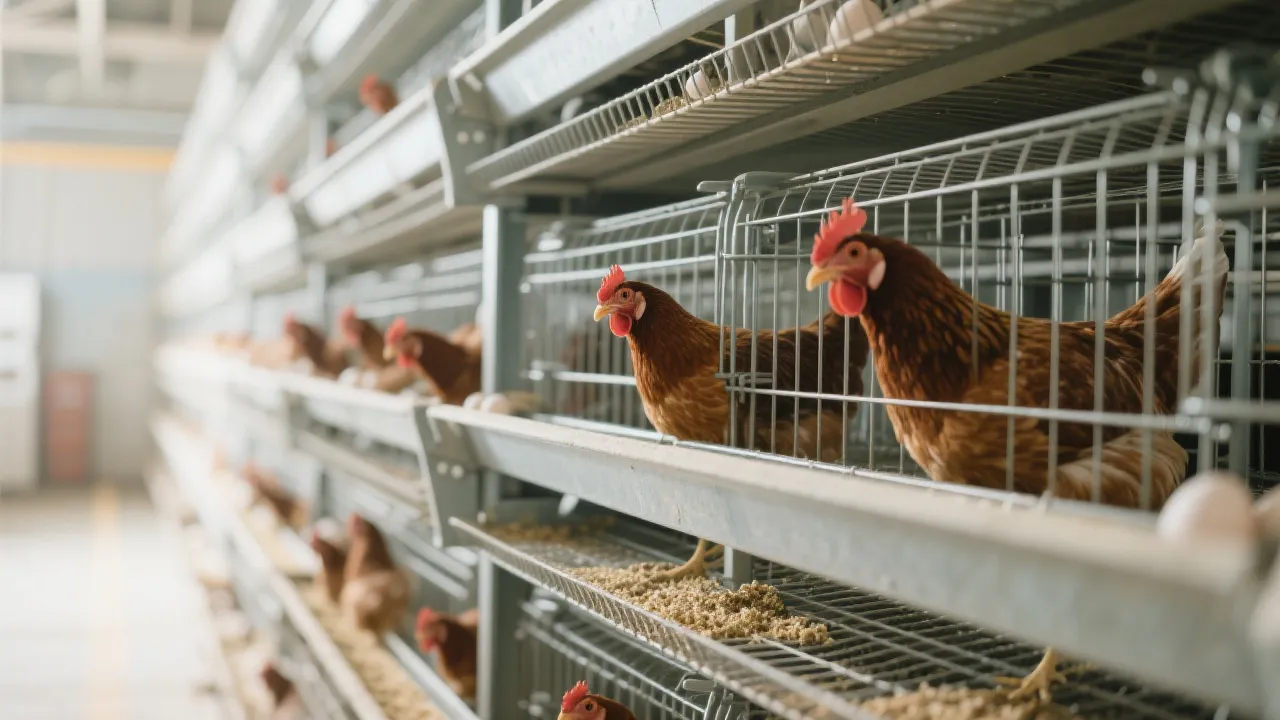
Understanding the Operation Mechanism and Core Value of Automated Egg Collection Systems
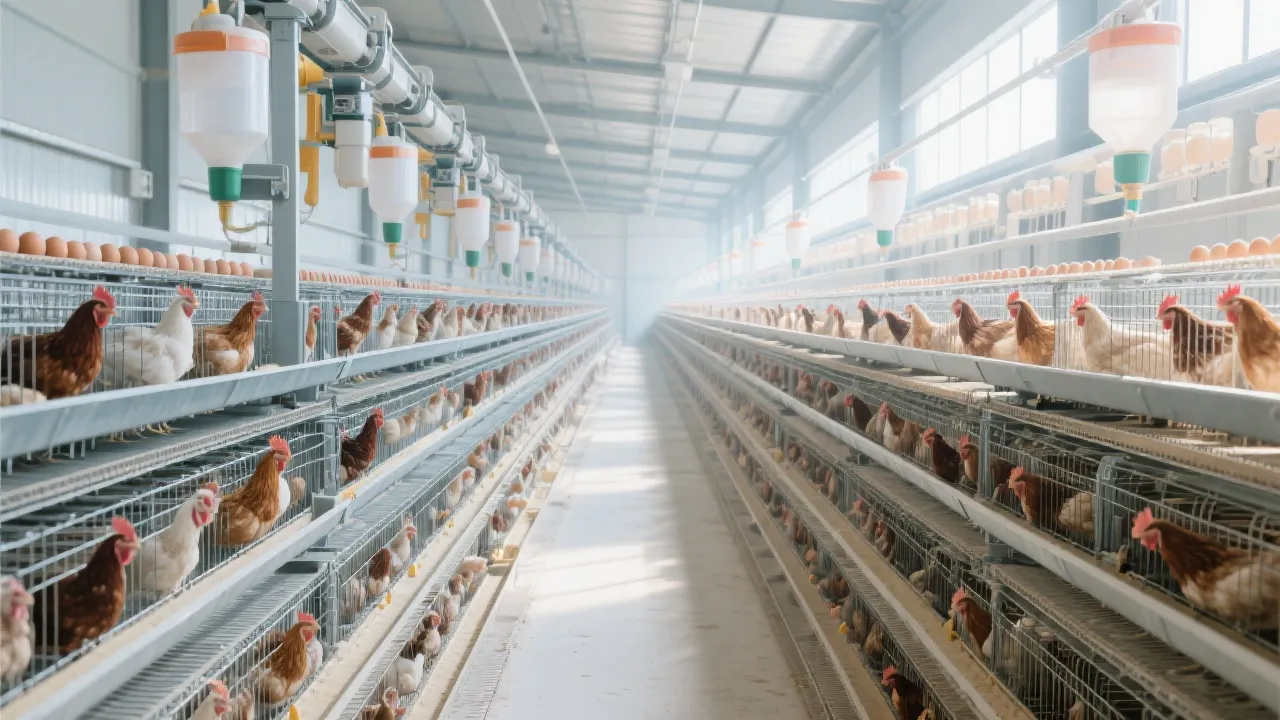
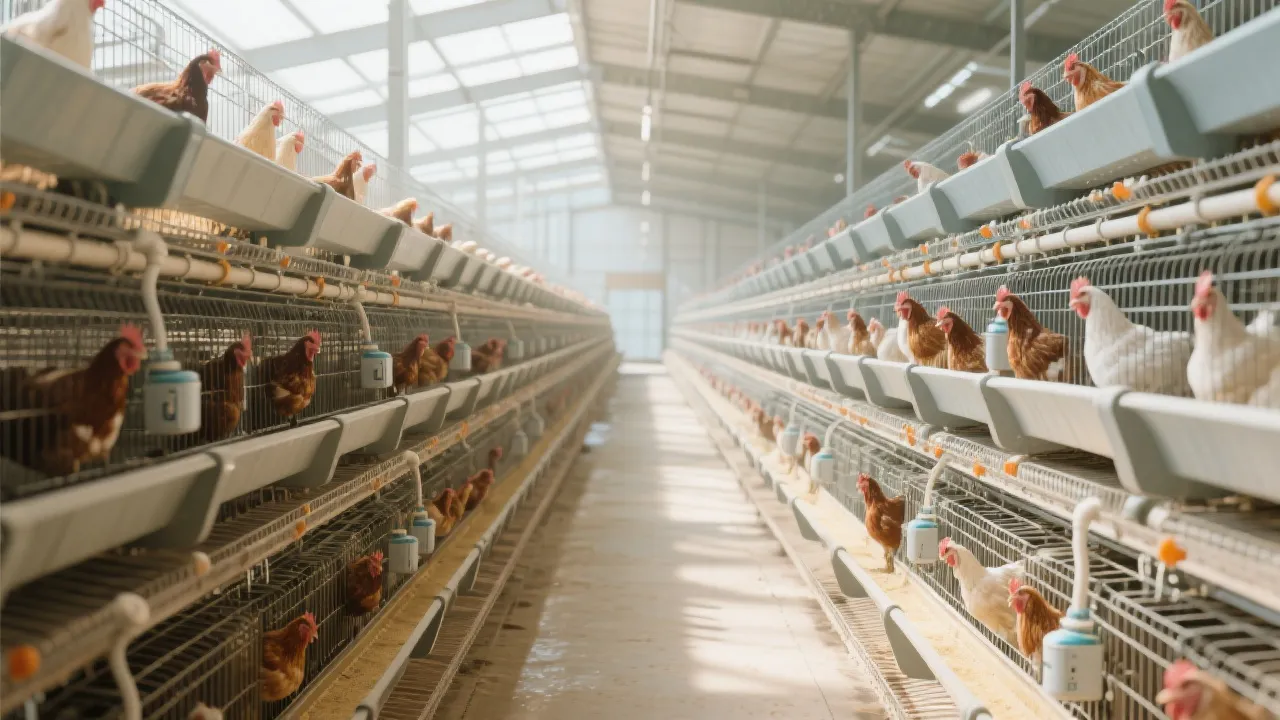
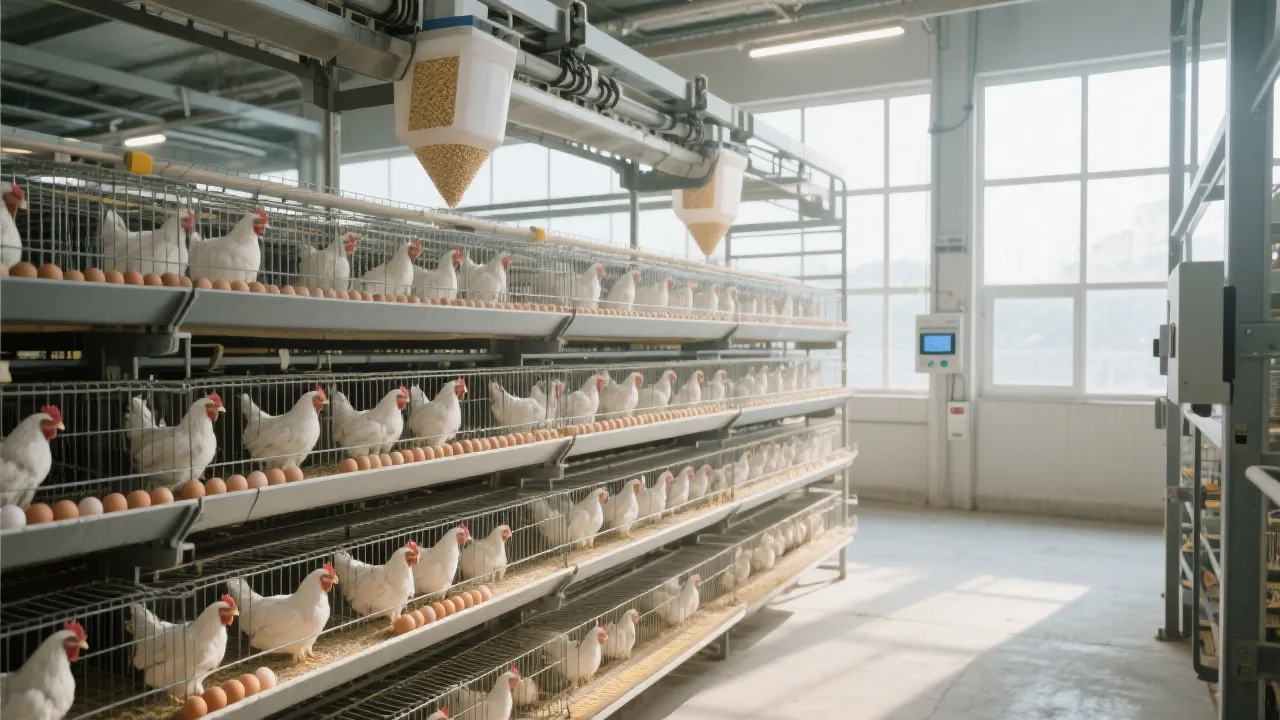
Automated egg collection systems have revolutionized the egg - production industry. These systems are designed to streamline the egg - collection process, significantly reducing manual labor and ensuring consistent egg quality. The core value lies in their ability to boost efficiency, cut down on human error, and maintain a high - standard environment for egg handling.
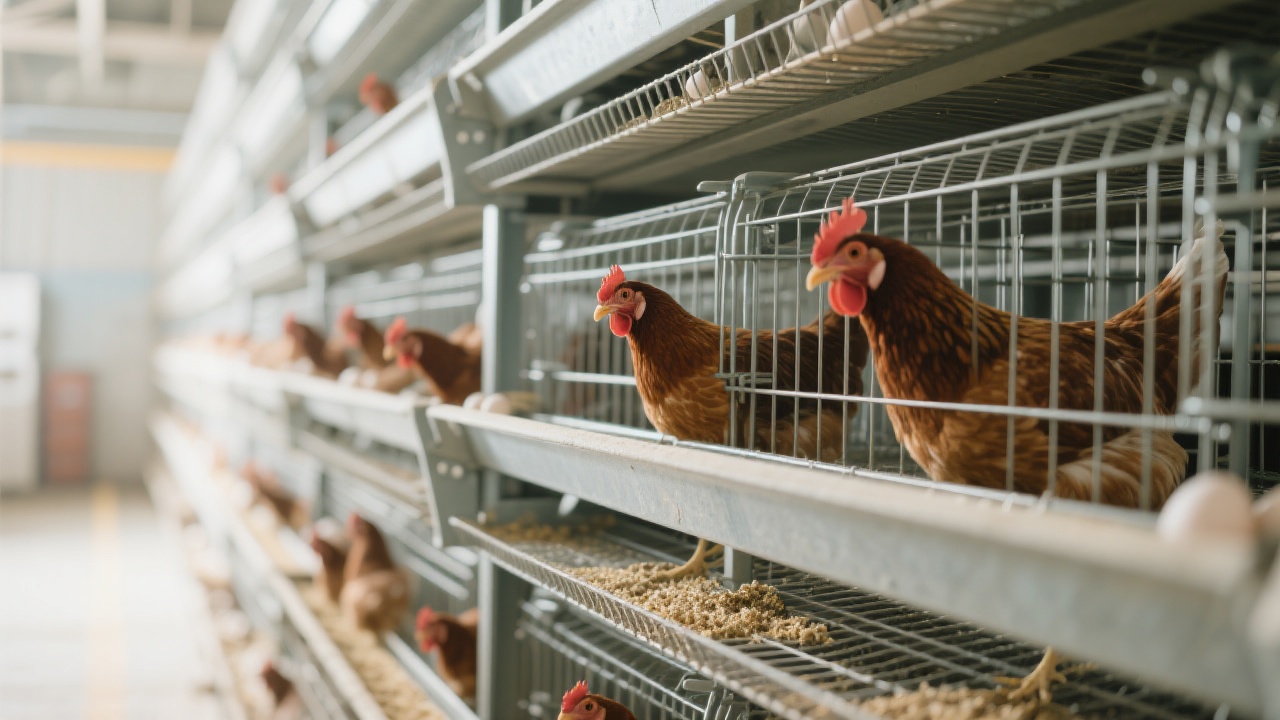
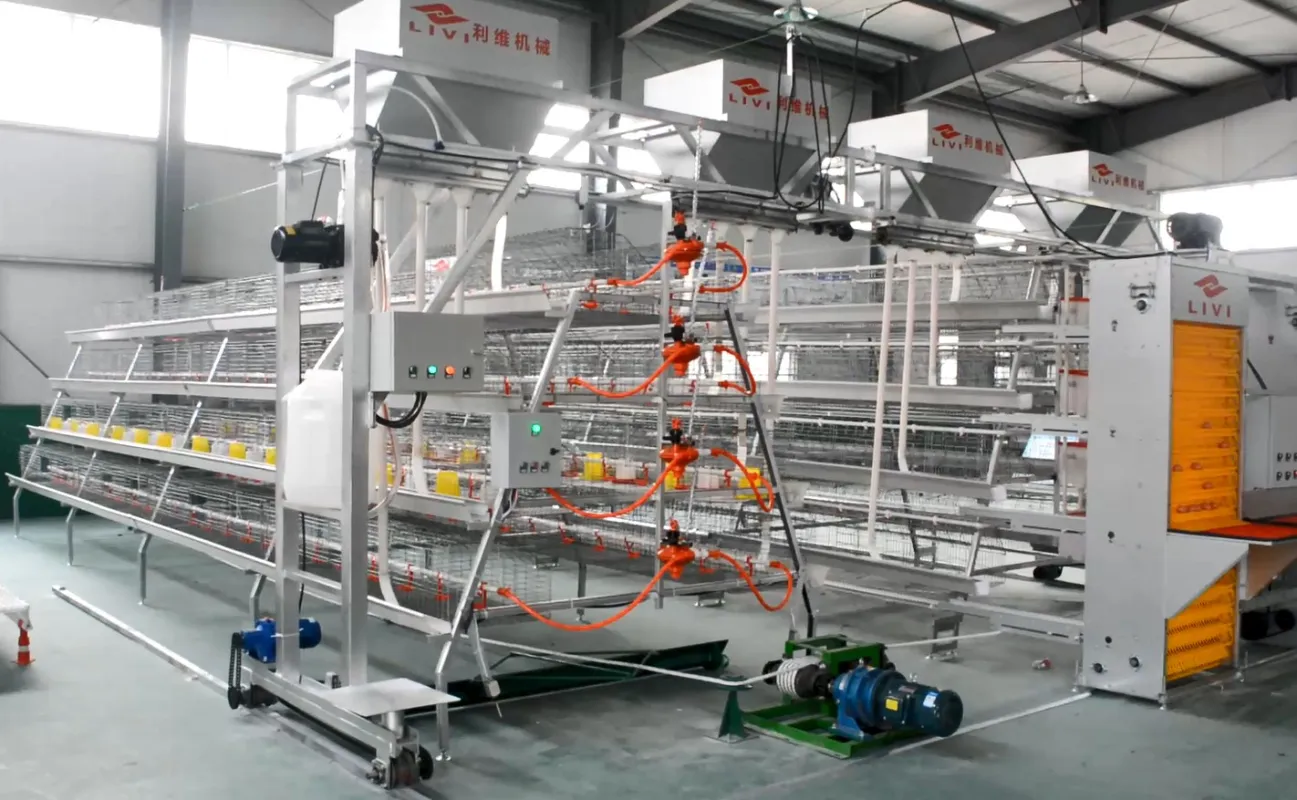
Technical Differences between Drum - type and Conveyor - type Collection Devices and Their Compatibility with H - type layer cages
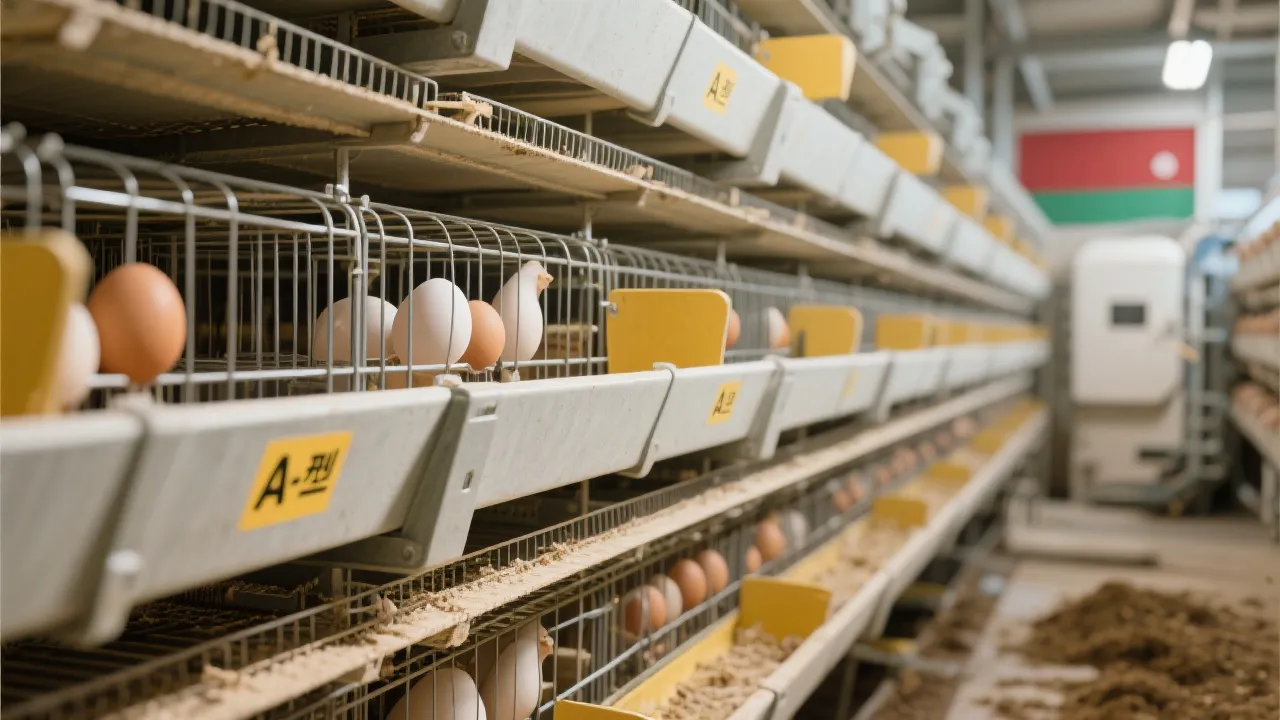
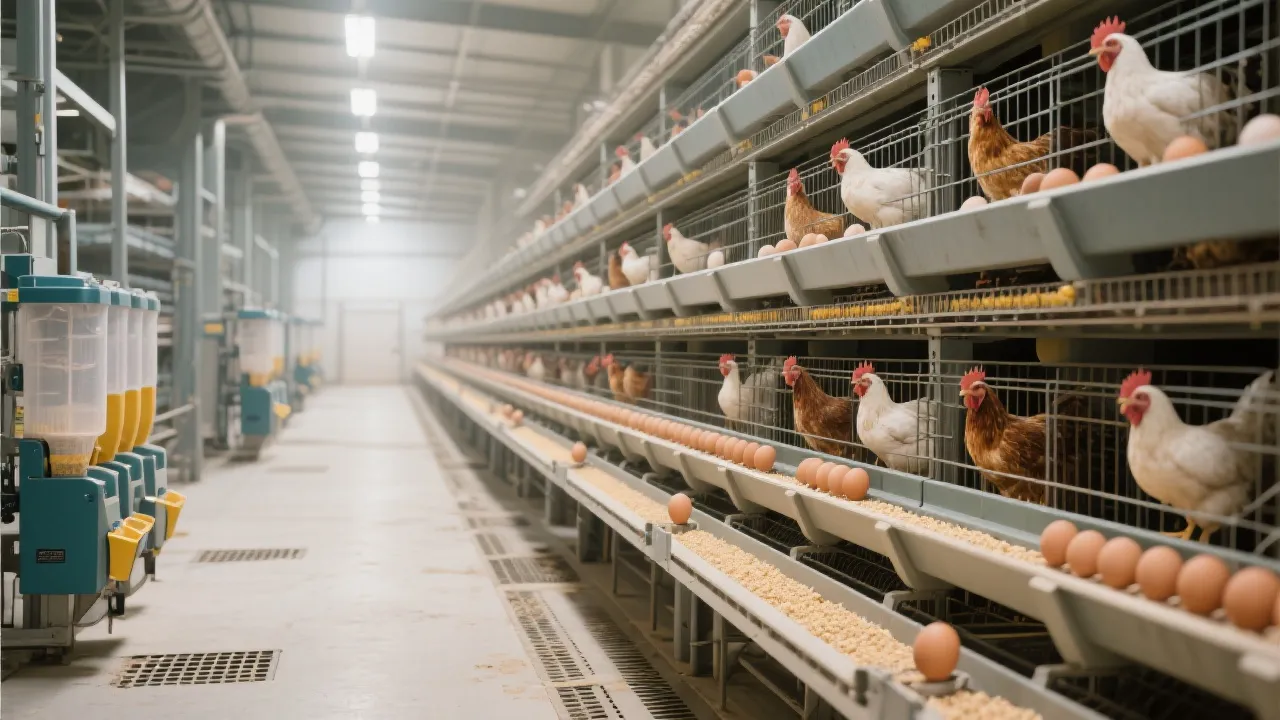
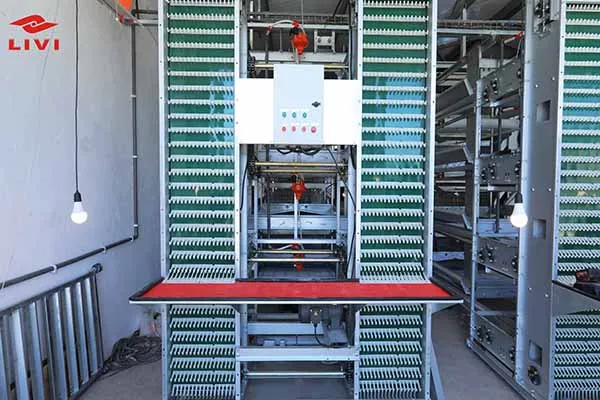
There are two main types of automated egg collection devices: drum - type and conveyor - type. The drum - type system uses rotating drums to gently move eggs from the cages to a collection point. It is known for its smooth operation and low impact on eggs. On the other hand, the conveyor - type system uses belts to transport eggs. It is more suitable for large - scale operations due to its high - speed collection ability.
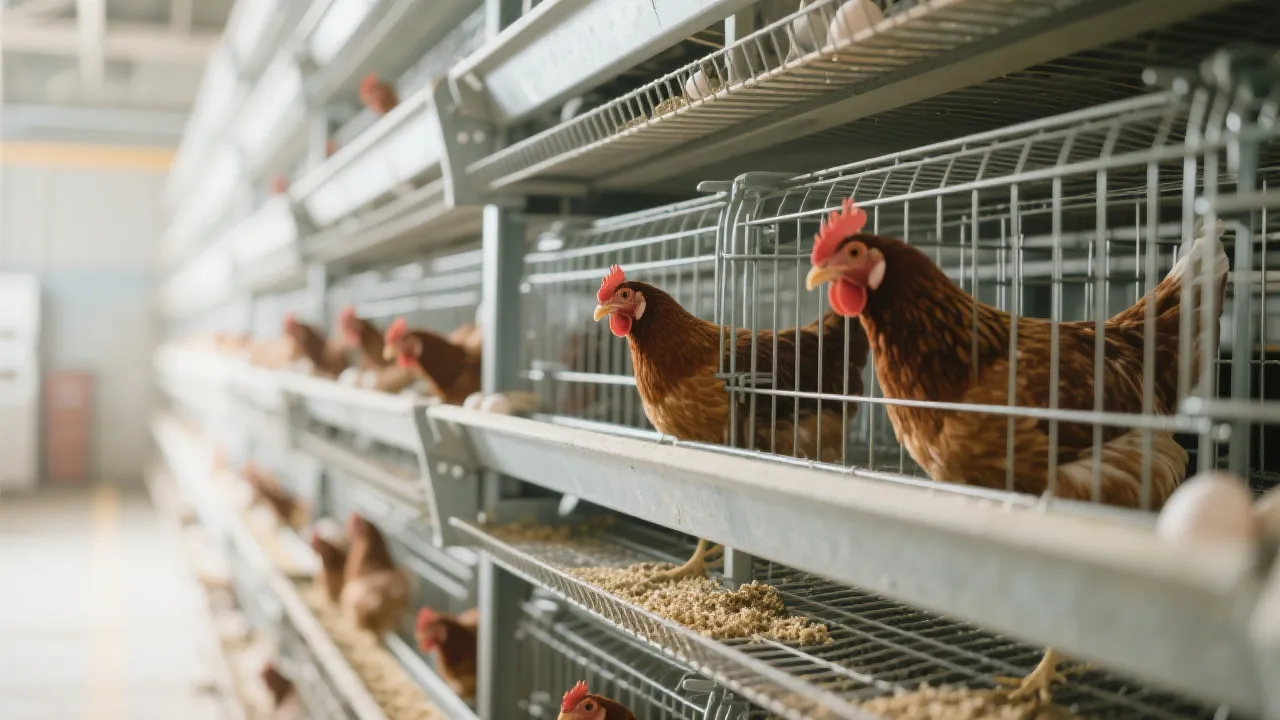
When it comes to H - type layer cages, the compatibility of these two systems varies. The drum - type system can be a great fit for smaller H - type cages as it can be more easily integrated and provides a gentle collection method. The conveyor - type system, however, is often preferred for larger H - type cage setups in large - scale farms, as it can handle a higher volume of eggs at a faster pace.
Real - world Application Effects in Large - scale Farms
Let's look at some real - world examples. In a large - scale farm with over 100,000 hens, the drum - type system achieved an egg collection speed of about 3000 eggs per hour, with a relatively low failure rate of around 2%. The cleaning process was relatively easy, taking about 2 hours per week. Meanwhile, the conveyor - type system in another large - scale farm could collect up to 5000 eggs per hour, but had a slightly higher failure rate of 3%. However, the cleaning was more challenging, taking about 3 hours per week.
| System Type | Egg Collection Speed (per hour) | Failure Rate | Cleaning Time per Week |
|---|---|---|---|
| Drum - type | 3000 | 2% | 2 hours |
| Conveyor - type | 5000 | 3% | 3 hours |
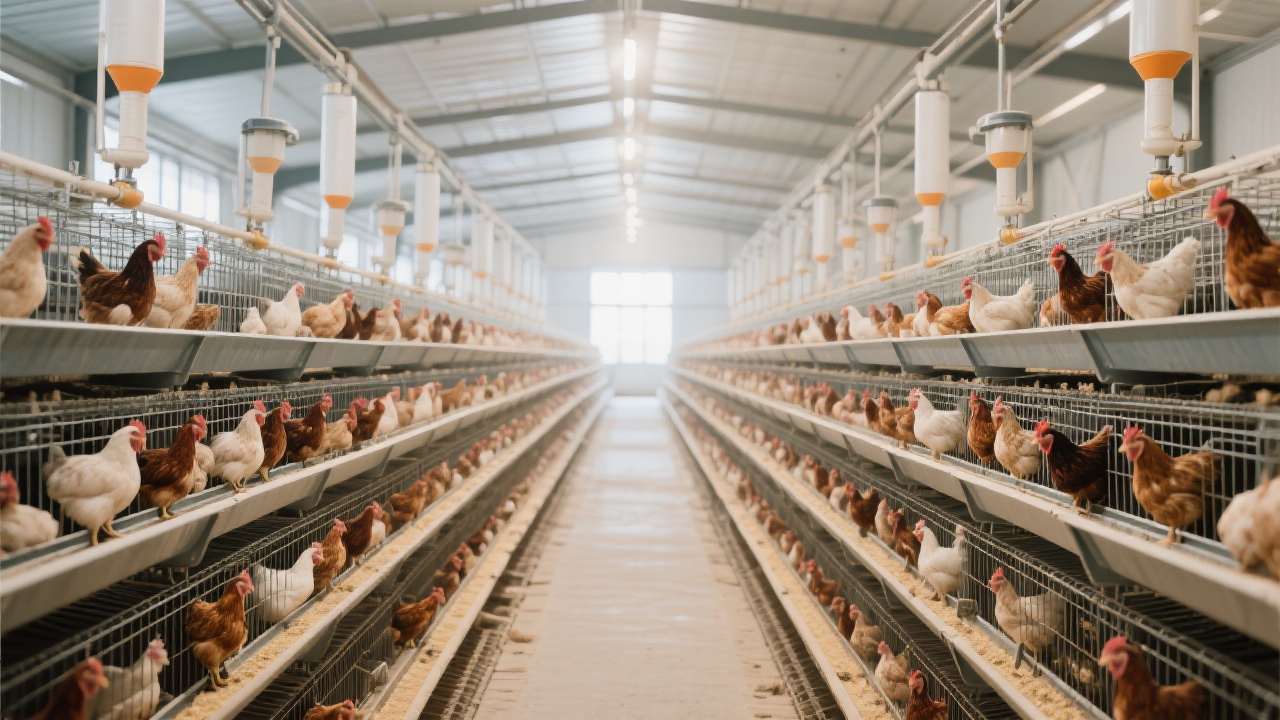
Pre - installation Evaluation Checklist
Before installing an automated egg collection system, it's crucial to conduct a comprehensive evaluation. Here are some key factors:
- Chicken Coop Space: Measure the length, width, and height of the chicken coop to ensure there is enough space for the system to operate smoothly.
- Power Conditions: Check the power supply in the chicken coop. The system requires a stable power source, and you need to ensure that the voltage and power capacity meet the system's requirements.
- Employee Skills: Evaluate the skills of your employees. They should be trained to operate and maintain the system. Consider providing training programs if necessary.
Common Problems and Quick Solutions
During the operation of the automated egg collection system, several common problems may occur. For example, material jams can happen when debris gets stuck in the system. To solve this, simply turn off the system, remove the debris, and then restart it. Belt misalignment can cause eggs to fall off the conveyor. You can adjust the belt tension and alignment according to the manufacturer's instructions. Sensor malfunctions can lead to inaccurate egg detection. In this case, you may need to clean or replace the sensors.
The Importance of Preventive Maintenance
Preventive maintenance is essential for the long - term operation of the automated egg collection system. Regular maintenance can reduce the failure rate, extend the service life of the equipment, and ensure stable egg collection. We recommend a weekly inspection of the system, including checking the belts, sensors, and motors. A monthly deep - cleaning process is also necessary to remove dirt and debris.
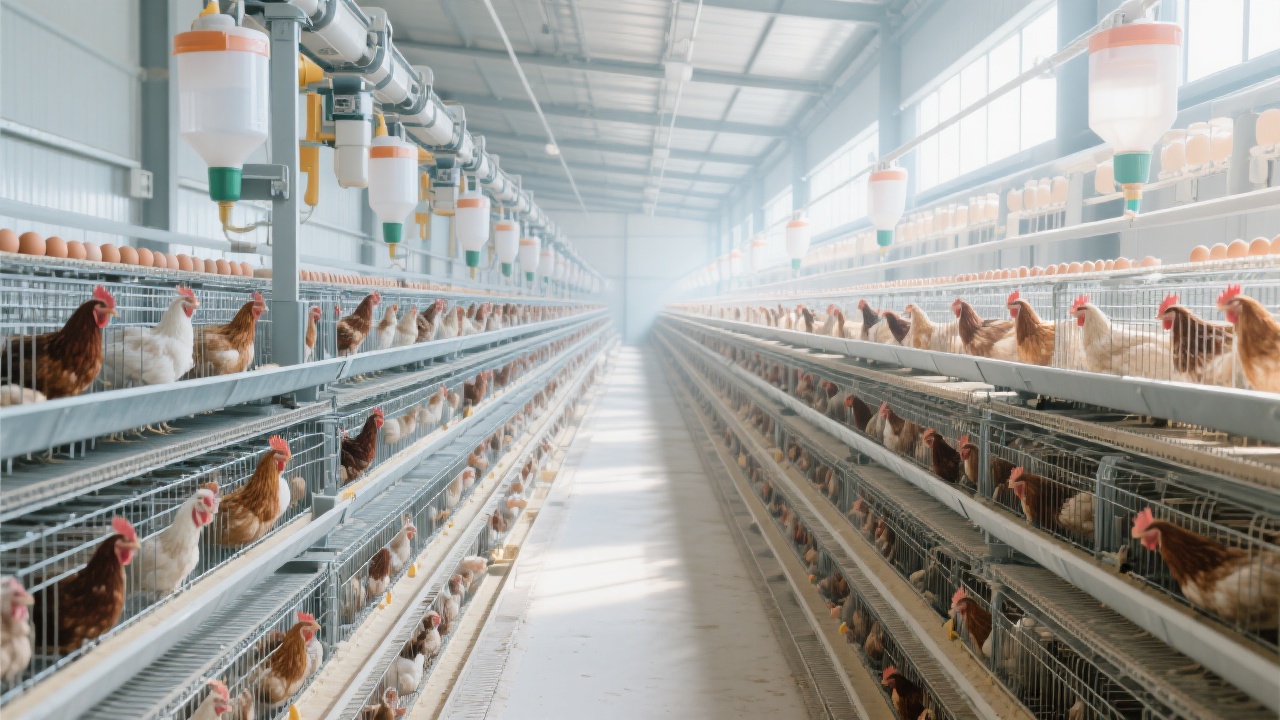
The Zhengzhou Livi Machinery H - type layer cages have already helped over 200 large - scale farms achieve cost reduction and efficiency improvement. If you're considering introducing an automated egg collection system to your farm, don't hesitate to get in touch with us for product consultation and technical support.


Hot Products

.jpg?x-oss-process=image/resize,m_fill,h_800,w_800/format,webp)






READY TO START?
Ready to Build Your Poultry Farm?
Tell us your land size, poultry type and farming capacity. LIVI will provide a complete farm solution for your project.