


Optimizing Layer Capacity and Automation Features in Egg-Laying Hen Cages: An Industry Insight for Ghana
Efficient egg production in Ghana’s poultry sector increasingly relies on the strategic selection of egg-laying hen cage systems, particularly focusing on cage layer configurations and capacity optimization integrated with automated management features. This report examines the practicality and benefits of 3-layer, 4-layer cage structures, their capacity implications on stocking density and hen welfare, as well as the transformative role automation plays in enhancing operational productivity.
Cage Layer Design: Balancing Production and Welfare
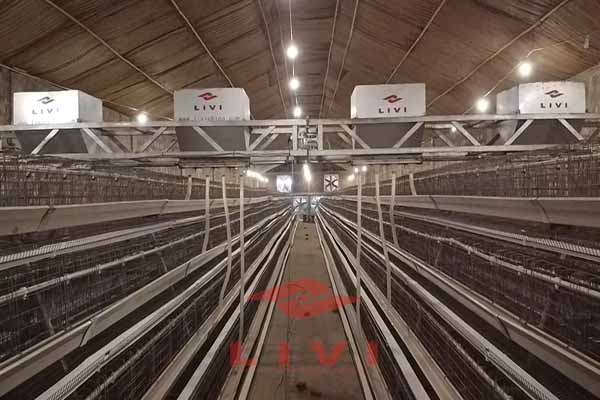
Selecting an appropriate cage layer count is critical to optimizing space utilization and maintaining the health of egg-laying hens. Systems with three layers typically provide enhanced ventilation and easier bird access, making them suitable for smaller-scale farms prioritizing hen welfare. Four-layer cages balance capacity and labor efficiency, serving medium-scale farms with growing production demands. The five-layer cage design maximizes vertical space utilization, ideal for farms with limited land but requiring high output.
Each structure varies in its impact on factors such as airflow, lighting, and maintenance complexity. For instance, higher layers may challenge uniform light distribution, requiring precise environmental controls to mitigate hen stress and improve laying rates.
Capacity Configuration: Implications on Density and Health
Cage capacity directly influences stocking density, a key variable in production efficiency and hen wellbeing. Research indicates optimal stocking density ranges between 450 to 550 cm² per hen to sustain productivity without compromising health. Customizable cage capacities allow for tailored solutions based on farm size and breed type, facilitating both space optimization and minimization of disease outbreaks.
| Cage Layers | Typical Hen Capacity per Cage | Recommended Stocking Density (cm²/hen) | Suitable Farm Scale |
|---|---|---|---|
| 3 Layers | 100-150 hens | 500 cm² | Small-scale |
| 4 Layers | 150-200 hens | 475 cm² | Medium-scale |
Enhancing Efficiency with Automated Management Functions
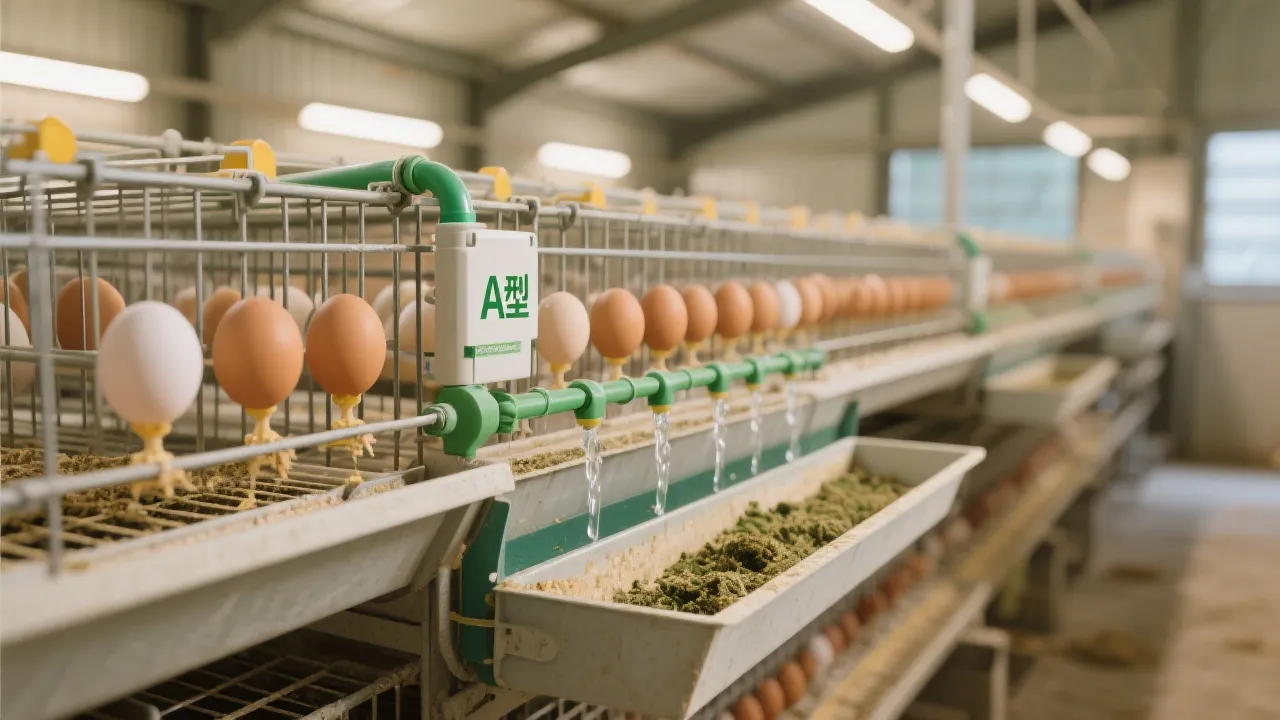
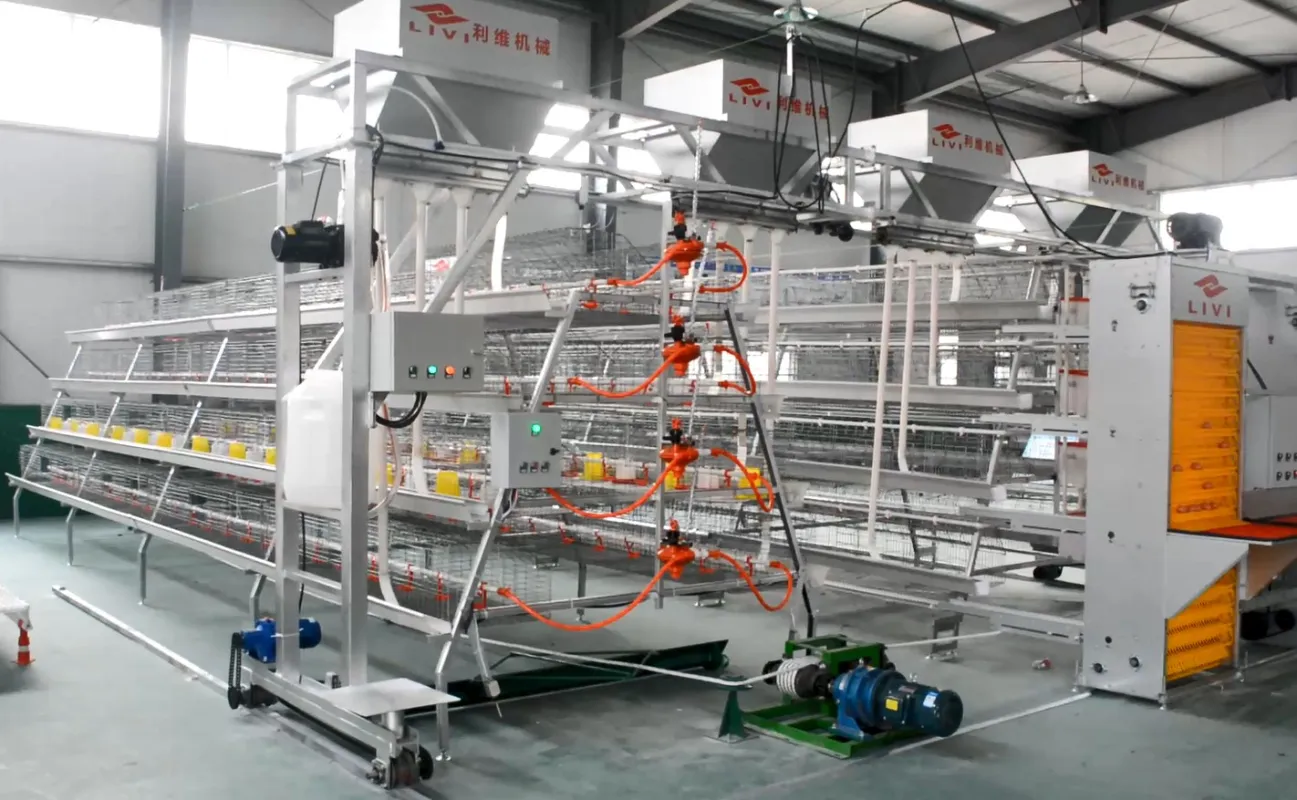
Integrating automation in egg-laying hen cages marks a significant advancement in operational efficiency. Features such as automatic feeding systems ensure consistent nutrition delivery, reducing human error and labor costs. Automated manure removal systems minimize health risks by maintaining hygiene and preventing ammonia buildup. Likewise, conveyor belt egg collection streamlines the process, reduces egg breakage, and improves traceability.
For instance, customers deploying Livi Machinery’s automated cages in Ghana reported a 20% increase in egg yield alongside a 30% reduction in labor demands across a 12-month period. This underscores automation not only as a convenience but as a strategic component to scale profitability sustainably.
Customizing Configuration for Farm Scale and Environment
Selecting the right combination of cage layers and capacities must align with the farm’s spatial constraints, climate, and management capabilities. For farms with limited floor space but ample vertical clearance, 5-layer designs are optimal. Conversely, farms prioritizing ventilation and ease of monitoring may prefer 3- or 4-layer models.
Livi Machinery offers customized cage solutions that factor in Ghana’s specific environmental conditions, helping producers optimize performance while mitigating temperature and humidity stress on hens.

Common Pitfalls and Best Practices
Despite technological progress, some frequent mistakes persist:
- Overcrowding cages beyond recommended stocking densities, resulting in stress and disease.
- Neglecting the integration of automation, leading to inefficiencies and labor bottlenecks.
- Underestimating maintenance complexity as cage layers increase.
- Failing to customize cage configurations based on specific environmental and operational conditions.
Adoption of Livi Machinery’s data-driven recommendations ensures avoidance of such pitfalls, guaranteeing a balanced approach that maximizes yield and promotes hen health.

Conclusion: Driving Sustainable Growth in Ghanaian Egg Production
The strategic selection of cage layers and capacities combined with integrated automation significantly elevates egg production efficiency and animal welfare standards in Ghana’s poultry sector. Livi Machinery’s suite of tailored cage solutions empowers farmers to achieve operational scaling with fewer labor inputs and higher yields, while adapting to the dynamic climatic and spatial challenges prevalent in the region.
Continuous engagement with user feedback and technological enhancements will ensure that these cage systems remain cutting-edge, reliable, and effective for long-term poultry industry advancement.




Hot Products

.jpg?x-oss-process=image/resize,m_fill,h_800,w_800/format,webp)


Popular articles



READY TO START?
Ready to Build Your Poultry Farm?
Tell us your land size, poultry type and farming capacity. LIVI will provide a complete farm solution for your project.