


How to Choose the Right Automated Egg Collection & Manure Removal System for 5,000–30,000 Laying Hens
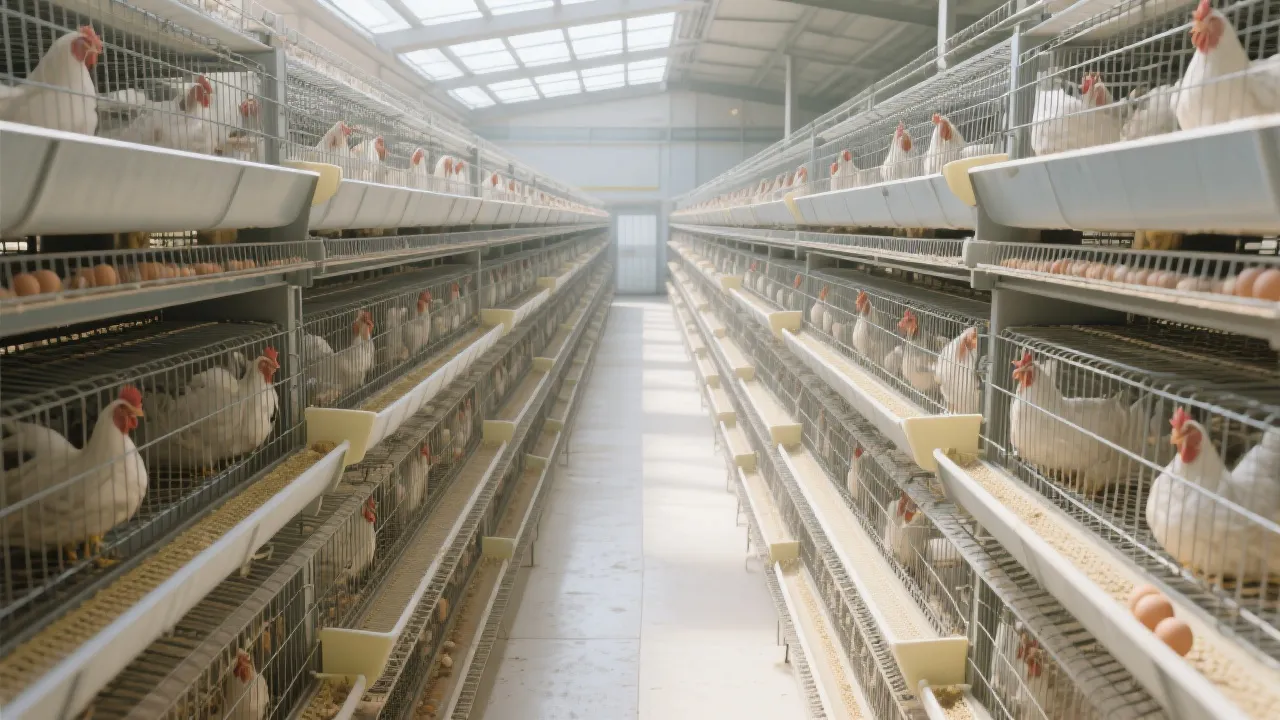
From 5,000 to 30,000 Laying Hens: How to Choose the Right Automated Egg Collection & Manure Removal System
In the global egg production industry, rising labor costs and operational inefficiencies are forcing farms to rethink traditional practices. For poultry managers scaling from 5,000 to 30,000 laying hens, choosing the right automation system isn’t just about modernization—it’s a strategic move toward cost reduction and productivity gains.
The Hidden Cost of Manual Operations
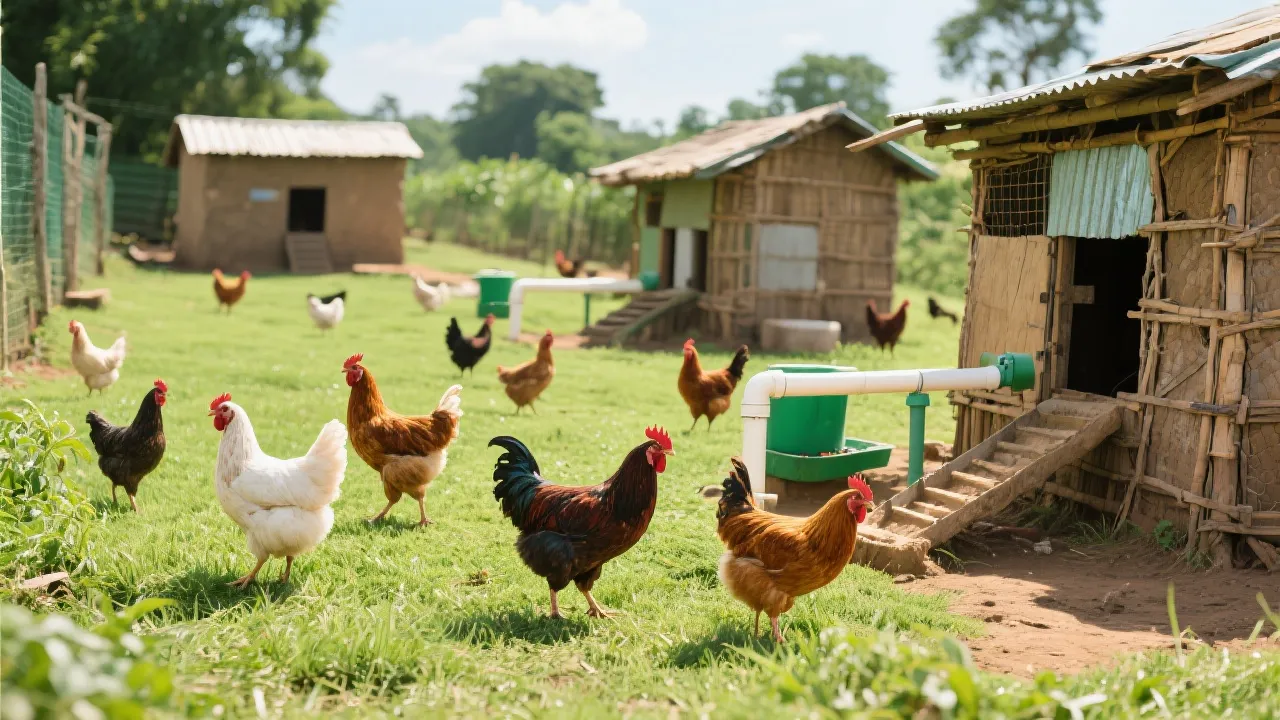
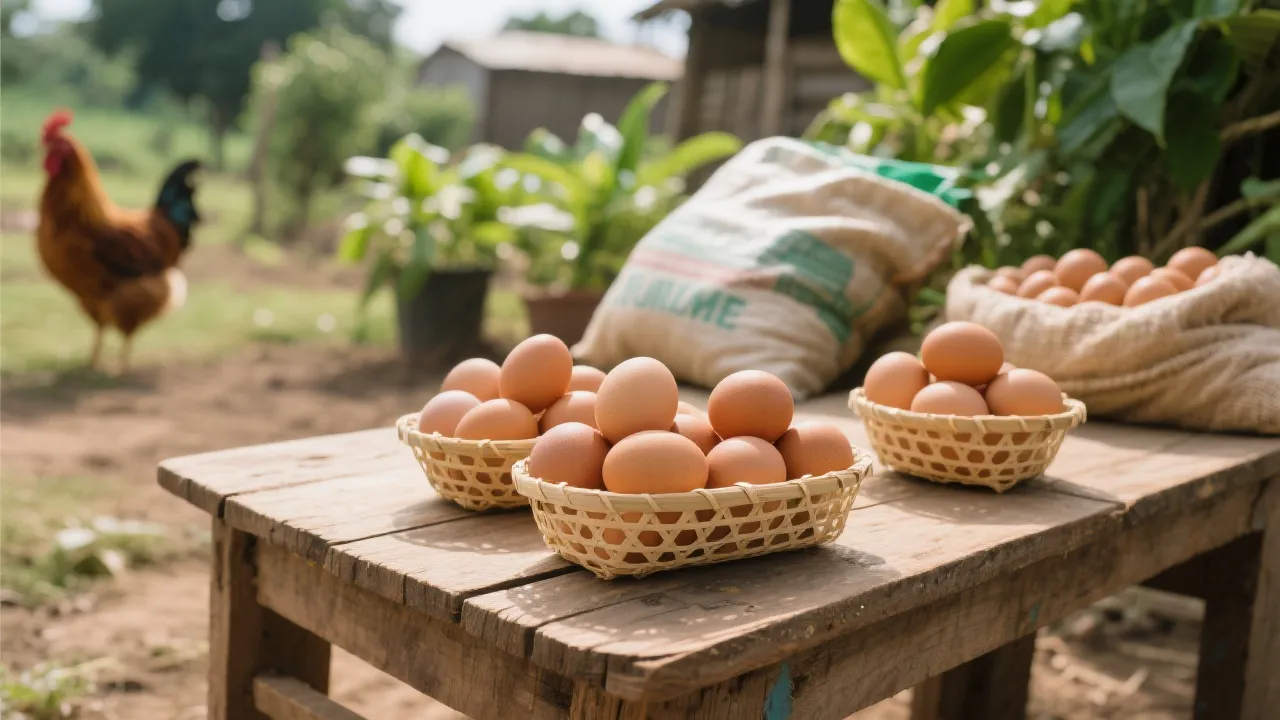
According to a 2023 FAO report, manual egg collection in medium-scale farms (5k–15k birds) can consume up to 4 hours per day—equivalent to 1.5 full-time employees (FTEs). Add to that inconsistent cleaning cycles, poor ventilation control, and high risk of egg breakage (average loss: 2.3% per batch), and it becomes clear why many farms fail to scale efficiently.
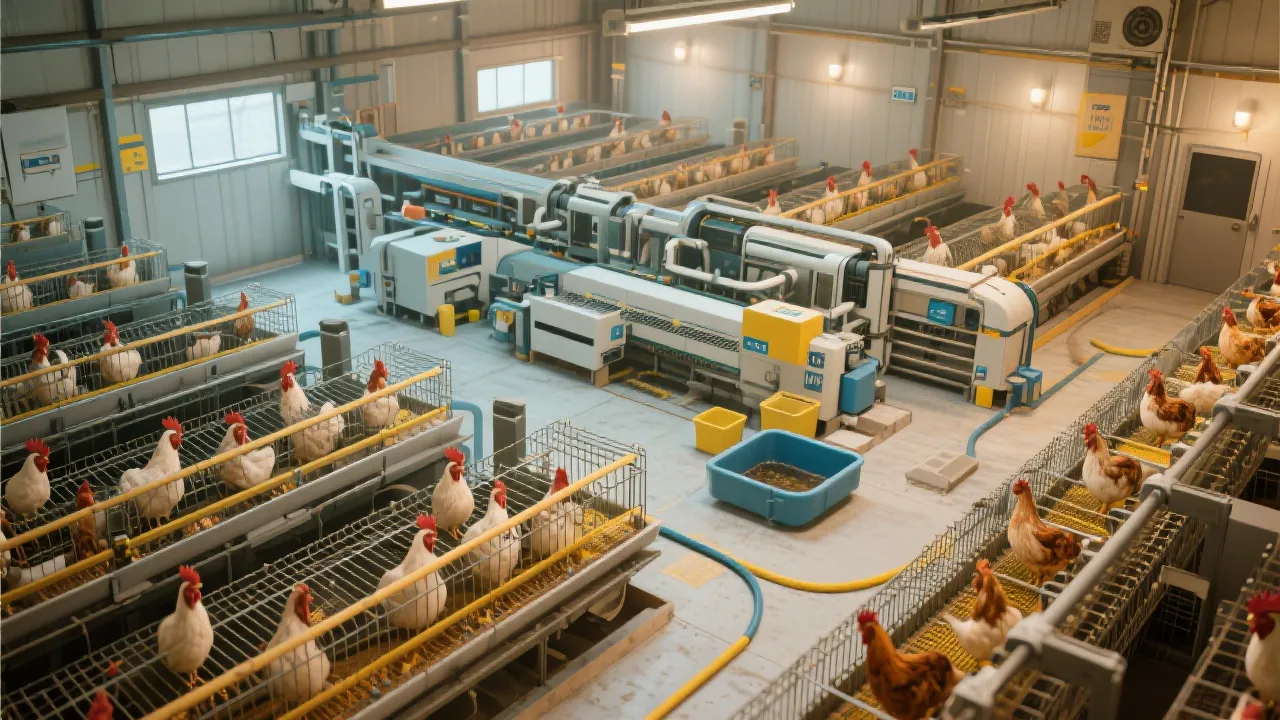
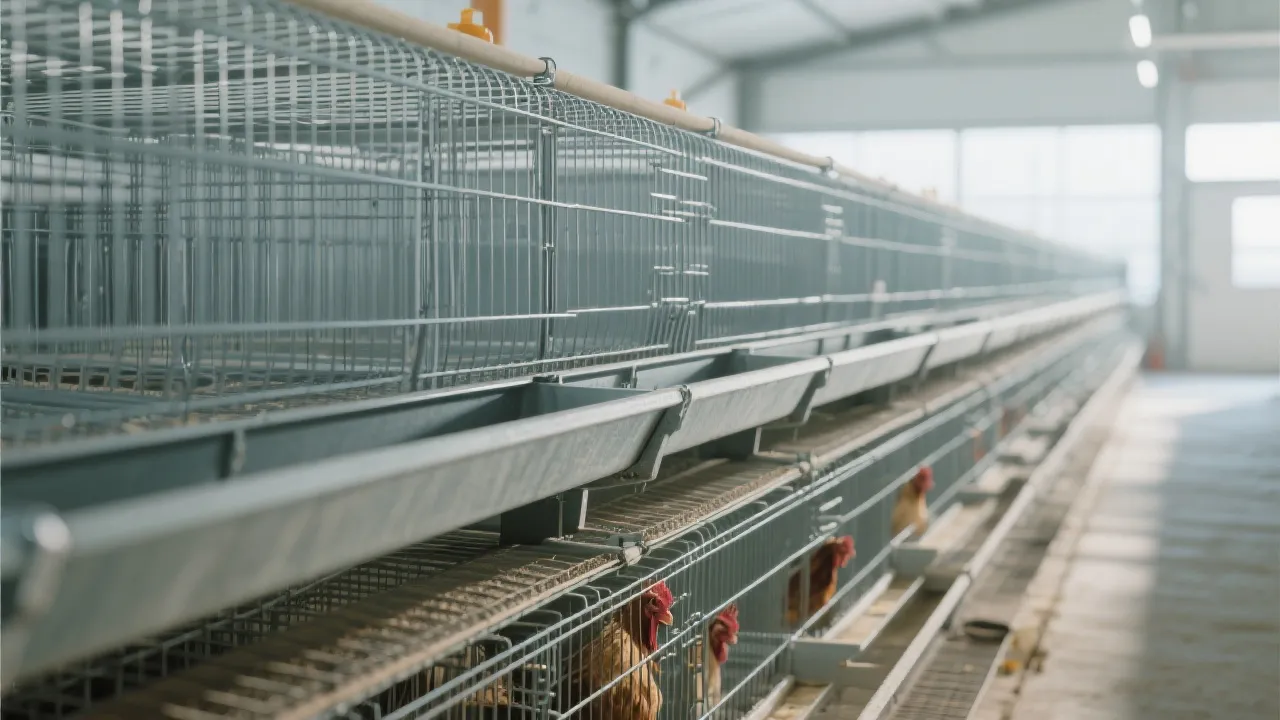
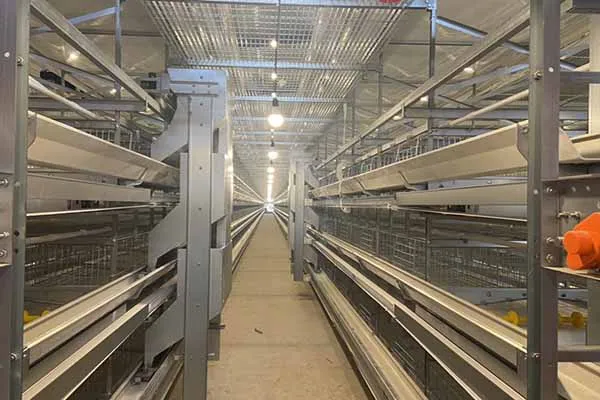
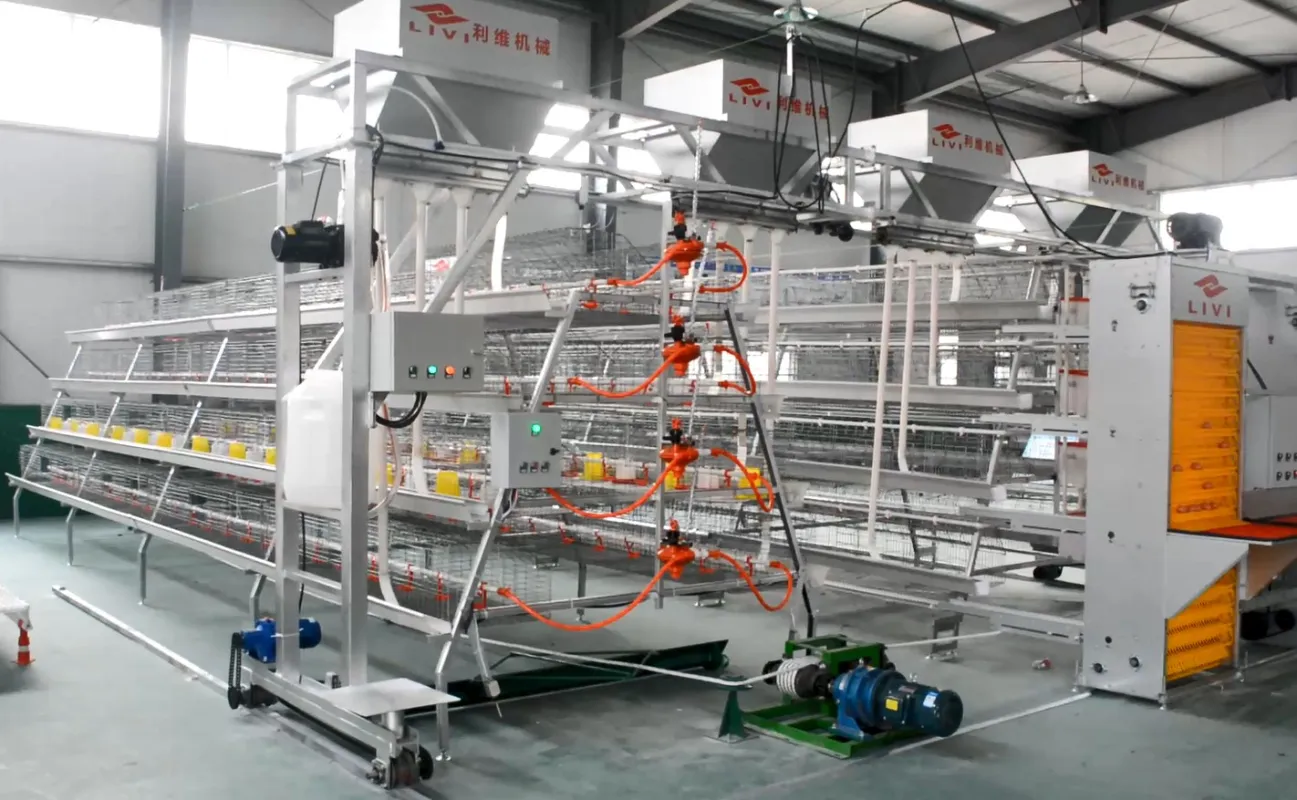
That’s where automated systems like Zhengzhou Livi Machinery's H-type layer cage come in—not as luxury upgrades, but as essential tools for sustainable growth.
Why H-Type Cage Automation Works: Real Data, Real Results
| Feature | Manual System | H-Type Auto System |
|---|---|---|
| Egg Collection Time (per day) | 3.5–4 hrs | ≤0.5 hrs |
| Manure Removal Frequency | Every 2–3 days | Daily, automatic |
| Labor Required (FTEs) | 1.5–2 FTEs | 0.2 FTEs |
| Egg Breakage Rate | 2.3% | 0.7% |
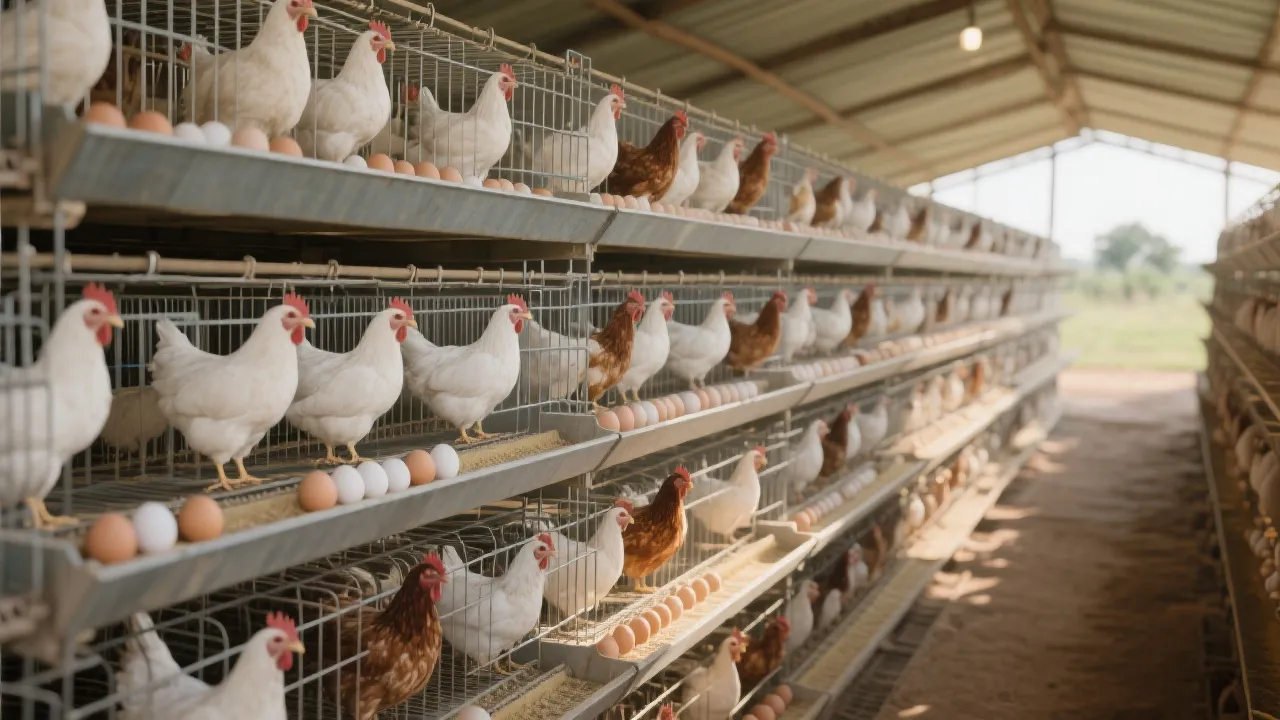
The H-type cage uses a gravity-assisted egg slide design with precise timing mechanisms that reduce physical handling by 90%. Combined with integrated temperature and humidity sensors (meeting ISO 14644-1 standards for air quality), this system ensures optimal hen comfort while minimizing disease risks from ammonia buildup.
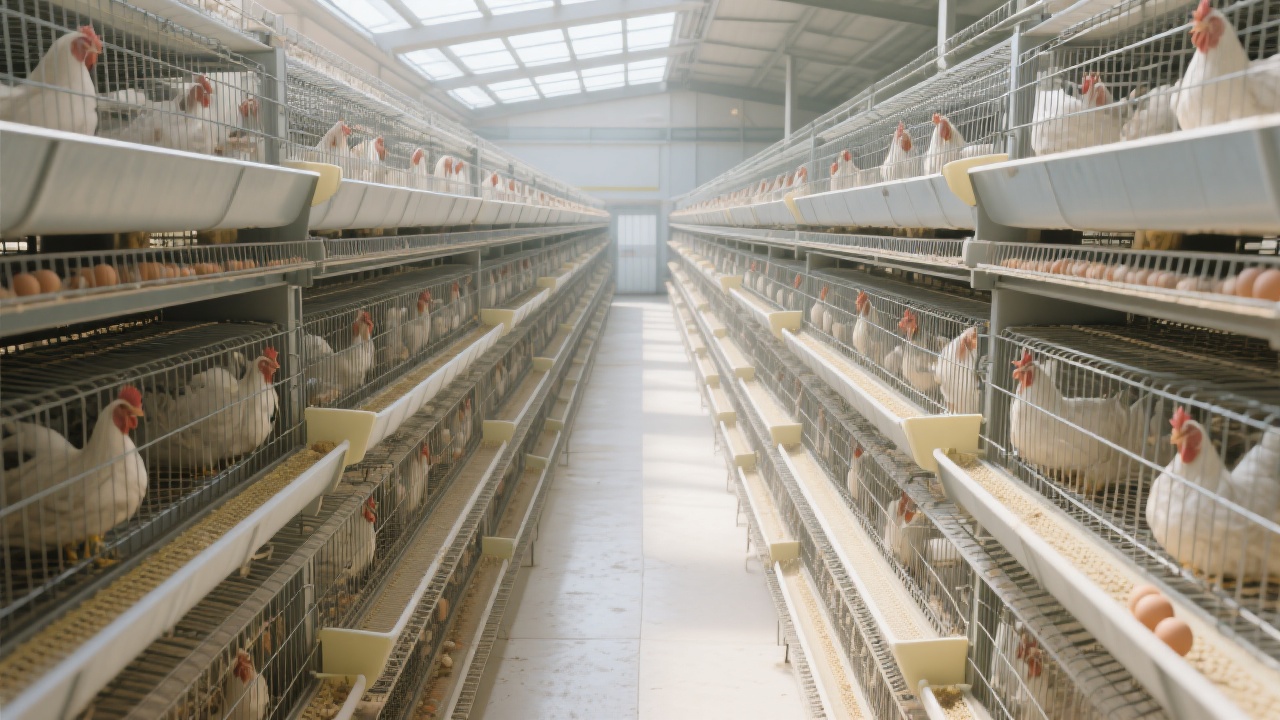
Tailored Solutions Based on Scale
For farms between 5,000 and 15,000 hens, a modular approach works best:
- 5,000–8,000 birds: Single-row H-type cages + basic manure scraper (1 unit per 1,000 birds).
- 8,000–15,000 birds: Dual-row configuration + smart conveyor belt + daily automatic cleaning cycle.
At 15,000–30,000 birds, integrate IoT-enabled monitoring via cloud dashboard for real-time alerts on egg flow, fan performance, and feed consumption—proven to cut downtime by 40% in case studies from Brazil and Turkey.
Maintenance Tips That Prevent Downtime
Even the most advanced systems need care. Here’s what top-performing farms do weekly:
- Check egg slide alignment — misalignment causes 70% of egg damage in early-stage installations.
- Clean motor brushes and lubricate gears — prevents overheating and extends machine life by 2–3 years.
- Train staff using standardized SOPs — farms with documented training see 60% fewer user-induced errors.
In our experience, consistent maintenance reduces unexpected breakdowns by over 75%, turning your automation investment into a long-term asset—not just a one-time upgrade.
Whether you're planning expansion or optimizing current operations, selecting the right automation package is no longer optional—it’s critical to staying competitive in today’s market.



Hot Products

.jpg?x-oss-process=image/resize,m_fill,h_800,w_800/format,webp)


Popular articles



READY TO START?
Ready to Build Your Poultry Farm?
Tell us your land size, poultry type and farming capacity. LIVI will provide a complete farm solution for your project.