


Eco-Friendly Layer Chicken Farming: Automate Waste Management with Scraper & Screw Conveyor Systems | Learn More

How to Achieve Sustainable Egg Chicken Farming with Scraper and Screw Conveyor Manure Systems
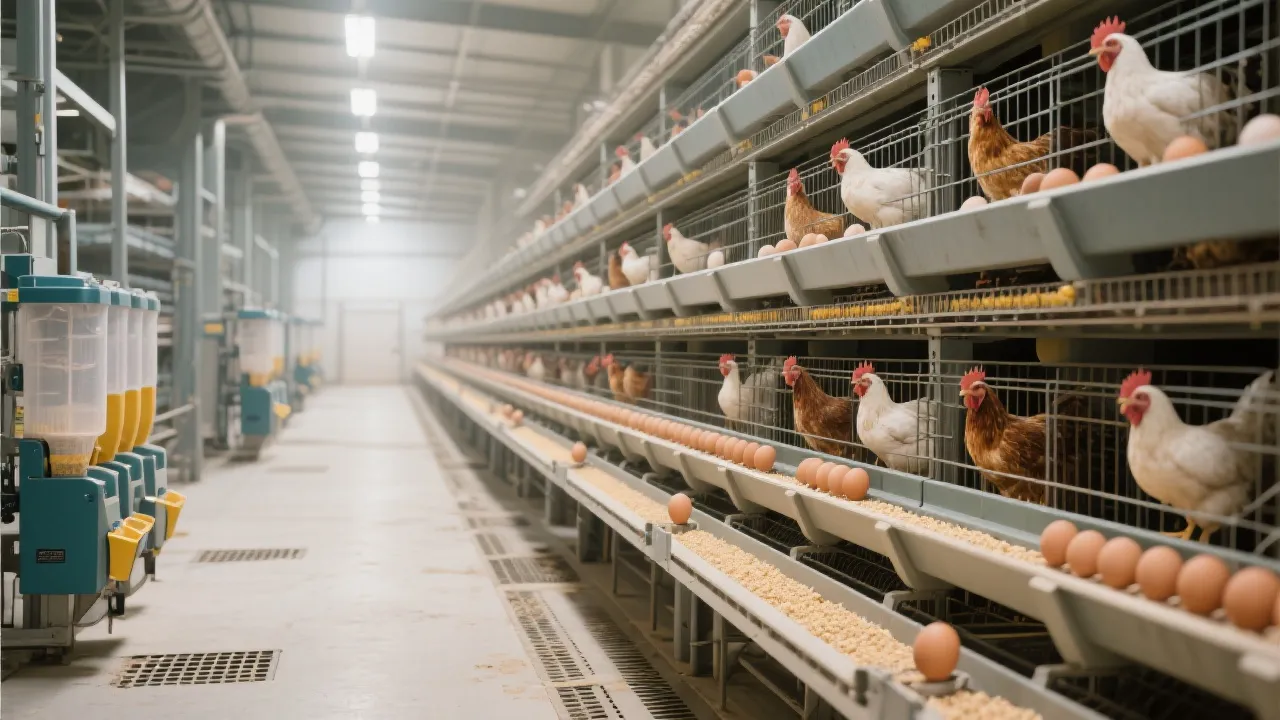
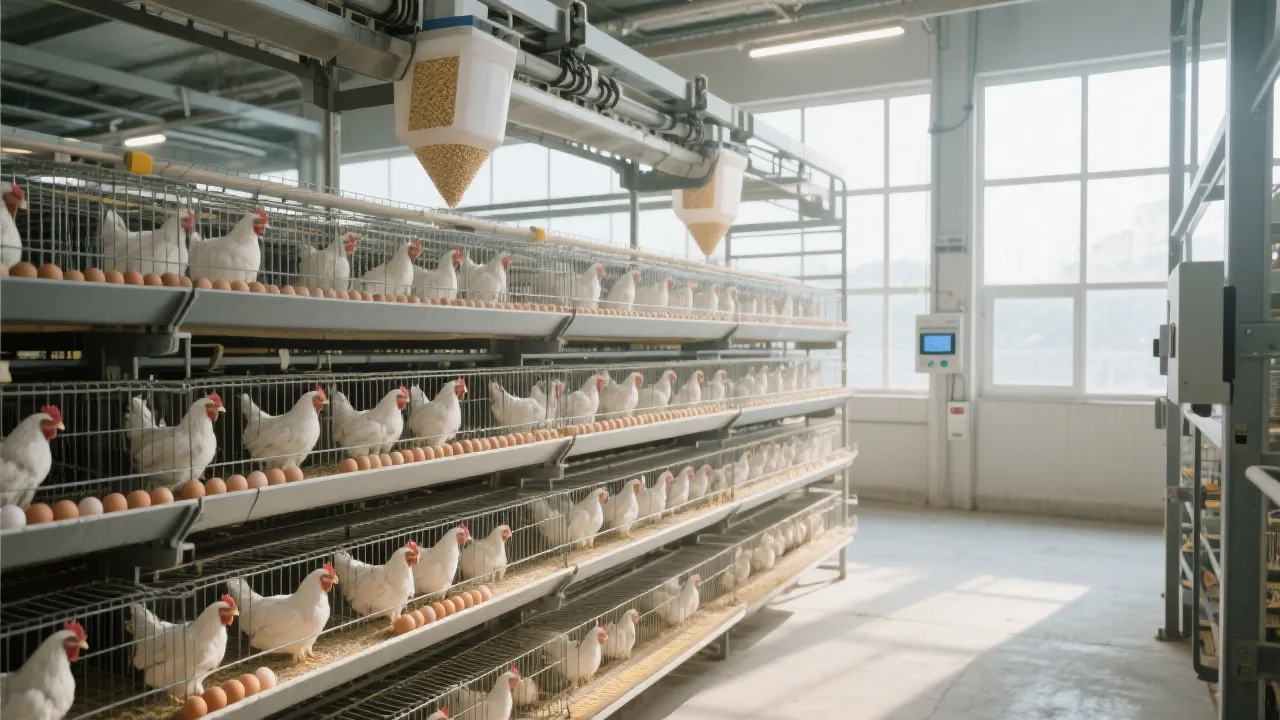
In modern egg production, manure management is no longer just about cleanliness—it’s a critical factor in animal health, environmental compliance, and operational efficiency. According to the FAO, poorly managed poultry waste can increase ammonia levels by up to 30%, leading to respiratory diseases and reduced egg output. This article explores how scraper-based and screw conveyor systems—when integrated with H-type layer cages—can transform your farm into a high-efficiency, eco-friendly operation.
Key Differences Between Scraper and Screw Conveyor Systems
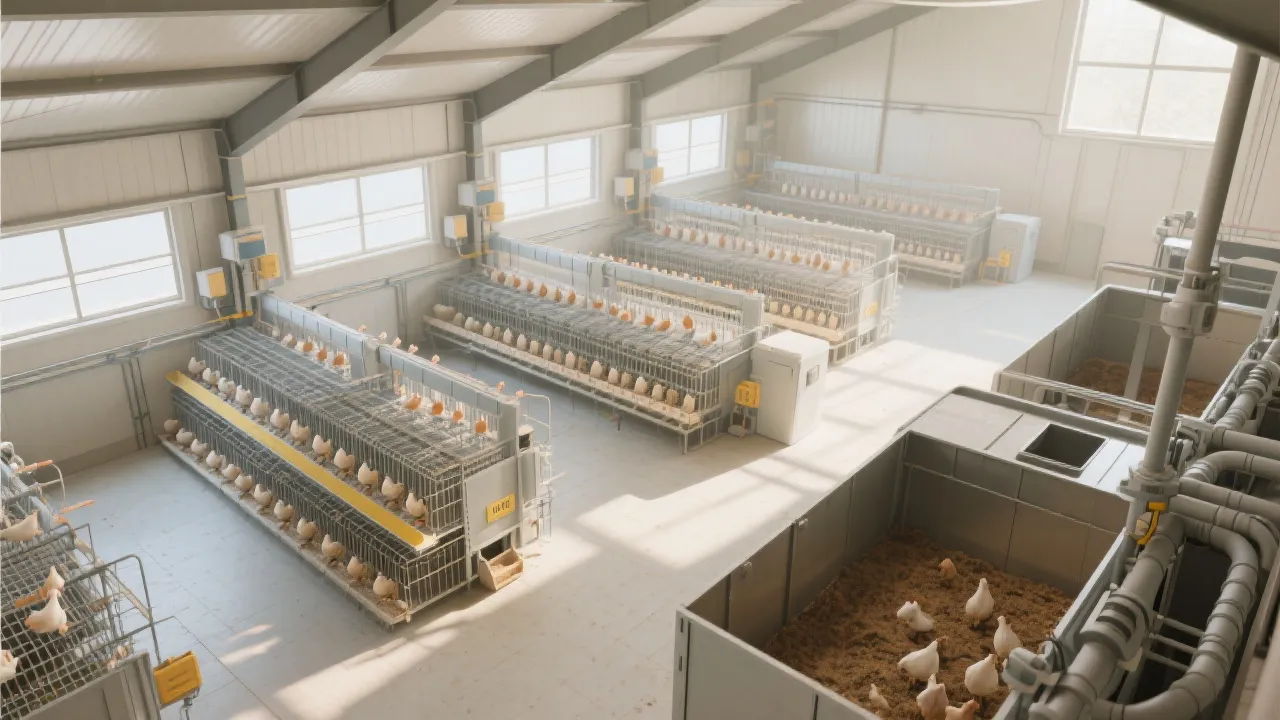
While both systems automate manure removal, their design suits different farm scales:
| Feature | Scraper System | Screw Conveyor |
|---|---|---|
| Best For | Medium to large farms (5K–50K birds) | Large-scale operations (50K+ birds) |
| Manure Moisture Handling | Dry to semi-dry (ideal for composting) | Wet manure (requires dewatering) |
| Energy Use per 1000 Birds | ~1.2 kWh/day | ~1.8 kWh/day |
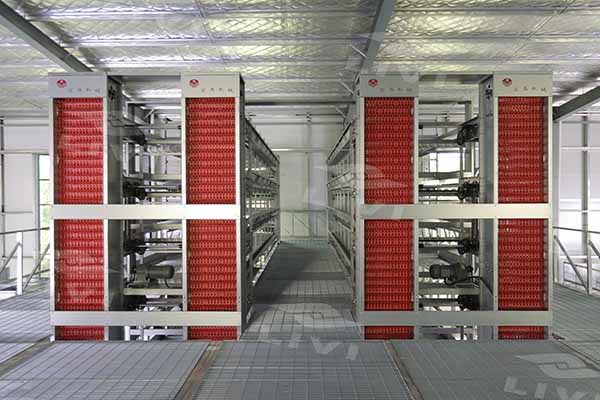
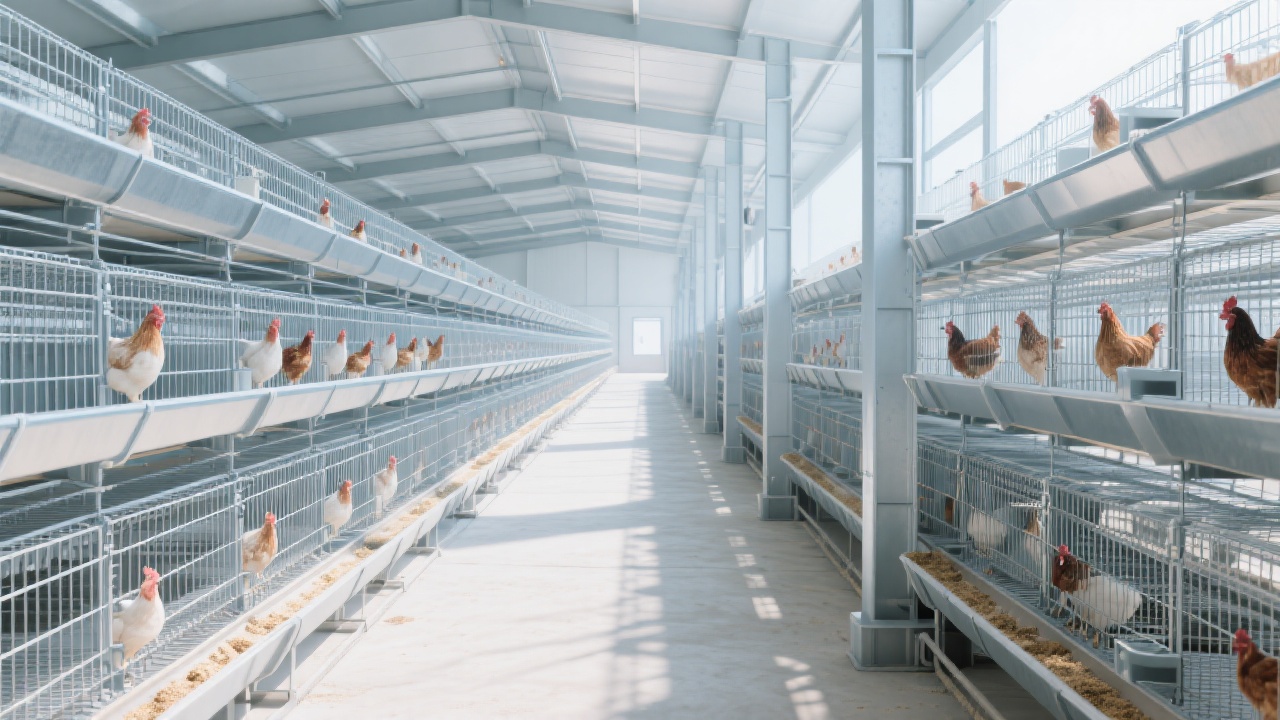
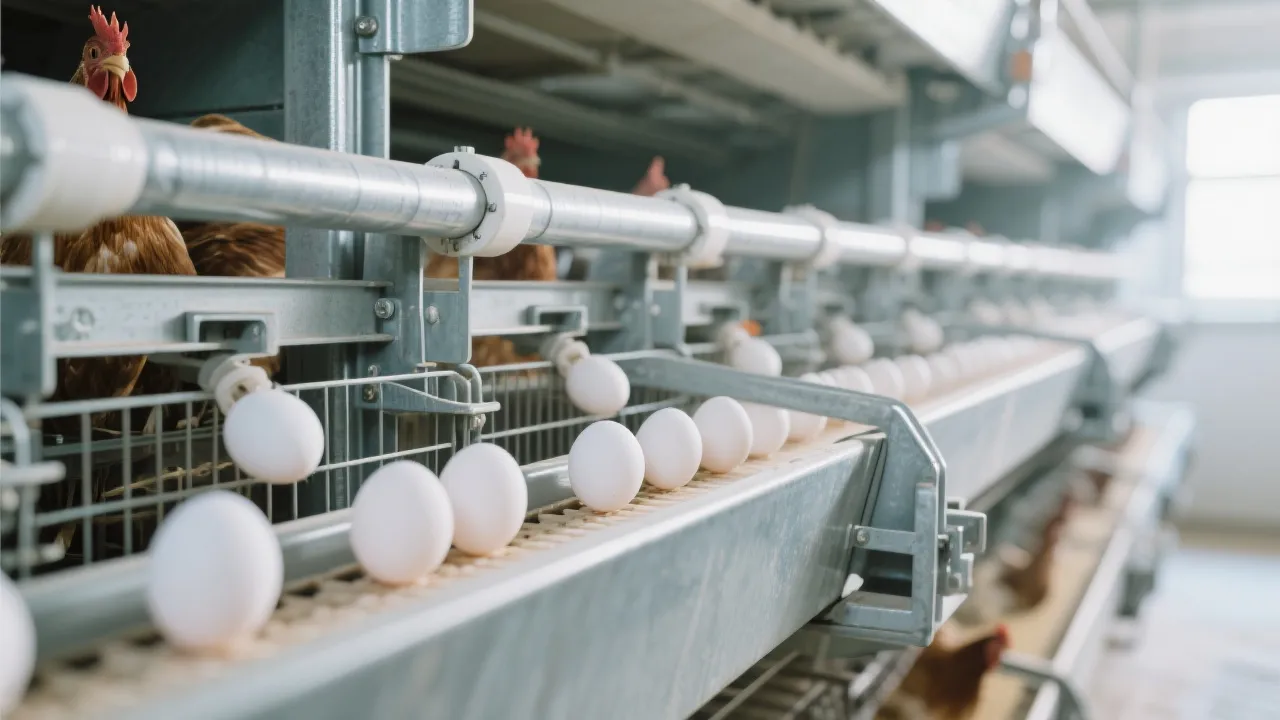
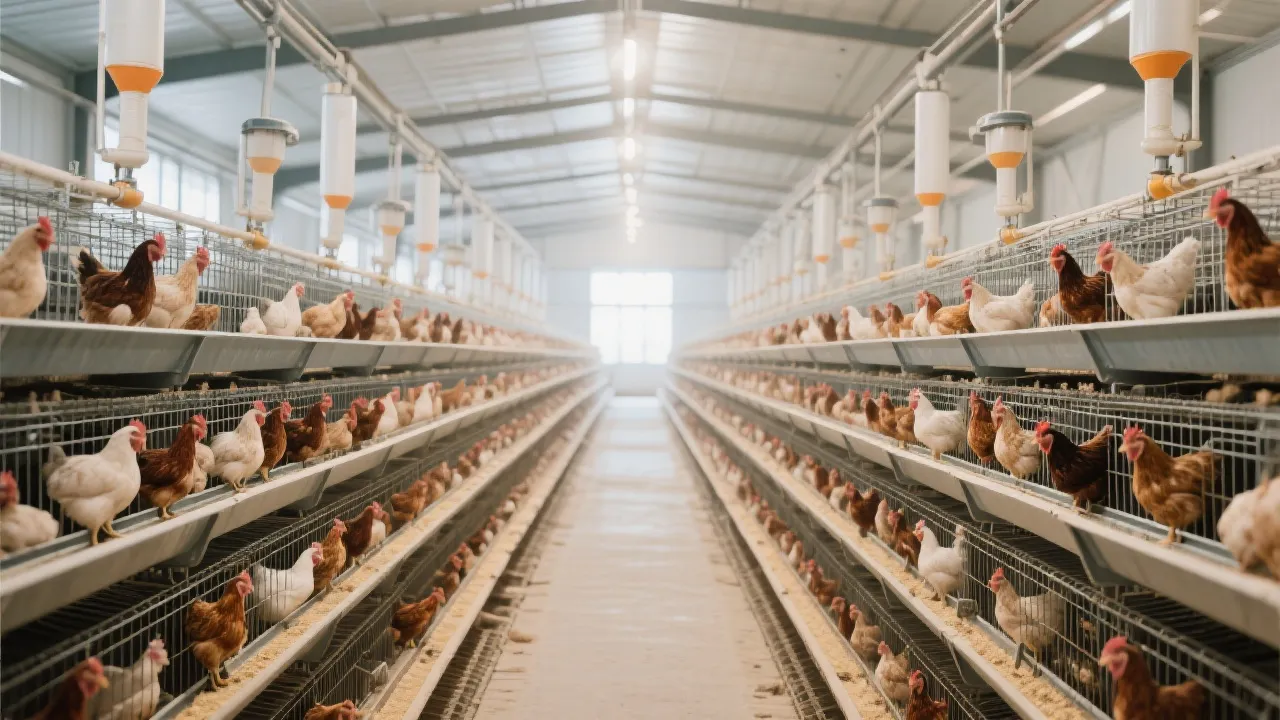
The H-type cage structure ensures zero blind spots during cleaning—unlike traditional flat decks where manure accumulates under feeders or nesting boxes. A case study from a 70,000-bird farm in the Netherlands showed that after installing a scraper system, ammonia concentration dropped from 28 ppm to 12 ppm within 6 weeks, while labor costs decreased by 40%.
Why Compliance Matters: Linking Automation to ISO 14001
With increasing pressure from EU and North American regulators, farms must demonstrate responsible waste handling. The automation provided by these systems directly supports ISO 14001 certification requirements such as:
- Reduced emissions through controlled manure storage and transport
- Improved traceability via digital monitoring logs
- Lower water usage compared to manual flushing methods
One expert from the International Poultry Association noted: “Farms using automated systems report fewer disease outbreaks—not just because of cleaner conditions, but also due to consistent daily routines that reduce stress on birds.”
From Waste to Resource: Turning Manure into Value
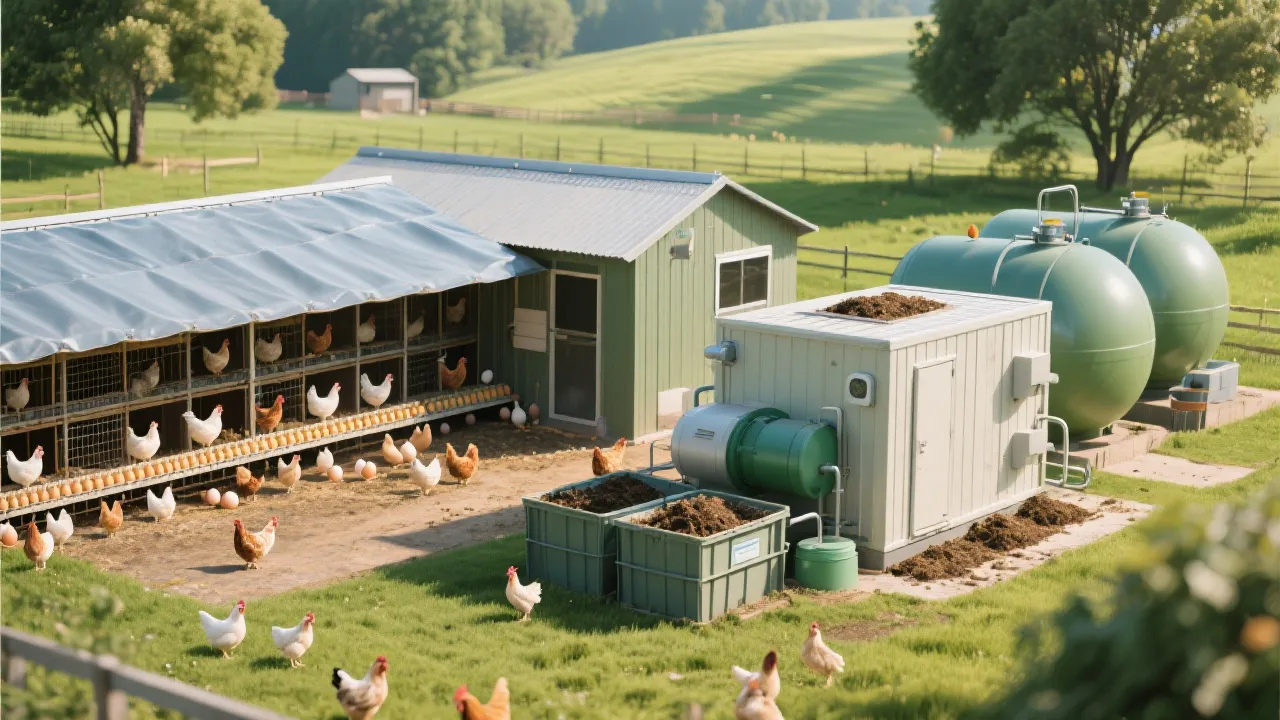
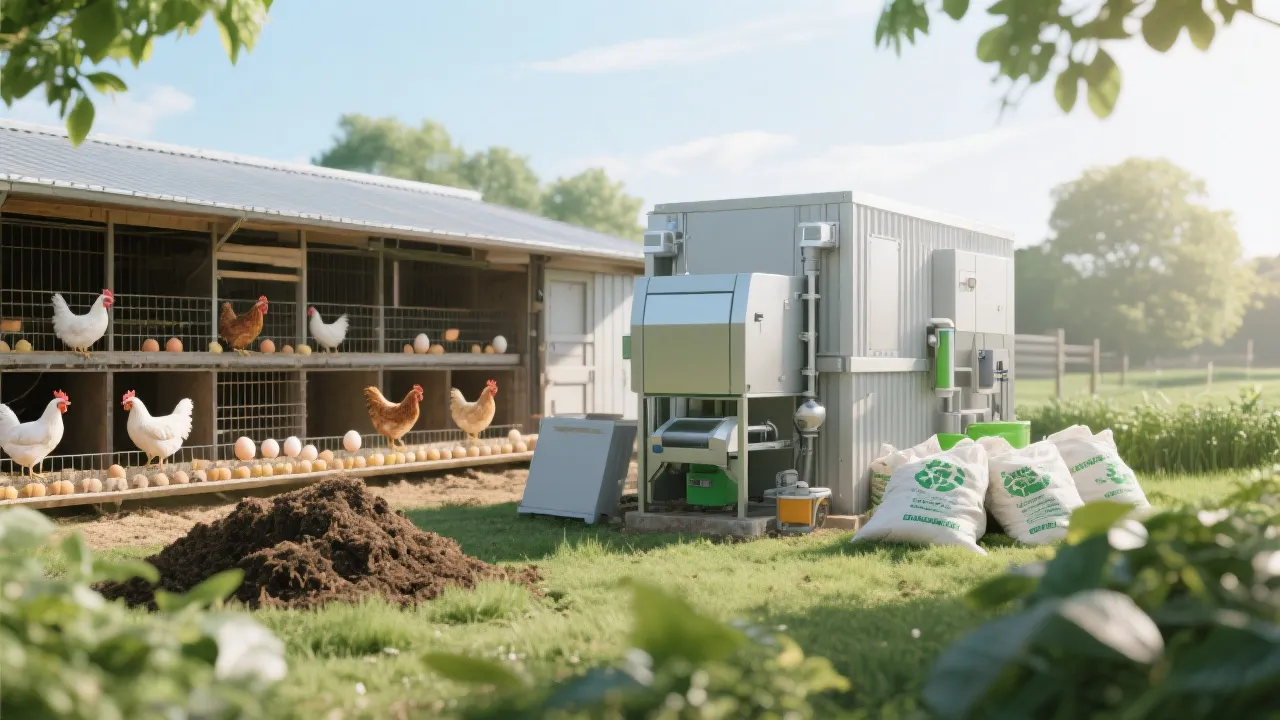
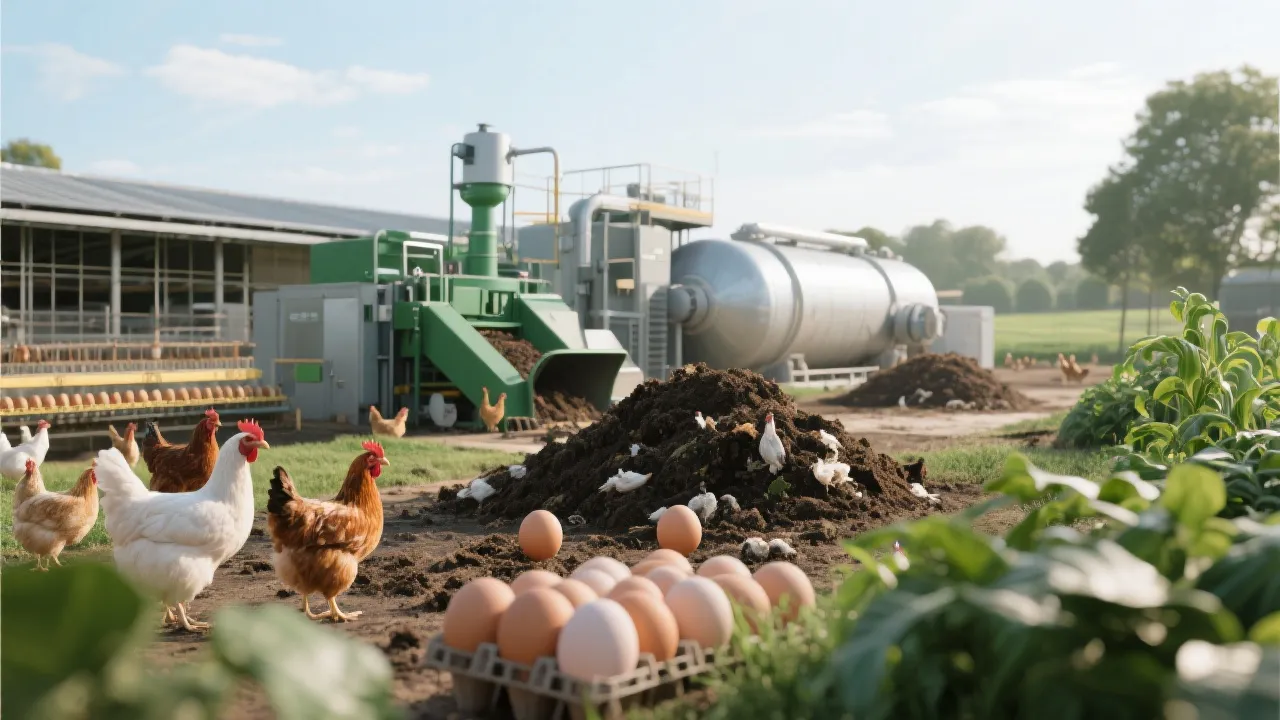
Beyond compliance, smart farmers are turning manure into revenue. With proper drying and processing, poultry litter can be converted into organic fertilizer with NPK values of 4-3-2—a premium product for vegetable growers and orchardists. In some regions, this has created new income streams of $50–$80 per ton, depending on market demand.
This circular approach not only reduces environmental impact but aligns with global ESG goals, making your farm more attractive to investors and buyers who prioritize sustainability.
Have you implemented automated manure systems? Share your experience in the comments below—we’re collecting real-world insights to help others make smarter decisions.


Hot Products

.jpg?x-oss-process=image/resize,m_fill,h_800,w_800/format,webp)


Popular articles



READY TO START?
Ready to Build Your Poultry Farm?
Tell us your land size, poultry type and farming capacity. LIVI will provide a complete farm solution for your project.