


How Scraper-Based Manure Removal Systems Drive Energy Efficiency and Sustainability in Large-Scale Layer Farms
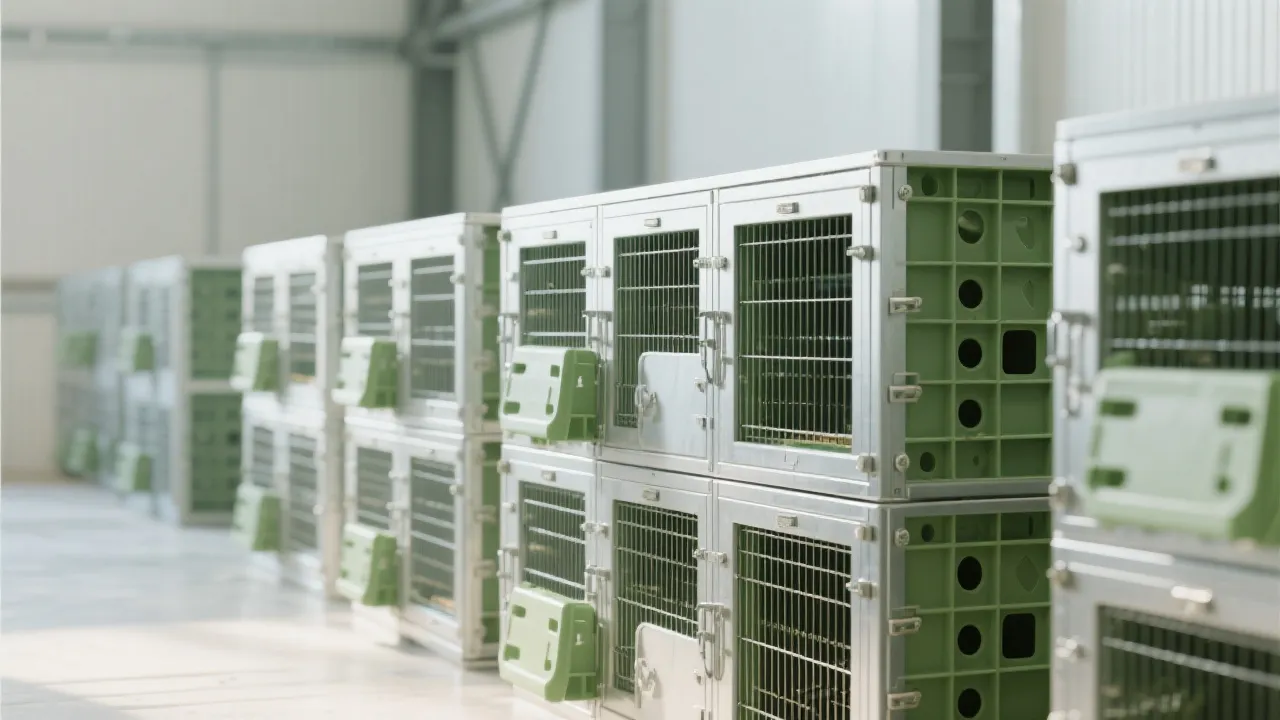
How Scraper-Based Manure Removal Systems Drive Energy Efficiency in Large-Scale Layer Farms
As global demand for sustainable poultry production rises, modern egg farms are turning to automation—not just for productivity gains, but to meet strict environmental standards and reduce operational costs. Among the most effective innovations is the scraper-based manure removal system, which has proven its value in reducing ammonia emissions, cutting labor needs, and improving overall farm hygiene.
The Challenge: Manual Cleaning Isn’t Sustainable at Scale
In large-scale layer operations—especially those with over 50,000 hens—traditional cleaning methods often lead to inefficiencies:
- Up to 40% of daily labor hours spent on manual manure removal
- Ammonia levels exceeding 25 ppm in poorly ventilated sheds (linked to respiratory issues in birds)
- High risk of inconsistent sanitation leading to disease outbreaks
Why Scrapers Work: A Technical Edge
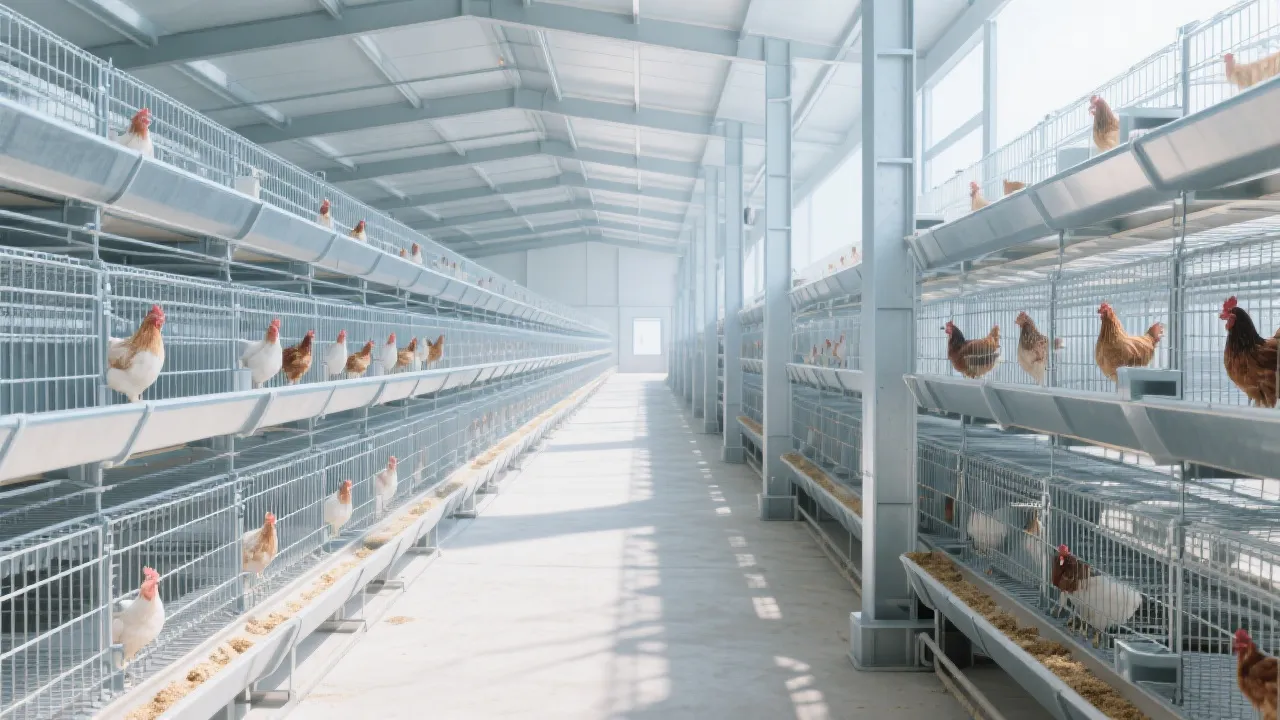
Unlike belt or conveyor systems that require frequent maintenance, scraper-based systems use a continuous chain-driven mechanism to move manure from beneath H-shaped chicken cages directly into collection bins. This design offers several advantages:
| Feature | Benefit |
|---|---|
| No死角 Cleaning | Eliminates manure buildup under cages, improving biosecurity |
| Energy Efficiency | Uses only 0.5–1.0 kW per hour vs. 3–5 kW for traditional systems |
| Reduced Ammonia Emissions | Lowers NH₃ by up to 50%, helping comply with EU/US EPA regulations |
“We installed a scraper system in our 70,000-hen facility last year. Within six months, we saw a 32% drop in labor costs and ammonia levels dropped below 15 ppm—well within safe limits.” — Dr. Ahmed Khalifa, Farm Manager, Egypt
From Waste to Resource: The Circular Economy Angle
Modern scraper systems don’t just remove waste—they make it easier to collect and process manure for composting or biogas production. According to FAO data, properly managed poultry manure can generate up to 300 kWh of energy per ton when converted via anaerobic digestion.
This aligns perfectly with ISO 14001 certification goals, enabling farms to demonstrate compliance while enhancing their brand image among eco-conscious buyers and retailers.
For export-oriented producers targeting EU or Middle Eastern markets, this shift from waste management to resource recovery is no longer optional—it’s a competitive advantage.




Hot Products

.jpg?x-oss-process=image/resize,m_fill,h_800,w_800/format,webp)


Popular articles



READY TO START?
Ready to Build Your Poultry Farm?
Tell us your land size, poultry type and farming capacity. LIVI will provide a complete farm solution for your project.