


How Nigerian Poultry Farms Achieved Production Boost with High-Efficiency layer battery cages
In the fiercely competitive poultry industry, Nigerian egg producers have long grappled with common hurdles such as inefficient space utilization, fluctuating egg production rates, and rising labor costs. These challenges not only compromise profitability but also limit scalability. Recognizing these pain points, one prominent Nigerian poultry farm recently transitioned to the advanced A-type layer battery cage system, engineered to optimize both capacity and productivity.
Addressing Core Challenges in Nigerian Poultry Operations
The traditional poultry cages commonly used in Nigerian farms often suffer from rapid wear and tear due to environmental stressors such as humidity and frequent cleaning. Additionally, poor ventilation and cramped space lead to suboptimal egg-laying performance, with many farms reporting egg production rates fluctuating between 60% to 75%. Manual feeding and cleaning regimes further exacerbate labor inefficiencies and operational inconsistencies.
Key Advantages of the A-Type layer battery cages
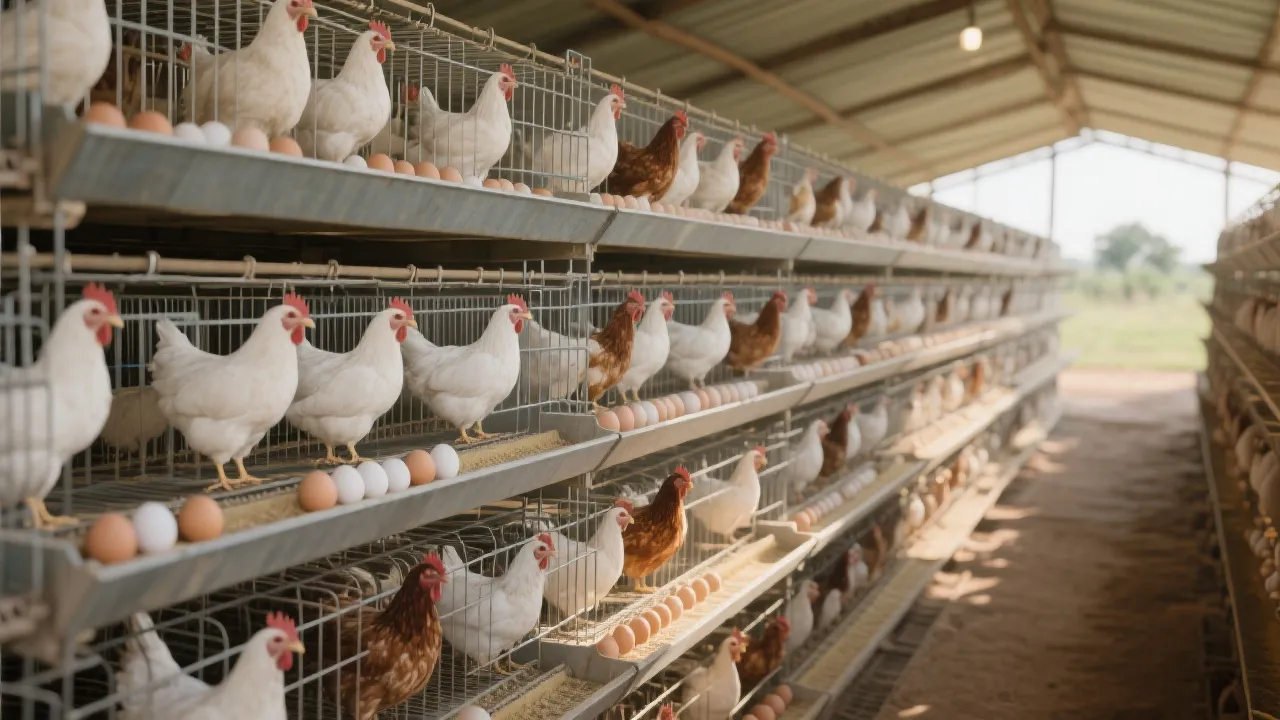
The A-type layer battery cages present a multifaceted upgrade that addresses these pain points head-on:
- Premium Hot-Dip Galvanized Steel Material: Ensures exceptional corrosion resistance and durability, extending equipment lifespan beyond 10 years, significantly outperforming conventional coated cages.
- Multi-Layer and Customizable Configurations: Maximizes vertical space utilization, enabling farms to increase bird capacity per square meter by approximately 40%, while allowing custom cage dimensions to fit variable farm layouts.
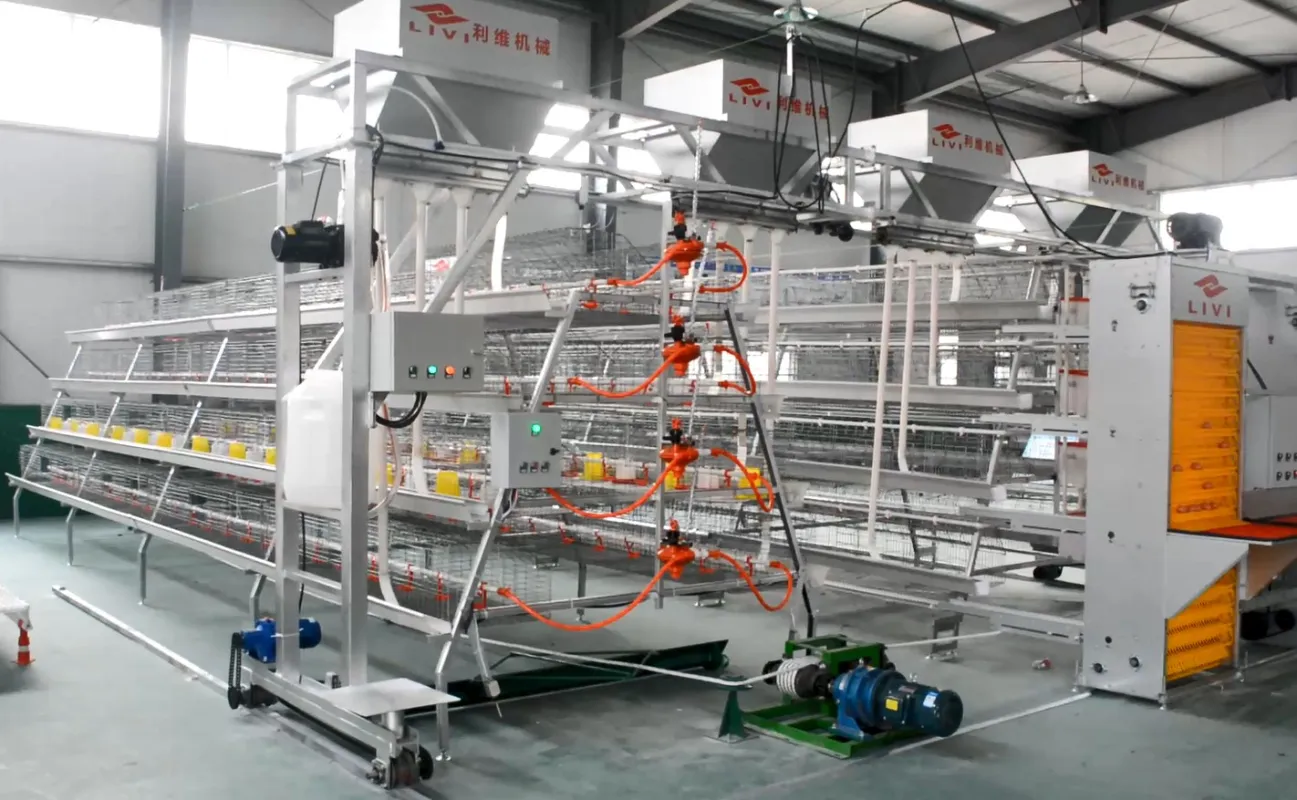
- Automated Feeding & Drinking Systems: Integrated systems reduce manual labor by up to 50%, ensuring consistent feed and water availability, which is critical for uniform egg production.
- Advanced Waste Management and Cleaning: Automatic manure belts and drainage optimize hygiene, decreasing disease incidence by an estimated 20%.
Automation’s Impact on Labor and Productivity
The shift to automation through the A-type cages produced tangible operational efficiencies:
| Metric | Before Implementation | After Implementation |
|---|---|---|
| Egg Production Rate | 68% | Over 90% |
| Labor Hours per 1,000 Birds / Week | 36 hours | 18 hours |
| Incidence of Avian Diseases | 12% | ~9.5% |
Real-World Results: A Success Story from Nigeria
One Nigerian poultry client shared their experience: “After upgrading to the A-type layer battery cages, we observed a consistent increase in egg production rates, which peaked at 92% during high-demand periods. The automated feeding system freed up manpower resources, allowing us to focus more on farm management and expansion. Maintenance costs have also dropped, thanks to the robust hot-galvanized structure.” Their testimony underscores the practical, economic benefits realized beyond theoretical claims.
Comprehensive Benefits and Industry Implications
The integrated characteristics of the A-type cages contribute to a superior production ecosystem by:
- Enhanced Profit Margins: By elevating egg output and reducing labor costs, farms position themselves for scalable growth.
- Improved Animal Welfare: Ensuring adequate space and ventilation reduces stress, positively influencing egg quality.
- Sustainability: Longer-lasting materials and automated waste management reduce both environmental impact and operational disruptions.
For Nigerian poultry farmers aiming to upgrade operations, the transition to advanced layer battery cages represents not just technological modernization but a strategic leap to remain competitive in a demanding marketplace.
Interested in discovering how our high-efficiency A-type layer battery cages can elevate your poultry farm’s productivity? Get exclusive access to proven Nigerian poultry success cases here and start transforming your egg production today.



Hot Products

.jpg?x-oss-process=image/resize,m_fill,h_800,w_800/format,webp)


Popular articles



READY TO START?
Ready to Build Your Poultry Farm?
Tell us your land size, poultry type and farming capacity. LIVI will provide a complete farm solution for your project.