


How H-Frame Layered Chicken Cages Boost Space Efficiency by 30-50%: A Practical Guide for Modern Poultry Farms

H-Type Layered Chicken Cage System: A Practical Guide to Boosting Space Efficiency in Poultry Farming
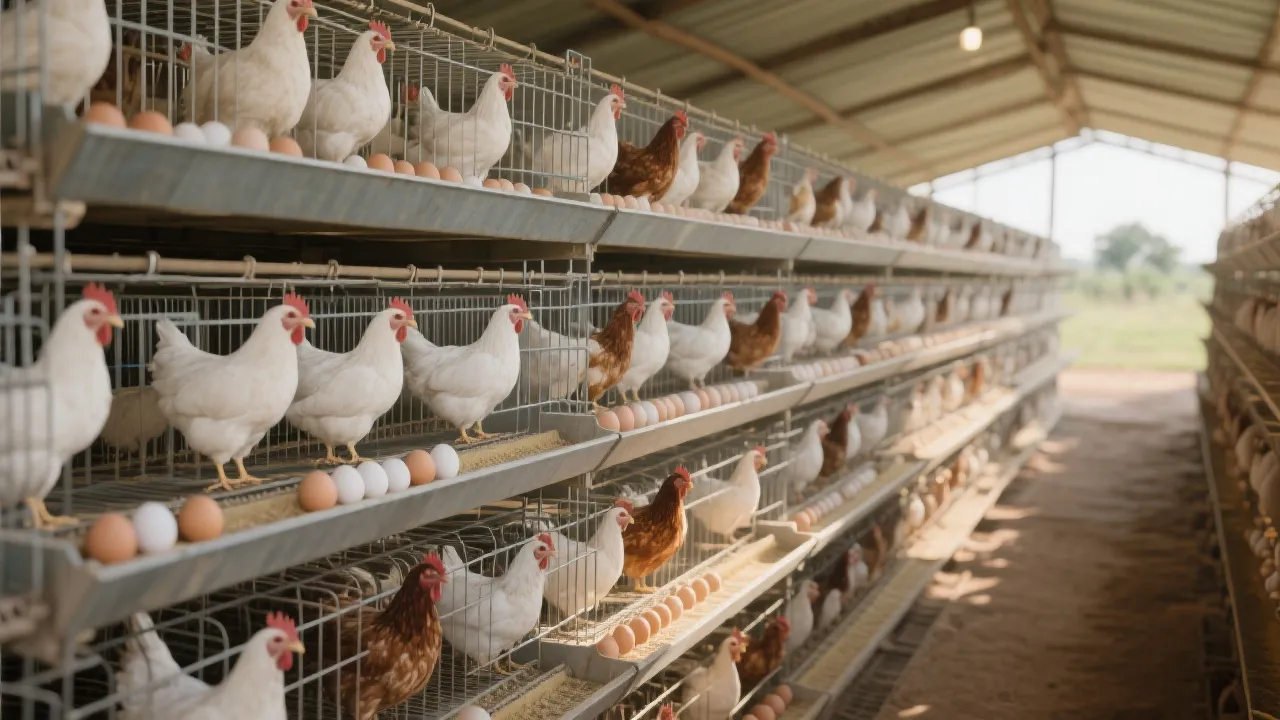
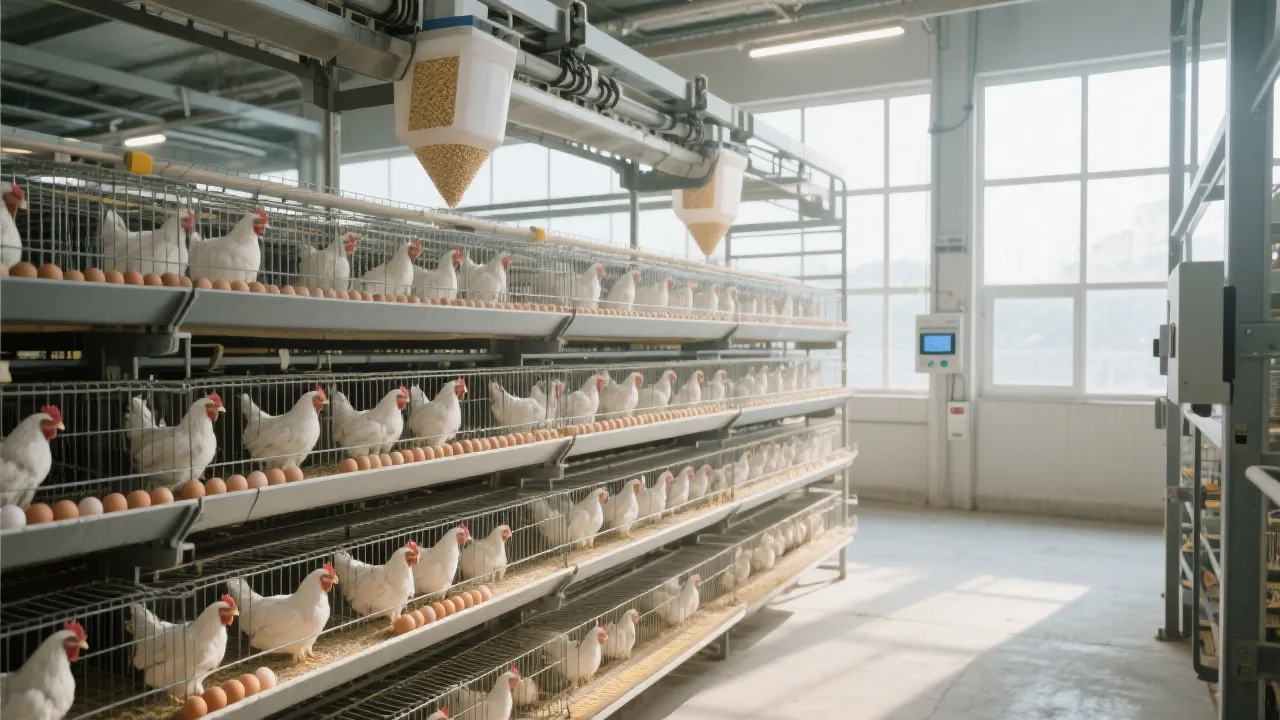
In the global poultry industry, space efficiency is no longer optional—it's a competitive necessity. For egg producers, especially those managing medium- to large-scale operations, adopting an H-type layered chicken cage system can increase usable floor area by up to 40% compared to traditional single-tier setups.
Why H-Type Design Works: Structural Innovation Meets Real-World Needs
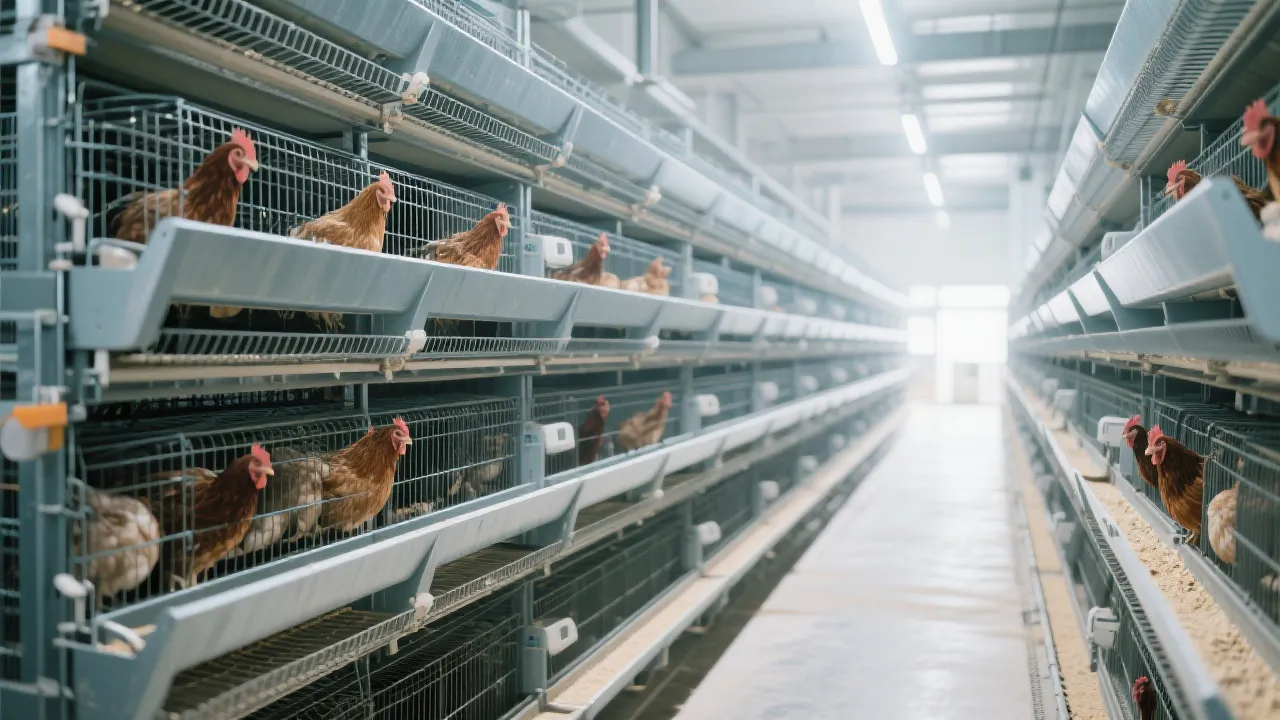
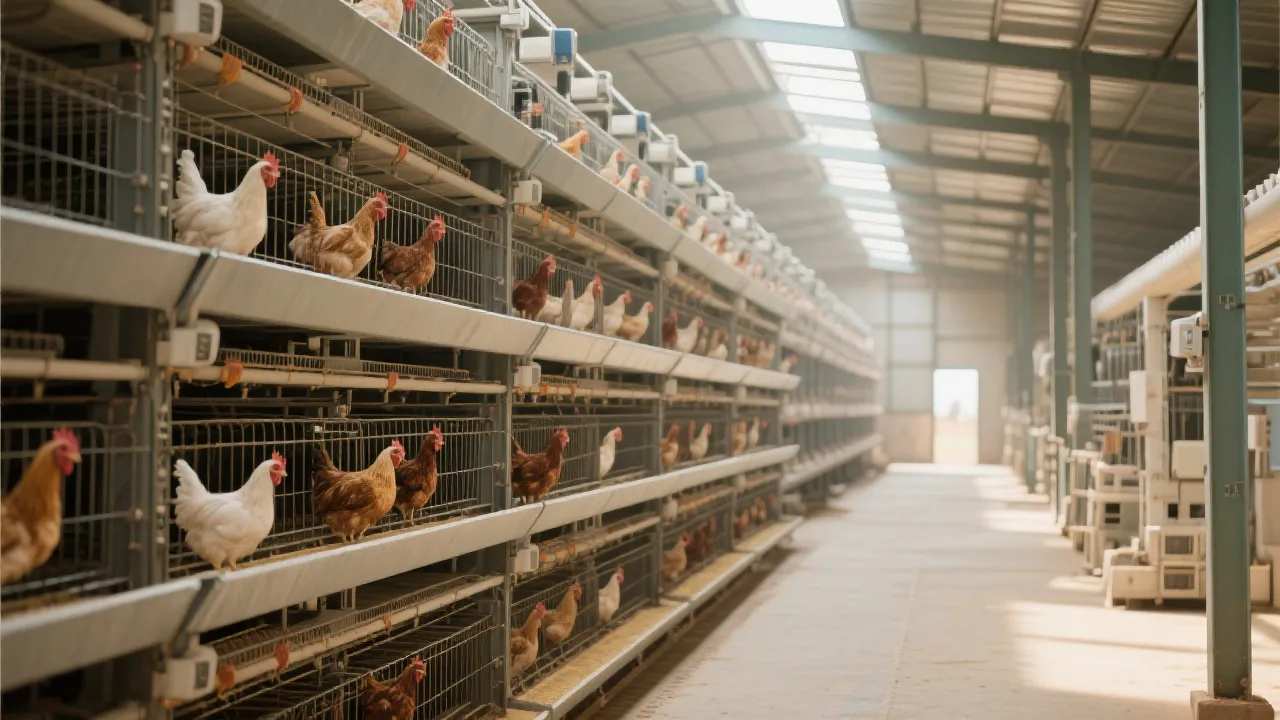
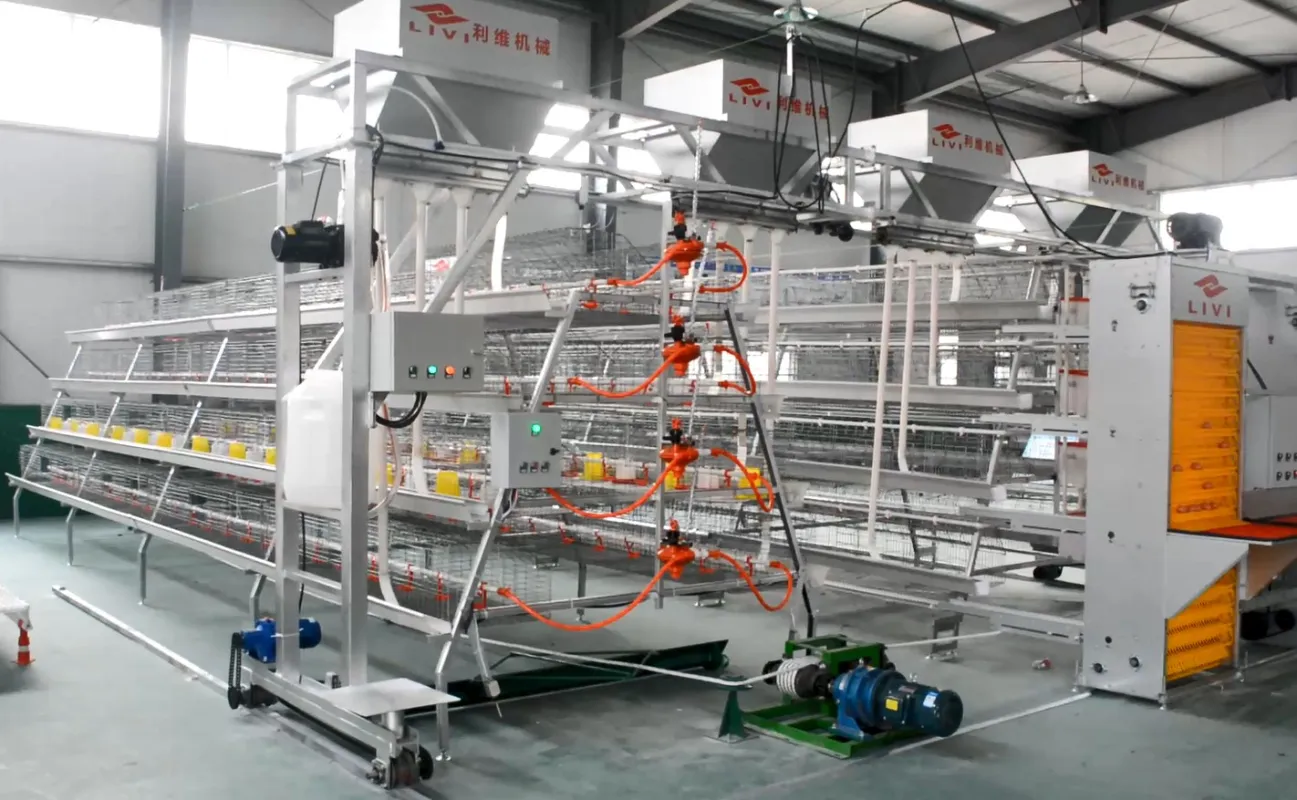
The key lies in its vertical double-layer structure with optimized walkways. Unlike conventional cages that stack vertically without airflow consideration, H-type systems use a "U-shaped" frame design that allows for better air circulation between layers while minimizing human movement interference. This layout ensures every square meter of your barn is utilized effectively—letting each square meter work harder.
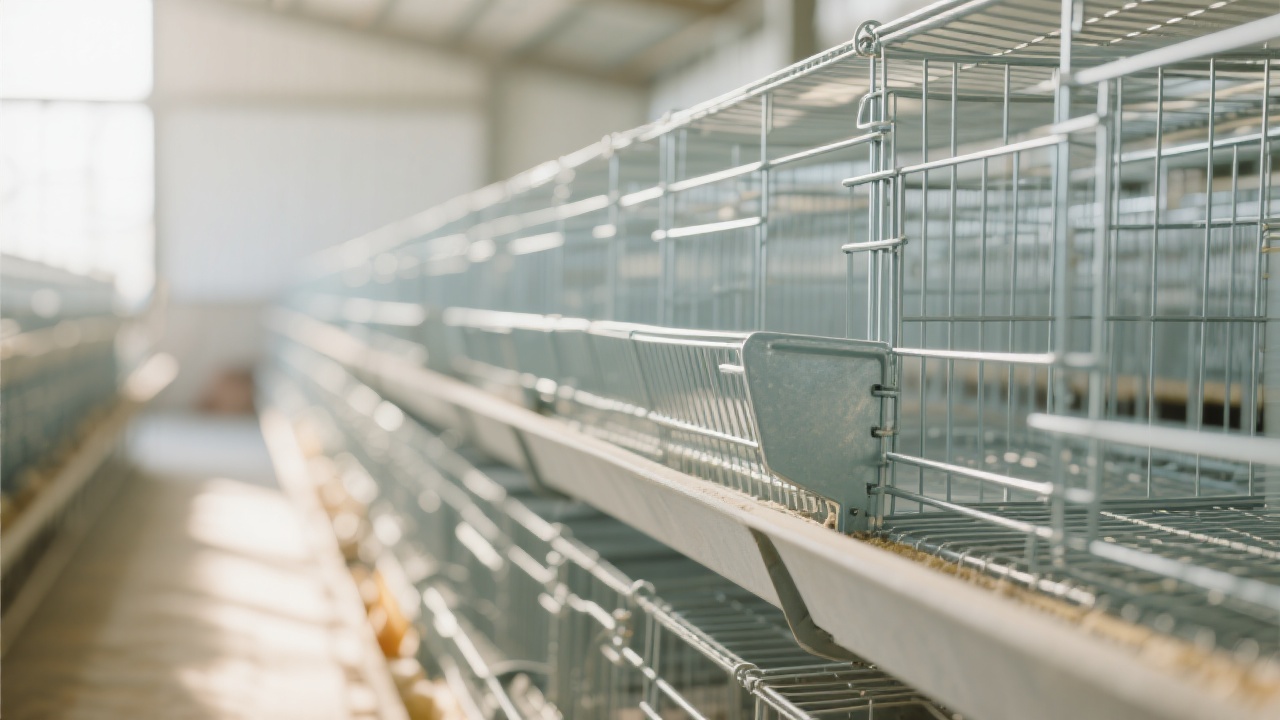
Engineering Insights: How Layer Spacing Impacts Airflow, Light, and Health
According to Dr. Lena Müller, Senior Poultry Engineer at Wageningen University (Netherlands), optimal spacing between tiers should be 45–50 cm. Below this range, airflow stagnation increases disease risk; above it, light penetration drops significantly. In real-world trials across 12 farms in Brazil and Thailand, H-type cages maintained consistent light distribution across all levels—even during peak sunlight hours—leading to a 7% rise in daily egg production versus standard flat-row systems.
| Farm Size | Before H-Type | After H-Type | Change (%) |
|---|---|---|---|
| 5,000 birds | ~2,200 birds/m² | ~3,000 birds/m² | +36% |
| 30,000 birds | ~2,500 birds/m² | ~3,500 birds/m² | +40% |
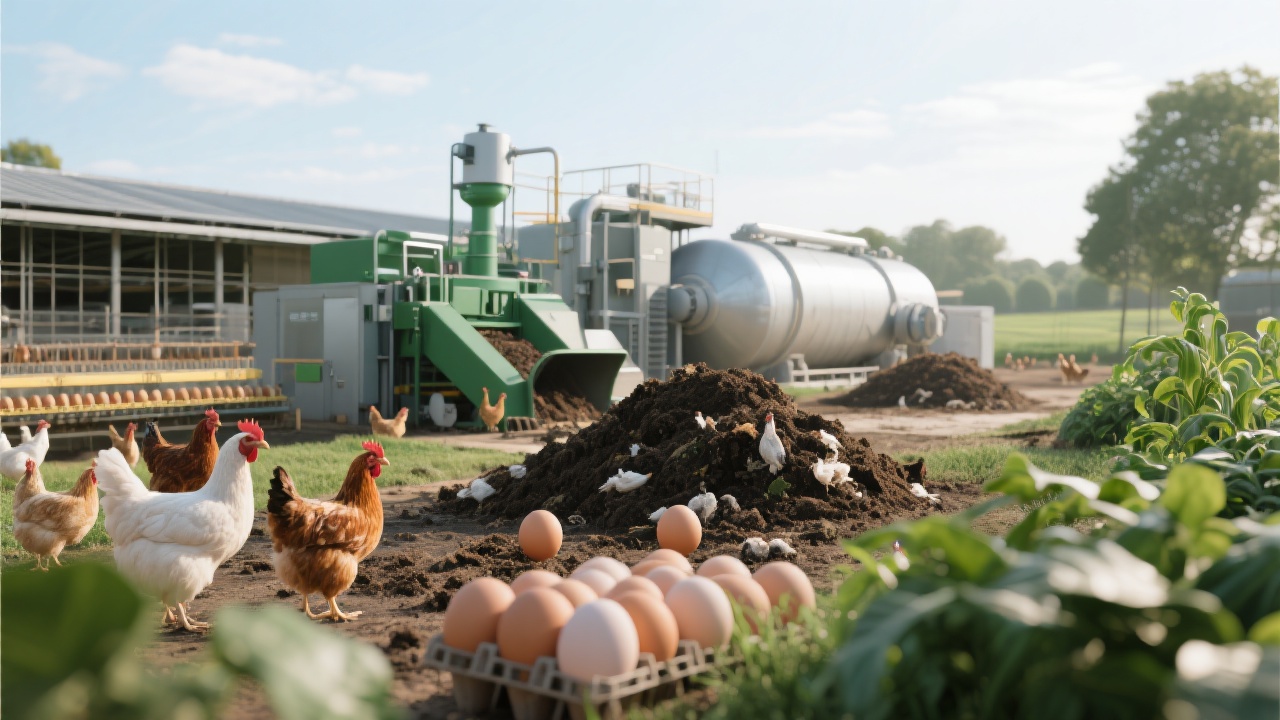
From Theory to Practice: Case Study Results from Asia & Latin America
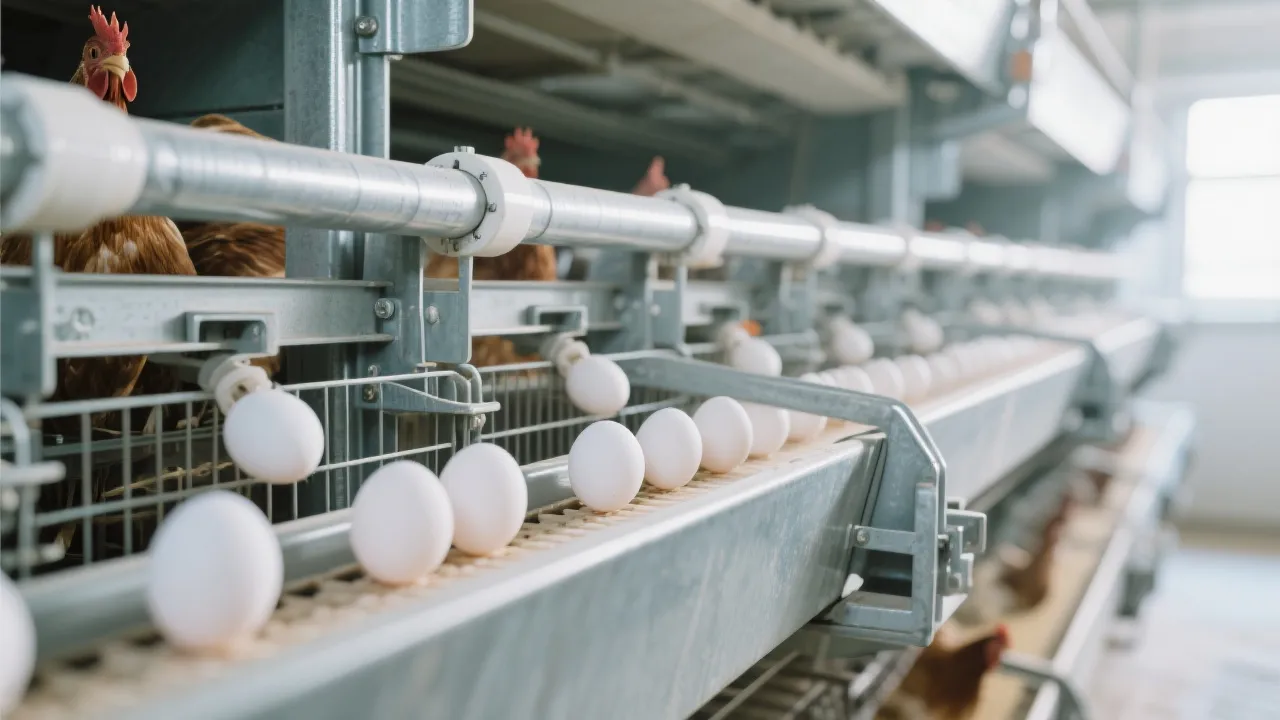
A Thai farm with 12,000 laying hens saw a 22% reduction in labor costs after switching to H-type cages due to easier access and reduced manual handling. Meanwhile, a Brazilian operation increased average daily egg output from 1.7 eggs per bird to 1.83—a gain directly linked to improved environmental control and reduced stress levels among flock members.
Pro Tip: When installing, always ensure proper ventilation channels are aligned with natural wind direction. In humid climates like Vietnam or Indonesia, this simple step reduces respiratory issues by up to 15%.
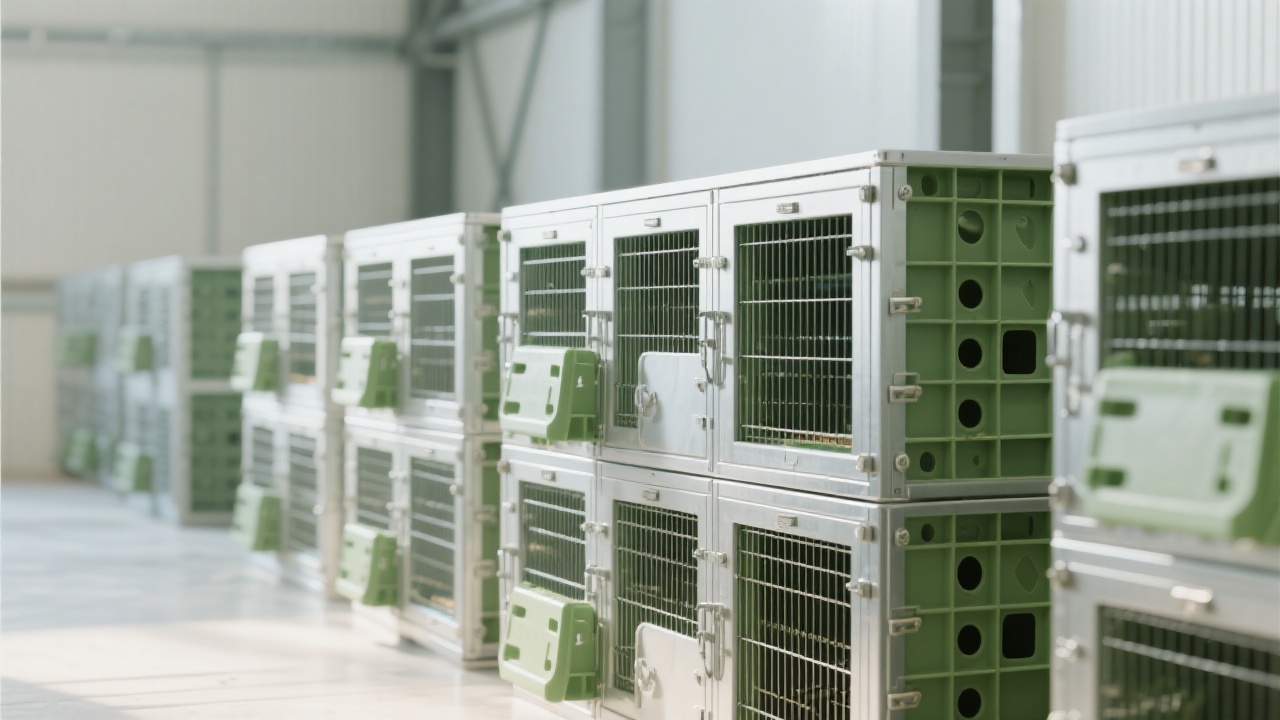
Ready to Maximize Your Barn’s Potential?
If you're still using outdated cage systems, now is the time to evaluate how much space—and profit—you’re leaving on the table. Whether you manage 5,000 or 50,000 hens, the H-type layered system offers scalable benefits without sacrificing animal welfare or productivity.


Hot Products

.jpg?x-oss-process=image/resize,m_fill,h_800,w_800/format,webp)


Popular articles



READY TO START?
Ready to Build Your Poultry Farm?
Tell us your land size, poultry type and farming capacity. LIVI will provide a complete farm solution for your project.