


Automated Manure Removal Systems in Egg Production | Ammonia Reduction & Disease Prevention
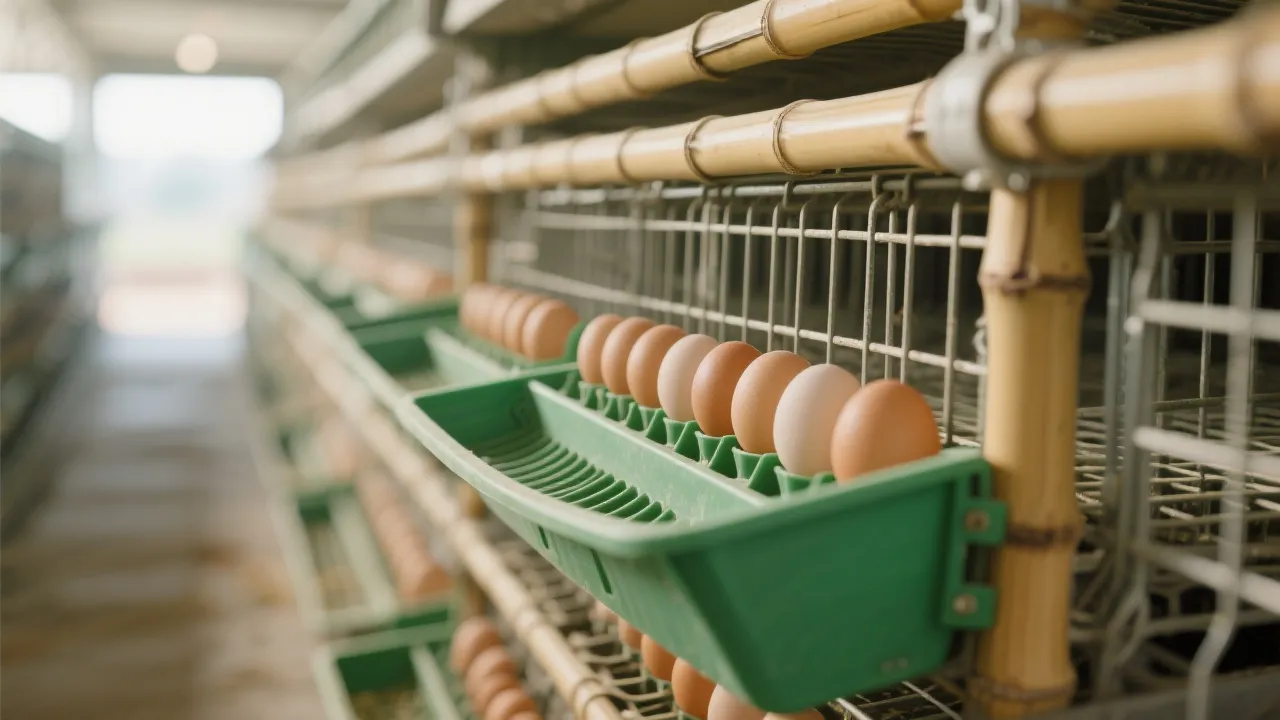
How Automated Manure Removal Systems Are Solving Ammonia Buildup in Layer Chicken Farms
For large-scale egg producers, managing manure isn’t just a daily chore—it’s a critical factor in animal health, environmental compliance, and long-term profitability. In many farms across Europe, North America, and Southeast Asia, ammonia levels regularly exceed safe thresholds (above 25 ppm), leading to respiratory issues in birds and increased disease transmission risk.
The Real Cost of Manual Cleaning
A study by the University of Wageningen found that farms relying on manual scraping saw an average ammonia concentration of 42 ppm—nearly 70% higher than automated systems. This not only impacts bird welfare but also leads to reduced egg production (by up to 8%) and higher veterinary costs due to respiratory infections like Infectious Bronchitis.
| Cleaning Method | Avg. Ammonia Level (ppm) | Labor Hours/Day | Disease Incidence Rate |
|---|---|---|---|
| Manual Scraping | 42 | 6–8 | High (15–20%) |
| Automated Scraper System | 12–15 | 1–2 | Low (3–5%) |
Why Two Technologies Stand Out
Two types dominate the market today: scraper-based and screw conveyor systems. While both reduce labor and improve hygiene, their ideal use depends on farm size and layout:
- Scraper Systems: Best for medium-to-large farms with uniform cage spacing (like H-type layer cages). They offer consistent removal every 2–4 hours, keeping litter dry and minimizing microbial growth.
- Screw Conveyor Systems: Ideal for high-density operations where space is limited. These systems can operate continuously at low energy consumption (~0.5 kW per unit) and are especially effective in preventing fecal buildup under nests.
“We switched from manual cleaning to a scraper system last year. Our ammonia dropped from 40 ppm to 14 ppm within three months—and our vet visits fell by 60%.” — Maria Lopez, Owner, El Paraíso Poultry Farm, Spain
H-Type Cage Design + Automation = Zero Dead Zones
The real breakthrough comes when automation meets smart design. H-type layer cages allow full access to all sides—including the underside—making it possible for automated scrapers to remove waste without leaving any residue. A pilot project in Thailand showed a 92% reduction in fecal accumulation compared to traditional cage designs.
When combined with ISO 14001-certified practices, this setup supports not only regulatory compliance but also opens doors to premium markets demanding sustainable sourcing.
Turning Waste Into Value
Farm owners often overlook one key benefit: manure becomes a resource. With proper drying and processing, it can be turned into organic fertilizer—earning extra income while reducing disposal fees. One Dutch farm reported generating €3,500/month from selling composted manure to local horticulture businesses.
If you're still dealing with wet litter, odor complaints, or rising disease rates, now is the time to explore what modern automation can do for your operation.
Ready to upgrade your poultry management?
Explore Efficient Manure Solutions Today



Hot Products

.jpg?x-oss-process=image/resize,m_fill,h_800,w_800/format,webp)


Popular articles


READY TO START?
Ready to Build Your Poultry Farm?
Tell us your land size, poultry type and farming capacity. LIVI will provide a complete farm solution for your project.