


Automated Manure Removal Systems for ISO 14001 Compliance in Layer Chicken Farms | Livvi Machinery

How Automated Manure Removal Systems Help Egg Farms Meet Global Green Standards
As global food safety and environmental regulations tighten, egg producers worldwide are under increasing pressure to adopt sustainable practices. The European Union’s REACH Regulation and the U.S. EPA’s Animal Waste Management Guidelines now require farms to minimize ammonia emissions and manage waste responsibly — not just for compliance, but for market access.
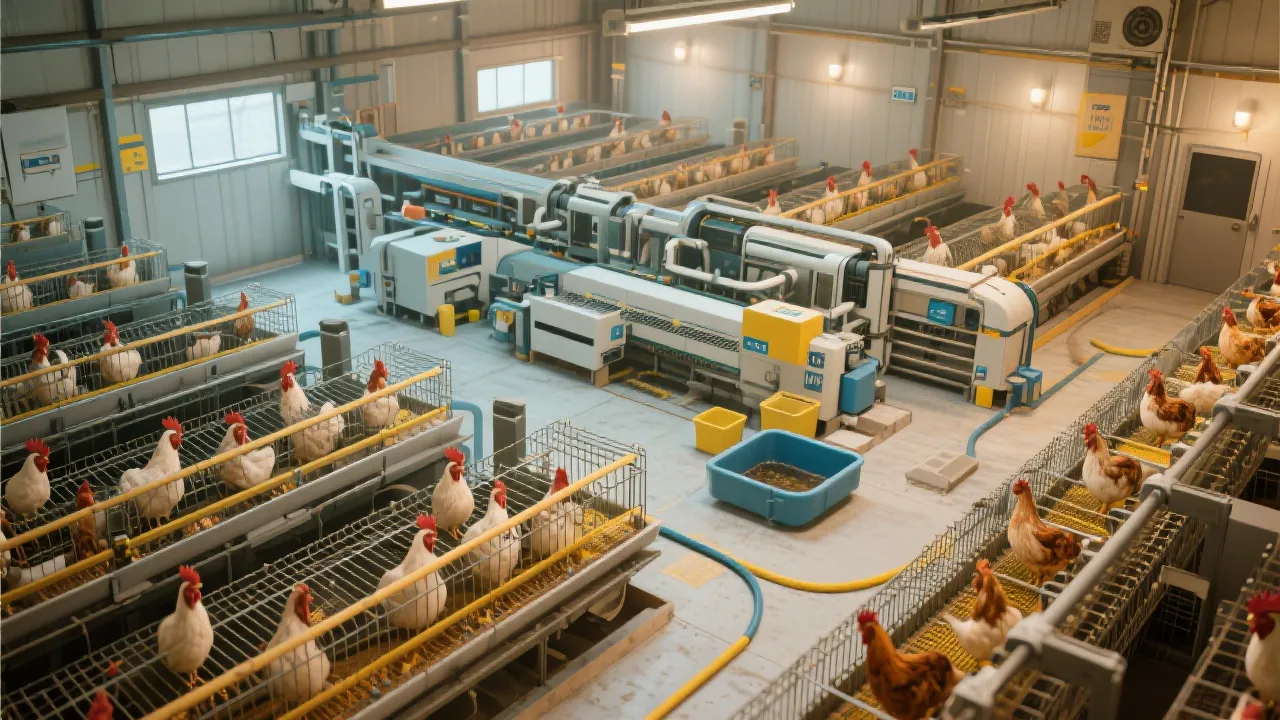
Enter the automated manure removal system integrated into Zhengzhou Livi Machinery’s high-efficiency H-type layer cages. This isn’t just a convenience feature — it's a strategic tool that directly supports ISO 14001 certification and positions your farm as a leader in green poultry production.
The Science Behind Clean, Compliant Operations
Modern automatic manure systems work through three key stages:
- Centralized Collection: Manure is continuously removed from beneath the cage floor using conveyor belts or scraper mechanisms (typically reducing manual labor by 70–80%).
- Dry-Wet Separation: Wet manure goes to anaerobic digesters; dry material becomes compost-ready, with up to 60% volume reduction possible.
- Pathogen Control: Thermal treatment or bio-oxidation ensures safe disposal — meeting WHO standards for agricultural waste handling.
A study by the University of Wageningen found that farms implementing such systems saw an average ammonia concentration drop from 25 ppm to under 10 ppm — a critical factor in both animal welfare and air quality compliance.
Ventilation Meets Performance: A Win-Win for Chickens and Producers
High ammonia levels cause respiratory stress in hens, leading to reduced feed intake and lower egg production — often by up to 5–8% per year. By integrating smart ventilation with temperature control, these systems maintain optimal conditions (18–22°C, humidity 55–65%) which boosts daily egg output by up to 4.2% according to data from commercial farms in Germany and the Netherlands.
“ISO 14001 isn't just about paperwork — it's about building a process where every step, from manure management to climate control, aligns with measurable environmental performance.”
— International Organization for Standardization (ISO 14001:2015, Clause 8.1)
For exporters targeting EU, Middle East, or North American markets, this structured approach means fewer audits, faster approvals, and stronger buyer confidence — especially when you can show real-time data logs from your system’s IoT-enabled sensors.
| Metric | Before System | After Implementation |
|---|---|---|
| Ammonia Levels (ppm) | 25–35 | ≤10 |
| Manure Handling Labor Cost | $15/day per worker | $4/day per worker |
| Egg Production Rate Increase | Baseline | +4.2% |
With growing demand for traceable, eco-friendly eggs — particularly from retailers like Aldi, Carrefour, and Lidl — being able to prove green credentials isn’t optional anymore. It’s your competitive edge.
If you're ready to move beyond basic compliance and build a future-proof operation, now is the time to invest in intelligent infrastructure that scales with your business.



Hot Products

.jpg?x-oss-process=image/resize,m_fill,h_800,w_800/format,webp)


Popular articles



READY TO START?
Ready to Build Your Poultry Farm?
Tell us your land size, poultry type and farming capacity. LIVI will provide a complete farm solution for your project.