


Automated Manure Removal in Poultry Farms | 30% Labor Savings Case Study | Smart Egg Production

Real Results from Automation: How One Large-Scale Chicken Farm Cut Labor Costs by 30%
As egg production scales up, so do the hidden costs of manual labor—especially in waste management. For many large poultry farms, cleaning cages and collecting eggs remains a time-consuming, physically demanding task that affects both efficiency and bird welfare.
In a recent case study conducted at a 50,000-hen facility in Henan Province, China, implementing an automated egg collection and manure removal system led to measurable improvements:
- 30% reduction in daily labor hours for cleaning and egg handling
- 5% increase in average daily egg yield within three months post-installation
- 20% lower incidence of respiratory diseases due to improved ventilation and reduced ammonia levels
Why Manual Cleaning Falls Short at Scale
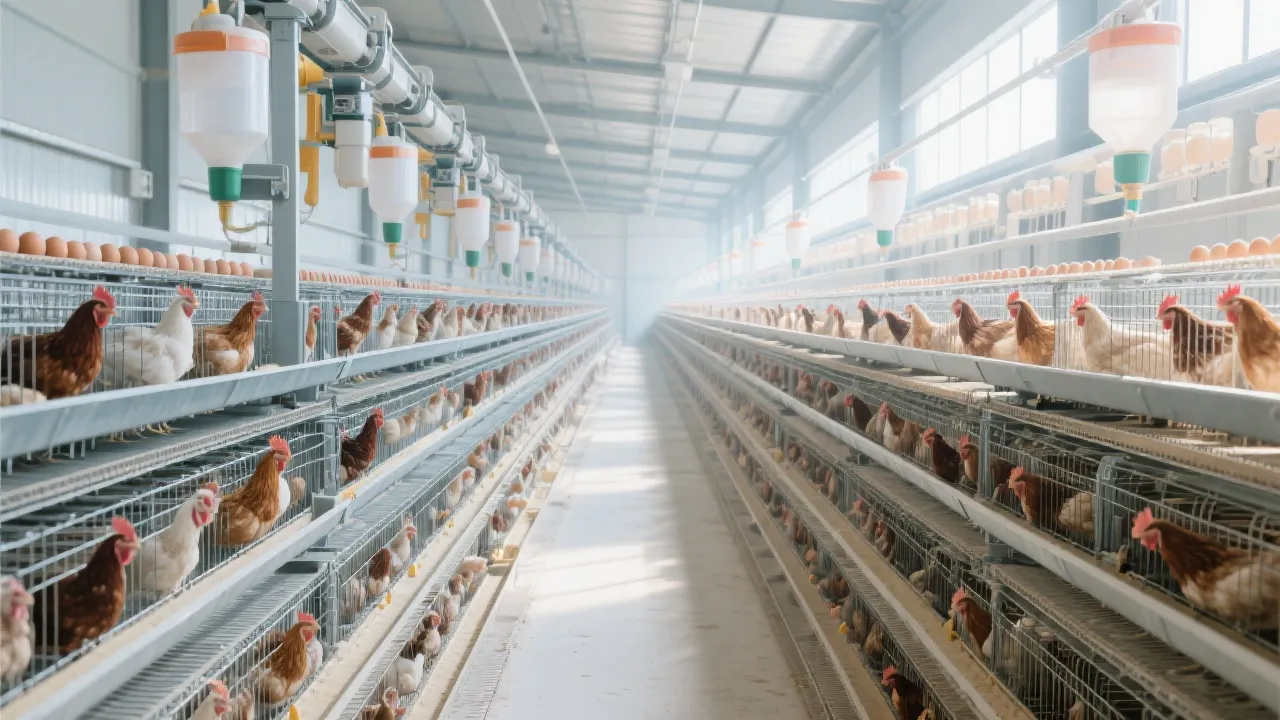
Traditional methods rely heavily on human workers performing repetitive tasks in poorly ventilated spaces. According to industry surveys, over 60% of medium-to-large chicken farms report that labor costs account for more than 25% of total operational expenses—not including turnover, training, or health risks.
“Before automation, we had to clean every cage manually twice a day. Workers were exhausted, birds stressed, and our output plateaued.” — Zhang Wei, Operations Manager, Henan Poultry Co.
The Role of H-Type Cage Design in Efficiency Gains
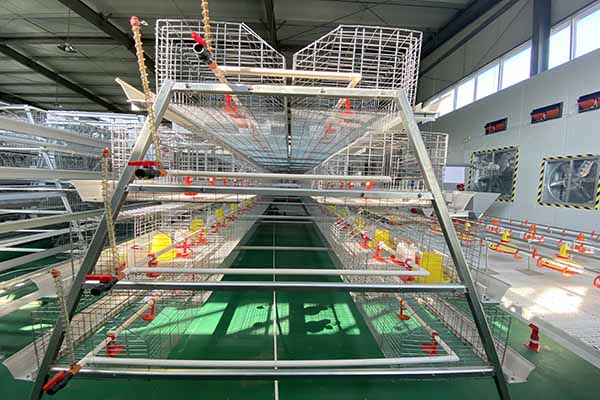
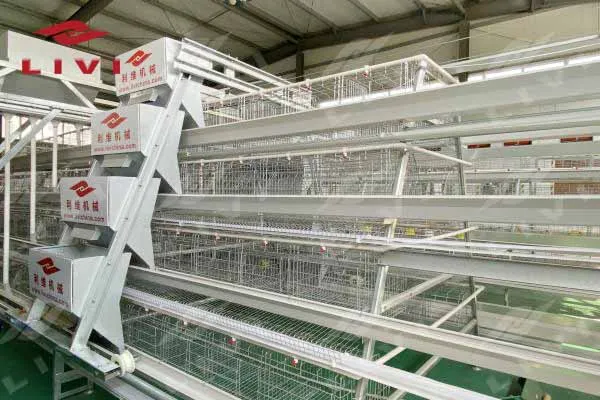
What made the difference wasn’t just automation—it was how it integrated with existing infrastructure. The farm adopted郑州利维机械 (Zhengzhou Livie Machinery) H-type layer cages, which offer:
| Feature | Benefit |
|---|---|
| Dual-layer nesting space | Reduces floor area usage by 15% |
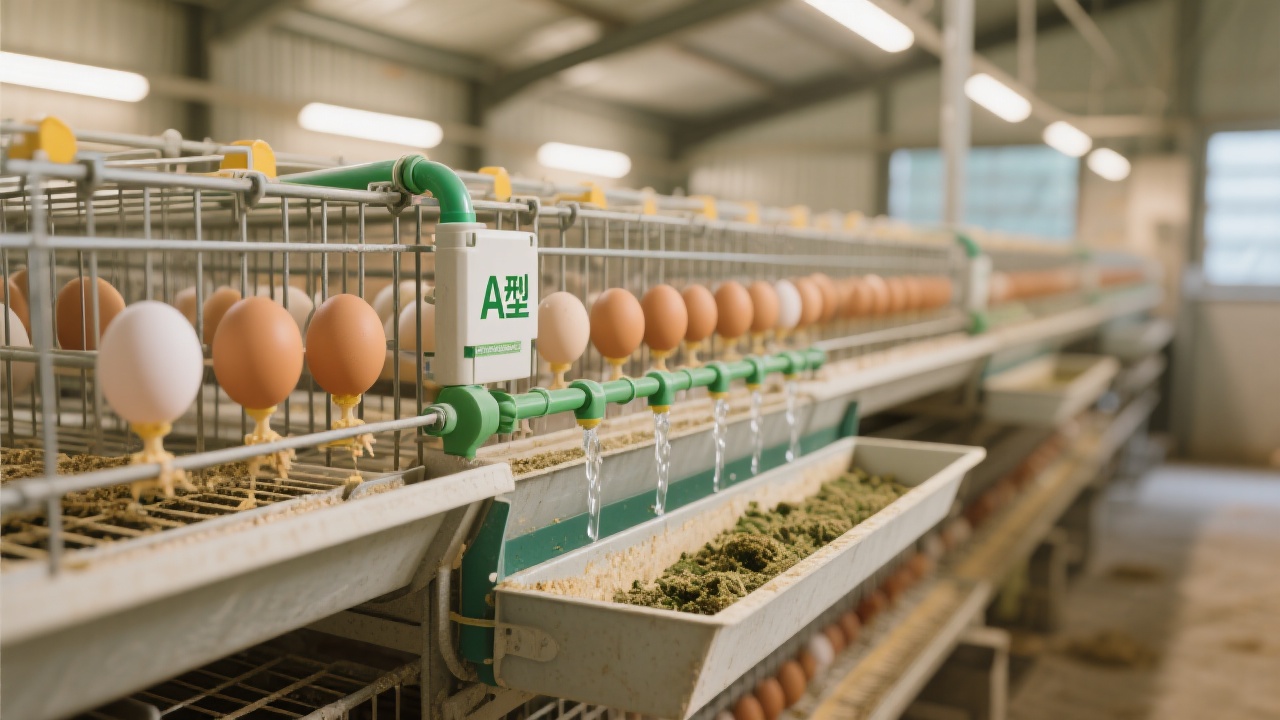
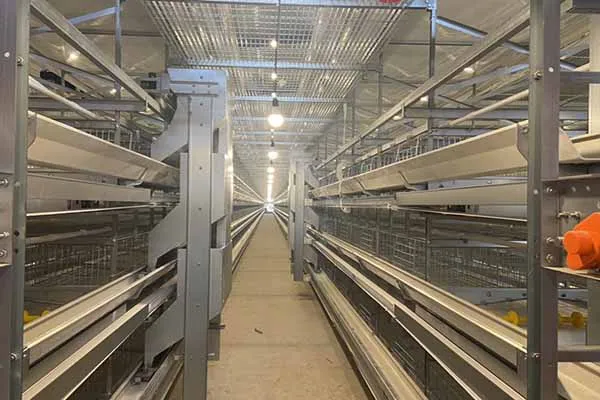
| Open-frame design | Improves airflow and reduces ammonia buildup |
| Integrated conveyor belt access | Enables seamless integration with automated cleaning systems |
This structural optimization allowed the farm to reduce physical labor while improving animal comfort—a win-win for productivity and compliance with modern farm standards.
Implementation Tips That Worked
Based on this real-world experience, here are actionable steps for other farms considering automation:
- Start with a pilot zone (e.g., 10–20% of total cages) to test workflow integration.
- Choose modular equipment that can scale as your operation grows.
- Train staff on maintenance basics—minimal downtime means faster ROI.
- Monitor key metrics monthly: labor hours, egg quality, disease rate.
These strategies helped the Henan farm achieve a full return on investment within 14 months—not through flashy tech, but through smart, data-driven upgrades.
If you're evaluating automation for your own flock, don't guess—see what works in practice. Click below to download a free checklist tailored to your farm size and current setup.


Hot Products

.jpg?x-oss-process=image/resize,m_fill,h_800,w_800/format,webp)


Popular articles




READY TO START?
Ready to Build Your Poultry Farm?
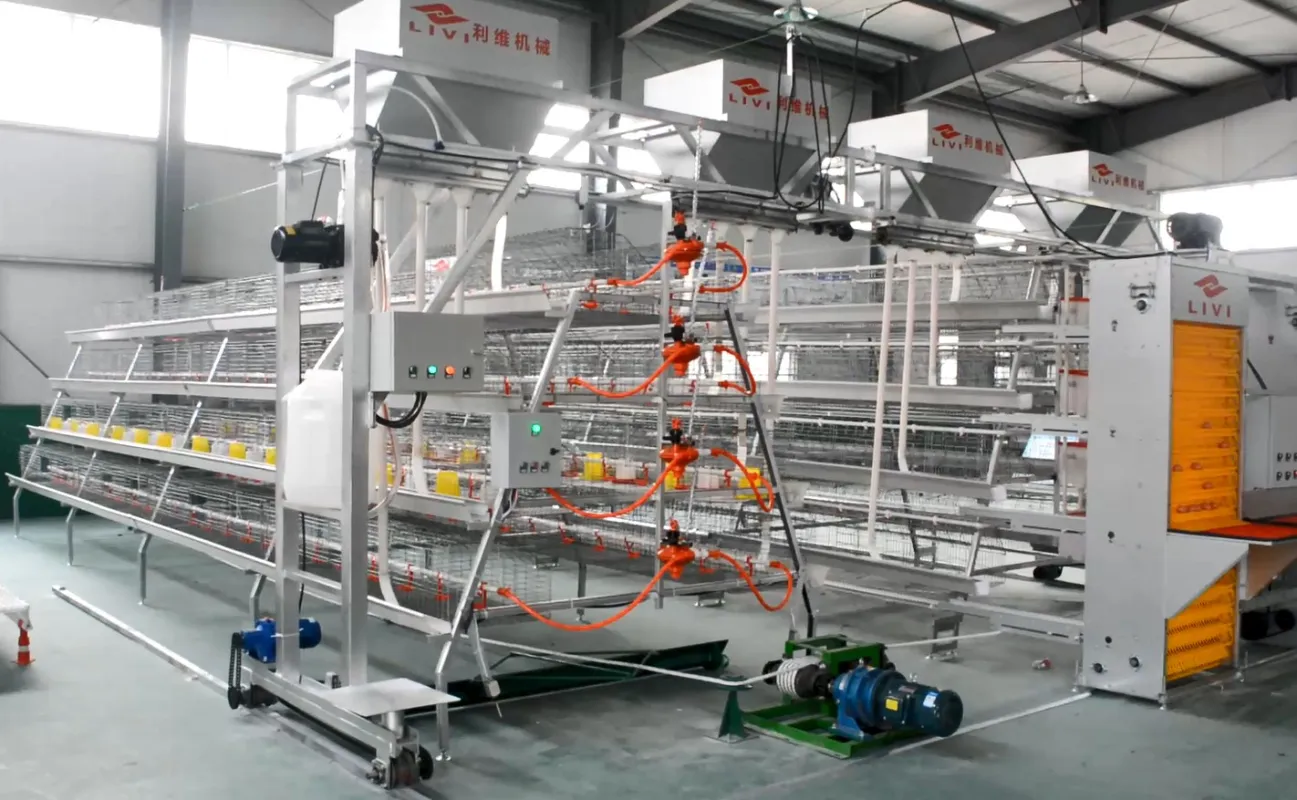
Tell us your land size, poultry type and farming capacity. LIVI will provide a complete farm solution for your project.