


How Automated Egg Collection Systems Boost Poultry Farm Efficiency: A Deep Dive into Drum and Conveyor Belt Designs
How Automated Egg Collection Systems Boost Poultry Farm Efficiency
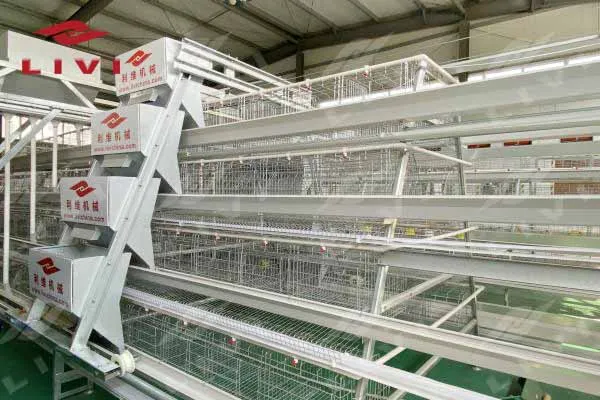
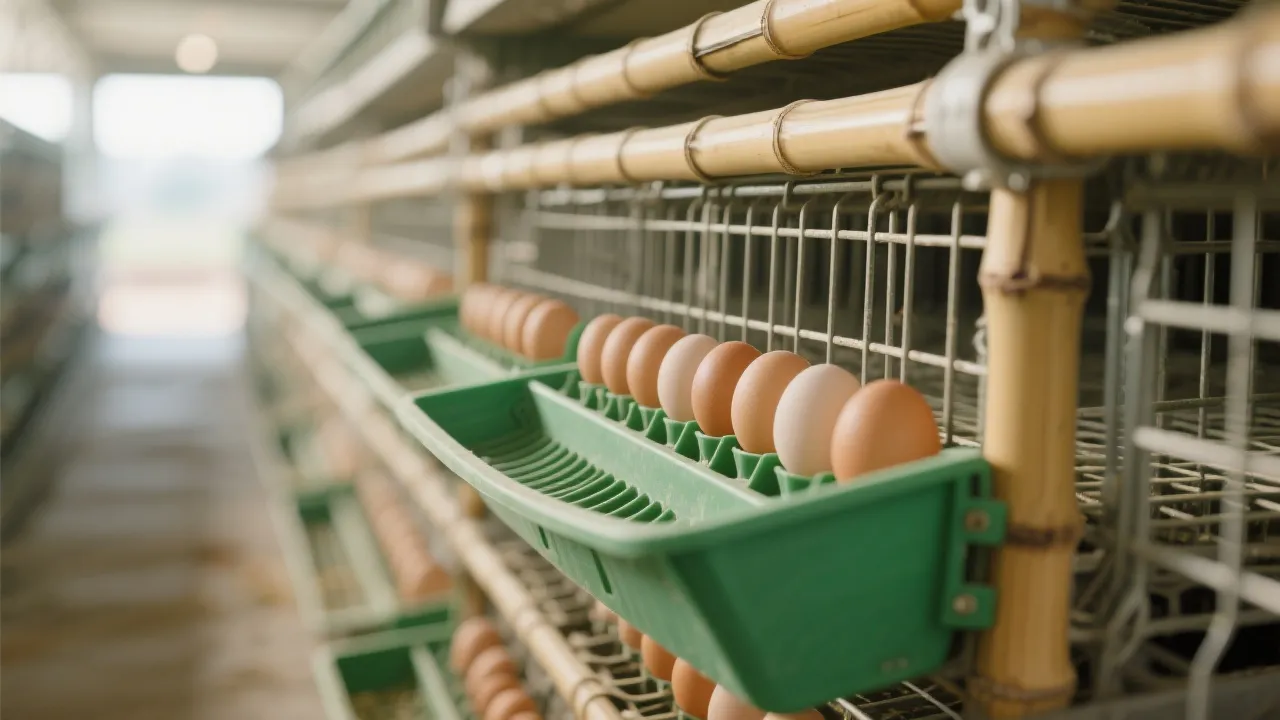
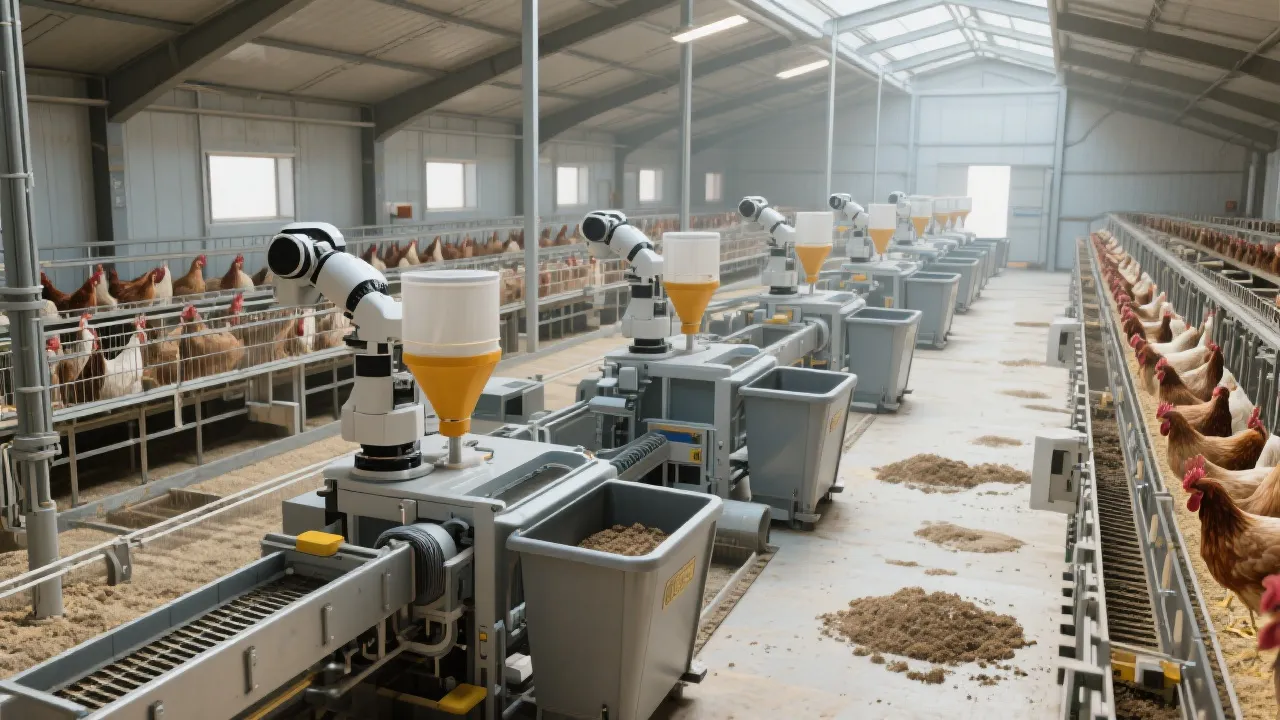
For modern poultry farms, efficiency isn’t just about productivity—it’s about reducing labor costs, minimizing egg damage, and ensuring consistent quality. One of the most impactful upgrades in recent years? Automated egg collection systems. Whether you're managing a small farm or a large-scale operation, integrating smart technology like roll-type or belt-type egg collectors can transform your daily workflow.
The Two Core Technologies: Roll-Type vs. Belt-Type
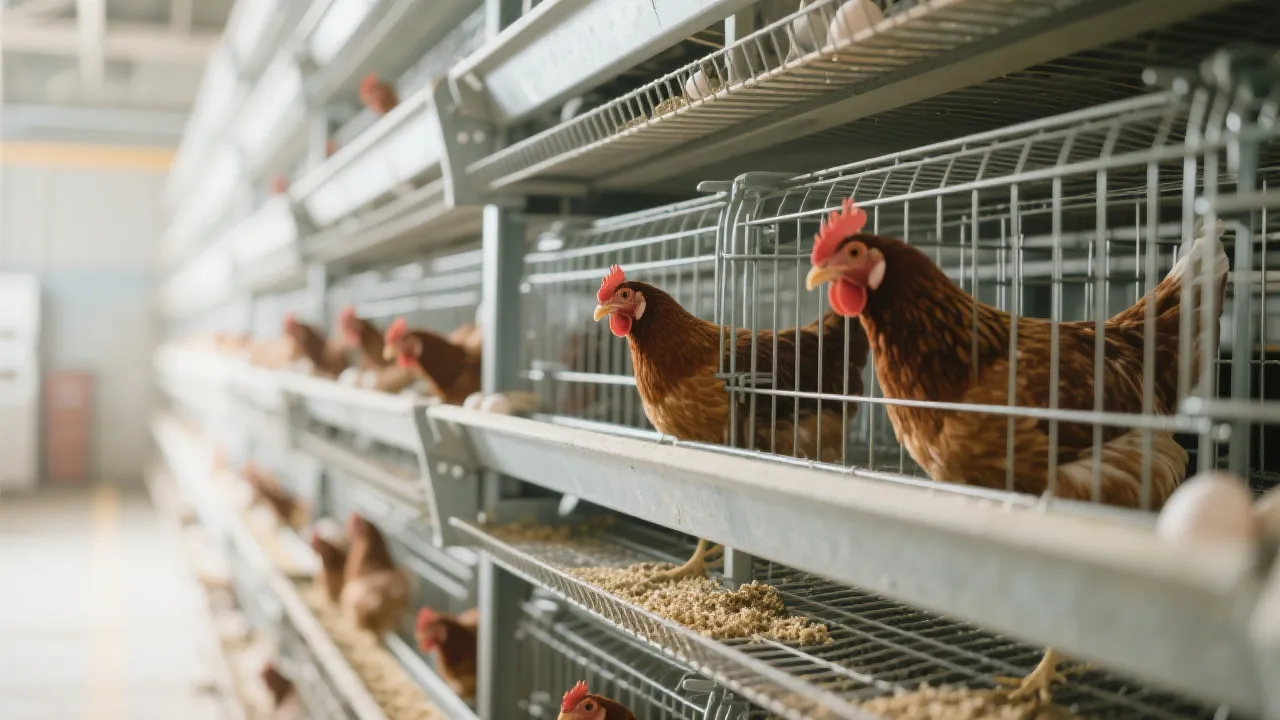
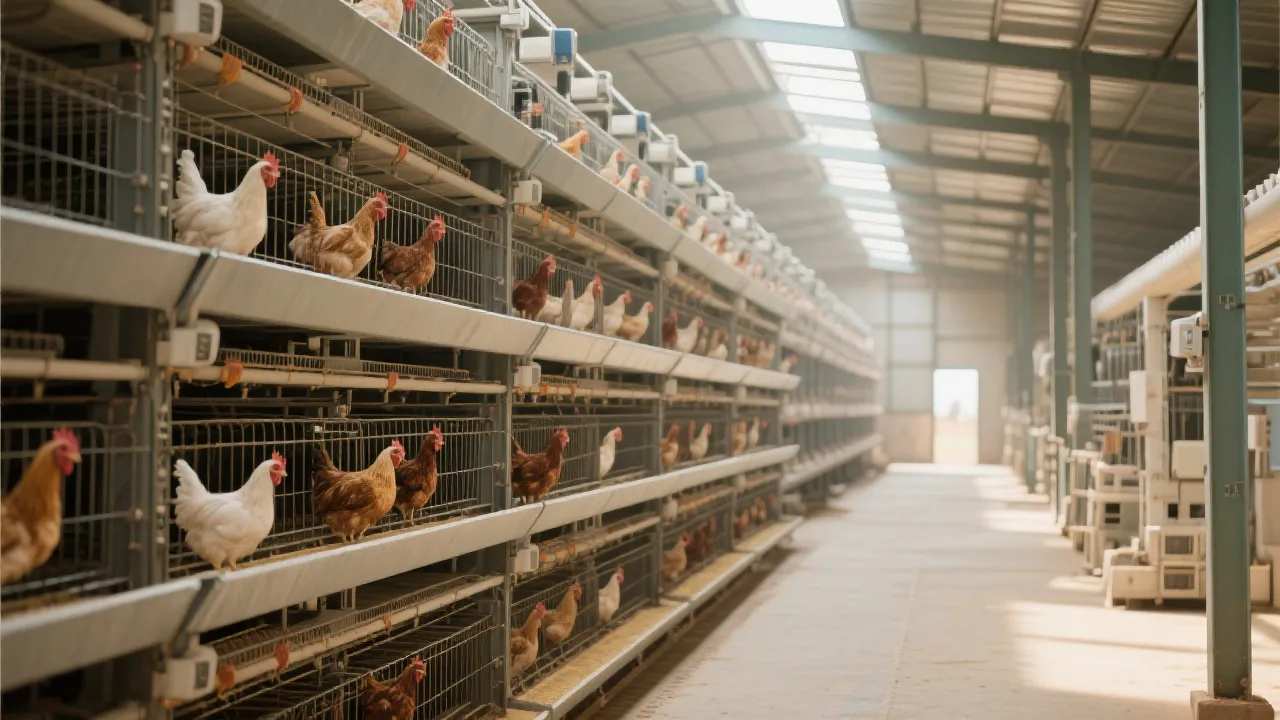
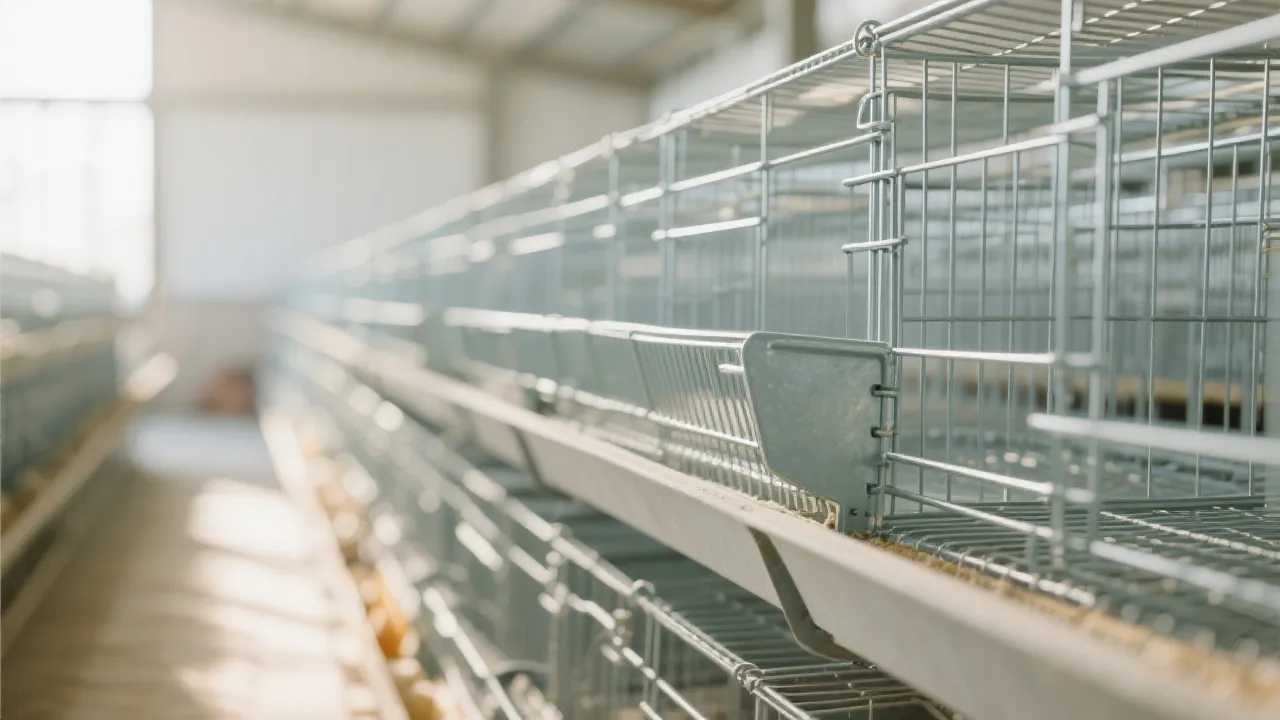
Both systems integrate directly into H-type layer cages—like those from Zhengzhou Livi Machinery—but they differ significantly in design and performance:
| Feature | Roll-Type System | Belt-Type System |
|---|---|---|
| Egg Collection Speed | ~120 eggs/min per row | ~150 eggs/min per row |
| Maintenance Frequency | Every 3 months | Every 2 months |
| Fault Rate (Annual) | ~2% | ~1.5% |
| Best For | Medium-sized farms with limited technical staff | Large commercial operations seeking maximum throughput |
Real-world data from farms in China, Thailand, and Brazil shows that belt-type systems outperform roll-type units in speed and uptime—especially when integrated with automated cleaning modules. However, roll-type systems offer lower initial investment and easier maintenance, making them ideal for smaller operations looking to scale gradually.
Installation Checklist: Don’t Skip These Steps
Even the best system fails if installed incorrectly. Before deployment, ensure your farm meets these criteria:
- Chicken House Dimensions: Minimum ceiling height of 2.4 meters for proper clearance.
- Power Supply: Dedicated 3-phase 380V power source required (minimum 5kW capacity).
- Staff Training: At least two technicians trained on basic troubleshooting and preventive maintenance.
- Environmental Conditions: Humidity below 70% to prevent motor corrosion and electrical faults.
“We saw a 30% drop in labor cost within six months after installing our first belt-type system,” says Mr. Li, a poultry manager in Henan Province. “But it wasn’t magic—it was preparation.”
Once installed, regular checks—not just reactive fixes—are key to long-term reliability. A simple monthly inspection checklist can reduce unexpected downtime by up to 40%, according to industry benchmarks from the International Poultry Association.
If you’re evaluating automation for your farm, don’t guess—measure. Start with a pilot unit in one section of your facility. Track egg loss rates, labor hours saved, and equipment performance over 60 days. Then make your case based on real numbers, not assumptions.





Hot Products

.jpg?x-oss-process=image/resize,m_fill,h_800,w_800/format,webp)


Popular articles





READY TO START?
Ready to Build Your Poultry Farm?
Tell us your land size, poultry type and farming capacity. LIVI will provide a complete farm solution for your project.