


Automated Egg Collection System for Layer Farms | Improve Efficiency & Reduce Labor Costs

How an Automatic Egg Collection System Can Boost Your Poultry Farm Efficiency
You’re likely familiar with the daily grind: waking up before sunrise to collect eggs manually, checking for broken or dirty ones, and still feeling like you're behind by midday. If this sounds like your reality, you’re not alone—many small- to medium-scale egg producers across Southeast Asia, Europe, and North America report spending 4–6 hours per day on manual collection, often leading to missed eggs, stress on hens, and inconsistent output.
The Real Impact of Automation: Beyond Just Labor Savings
When we talk about automation in poultry farming, it’s easy to focus only on reducing labor costs. But the real value lies in how it transforms your entire operation:
- Reduces human error: Automated systems ensure every egg is collected within 2–4 hours post-laying—critical for maintaining quality.
- Improves hen health: Less handling means fewer injuries and lower stress levels, which can boost egg production by up to 5% (based on a 2023 study from Wageningen University).
- Enhances hygiene: Continuous egg removal minimizes bacterial contamination—especially important for organic-certified farms.
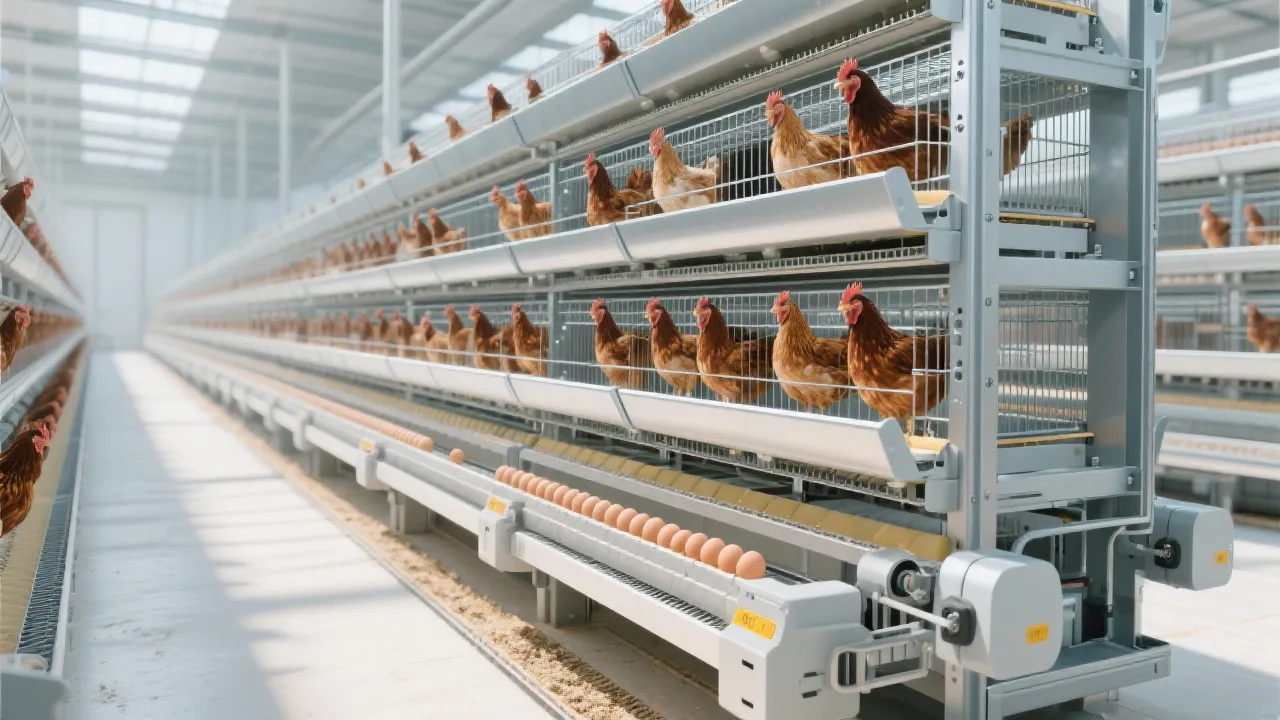
In fact, farms that have adopted integrated automatic egg collection + manure removal systems report a 30–35% reduction in labor costs within the first year, according to data from China’s Ministry of Agriculture and Rural Affairs (2024).
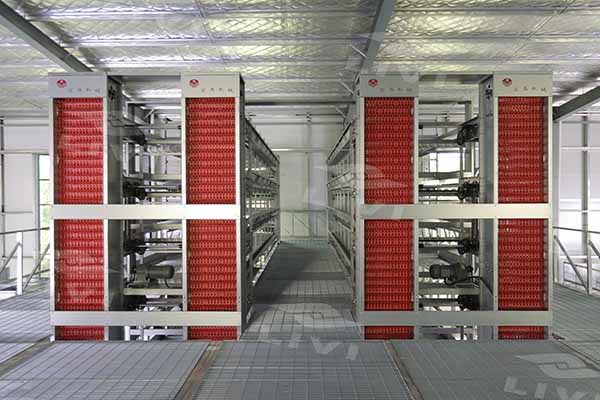
Why H-Type Cage Design Matters More Than You Think
Not all cages are created equal. The H-type layer cage design isn’t just about aesthetics—it’s engineered for efficiency:
| Feature | Manual System | H-Type Auto System |
|---|---|---|
| Egg Collection Time | 4–6 hrs/day | 0.5–1 hr/day |
| Space Utilization | ~60% | ~85% |
| Hen Stress Level | High | Low |
A case in point: Mr. Zhang, a 1,200-head layer farm owner in Jiangsu Province, switched to an H-type automated system last year. He now saves over 15 hours weekly and reports a consistent 97% egg collection rate—up from 88% previously.
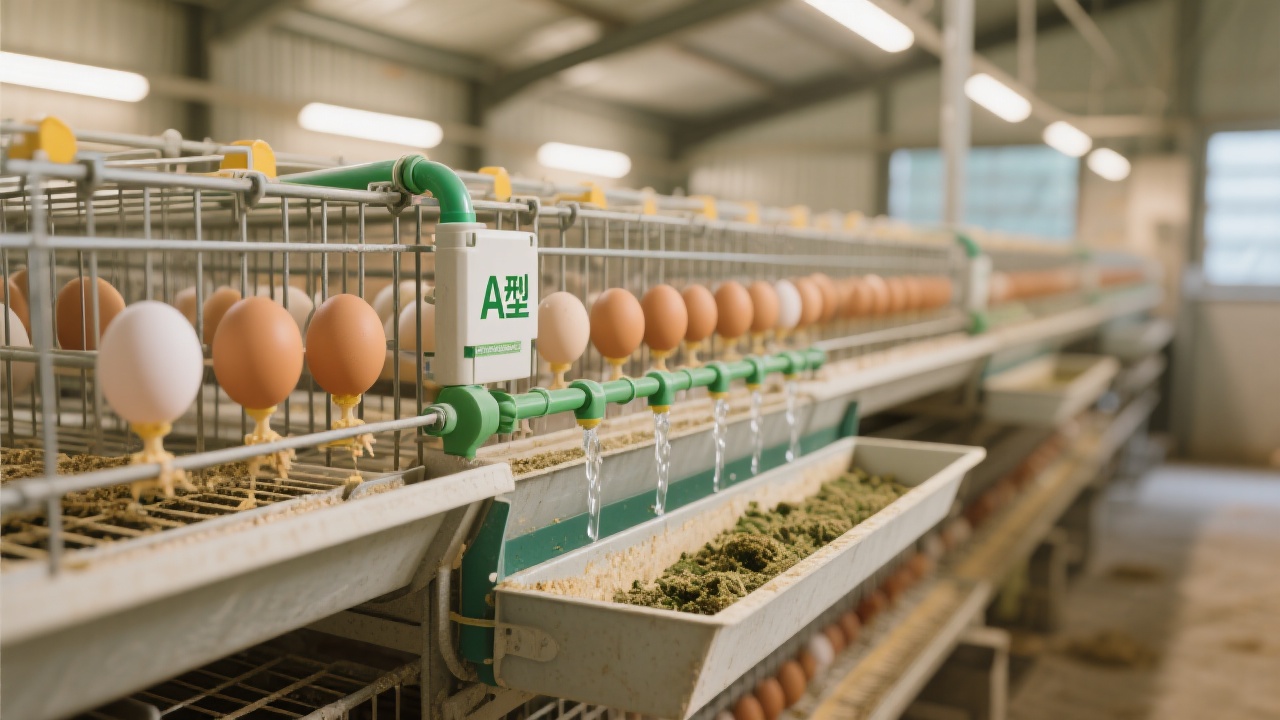
If you're considering upgrading your setup, here are three key factors to evaluate:
- Scale compatibility: Systems must match your flock size—too large and you waste capital; too small and you lose scalability.
- Integration capability: Look for modular designs that allow future expansion without full replacement.
- Local support network: Reliable maintenance partners reduce downtime—a major concern for farms operating 365 days/year.
The transition doesn’t need to be overwhelming. Start with a pilot zone—say, 200–300 birds—and measure results over 60 days. Then scale based on hard metrics, not assumptions.
Download Our Free Smart Farming Checklist & Case Studies




Hot Products

.jpg?x-oss-process=image/resize,m_fill,h_800,w_800/format,webp)


Popular articles




READY TO START?
Ready to Build Your Poultry Farm?
Tell us your land size, poultry type and farming capacity. LIVI will provide a complete farm solution for your project.