


Analysis of the Enhancement Effect of Hot - Dip Galvanizing and Aluminum - Zinc Alloy Coating on the Corrosion Resistance of Laying Hen Cages

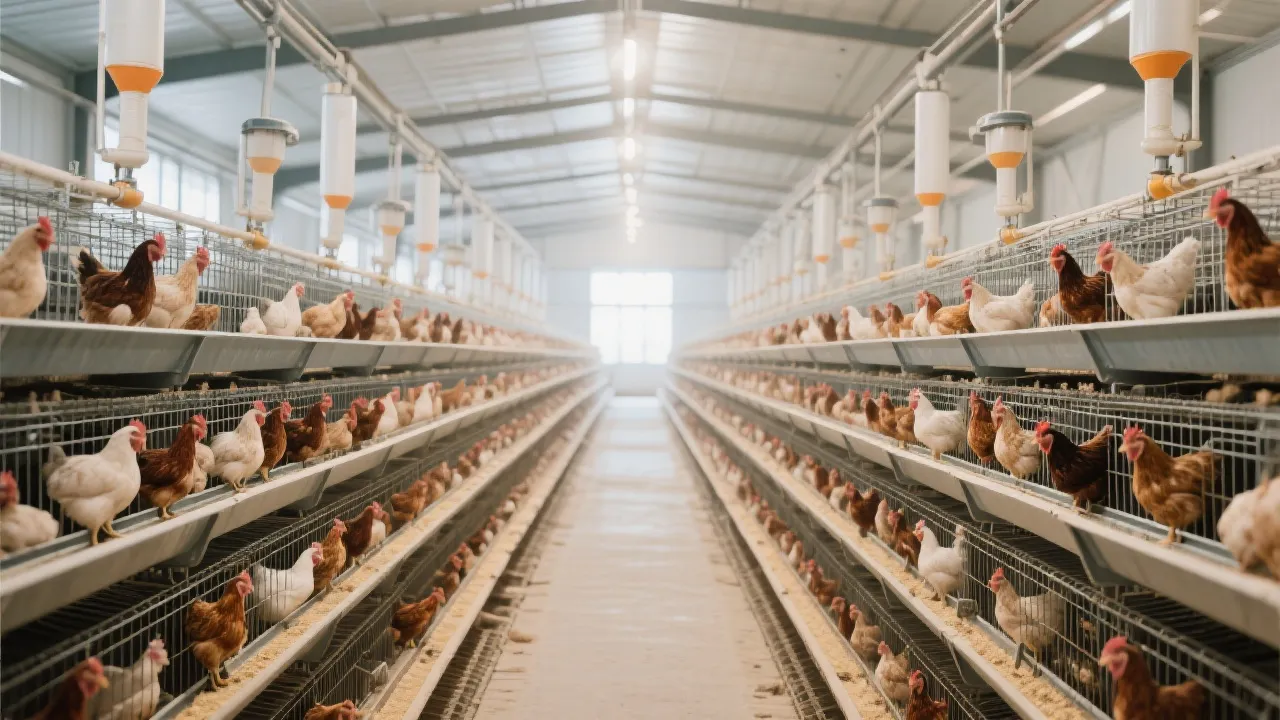
In the poultry farming industry, the durability of egg laying cages is a critical concern for farmers. This article delves into the key factors determining the longevity of egg laying cages and analyzes how hot - dip galvanizing and aluminum - zinc alloy coatings enhance their corrosion resistance.
Core Factors Affecting Cage Durability
There are three main factors that influence the durability of egg laying cages: steel quality, surface composite anti - corrosion technology, and the environment of use and maintenance.
Steel Quality
Q235 steel is often used in high - quality egg laying cages. It has excellent strength and ductility, providing a solid foundation for the cage structure. Compared with some ordinary steels, Q235 steel can better withstand the stress and impact in the daily use of egg laying cages.
Surface Composite Anti - corrosion Technology
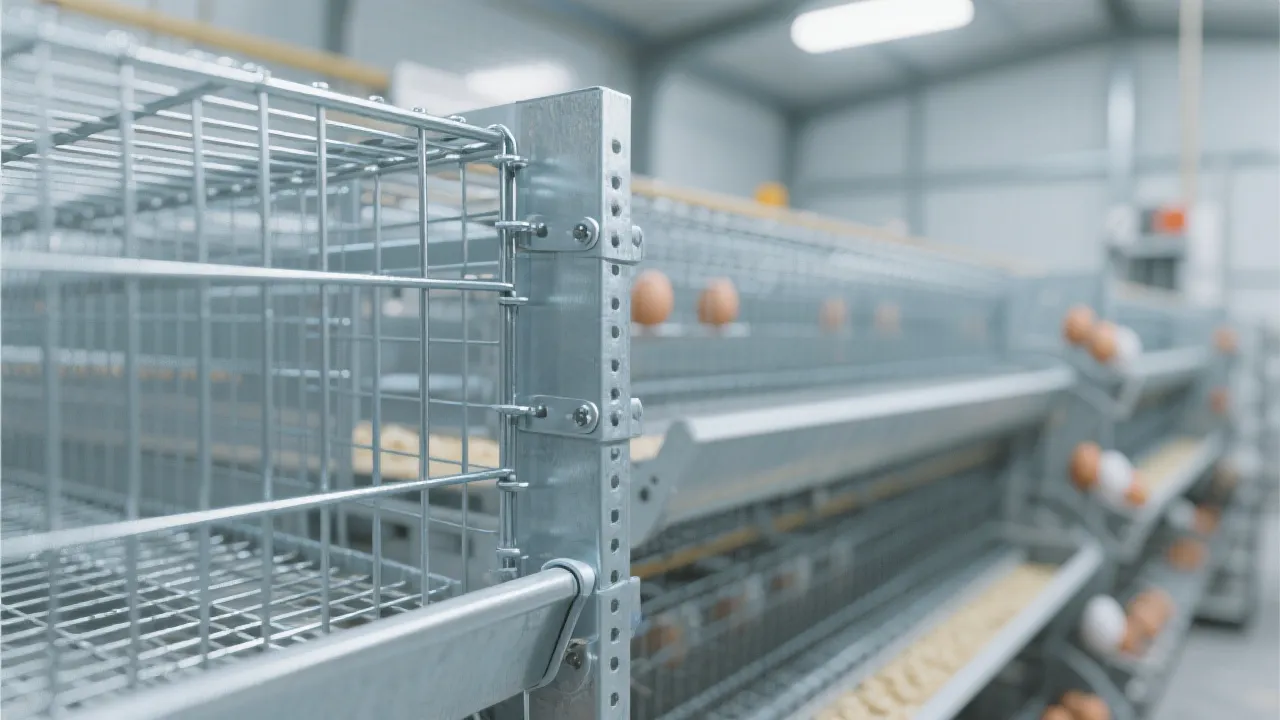
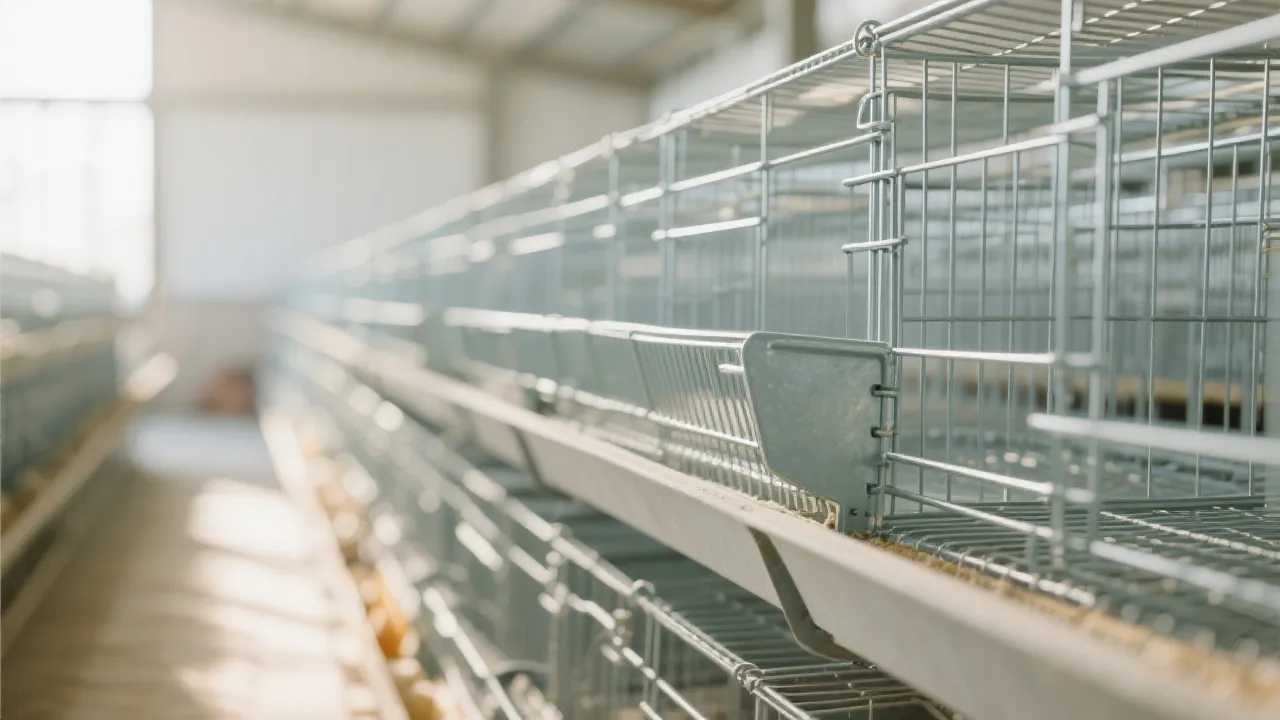
The surface treatment of egg laying cages is crucial for their corrosion resistance. Traditional galvanizing methods provide a certain degree of protection, but in high - humidity and high - ammonia environments commonly found in poultry farms, their performance is limited. Hot - dip galvanizing combined with an aluminum - zinc alloy coating offers a far more effective solution.
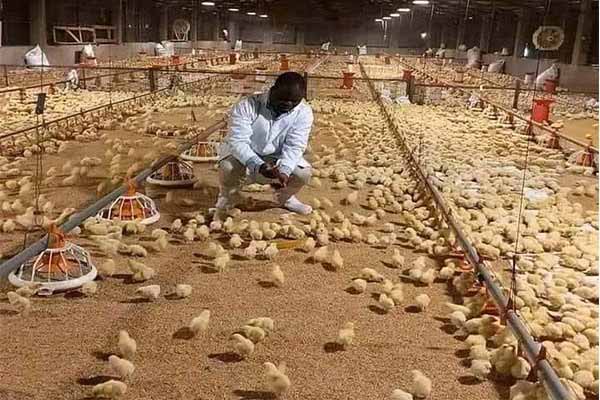
According to industry data, in a high - humidity and high - ammonia test environment, ordinary galvanized cages may start to show signs of corrosion within 1 - 2 years. In contrast, cages treated with hot - dip galvanizing and an aluminum - zinc alloy coating can maintain their anti - corrosion performance for more than 5 years, significantly extending the service life of the cages.
Use and Maintenance Environment
The environment in which the egg laying cages are used and maintained also has a significant impact on their durability. High - humidity and high - ammonia environments accelerate corrosion. Therefore, proper ventilation and regular cleaning in the poultry house are essential.
Case Studies
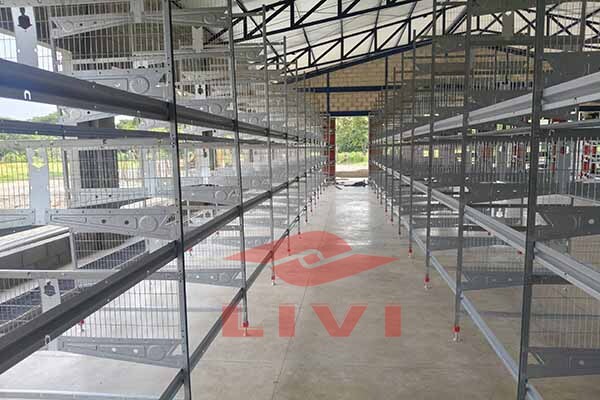
Let's look at some real - world examples. A poultry farm in [Location] initially used ordinary galvanized egg laying cages. After 1.5 years, they noticed severe corrosion on the cages, which affected the health of the chickens and increased the risk of cage damage. After switching to egg laying cages with hot - dip galvanizing and an aluminum - zinc alloy coating, the cages remained in good condition even after 3 years of use, reducing the frequency of cage replacement and saving costs.
Maintenance and Installation Guidelines
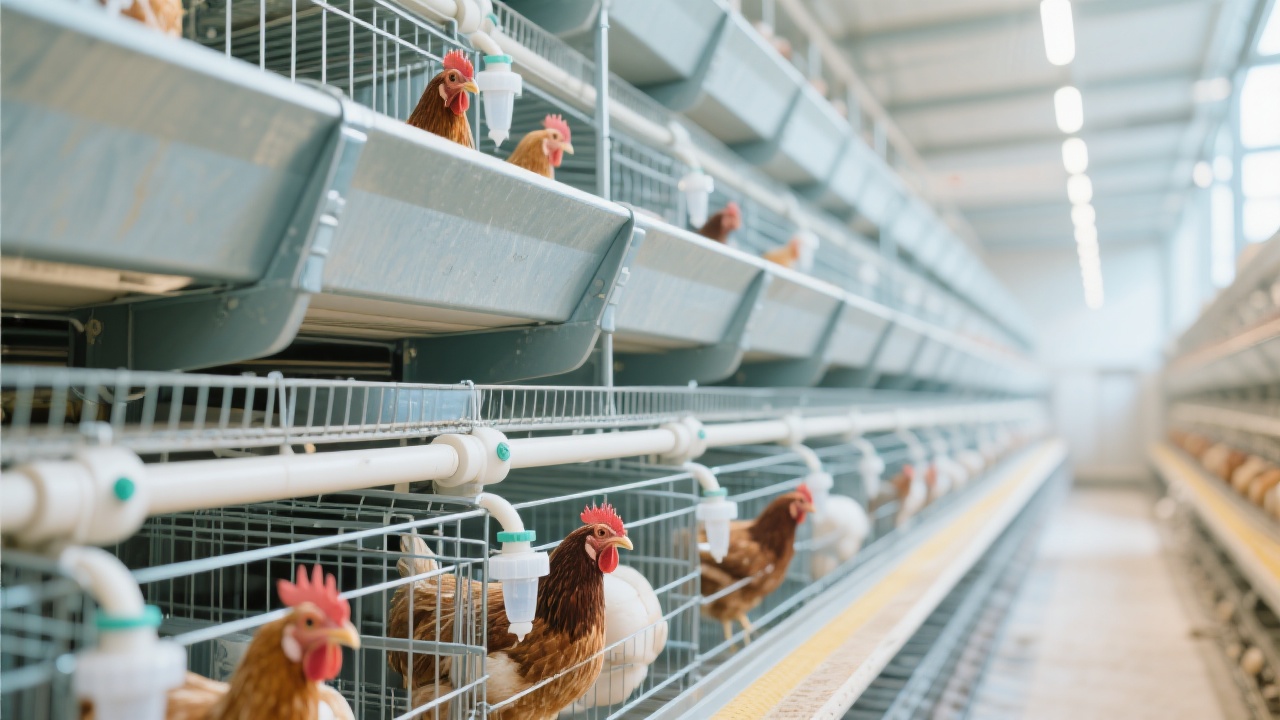
Proper installation and maintenance are key to ensuring the long - term performance of egg laying cages. Here are some practical tips:
- During installation, ensure that the cages are firmly fixed to prevent shaking and damage.
- Regularly clean the cages to remove feces and other contaminants. Use mild cleaning agents to avoid damaging the coating.
- Check the cages regularly for signs of corrosion or damage. If any problems are found, repair or replace the affected parts in a timely manner.
Conclusion and CTA
Investing in high - quality egg laying cages with hot - dip galvanizing and aluminum - zinc alloy coatings can significantly improve the durability of the cages, reduce long - term farming costs, and maximize production stability and efficiency. If you are looking for reliable and durable egg laying cages, click here to explore our range of products and get expert advice.



Hot Products

.jpg?x-oss-process=image/resize,m_fill,h_800,w_800/format,webp)


Popular articles





READY TO START?
Ready to Build Your Poultry Farm?
Tell us your land size, poultry type and farming capacity. LIVI will provide a complete farm solution for your project.