


Select High-Efficiency and Energy-Saving Mechanical Scraper Manure Cleaning Equipment to Boost Green Development of Overseas Livestock and Poultry Farms
In the global livestock and poultry farming industry, manure management has emerged as a significant challenge. The increasing scale of farming operations, coupled with growing environmental concerns, has made it imperative for farms to adopt green and sustainable development practices. This is not only driven by environmental protection policies but also by the need for long - term economic viability.
The Urgency of Green and Sustainable Development in Livestock Farming
Livestock farms around the world are facing strict environmental regulations. Improper manure disposal can lead to soil and water pollution, and greenhouse gas emissions. For instance, in Europe, there are stringent laws regarding the amount of manure that can be spread on farmland. In Asia, rapid industrialization of farming has increased the pressure on waste management. The policy environment is pushing farms towards more sustainable manure treatment methods.
Advantages of Mechanical Scraper Manure Cleaning Systems in H - Type Laying Hen Cages
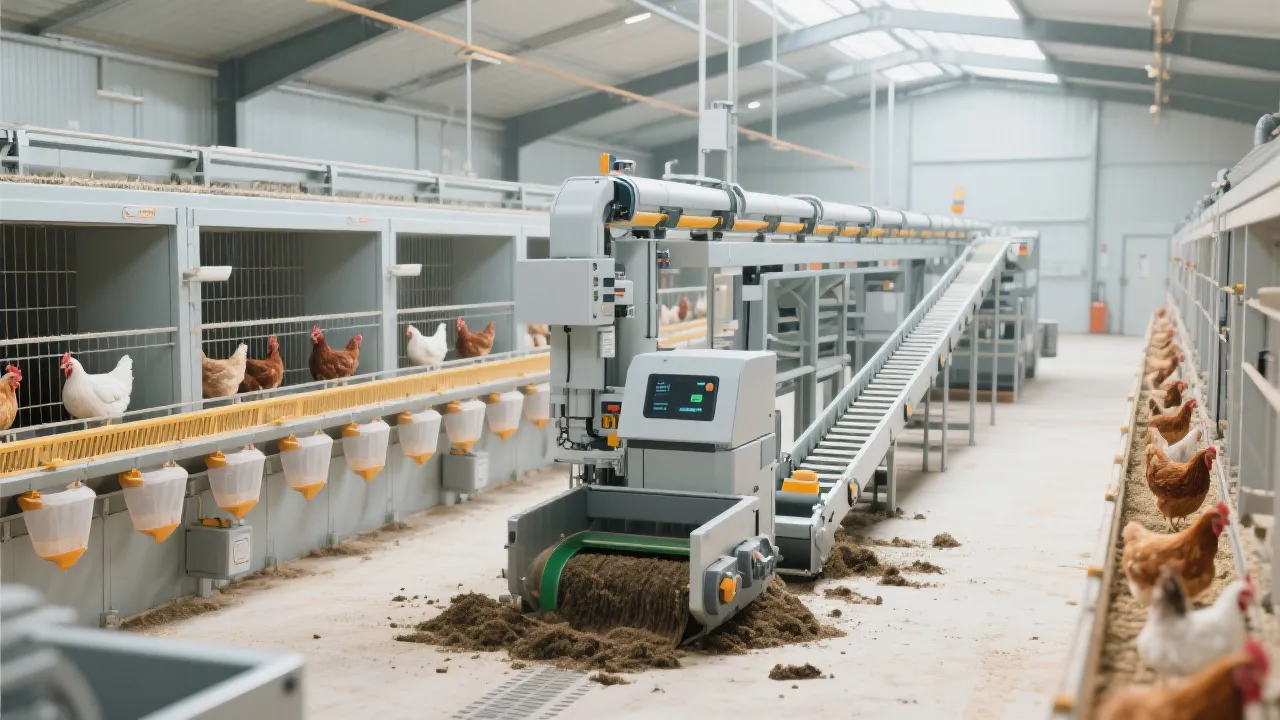
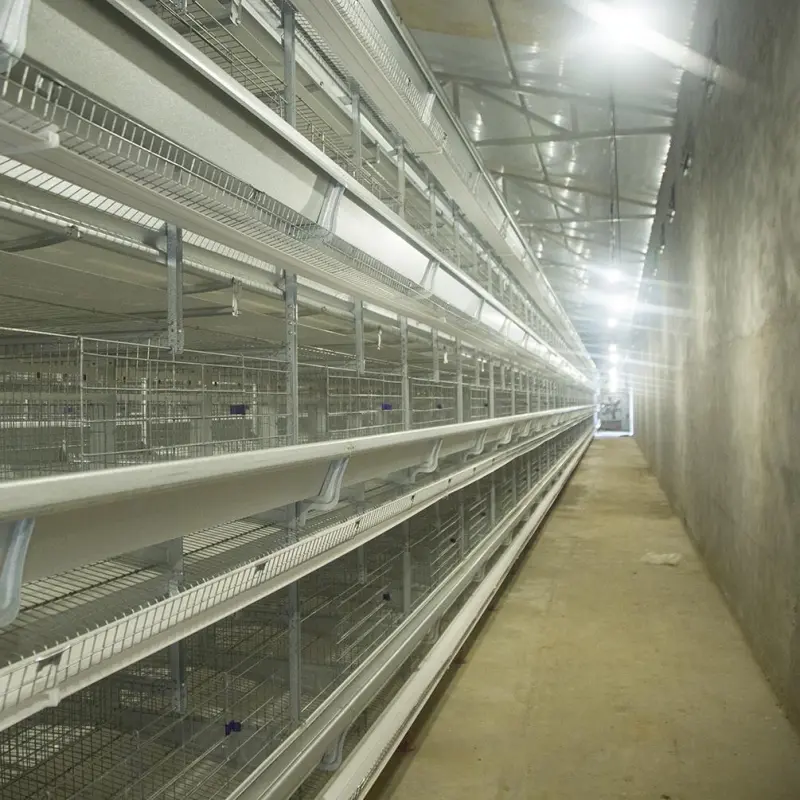
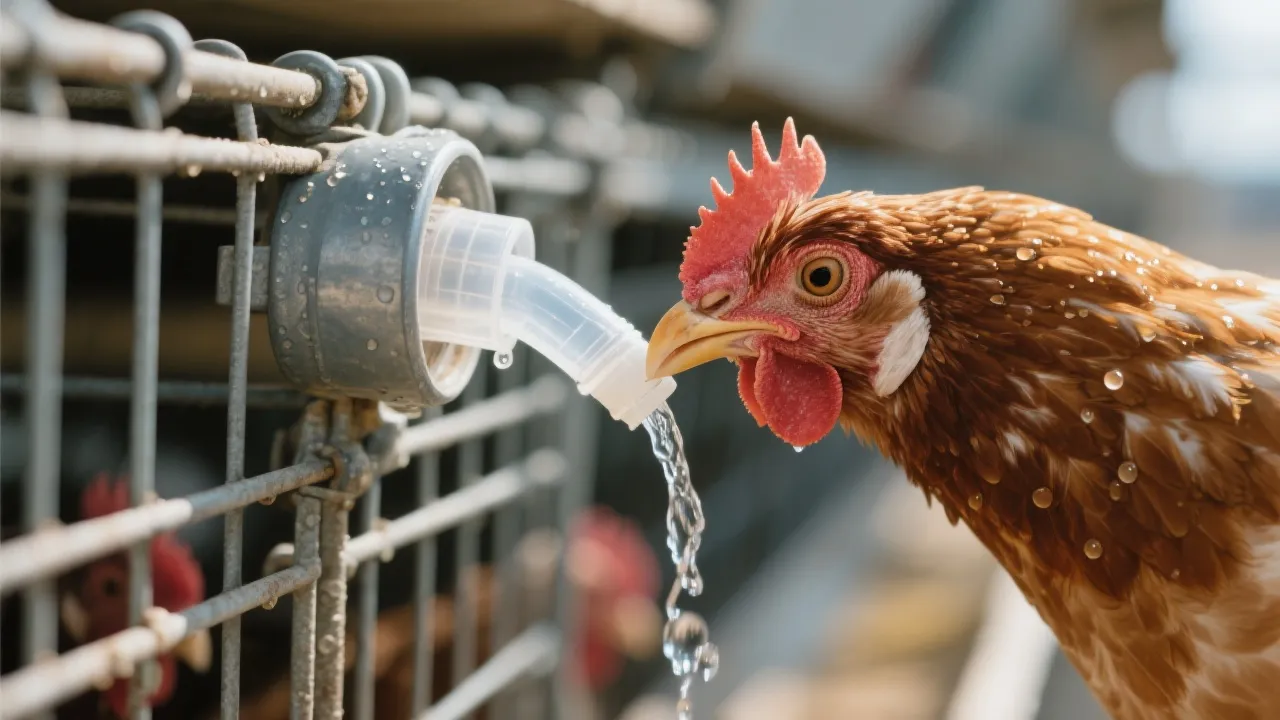
The mechanical scraper manure cleaning system in H - type laying hen cages offers several structural advantages. Its design allows for efficient and continuous manure removal. Compared with traditional manual cleaning, the efficiency is significantly improved. Manual cleaning is labor - intensive and time - consuming, often resulting in inconsistent cleaning results. In contrast, the mechanical scraper system can clean manure regularly and uniformly, reducing the labor cost by up to 70% according to some studies.
| Cleaning Method | Efficiency | Labor Cost |
|---|---|---|
| Manual Cleaning | Low, inconsistent | High |
| Mechanical Scraper System | High, uniform | Low |
Energy - Saving Control Technologies
Energy - saving is a crucial aspect of the mechanical scraper manure cleaning system. Several control technologies can be employed. Frequency conversion drive technology can adjust the motor speed according to the actual load, resulting in energy savings of up to 30%. Timed start - stop functions can be set to operate the system only when necessary, reducing unnecessary energy consumption. Smart sensors can detect the amount of manure and adjust the cleaning frequency accordingly. These technologies not only save energy but also extend the service life of the equipment.
Scientific Maintenance Cycle
Regular maintenance is essential for the mechanical scraper system. A preventive maintenance plan can significantly extend the equipment's lifespan. It is recommended to conduct a comprehensive inspection every three months, including checking the scraper blades, chains, and motors. Lubrication should be carried out monthly. This preventive maintenance not only reduces the risk of breakdowns but also helps maintain good air quality in the chicken coop by ensuring the system operates smoothly.
Synergistic Design of Manure Cleaning and Ventilation Systems
The combination of the manure cleaning system and the ventilation system can improve the overall environment in the chicken coop. By coordinating the operation of the two systems, ammonia levels can be effectively controlled, and temperature and humidity can be stabilized. For example, when the manure cleaning system is operating, the ventilation system can be adjusted to remove the dust and odors generated. This synergy has been shown to improve the health indicators of laying hens, such as reducing the incidence of respiratory diseases by up to 20%.
Manure Resource Utilization Based on ISO14001 Standards
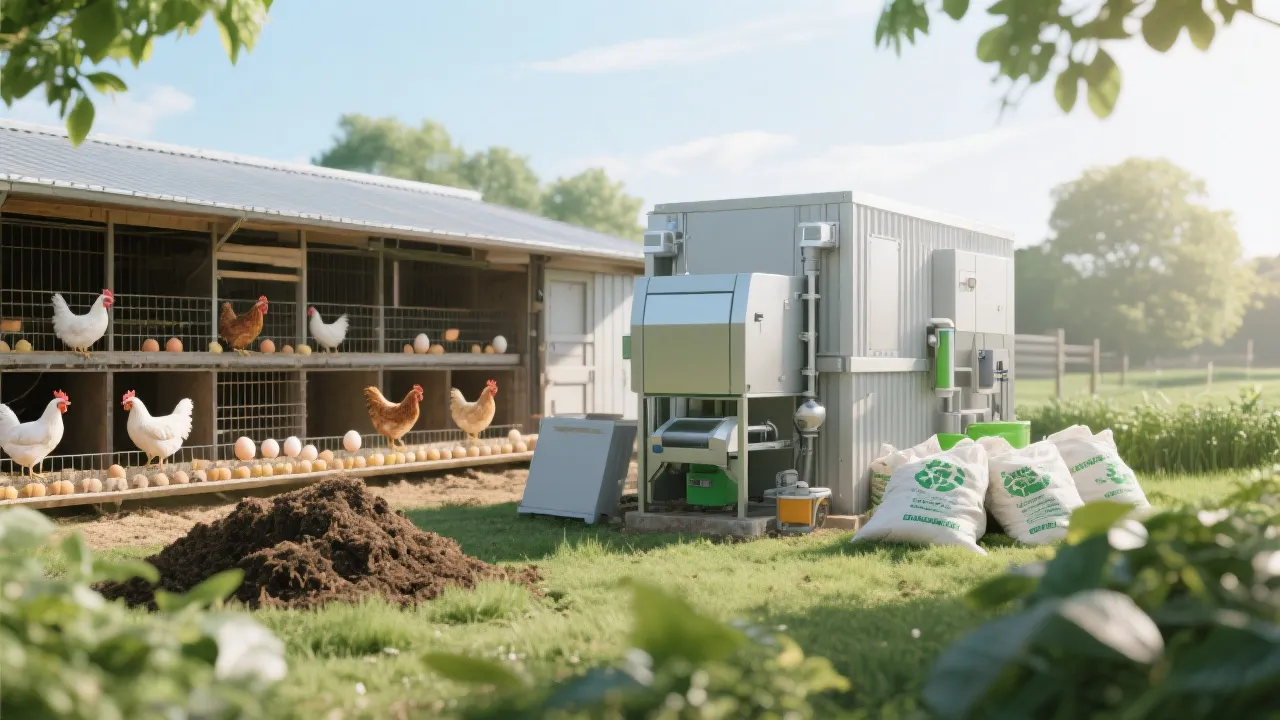
ISO14001 is an international environmental management standard. Based on this standard, manure can be recycled. Composting is a common method. The manure can be turned into high - quality organic fertilizer after a series of processes. Another option is biogas generation. By anaerobic digestion, manure can produce biogas, which can be used for power generation. This not only reduces environmental pollution but also creates additional economic value for the farm.
Real - World Case Studies
Many farms around the world have adopted the mechanical scraper manure cleaning system and achieved significant results. For example, a medium - sized laying hen farm in South America reduced its energy consumption by 25% and labor cost by 60% after implementing the system. Another large - scale farm in North America improved its manure treatment efficiency by 80% and increased its biogas production, which offset 30% of its electricity consumption.
FAQ
- Q: How often should the mechanical scraper system be maintained?
- A: It is recommended to conduct a comprehensive inspection every three months and lubrication monthly.
- Q: Can the system be used in different types of chicken cages?
- A: The system is mainly designed for H - type laying hen cages, but with some modifications, it can be adapted to other types of cages.
- Q: What is the payback period for the investment in this system?
- A: The payback period usually ranges from 1 - 3 years, depending on the scale of the farm and the energy and labor savings achieved.
To learn more about efficient manure cleaning solutions, please visit our technical support page. You can also get a free environmental assessment report for your livestock farm by clicking here.





Hot Products

.jpg?x-oss-process=image/resize,m_fill,h_800,w_800/format,webp)


Popular articles




READY TO START?
Ready to Build Your Poultry Farm?
Tell us your land size, poultry type and farming capacity. LIVI will provide a complete farm solution for your project.