


Comprehensive Guide to High - efficiency Automated Laying Hen Cage Maintenance: Practical Tips for Extending Steel Structure Lifespan
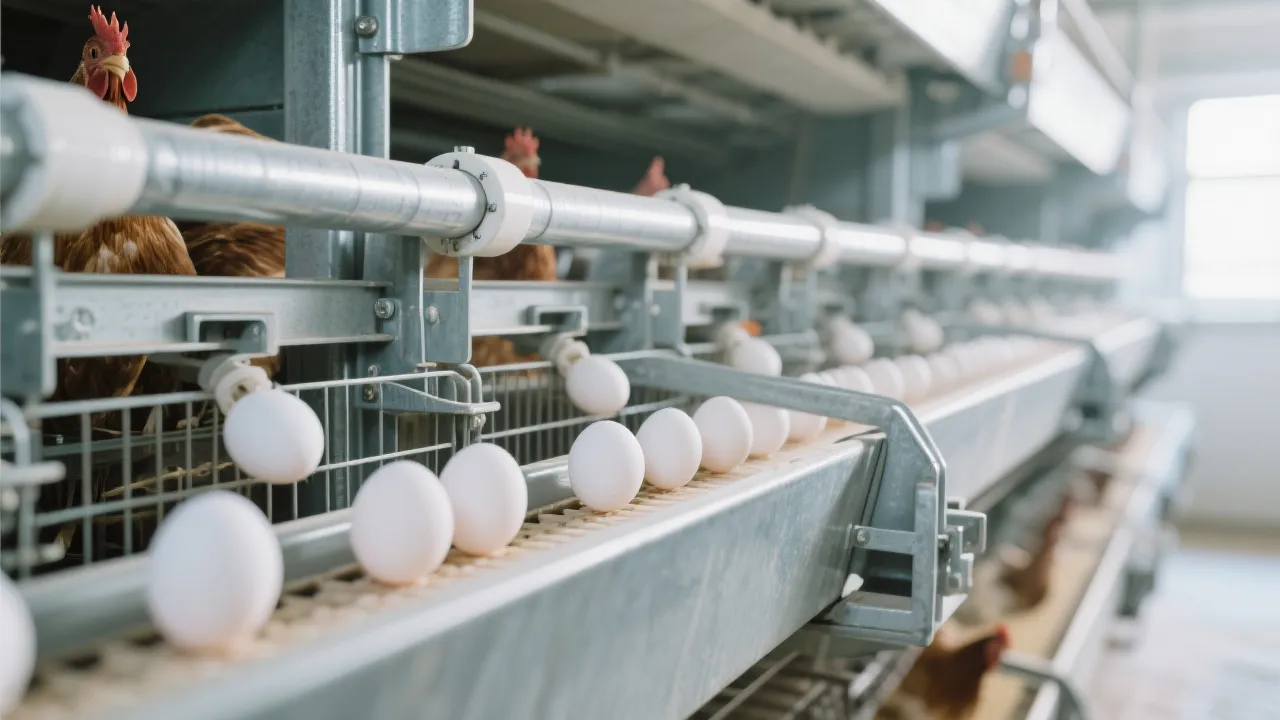
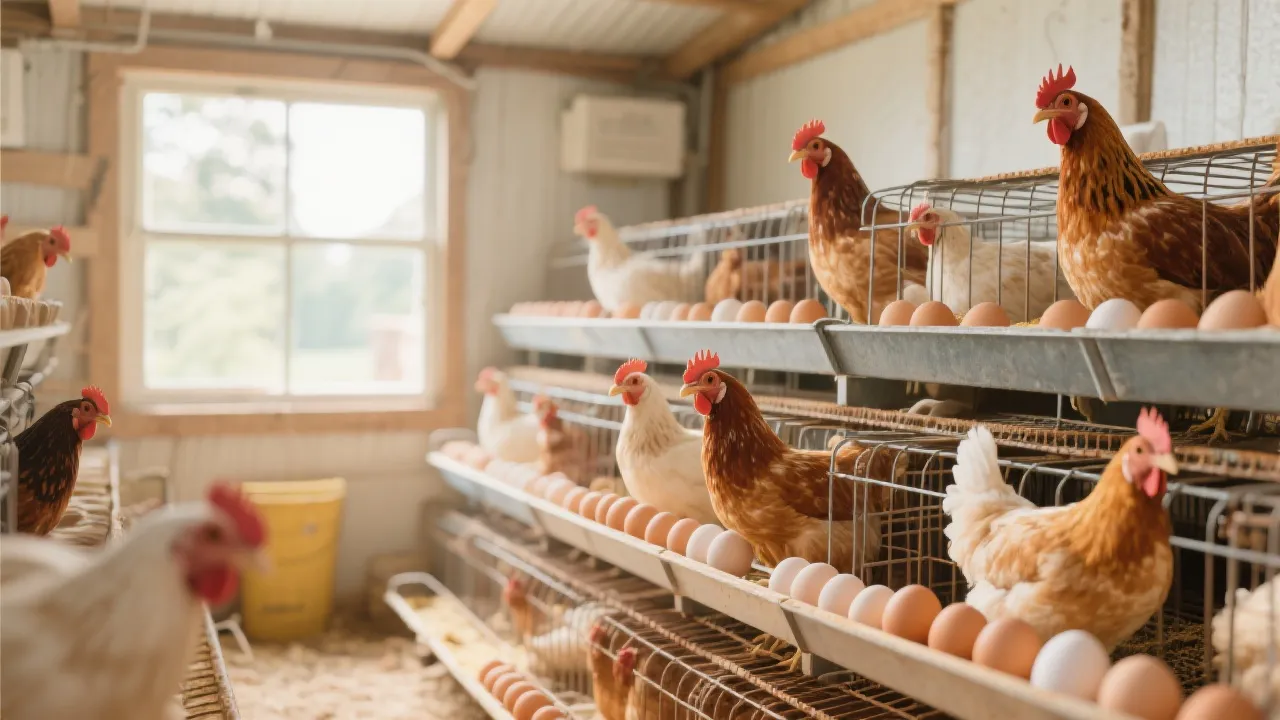
Welcome to our comprehensive guide on the efficient maintenance of the high - efficiency automated H - type layer chicken cages produced by Zhengzhou Livi Machinery. In this guide, we'll focus on how to extend the service life of the Q235 steel structure with hot - dip galvanized and aluminum - zinc alloy coatings through scientific daily maintenance and management.
Understanding the Coating Protection Principle
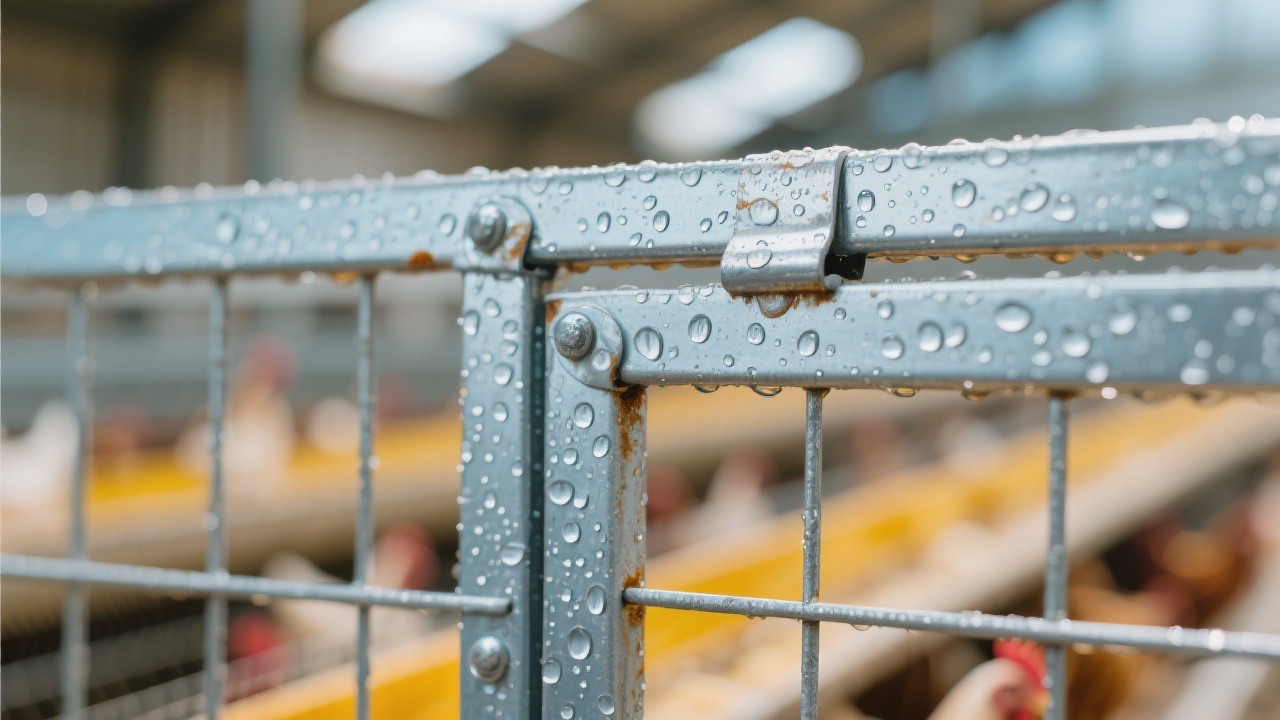
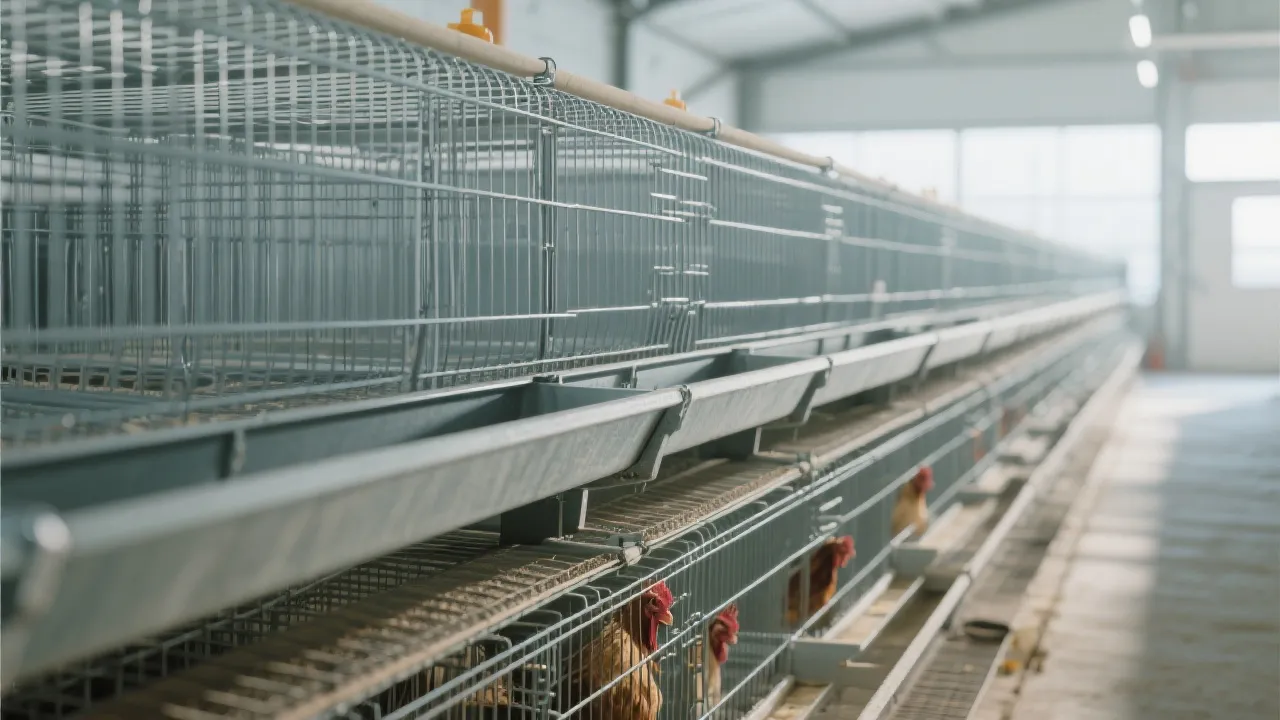
The Q235 steel structure of our egg - laying chicken cages is coated with hot - dip galvanized and aluminum - zinc alloy coatings. These coatings act as a barrier between the steel and the corrosive environment. The zinc in the coating sacrifices itself to protect the steel from rusting. For example, in a study by the American Galvanizers Association, it was found that hot - dip galvanized steel can last up to 50 years in a rural environment and 25 years in a marine environment. This means that with proper care, our egg - laying chicken cages can have a long service life.
Mechanical Component Lubrication
Regular lubrication of mechanical components is crucial for the smooth operation of the egg - laying chicken cages. We have prepared a scientific lubrication cycle table for you:
| Component | Lubrication Cycle |
|---|---|
| Chains | Every 2 weeks |
| Gears | Every 4 weeks |
| Bearings | Every 6 weeks |
Automated System Inspection
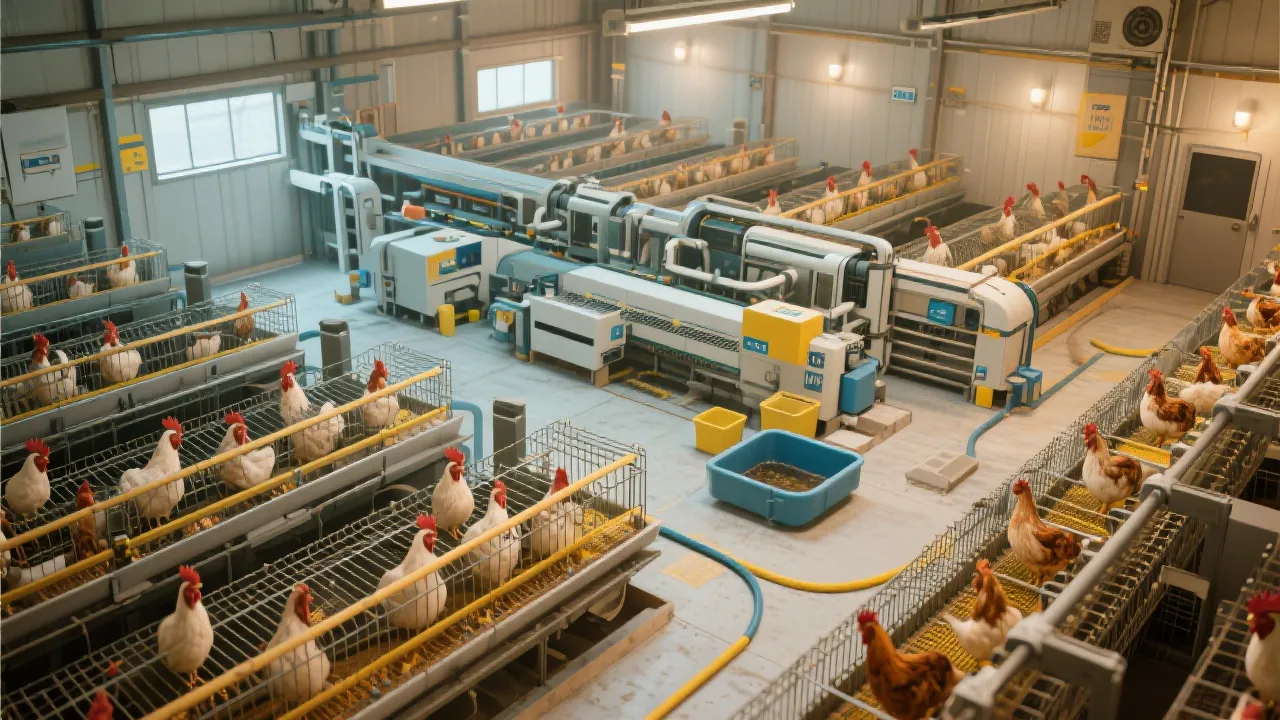
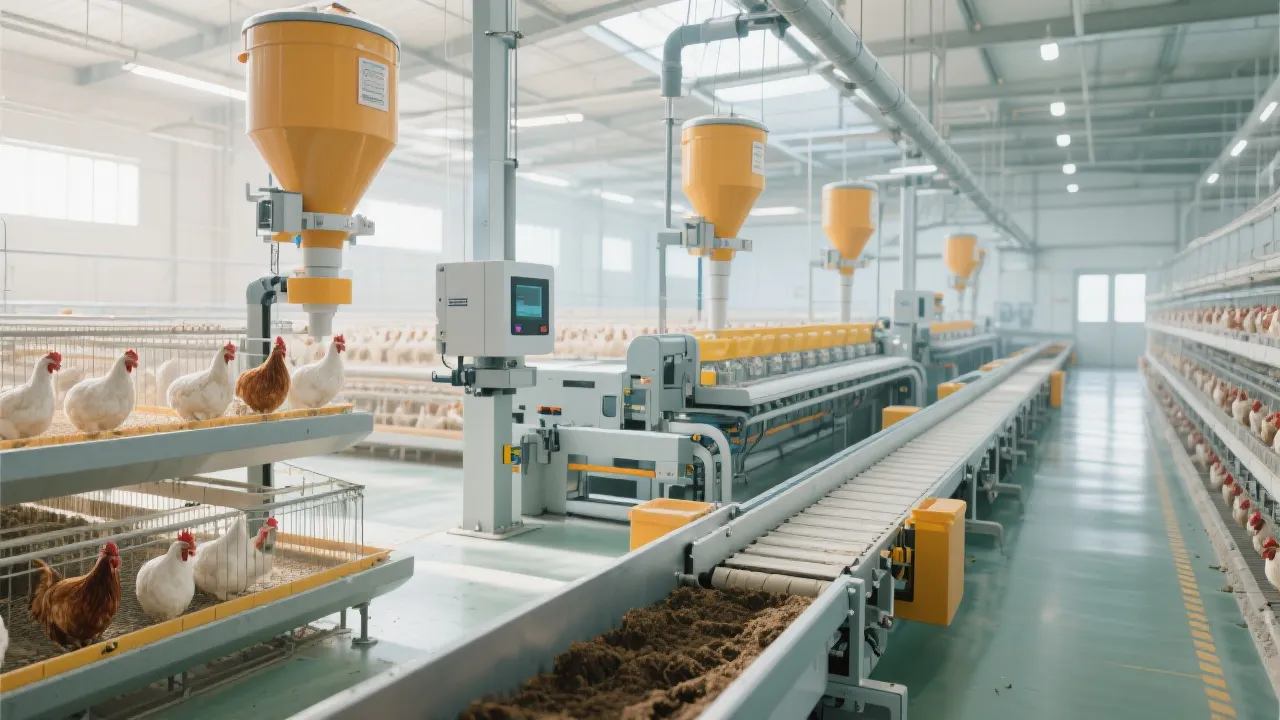
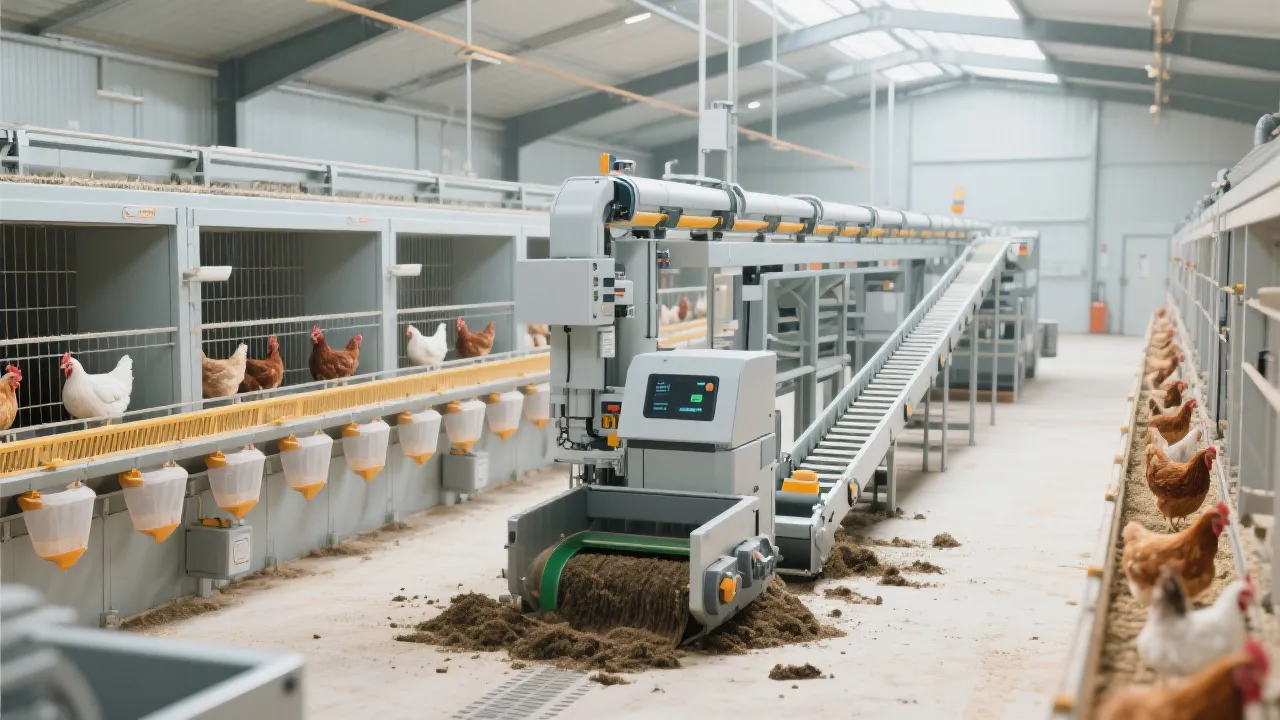
Our automated egg collection and manure cleaning systems need regular inspection. Here is a checklist for daily, weekly, and monthly inspections:
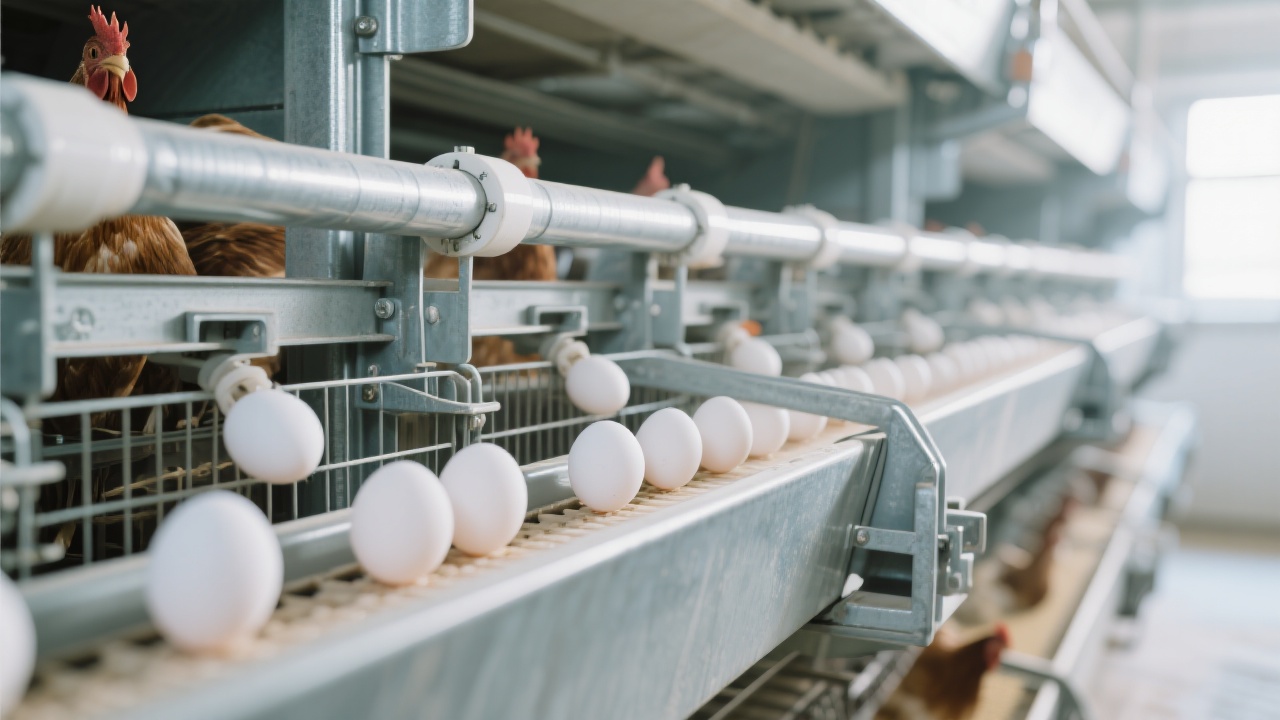
- Daily Inspection: Check the power supply, sensor status, and the operation of the egg collection conveyor. Video link for daily inspection: [Insert video link].
- Weekly Inspection: Inspect the mechanical connection parts of the manure cleaning system and the accuracy of the egg - counting device. Video link for weekly inspection: [Insert video link].
- Monthly Inspection: Conduct a comprehensive check of the entire automated system, including the control panel and software. Video link for monthly inspection: [Insert video link].
Standardized Cleaning Process
Proper cleaning is essential for the longevity of the egg - laying chicken cages. When cleaning, you should choose the right tools. For example, a soft - bristle brush is suitable for removing dust, while a high - pressure water gun can be used for deep cleaning. The cleaning sequence should start from the top of the cage and move down to the bottom. Here is a step - by - step cleaning process:
- Remove all the eggs and debris from the cage.
- Use a soft - bristle brush to clean the surface of the cage.
- Use a high - pressure water gun to rinse the cage thoroughly.
- Dry the cage with a clean cloth or let it air - dry.
Common Mistakes
There are some common mistakes in egg - laying chicken cage maintenance. For example, some operators may use abrasive cleaners that can damage the coating. Another mistake is over - lubricating the mechanical components, which can attract dust and cause more wear. We hope you can avoid these mistakes to ensure the normal operation of the equipment.
Safe Operation Specifications
We have strict safety operation specifications for the use of egg - laying chicken cages. For example, operators must wear protective clothing and gloves when cleaning the cages. There was a real - life case where an operator did not wear protective gloves and got injured by a sharp edge on the cage. So, please follow the safety rules to avoid potential risks.
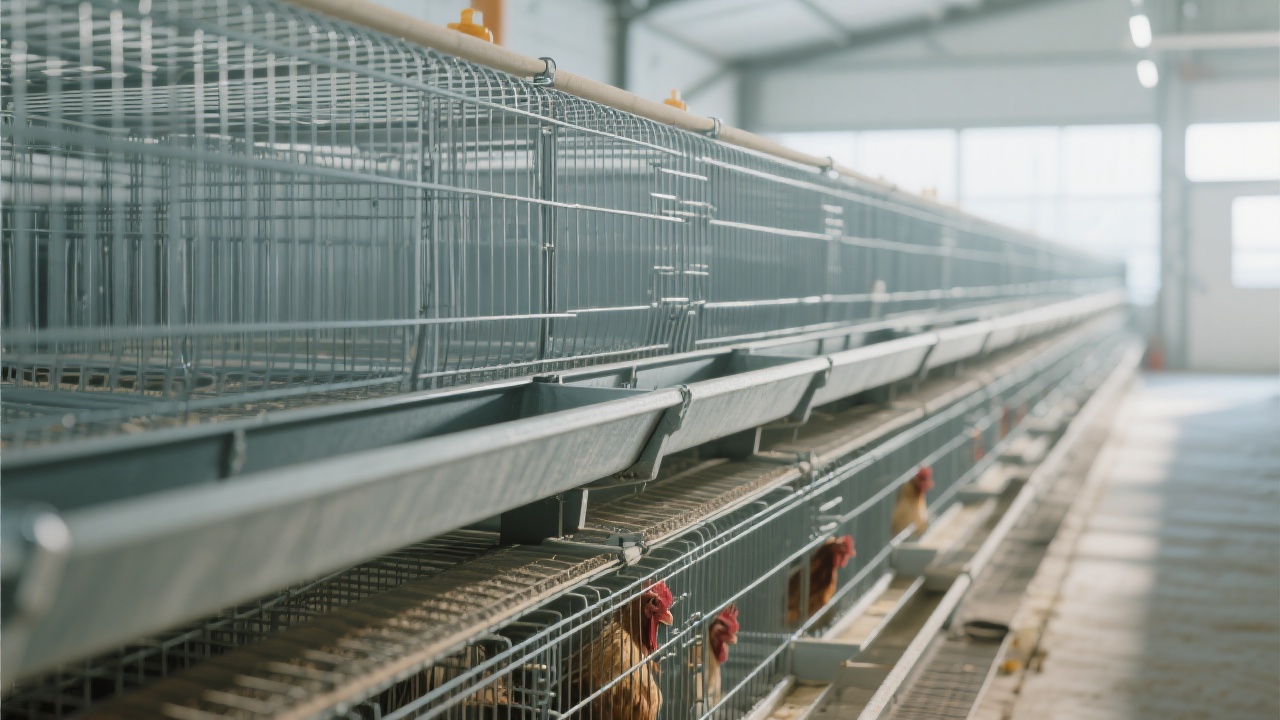
At Zhengzhou Livi Machinery, we not only provide high - quality egg - laying chicken cages but also offer excellent after - sales service. Our professional team is always ready to help you with any problems you may encounter. If you want to learn more about our egg - laying chicken cages and how to maintain them, click here to explore further.




Hot Products

.jpg?x-oss-process=image/resize,m_fill,h_800,w_800/format,webp)


Popular articles






READY TO START?
Ready to Build Your Poultry Farm?
Tell us your land size, poultry type and farming capacity. LIVI will provide a complete farm solution for your project.