


Maximizing Poultry Farm Efficiency with High-Capacity Hen Cages: Real-World Implementation Insights

Why Your Chicken Farm Isn’t Maximizing Efficiency—And How H-Type Cage Systems Fix It
You’re not alone if your egg production feels stuck at a plateau despite investing in labor and infrastructure. Many commercial poultry farms still rely on outdated cage designs that waste space, increase manual workloads, and reduce overall productivity.
The Real Cost of Traditional Cages
According to industry benchmarks, traditional flat-row cages can lead to up to 40% lower space utilization compared to modern H-type systems. This inefficiency forces farmers to either overcrowd birds—which impacts health—or expand facilities unnecessarily. Labor costs for feeding, cleaning, and egg collection often account for 35–45% of total operational expenses. That’s where smart design meets real ROI.
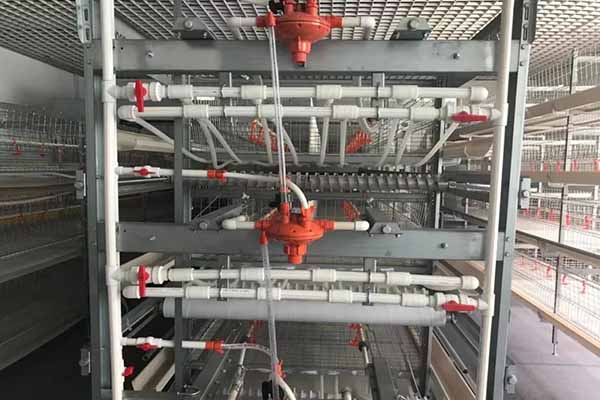
How H-Type Design Transforms Operations
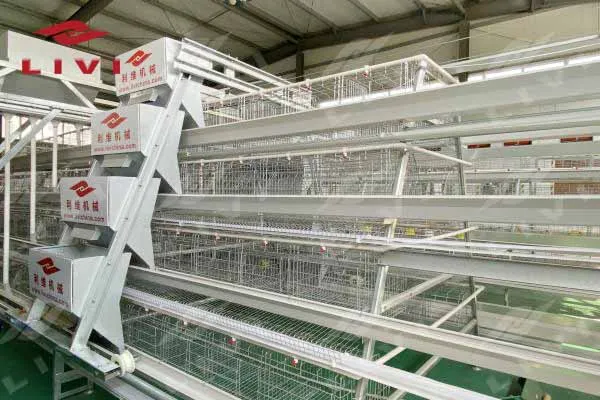
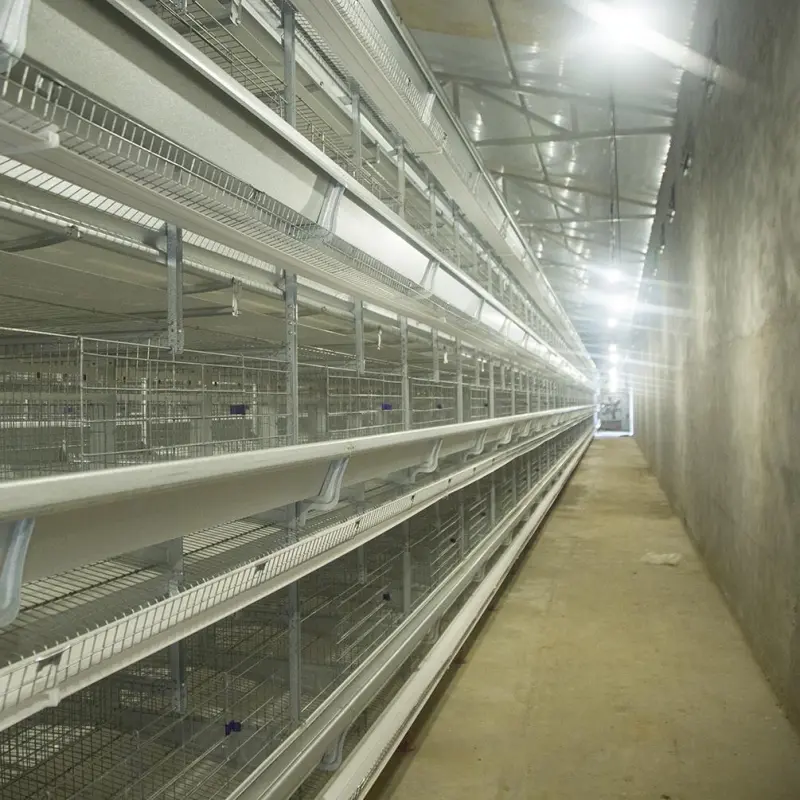
The H-type structure isn't just about aesthetics—it's engineered for flow. By stacking tiers vertically while maintaining clear access paths, it reduces walking distance by up to 30%, which directly translates into fewer worker hours per day. A case study from a 10,000-bird facility in Henan Province showed a 28% drop in daily labor time after switching to this system.
Durability That Pays Off Over Time
With hot-dip galvanized steel coated with aluminum-zinc alloy, these cages last 15–20 years even under harsh farm conditions—a dramatic improvement over standard galvanized alternatives that degrade in as little as 7 years. No more frequent replacements. Just steady performance.

Automation Meets Practicality
Integrated egg slides and automatic manure scrapers eliminate repetitive tasks. One farmer reported saving 2.5 hours per shift—not because machines replaced humans, but because they freed staff to focus on bird health monitoring, feed optimization, and other high-value activities.
Environment = Productivity
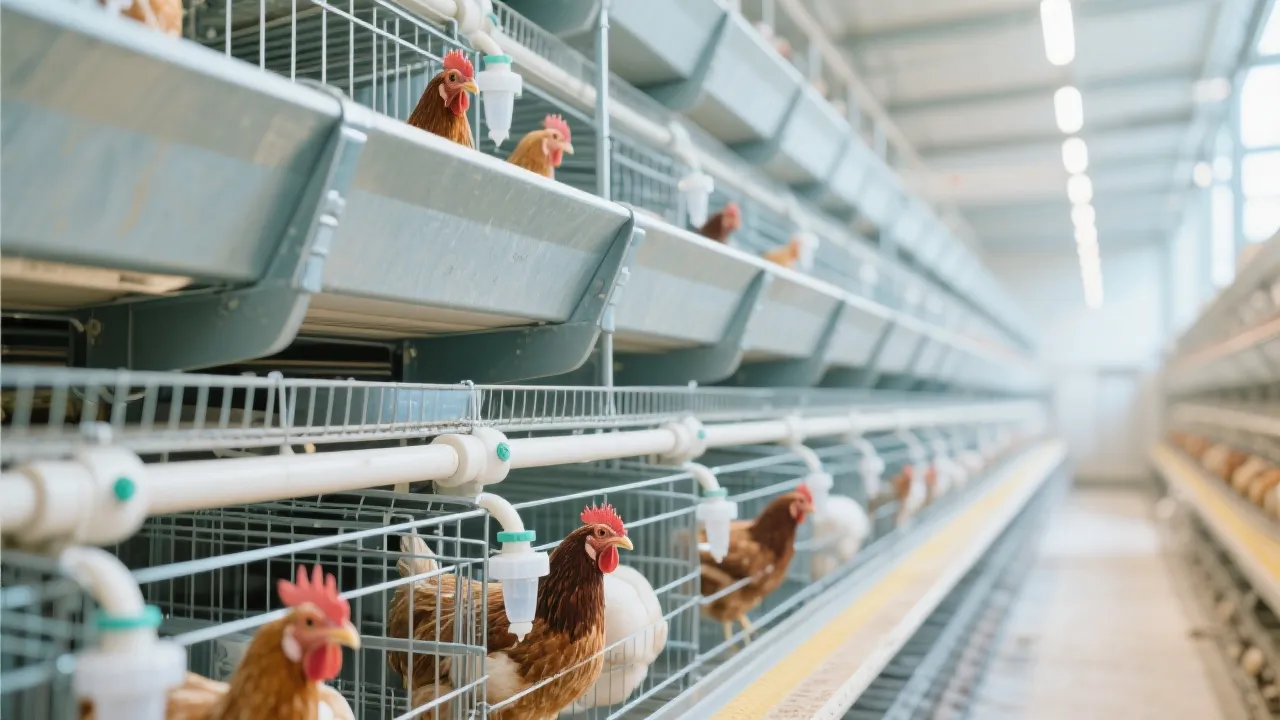
Proper ventilation and temperature control aren’t luxuries—they’re essential. Farms implementing climate-responsive housing saw a 5–7% increase in daily egg output within three months. Healthy hens lay more consistently, especially when stress factors like heat or ammonia buildup are minimized.
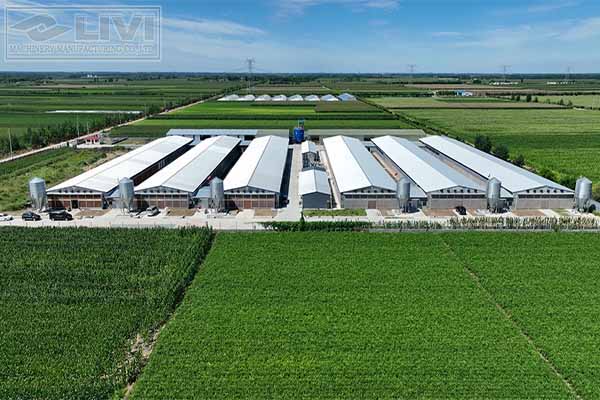
These aren’t hypothetical gains—they’re proven outcomes from farms across China, Southeast Asia, and Africa who’ve adopted this approach. Whether you manage 5,000 or 50,000 birds, efficiency isn’t a dream. It’s a measurable outcome.
Ready to See What Real Efficiency Looks Like?
Get our free guide: “7 Steps to Upgrade Your Egg Production System Without Breaking the Bank” — tailored for serious poultry operators.
Download the Free Guide Now


Hot Products

.jpg?x-oss-process=image/resize,m_fill,h_800,w_800/format,webp)


Popular articles




READY TO START?
Ready to Build Your Poultry Farm?
Tell us your land size, poultry type and farming capacity. LIVI will provide a complete farm solution for your project.