


Optimizing Egg Production Efficiency with H-Type Layered Chicken Cages: Space Utilization and Ventilation Enhancements
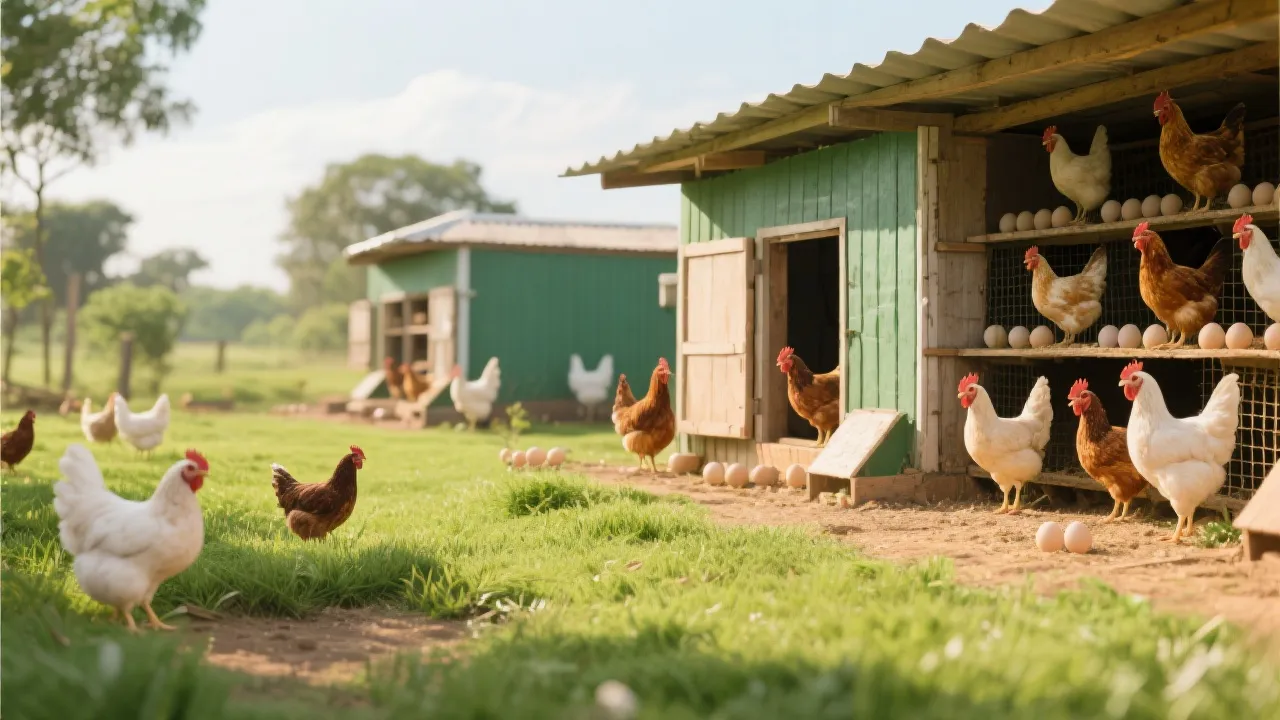
H-Type Stacked Chicken Cages: Revolutionizing Space Efficiency and Ventilation in Layer Hen Farming
In modern layer hen farming, key challenges often revolve around inefficient space utilization, poor ventilation, and high labor dependency. Traditional cage systems, while widely used, frequently lead to wasted vertical and horizontal space, suboptimal airflow causing health issues, and manual processes that increase operational costs. The H-type stacked chicken cage design emerges as an innovative solution addressing these pressing problems through advanced structural engineering and automation integration.
Maximizing Space Utilization with H-Type Structural Layout
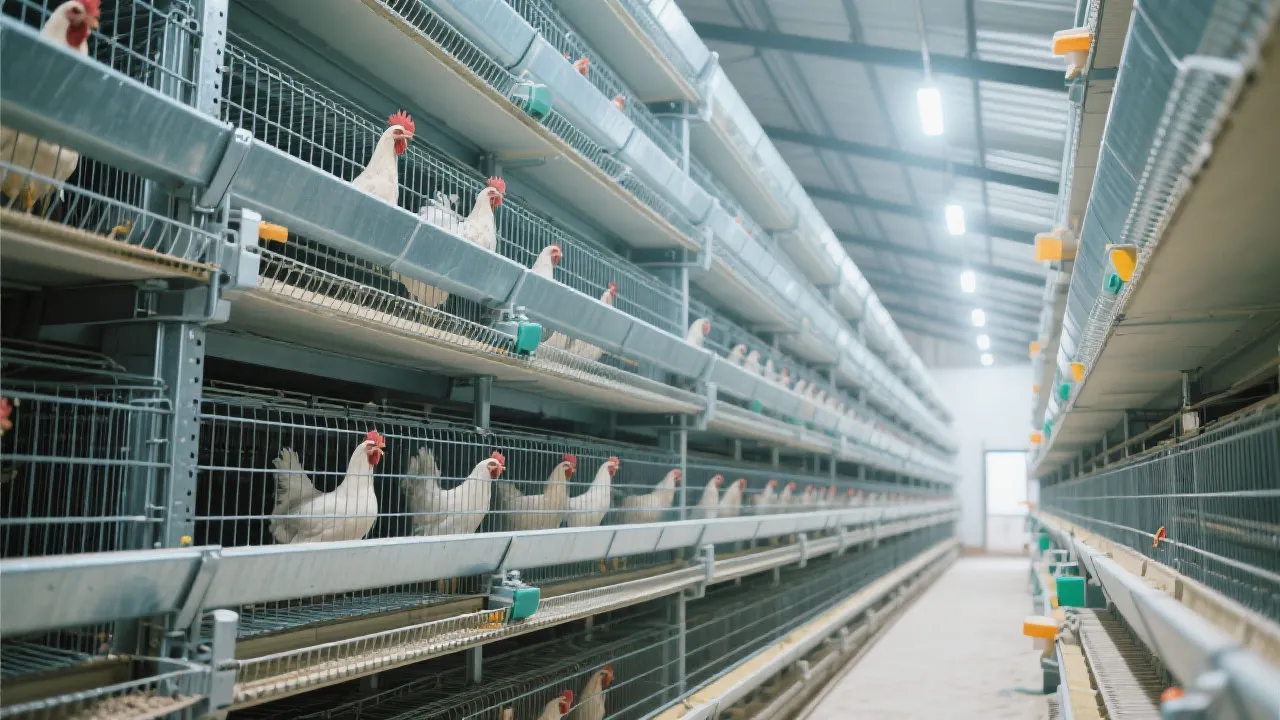
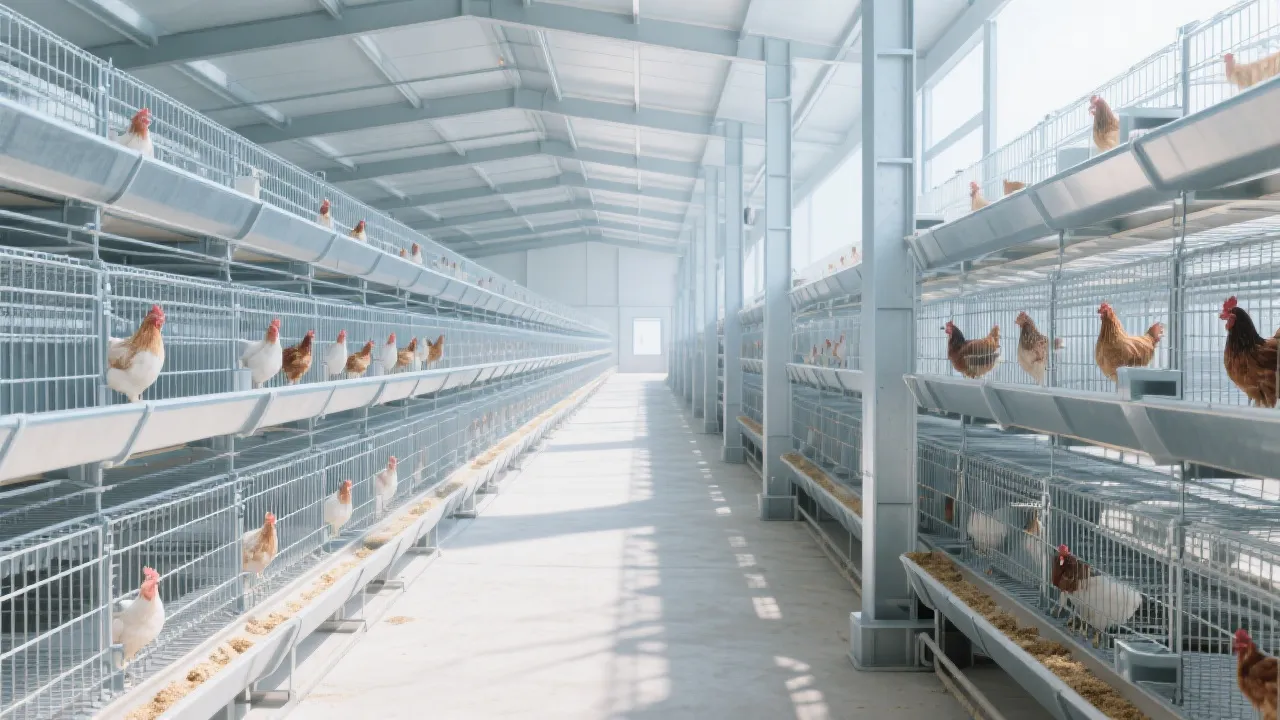
The hallmark of the H-type stacked cage lies in its multi-level architecture, which significantly improves space efficiency by leveraging vertical stacking without compromising hen welfare. Compared to conventional cage systems, the H-type design can increase housing density by approximately 25%-35%, effectively accommodating more hens per square meter. This design uses sturdy horizontal and vertical reinforcements to ensure structural integrity while optimizing usable cage volume.
Furthermore, the arrangement facilitates easier movement and better access for feeding and maintenance tasks. By reducing spatial dead zones, farm operators can streamline bird management and improve overall operational flow.
Advanced Ventilation Optimization for Healthier Flocks
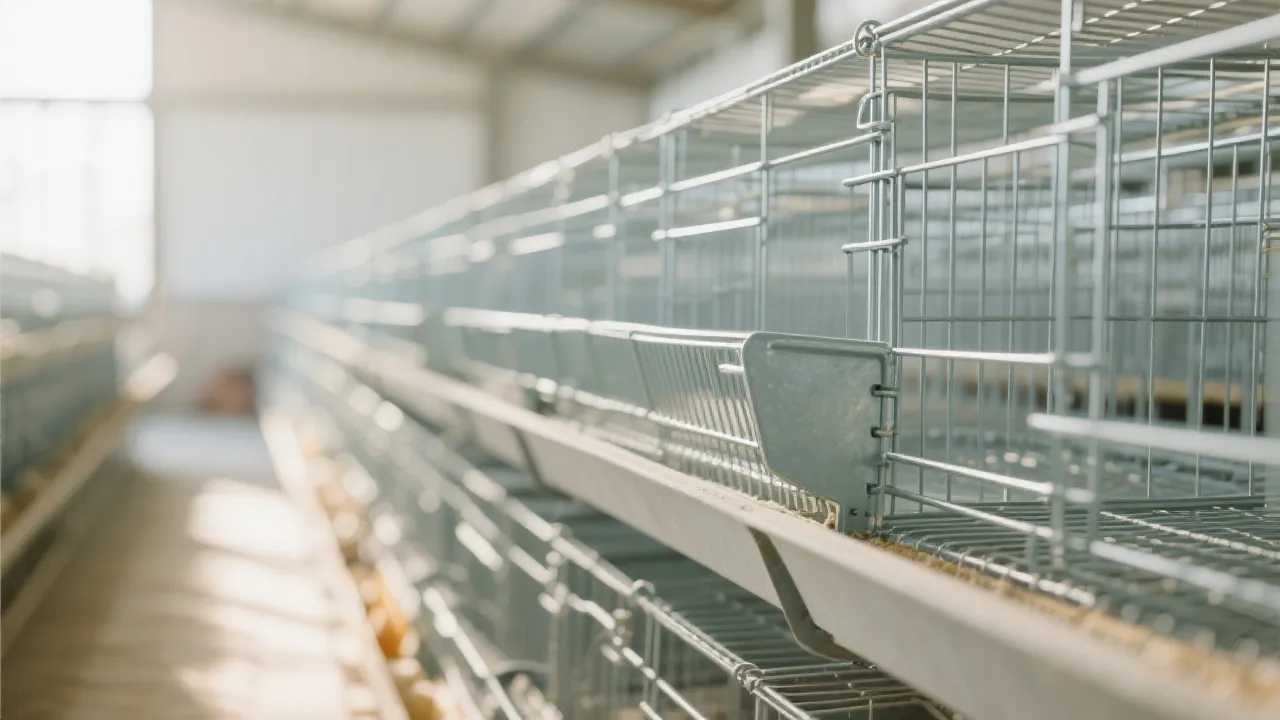
Ventilation is critical in maintaining air quality and preventing respiratory illnesses among laying hens. The H-type cage incorporates strategically placed ventilation openings on each layer to promote efficient airflow circulation. This reduces heat accumulation and ammonia concentration inside the cages, thereby lowering stress and improving hen comfort.
Studies indicate that improved ventilation systems in stacked cages can reduce flock mortality rates by up to 15% and enhance egg production consistency. Air exchange rates are engineered to balance temperature and humidity control, tailored to the local climate and barn environment.
Automation Integration: Feeding and Manure Management
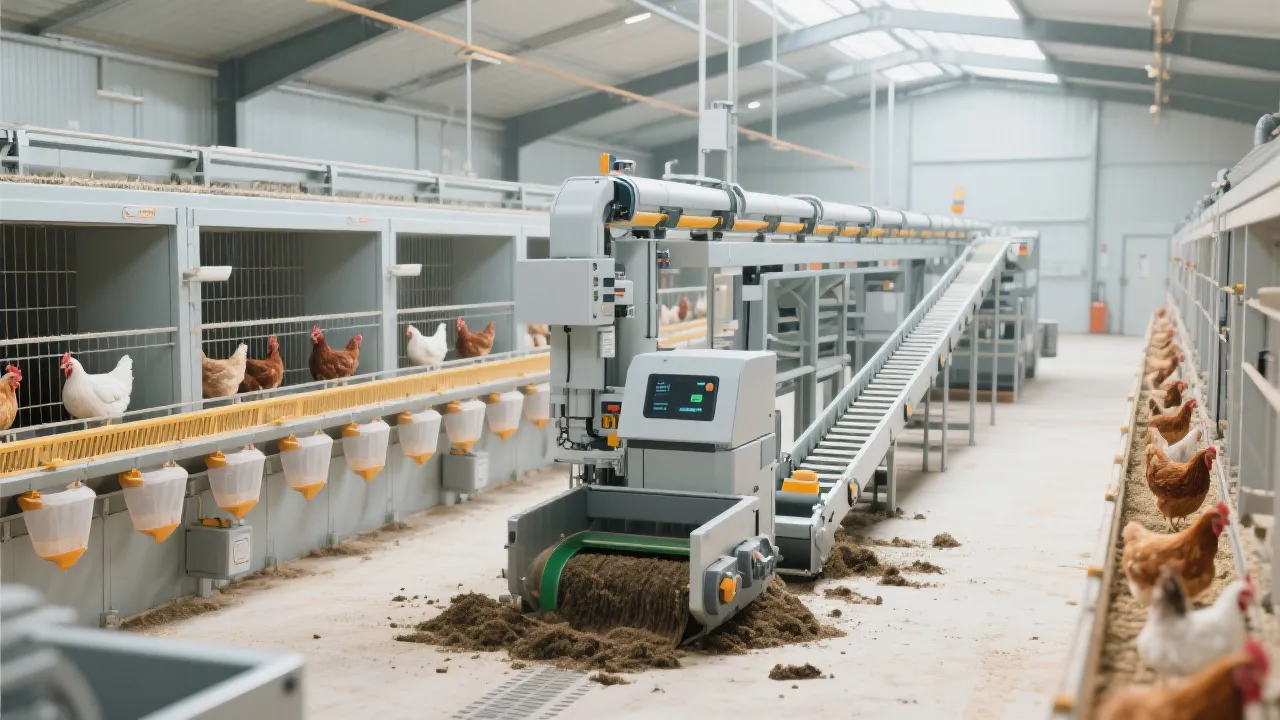
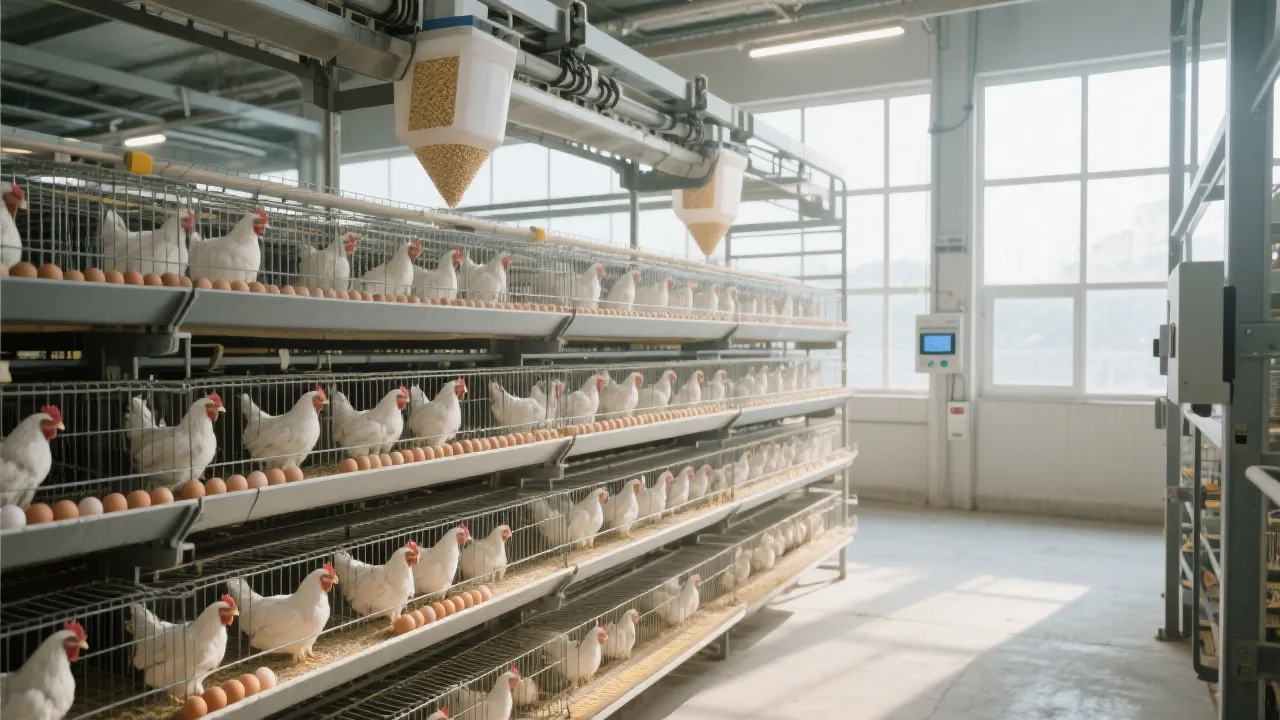
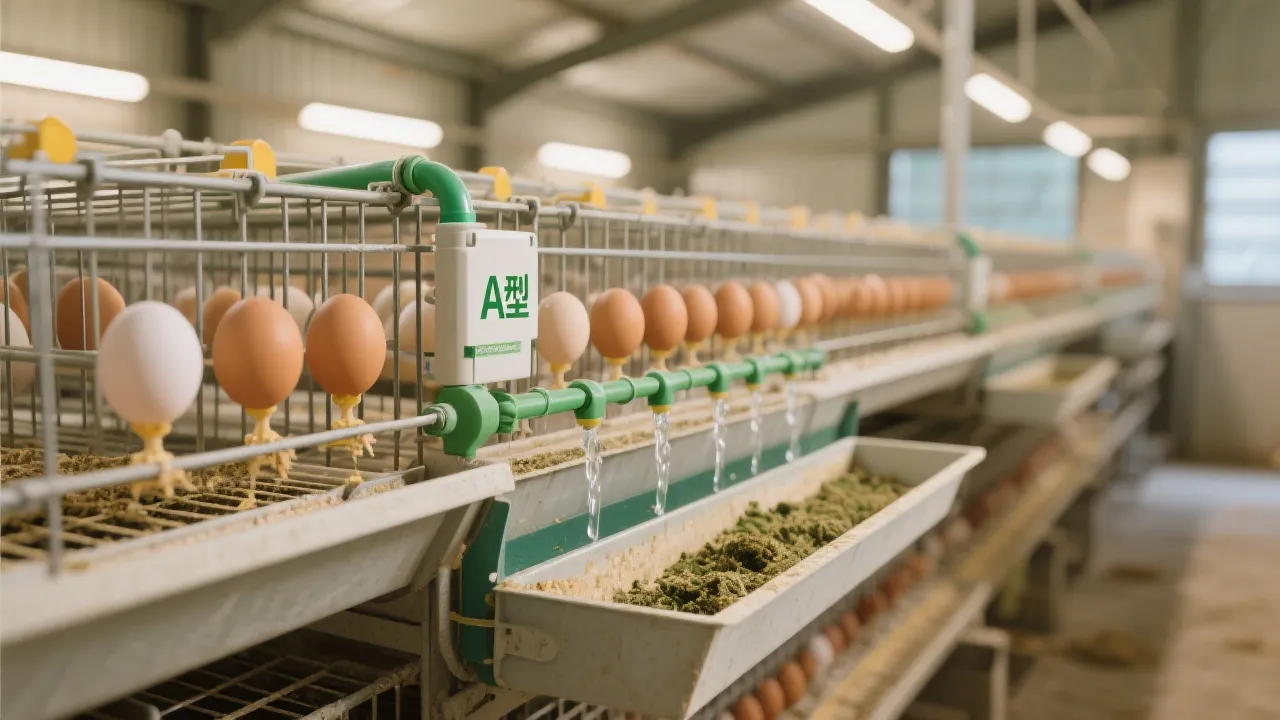
The H-type cages are designed to seamlessly integrate automated feeding and manure removal systems. Automated conveyor belt feeders reduce bird agitation during feeding times, promoting calmer flock behavior and minimizing stress-induced production drops.
Additionally, mechanized manure collection systems situated beneath lower cage layers facilitate continuous waste removal, decreasing environmental contamination and labor intensity. Field data from operational farms show labor cost reductions up to 30% within the first six months of implementing these systems.
Key Installation Best Practices
Successful deployment of H-type stacked cages requires adherence to fundamental structural and ventilation principles. Critical parameters include:
- Ensuring a minimum static load capacity of 120 kg per cage level to safely house hens and equipment.
- Optimizing ventilation opening placement for cross-flow based on barn orientation and prevailing wind directions.
- Providing at least 18 inches of vertical clearance between cage tiers for maintenance accessibility.
Tailoring these details to the farm's specific environmental conditions and flock size yields the best outcomes.
Real-World Impact: Case Studies and Performance Metrics
Practical application of H-type stacked cages has been documented across multiple farms globally. For example, a Midwest US layer operation reported:
| Metric | Traditional Cage | H-Type Stacked Cage | Improvement |
|---|---|---|---|
| Housing Density (hens/m²) | 8 | 11 | +37.5% |
| Feed Conversion Ratio (kg feed/kg egg) | 2.1 | 1.85 | -11.9% |
| Mortality Rate (%) | 6.4 | 5.0 | -21.9% |
| Labor Hours/1000 Hens/Week | 40 | 27 | -32.5% |
These figures illustrate the tangible benefits in productivity, cost savings, and flock welfare achievable through adopting the H-type cage technology.
Engage and Share: What Are Your Challenges?
Are you currently facing challenges related to space inefficiency or ventilation in your layer hen operation? Share your experiences and questions in the comments below—let’s foster a knowledge exchange that empowers farm operators worldwide.
Why H-Type Stacked Cages Lead the Future of Large-Scale Layer Farming
Integrating enhanced spatial design, optimized airflow, and automation, the H-type stacked cage system is no longer a mere alternative but a preferred upgrade path for modern farms targeting sustainable expansion and productivity gains.





Hot Products

.jpg?x-oss-process=image/resize,m_fill,h_800,w_800/format,webp)


Popular articles



READY TO START?
Ready to Build Your Poultry Farm?
Tell us your land size, poultry type and farming capacity. LIVI will provide a complete farm solution for your project.