


H-Type Layer Cages for 50,000+ Hens: Space Utilization & Ventilation Guide

Selecting High-Efficiency H-Type layer cages for Poultry Farms with 50,000+ Hens: A Comprehensive Guide
In the dynamic landscape of commercial egg production, African poultry farmers face unique challenges that demand innovative solutions. With temperatures often exceeding 35°C in regions like Nigeria and Kenya, and labor costs rising by an average of 12% annually across sub-Saharan Africa, the traditional cage systems are becoming increasingly inefficient for large-scale operations. For farms managing 50,000 or more laying hens, the transition to H-type layer cage systems represents not just an upgrade, but a strategic necessity to remain competitive in today's market.
The Scaling Challenge: Why Traditional Systems Fail
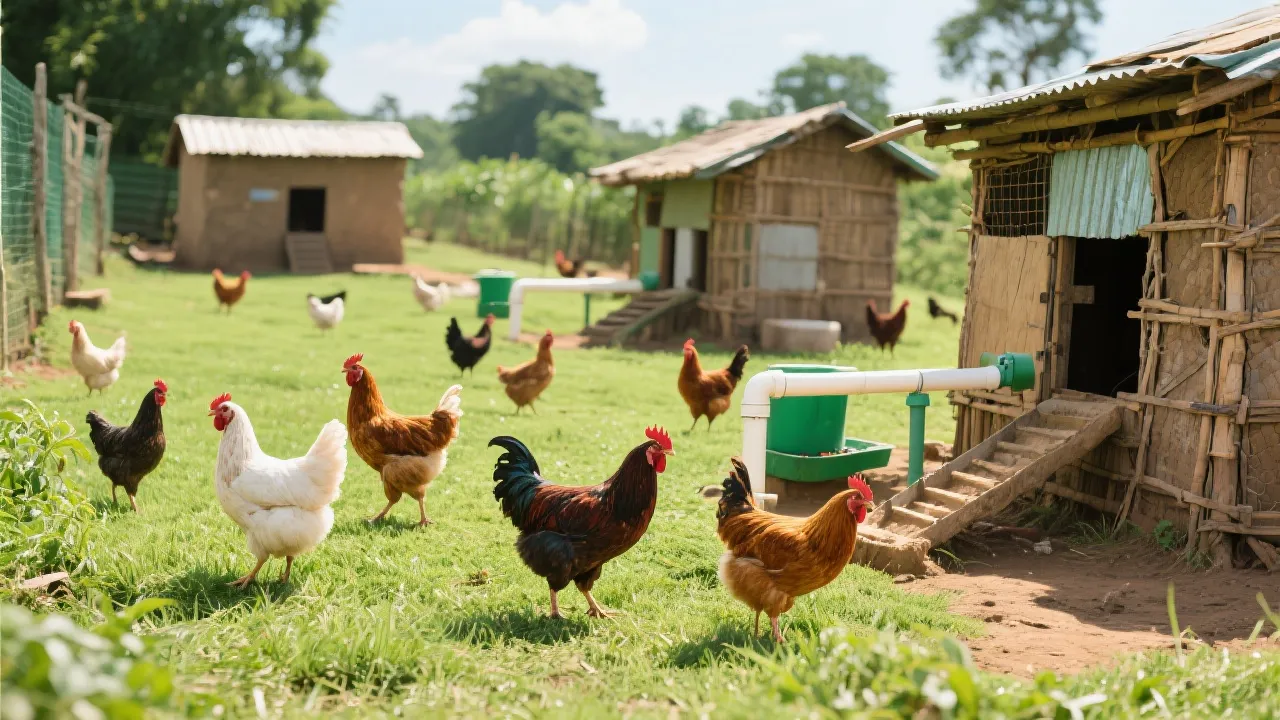
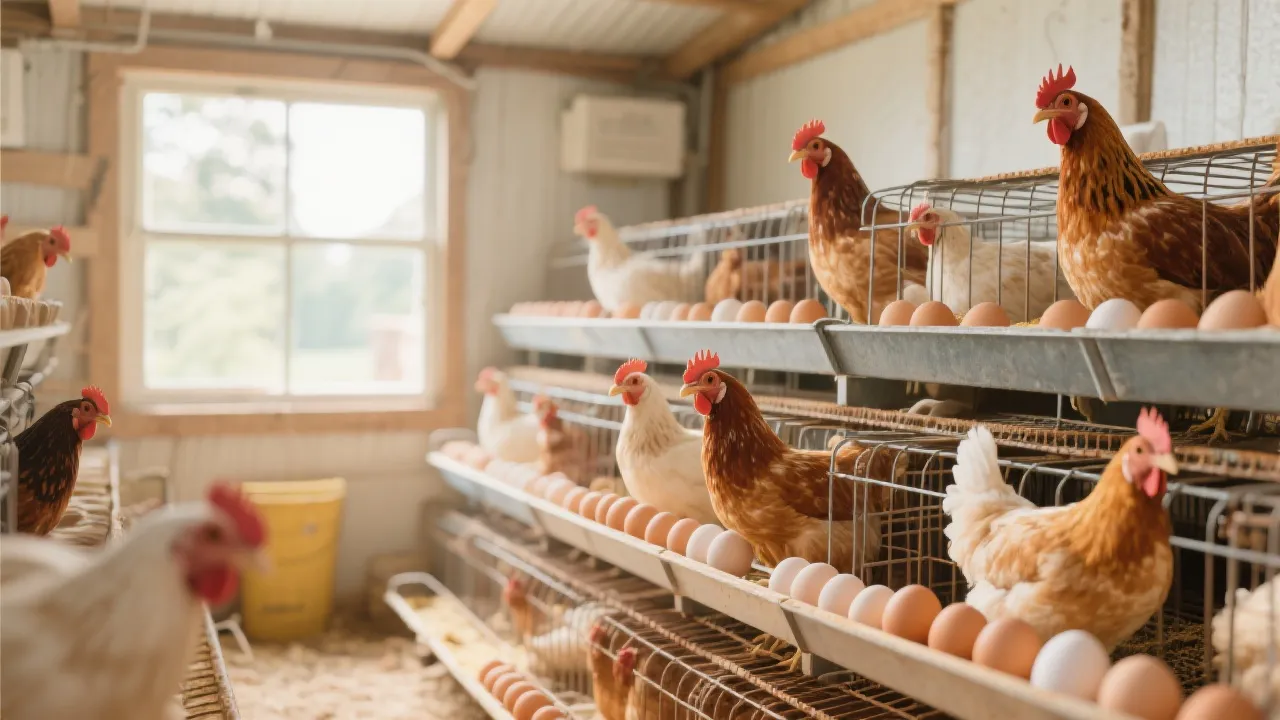
Conventional battery cages typically achieve a stocking density of 380-420 cm² per bird, while deep litter systems require even more space—up to 1,000 cm² per bird. This inefficiency becomes costly when scaling to 50,000+ birds, requiring additional land acquisition that can increase operational costs by 30-40%. In countries like South Africa and Ghana, where agricultural land prices have risen by 15-20% in the past five years, space optimization isn't just beneficial—it's essential for long-term profitability.
Spatial Efficiency: The H-Type Advantage
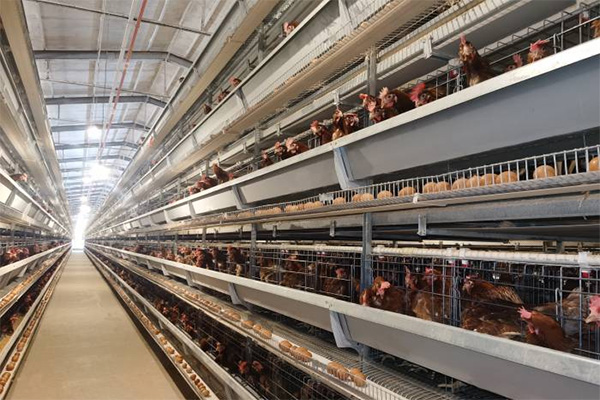
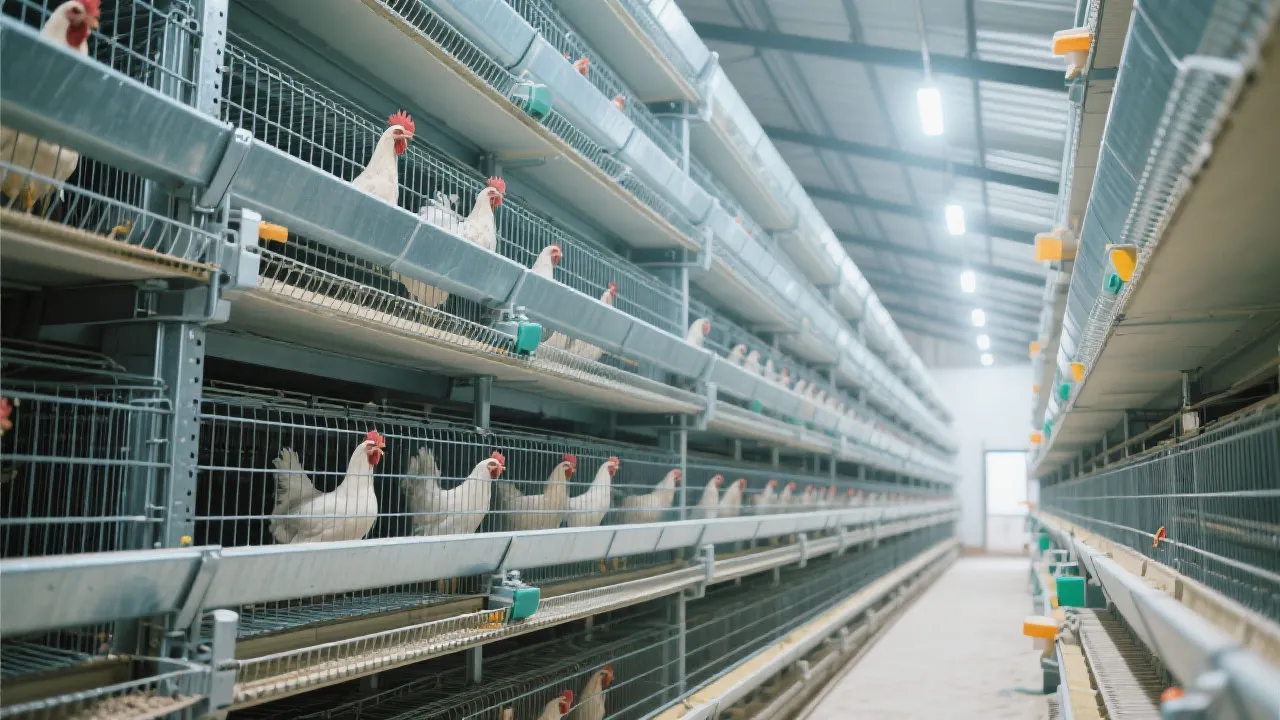
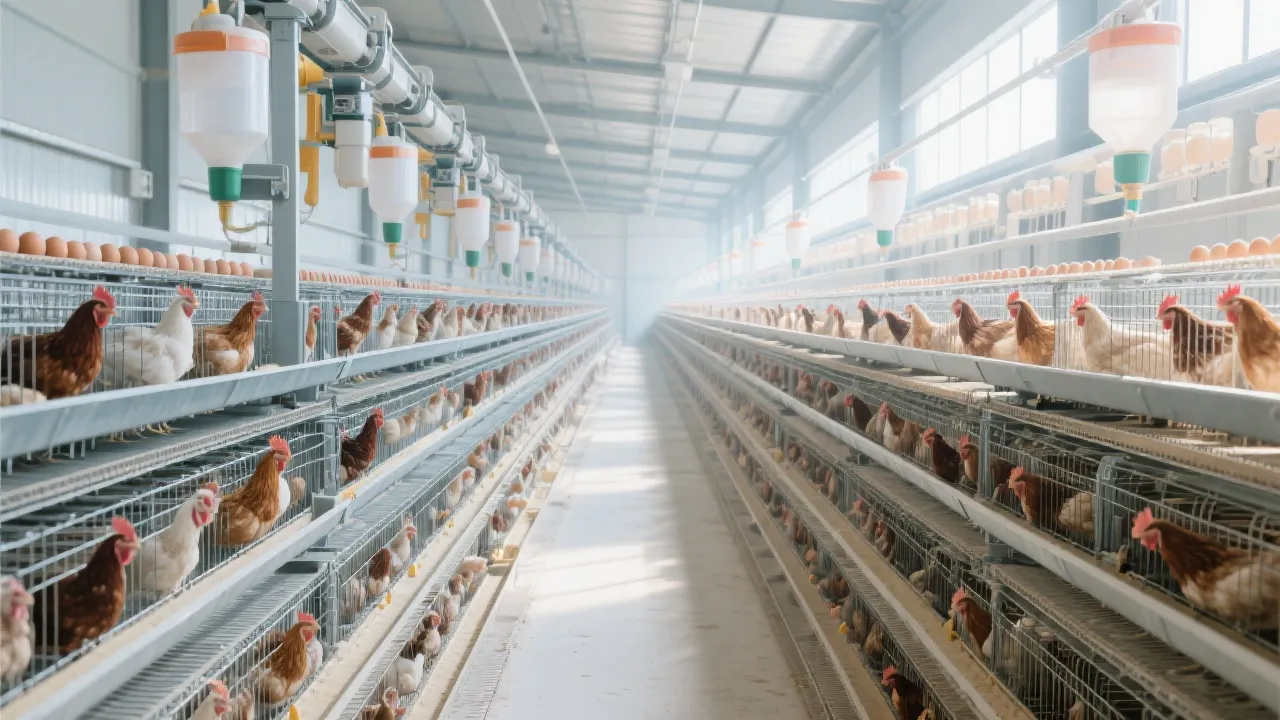
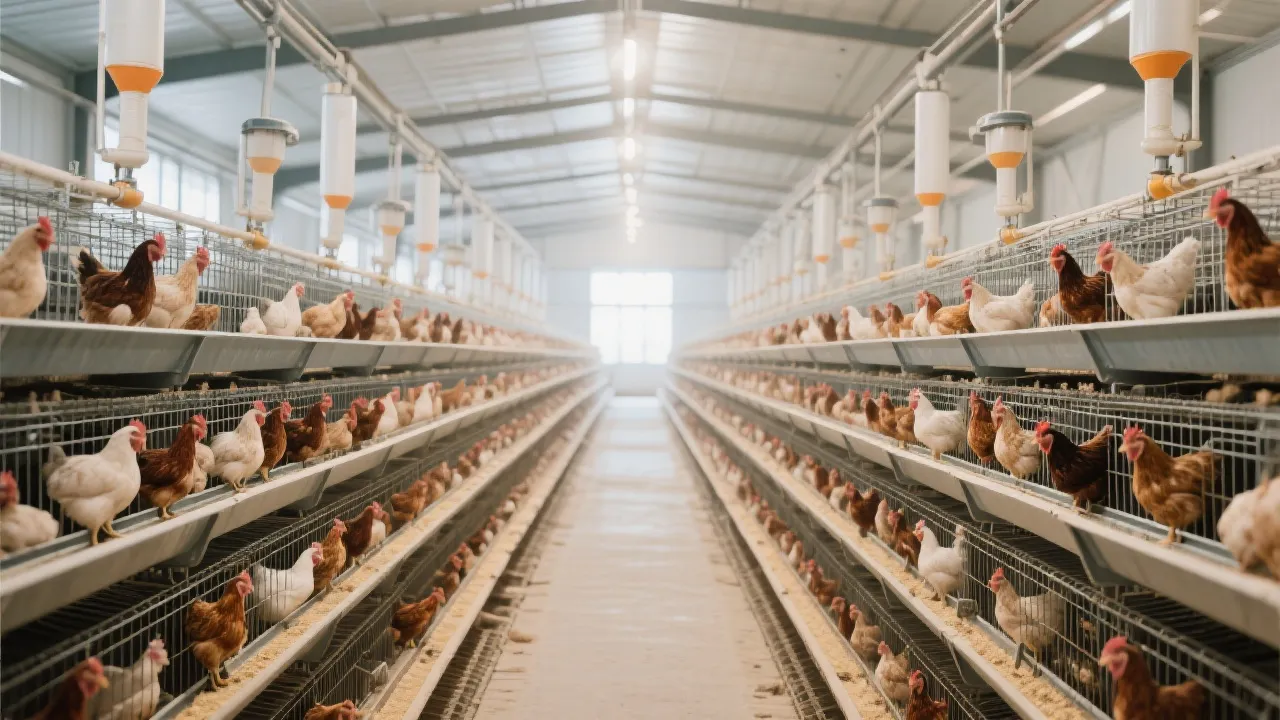
H-type layer cage systems revolutionize space utilization through their vertical design, typically offering 3-4 tiers of cages. This configuration allows for stocking densities as efficient as 280-320 cm² per bird while maintaining animal welfare standards. For a 50,000-bird operation, this translates to a space reduction of 40-50% compared to traditional systems—a saving of approximately 1,200-1,500 square meters of floor space. In urban peri-urban areas like Lagos or Nairobi, where land costs can exceed $50 per square meter, this represents a potential capital saving of $60,000-$75,000.

Climate Adaptation: Ventilation Engineering for African Conditions
Temperature regulation directly impacts egg production—studies show that laying hens experience reduced feed intake and egg production when ambient temperatures exceed 28°C. H-type systems address this challenge through integrated ventilation design featuring:
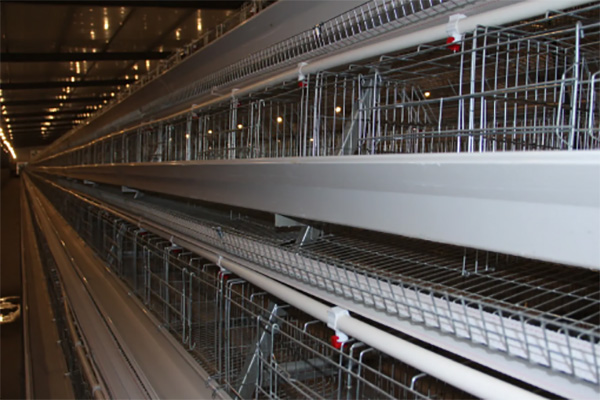
- Horizontal air flow channels between cage tiers, reducing temperature differentials by 4-6°C
- Variable speed exhaust systems that adjust to ambient conditions, maintaining optimal 24-26°C environment
- Manure belt spacing that prevents heat buildup from waste decomposition
In field tests conducted in Senegal, properly configured H-type systems maintained consistent internal temperatures even when external temperatures reached 39°C, resulting in a 12-15% higher egg production compared to traditional cage systems during the hot season.
Labor Optimization: Automated Manure Management
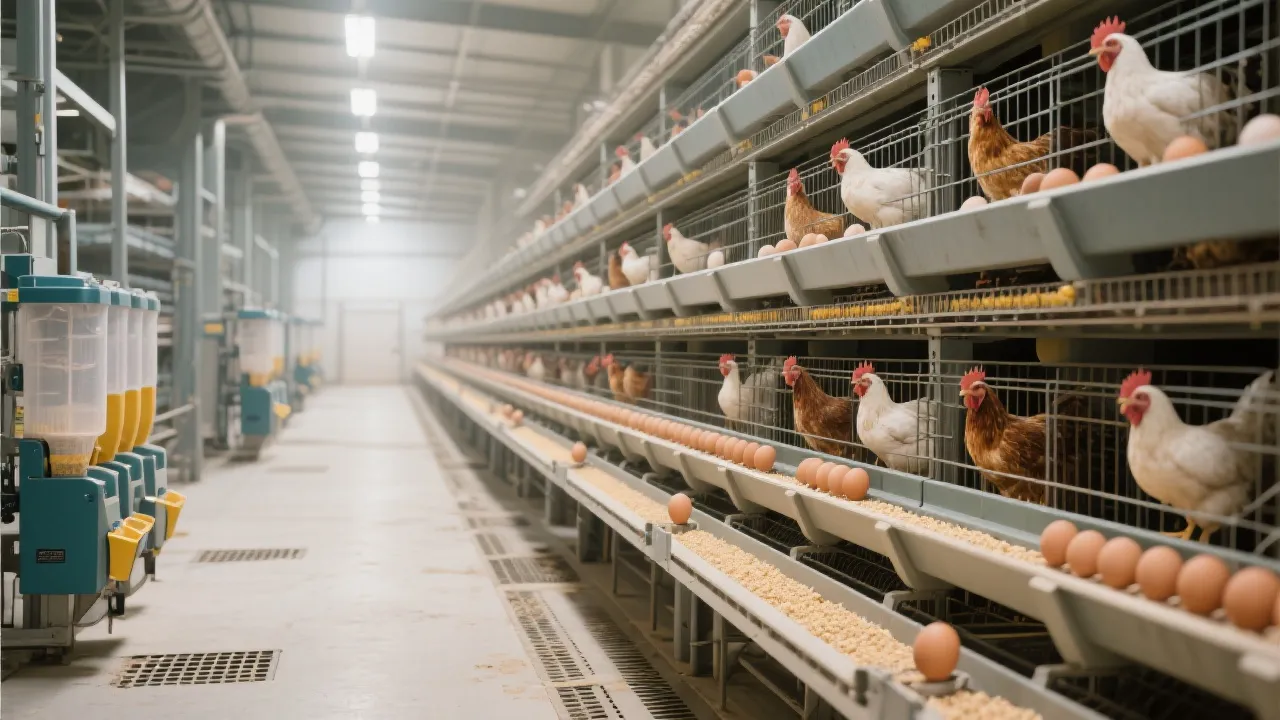
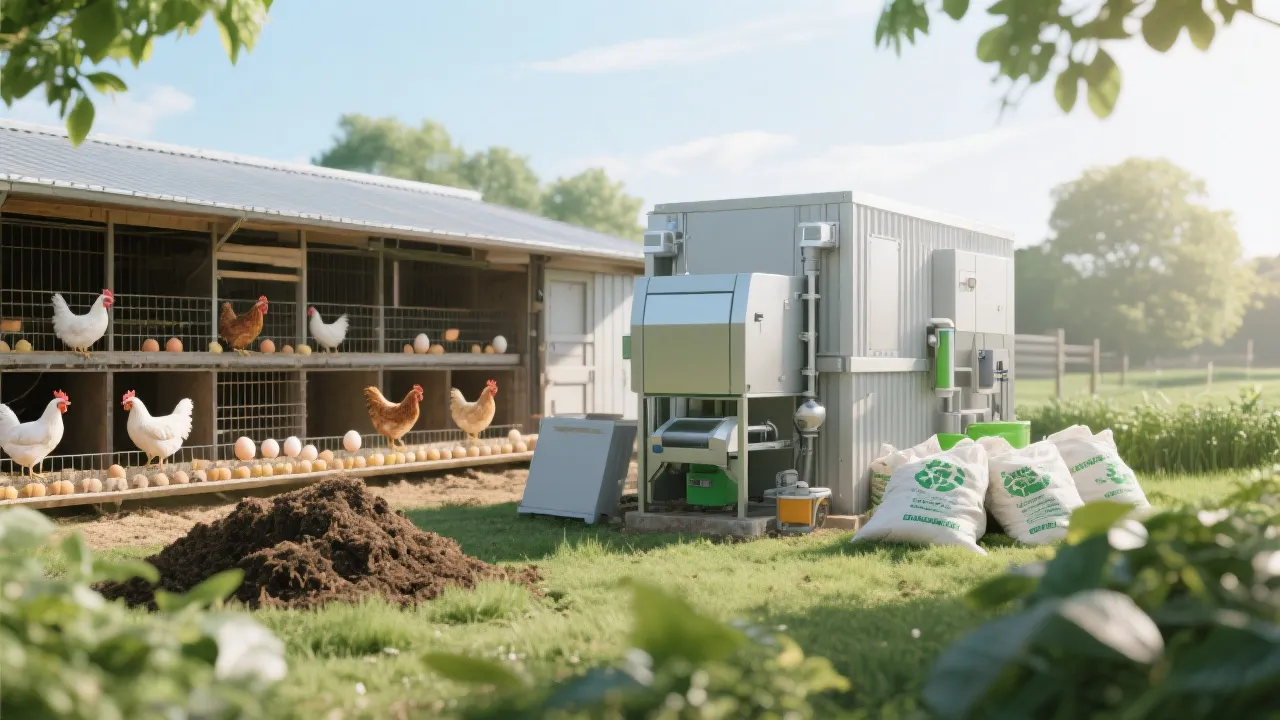
African poultry operations face acute labor challenges, with turnover rates averaging 25-30% annually and minimum wage increases of 8-10% per year. H-type systems incorporate automated manure removal technology that can reduce labor requirements by 60-70%. The continuous belt system eliminates the need for daily manual cleaning, instead depositing waste in a centralized collection area for efficient disposal or processing into fertilizer.
Certification and Long-Term Reliability
Investing in ISO 9001 and CE certified H-type systems provides multiple benefits for large-scale operations. These certifications ensure compliance with international standards for material quality, structural safety, and animal welfare. In practical terms, certified systems demonstrate:
| Performance Metric | Non-Certified Systems | ISO/CE Certified Systems |
|---|---|---|
| Expected Lifespan | 5-7 years | 15-20 years |
| Maintenance Costs (Annual) | 8-10% of initial investment | 3-4% of initial investment |
| Downtime Incidents | 6-8 per year | 1-2 per year |
These factors contribute to a total cost of ownership that is 35-45% lower over a 10-year period for certified systems, despite the higher initial investment.
Practical Selection Framework for African Conditions
When evaluating H-type systems for African operations, consider these critical factors:
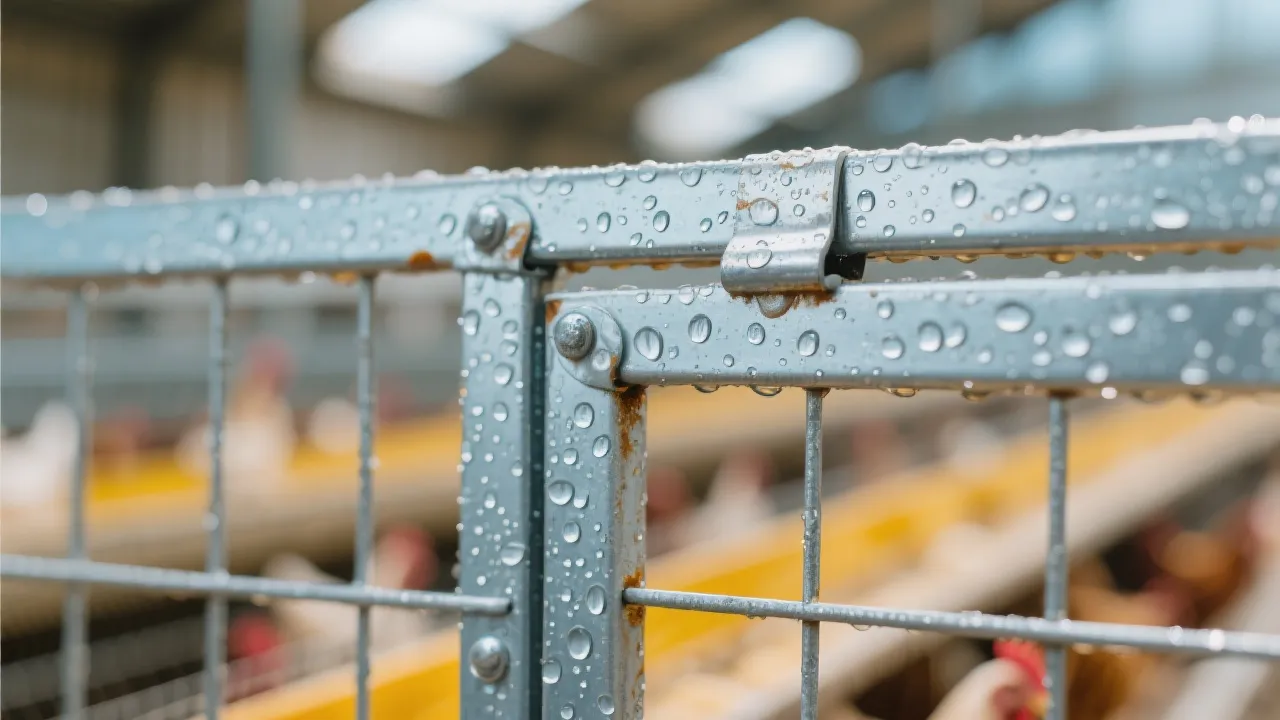
- Material Selection: Hot-dip galvanized steel with minimum 80μm coating thickness to resist corrosion in high-humidity environments
- Ventilation Capacity: System should exchange air volume 15-20 times per hour to maintain air quality and temperature
- Power Redundancy: Dual power input capability to accommodate unreliable electrical grids common in many regions
- Local Support: Presence of technical service centers within 500km to minimize downtime during maintenance
- Modular Design: Ability to expand in phases as your operation grows from 50,000 to 100,000+ birds
Ready to Transform Your Poultry Operation?
Download our comprehensive African Poultry Efficiency Guide featuring:
- ✓ Customized H-type system sizing calculator for 50,000+ bird operations
- ✓ 5-year ROI projection template with African market parameters
- ✓ Climate-specific ventilation design recommendations
- ✓ Case studies from successful African poultry operations
Making the transition to H-type layer cage systems represents a significant decision that impacts not just immediate operational efficiency, but the long-term sustainability of your poultry business. By prioritizing space efficiency, climate adaptation, labor optimization, and certified reliability, African poultry producers can position themselves to meet the growing demand for eggs across the continent while maintaining competitive advantage in challenging market conditions.




Hot Products

.jpg?x-oss-process=image/resize,m_fill,h_800,w_800/format,webp)


Popular articles





READY TO START?
Ready to Build Your Poultry Farm?
Tell us your land size, poultry type and farming capacity. LIVI will provide a complete farm solution for your project.